
China Iran Support Limits as US Ramps Up Pressure on Tehran
news

China Iran Support Limits as US Ramps Up Pressure on Tehran

By Editorial TeamSep 3, 2026 · 7:17 AM3 min read
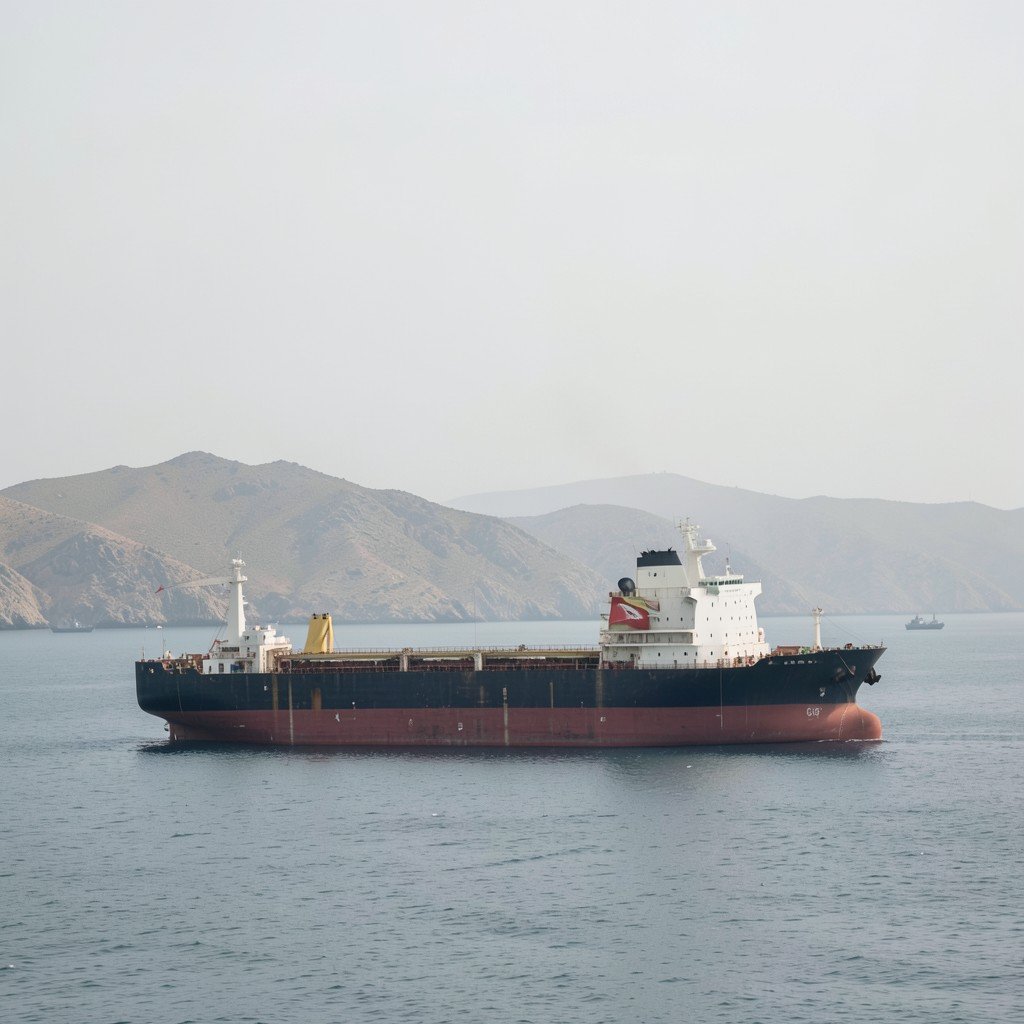
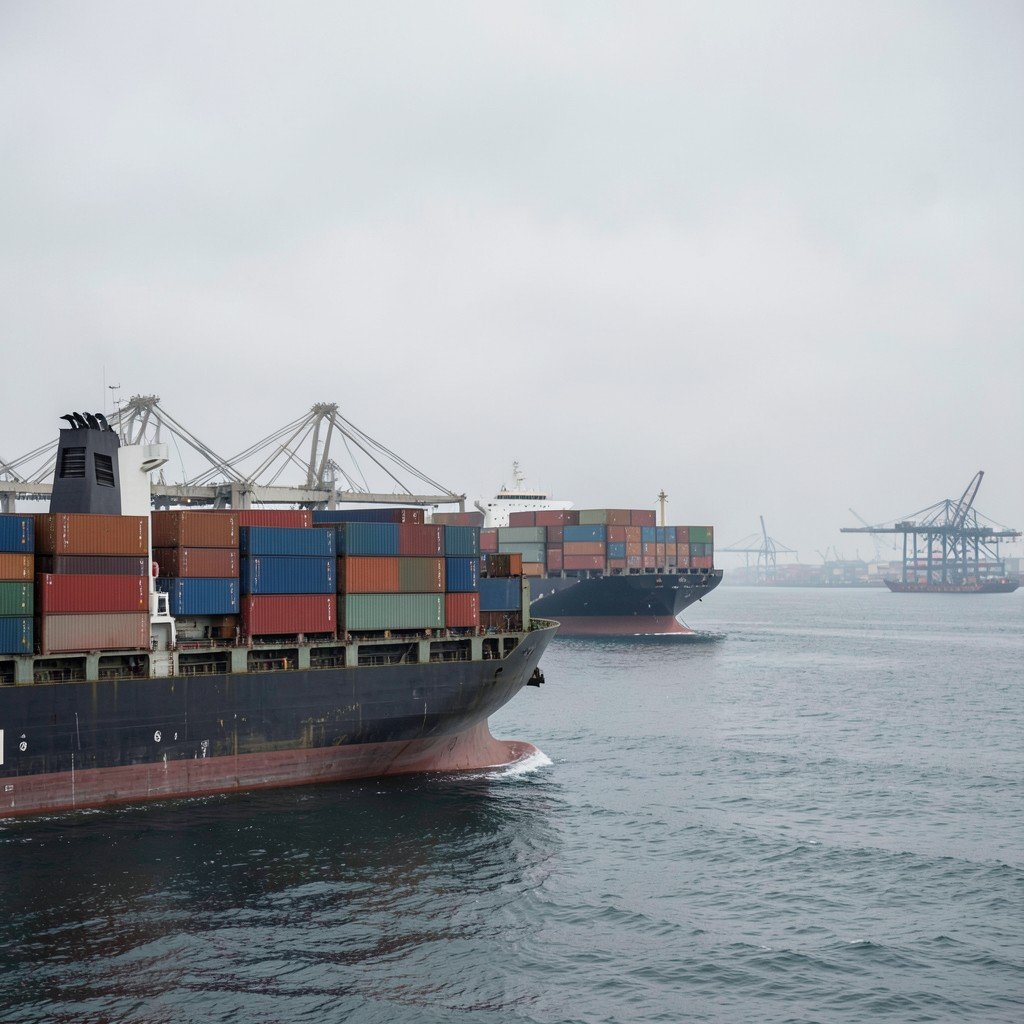
AI-generated representative image: An oil tanker at sea, illustrating China-Iran crude trade and shipping flows amid US sanctions pressure.
Editorial Team
Editorial Team
Beijing opposes Washington sanctions and military campaign but is unlikely to underwrite Iran economy

China has long been one of Iran's few major economic partners, but analysts say Beijing is unlikely to go much beyond modest trade links to shield Tehran from a renewed United States pressure campaign under President Donald Trump.

While China opposes US military attacks and sanctions against Iran, its relationship with Tehran remains just one element of a broader foreign policy balancing ties with Washington and Gulf states, limiting any appetite to prop up the Iranian leadership at any cost.

The dynamic matters because China has taken up to 90 percent of Iranian oil exports since the US and Israel launched their war in late February, making it an economic lifeline for Tehran. Yet Iranian crude accounts for only about 2 percent of China's overall energy mix, underscoring how heavily the relationship tilts in Beijing's favor.

Asymmetry on display at regional summit

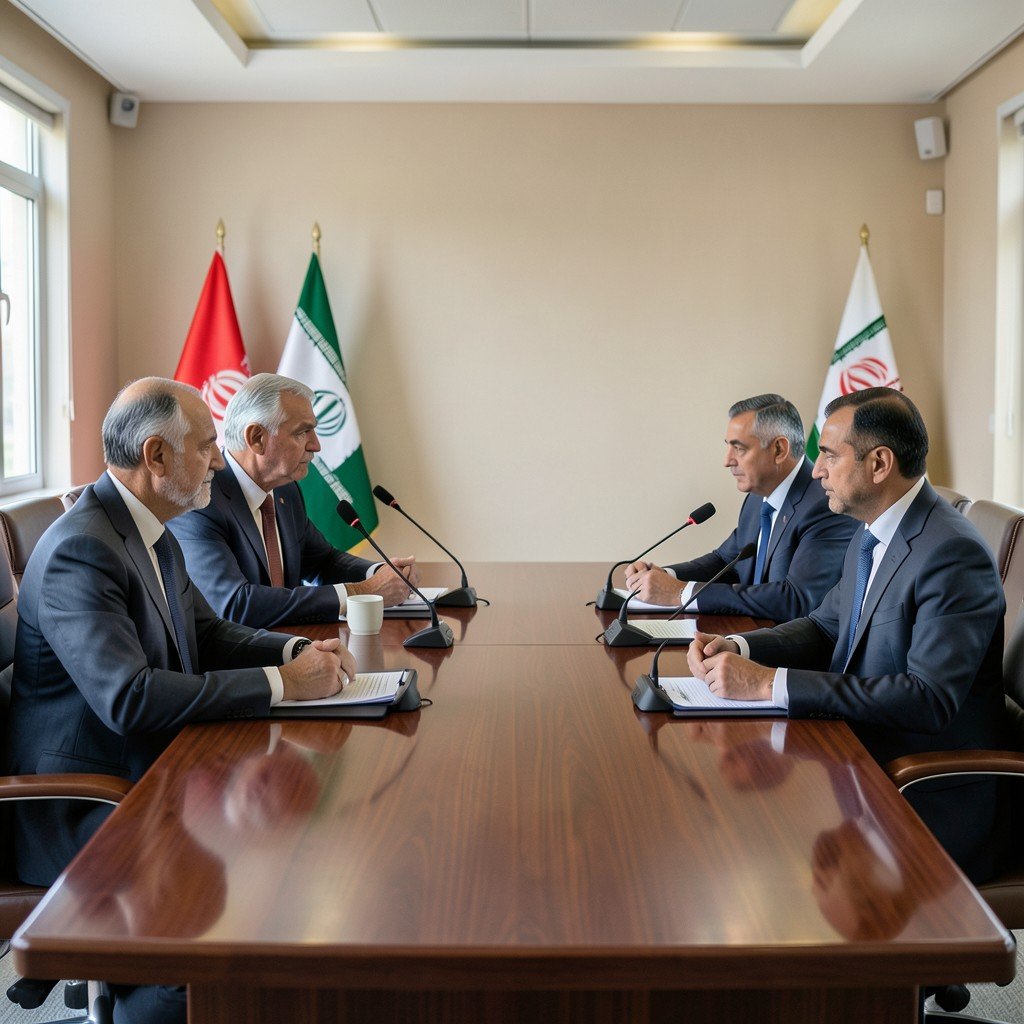
The imbalance in ties was visible this week at the annual Shanghai Cooperation Organisation gathering in Bishkek, Kyrgyzstan, where Chinese President Xi Jinping joined Iranian President Masoud Pezeshkian and more than a dozen other non-Western leaders. Iranian state media reported a "brief meeting" between the two on the sidelines, but Chinese outlets made no mention of the encounter.

Xi then travelled to Egypt for his first visit in a decade, calling on Middle East countries to oppose "external interference" and reiterating support for a diplomatic resolution to the Iran war. The Trump administration has also hinted at targeting China's financial system under its "Operation Economic Outcast" sanctions campaign, though analysts are sceptical Washington will risk provoking Beijing ahead of a scheduled Xi-Trump summit on September 24.
Rhetoric versus reality in bilateral ties

Beijing and Tehran have for years maintained a substantial gap between rhetoric and reality. Although China pledged up to $400bn in investment over 25 years under a "comprehensive strategic partnership agreement" signed in 2021, few projects have materialised amid Chinese firms' reluctance to navigate sanctions and Iran's opaque bureaucracy.

In 2023, Iran's then deputy economy minister, Ali Fekri, said he was "not satisfied" with China's investment, which had amounted to only about $185m. Hongda Fan, director of the China-Middle East Center at Shaoxing University, said China "cannot and will not engage in fierce confrontation with the US for Iran's sake" and that the conflict "must be resolved by the two countries themselves."

Oil flows and sanctions exposure

Iranian crude exports via the Strait of Hormuz, mostly bound for China, fell from an estimated 1.85 million barrels per day in March-April to just 240,000 barrels per day in August, according to ship-tracking platform Kpler. In an interview with CNBC, US Treasury Secretary Scott Bessent said "only" about 30 million barrels remained on the water, while Kpler estimated roughly 80 million barrels in on-water storage could sustain Tehran for up to six months.

Major state-owned refiners such as Sinopec and PetroChina have shunned Iranian oil for years, leaving the trade to independent "teapot" refiners with minimal links to the dollar-based financial system. Mordechai Chaziza, an expert on China's Middle East policy at Ashkelon Academic College, described Iran as "valuable but replaceable," noting China can obtain energy from Saudi Arabia, Russia, Iraq and the UAE.

What lies ahead

Analysts say Beijing is likely to keep opposing US secondary sanctions politically while defending what it views as legitimate commercial interests, without underwriting the Iranian economy. Kerri Bitsoff, a former senior official at the US Treasury's Office of Foreign Assets Control, framed the relationship as "a customer relationship that Iran can't walk away from," adding that Chinese support "only lasts up until the point where it threatens China's other interests."

MORE LIKE THIS

Comments (0)

Leave a comment

A verified Gmail account is required to post comments.

No comments yet. Be the first to share your thoughts!