
US Nuclear Strike on Iran Realistic Amid Deadlock, Adviser Says
news

US Nuclear Strike on Iran Realistic Amid Deadlock, Adviser Says

By Editorial TeamAug 31, 2026 · 6:11 AM3 min read
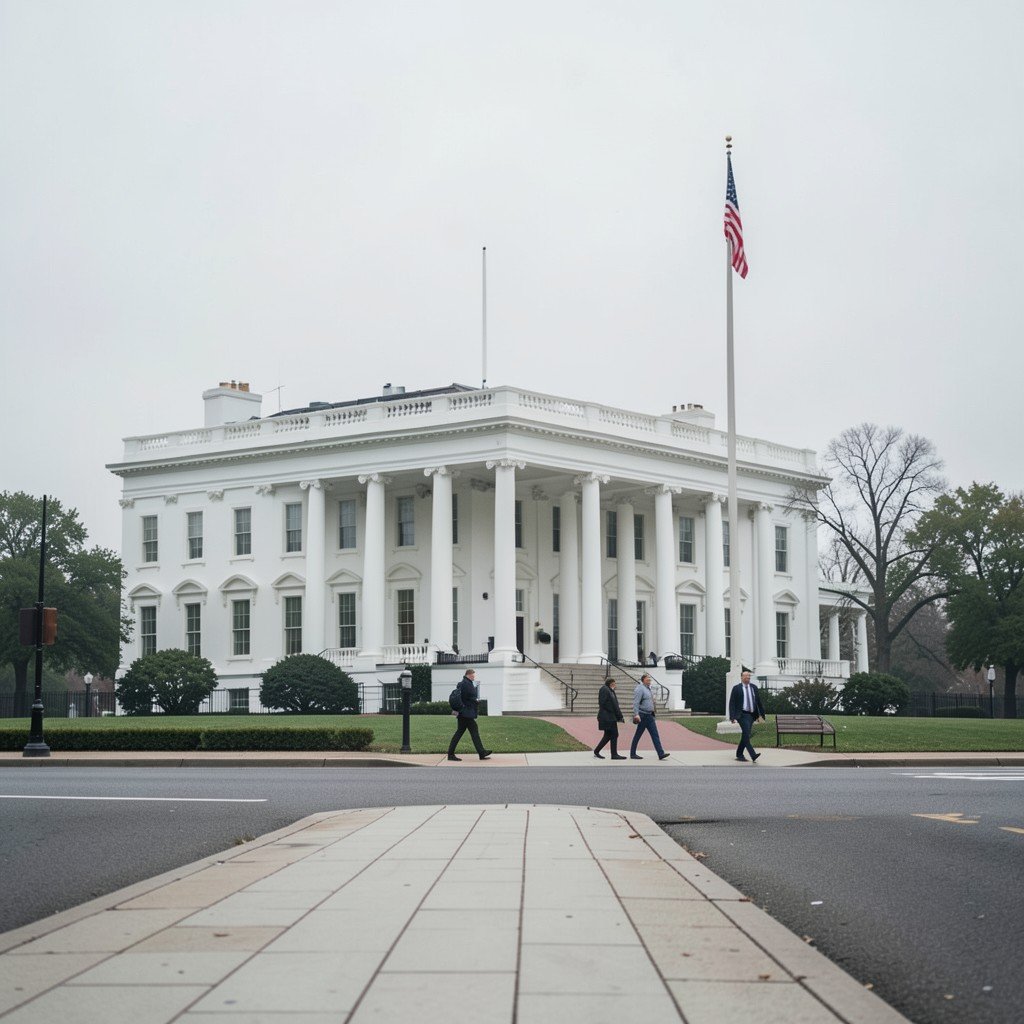
AI-generated representative image. The Pentagon in Arlington, Virginia, seen under an overcast sky amid heightened US-Iran tensions.
Editorial Team
Editorial Team
Former counterterrorism adviser Joe Kent warns Washington may turn to nuclear weapons after sanctions and conventional force failed against Tehran.

Former presidential counterterrorism adviser Joe Kent has said the United States could realistically use nuclear weapons against Iran after failing to topple its leadership through conventional military and economic pressure. Kent made the remarks during an appearance on Tucker Carlson's show on Friday, describing the nuclear option as a plausible outcome as the Trump administration searches for a way out of its standoff with Tehran.

The comments escalate an already tense confrontation between Washington and Tehran that has featured repeated threats from President Donald Trump, including warnings that Iran's "whole civilization will die." Kent's assessment matters because it comes from a former senior counterterrorism official and suggests that, in his view, the administration may be running out of viable non-nuclear options.

Nuclear Option Framed as Realistic

Kent told Carlson that "we would be fools to think that this couldn't happen here, in this current scenario, especially as the [Trump] administration scrambles for a way out." He argued that Trump has failed to achieve any of his shifting objectives in the conflict despite deploying the full range of US military and economic capabilities.

According to Kent, if Washington remains intent on removing the Iranian leadership and forcing a "total surrender," only two options remain: a full-scale ground operation or a nuclear strike. He called a ground invasion "not feasible whatsoever" given Iran's vast territory and population, and speculated that Washington could hypothetically pursue a limited nuclear strike on underground uranium enrichment facilities in Iran's mountainous areas.
Escalating Threats and a Shift in Tactics

In April, President Trump threatened that Iran's "whole civilization will die" unless Tehran agreed to Washington's demands. He has since repeated similar warnings, saying US forces could obliterate the country's civilian infrastructure, including power plants and bridges.

The US abruptly suspended its most recent wave of strikes on Iran late last month, amid media reports that the Pentagon has largely depleted its stockpiles of high-precision munitions and interceptor missiles. Trump and other senior officials have denied ammunition shortages, insisting the Pentagon has plenty of munitions at its disposal.

In an apparent shift, the president announced last week the start of what he called a "CRUSHING ECONOMIC OPERATION" against Iran, dubbing it the "ECONOMIC D-DAY."

New Sanctions Target Nearly 60 Entities

Days after that announcement, US Treasury Secretary Scott Bessent unveiled a new round of sanctions against Tehran, targeting nearly 60 entities, individuals, and vessels across multiple jurisdictions, including 21 based in China. Bessent said the goal was to make Iran an "economic outcast" by penalizing countries that refuse to sever economic ties.

"Any entity that facilitates money laundering on behalf of Iran will be removed from the US dollar system," Bessent warned during a press conference on Monday.

What Comes Next

There has been no official confirmation from the White House or Pentagon that a nuclear strike is under consideration, and Kent's remarks represent his own assessment rather than an announced policy. The administration's current stated focus remains economic pressure through sanctions, while the broader military standoff with Iran continues without a declared resolution.

MORE LIKE THIS

Comments (0)

Leave a comment

A verified Gmail account is required to post comments.

No comments yet. Be the first to share your thoughts!