
US-Iran War Stalemate: Six Months of Conflict With No Clear Victor
news

US-Iran War Stalemate: Six Months of Conflict With No Clear Victor

By Editorial TeamAug 28, 2026 · 4:26 PM4 min read
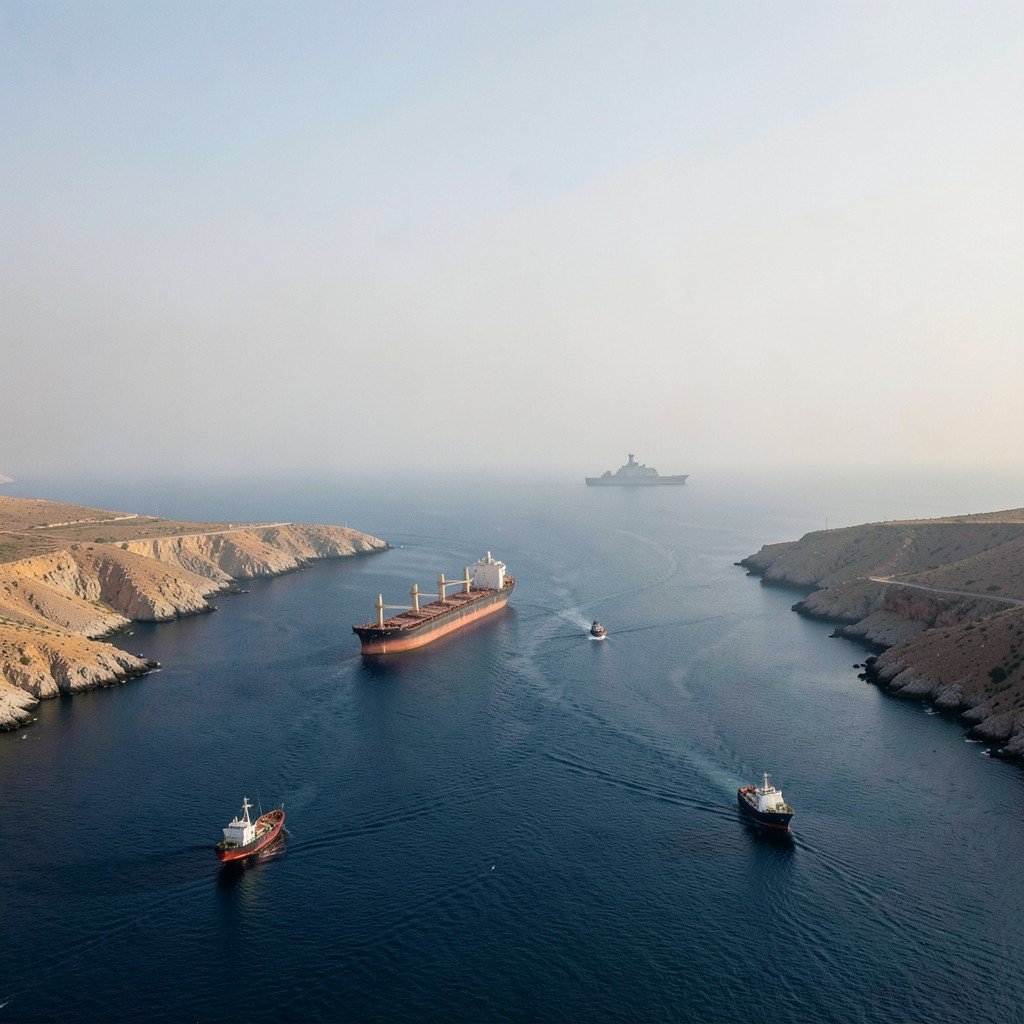
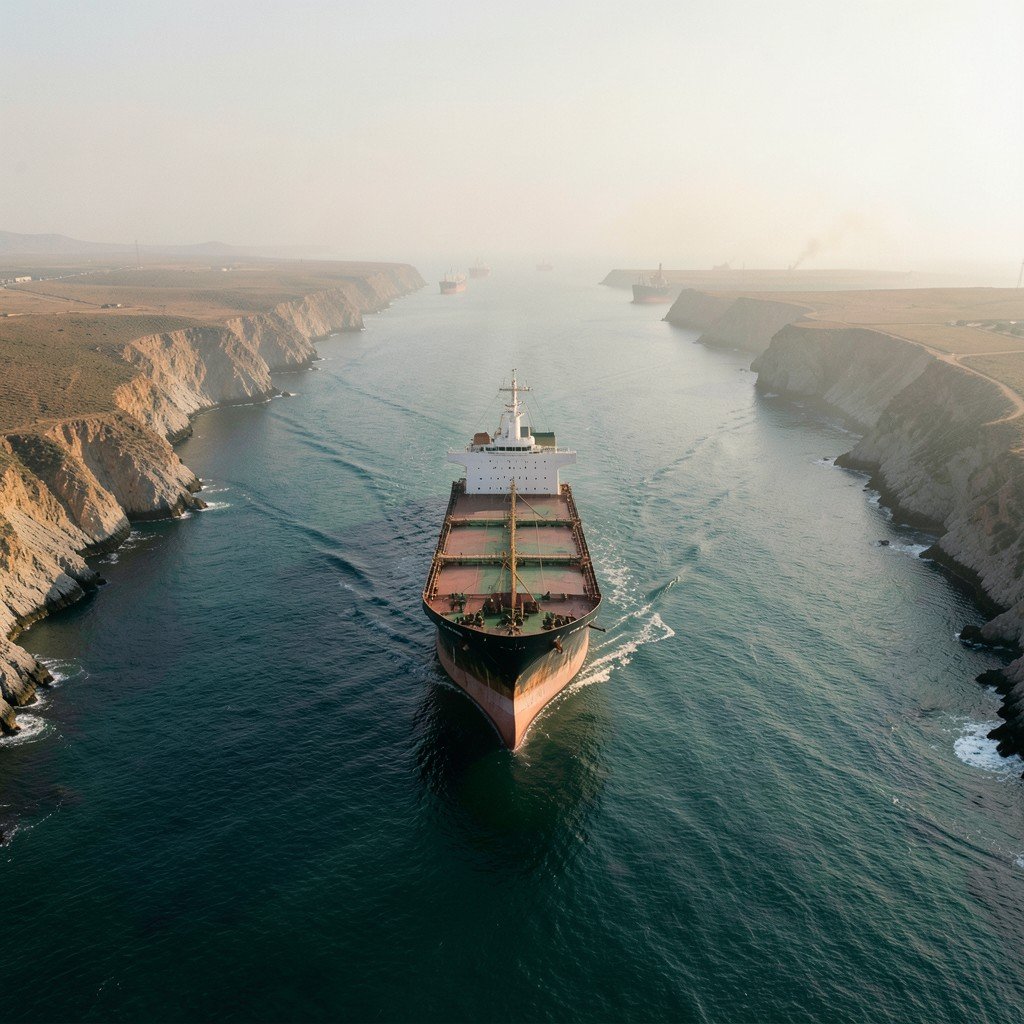
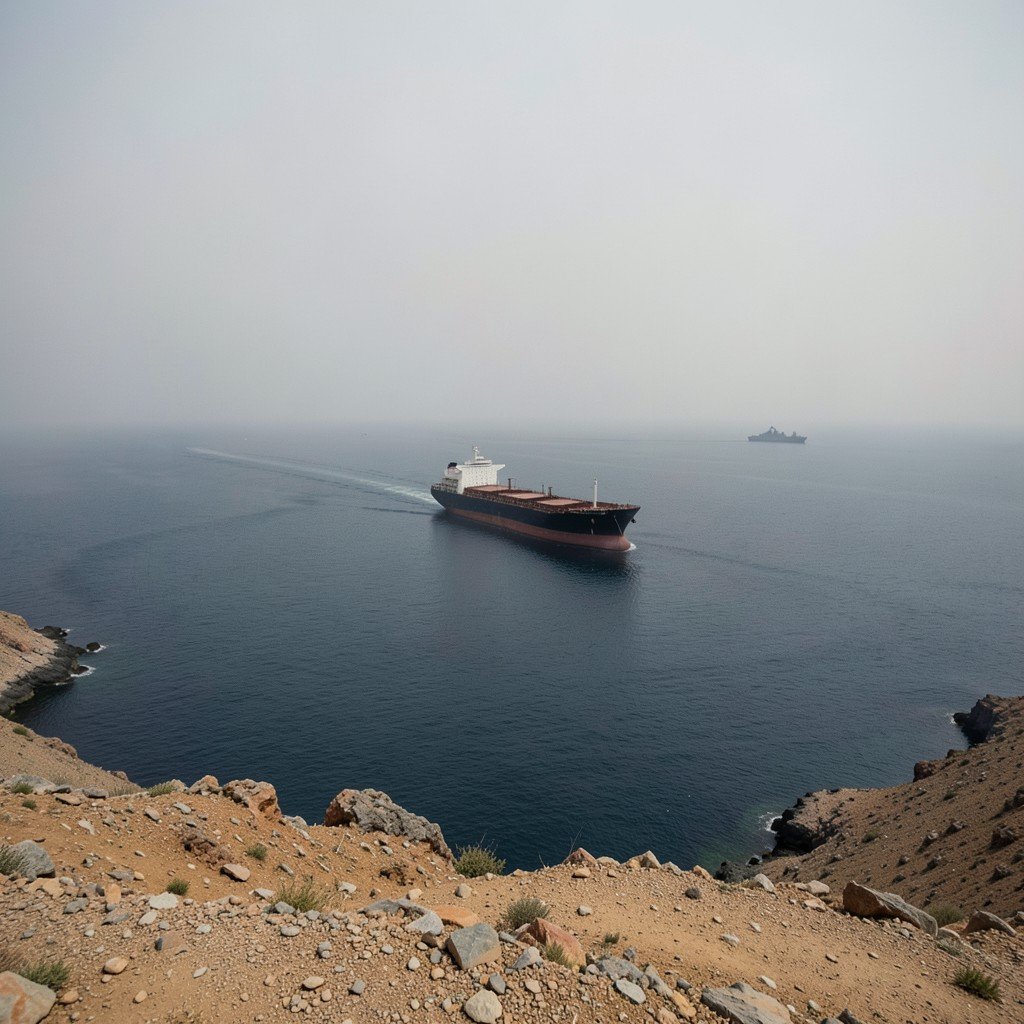
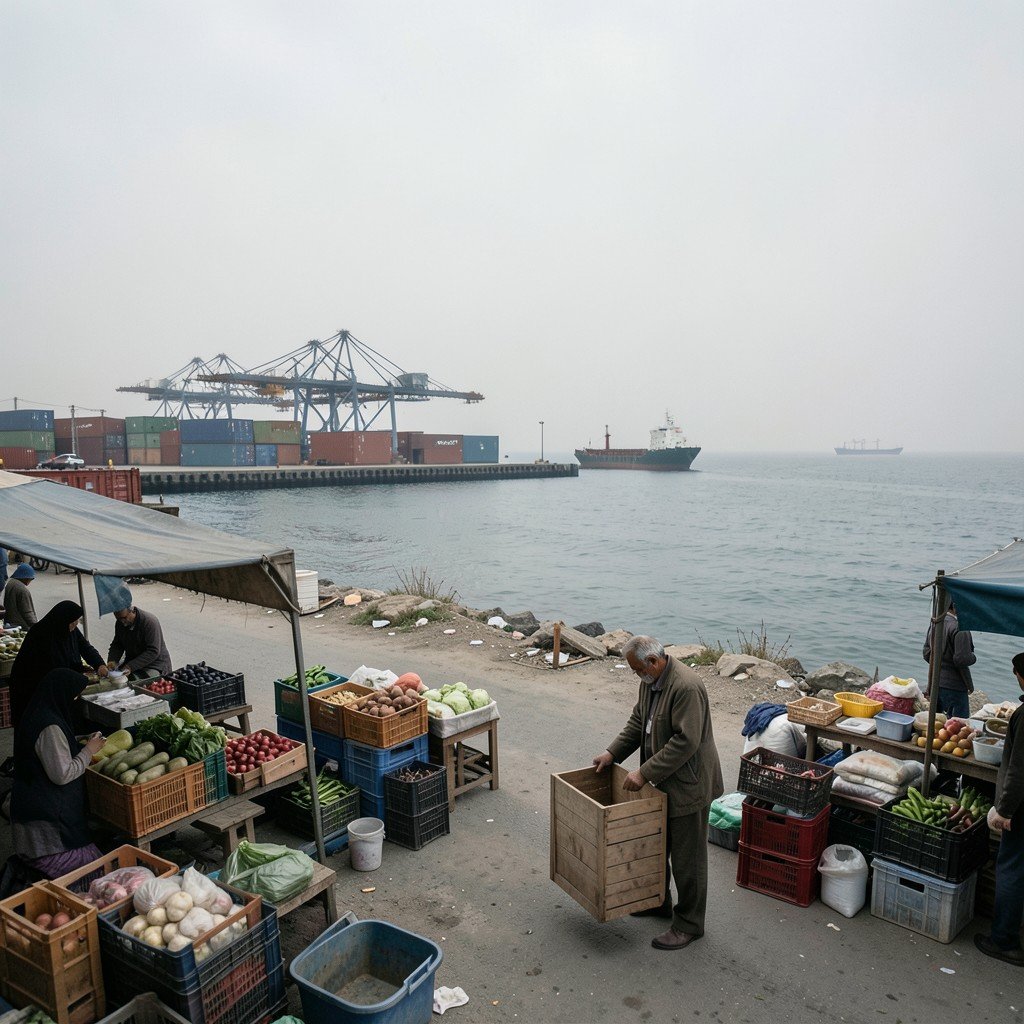
AI-generated representative image: A cargo tanker transits the Strait of Hormuz, the strategic waterway at the center of the US-Iran conflict's oil supply crisi
Editorial Team
Editorial Team
Hormuz oil crisis and nuclear standoff leave Washington and Tehran locked in a brutal deadlock

Six months after the United States and Israel launched missile strikes on Iran on February 28, killing Supreme Leader Ayatollah Ali Khamenei and other senior officials, the war has spread across multiple fronts, claimed an estimated 8,000 to 10,000 lives, and triggered a global oil supply crisis. President Donald Trump, who had predicted the conflict would last only "four to five weeks," now presides over a prolonged stalemate in which analysts say neither Washington nor Tehran has achieved its stated goals.

The war's consequences extend far beyond the battlefield. Control of the strategic Strait of Hormuz, through which more than one-fifth of the world's oil and natural gas transited before the fighting, has become a central point of leverage. The conflict is also realigning the global order, experts say, as new alliances form and dominant ones show signs of strain, with implications reaching as far as the Western Pacific.

Key Military and Strategic Developments

The United States entered the war with several stated objectives that remain largely unmet. Washington sought to eliminate Iran's nuclear programme, force regime change, end Tehran's support for regional proxy groups, and destroy Iran's ballistic missile capabilities and navy. Despite repeated strikes, Iran is believed to still hold 440kg of highly enriched uranium, its political leadership remains intact under new Supreme Leader Mojtaba Khamenei, and its "axis of resistance" network continues to operate. Trump has claimed about 82 percent of Iran's missiles are gone, yet Tehran has continued firing missiles, including a long-range strike in July that killed three US soldiers in Jordan.

Control of the Strait of Hormuz has emerged as the war's most consequential flashpoint. Iran effectively closed the narrow waterway early in the conflict, causing shipping traffic to slump from more than 100 ships per day to an average of about five. The US responded with a naval blockade on Iranian ports, which continues. This week Iran announced it had agreed to a shipping route with Oman, which it will partially control.
Origins of the Conflict

The war began on February 28 when the US and Israel launched missile strikes on Iran, killing Khamenei and several senior officials in Tehran, as well as scores of children at a school in Minab, southern Iran. Officials initially claimed the strikes were carried out in preemptive self-defence, though the stated objectives later shifted and at times contradicted each other. Trump had previously claimed the US "obliterated" Iran's nuclear capabilities during Israel's 12-day war on Iran in June 2025, yet Washington and Israel again asserted in February that Tehran was weeks away from developing a nuclear weapon.

A memorandum of understanding signed on June 17, in which Iran agreed not to pursue a nuclear weapon, unravelled due to vague wording and disagreements over its meaning. The demand to end Iran's ballistic missile programme was absent from the July MoU. Iran's leadership has framed the US threat as an "existential" one, while Washington's NATO allies have largely declined to join the fight, with Spain, Italy, Germany and France among those criticising the conflict.

Human and Economic Toll

The war has inflicted severe economic damage on both sides. Iran's currency, the rial, has effectively collapsed, food prices have surged, and the US blockade has cut oil revenue by at least $6bn. Foreign Minister Abbas Araghchi has dismissed the economic pressure as "a rerun we know by heart." On the American side, a July Associated Press poll found two-thirds of Americans oppose the conflict, with gasoline prices doubling in states like California and likely fueling a political backlash against Republicans in November's midterms.

Military losses tell a similarly grim story. The US has lost 18 soldiers with more than 750 wounded, while Iran has seen an estimated 1,221 military personnel killed by April, though the real toll is likely higher. US media reports suggest the Pentagon has severely depleted stockpiles of Patriot defence missiles, a claim Washington denies. In August, the US signed a $22.9bn deal with Raytheon to boost Tomahawk cruise missile production from 60 to more than 1,000 annually.

What Lies Ahead

Analysts agree there is no outright victor. Alam Saleh, a professor at the Australian National University, said the US has failed to translate military superiority into actual gains despite being a "superpower" fighting a "middle power." He also noted that Iran's survival does not make it a winner. China and Russia are likely observing Washington's vulnerabilities, particularly as the US has deployed its last aircraft carrier from the Pacific to the Middle East, leaving no carrier in the Western Pacific amid ongoing tensions over Taiwan.

MORE LIKE THIS

Comments (0)

Leave a comment

A verified Gmail account is required to post comments.

No comments yet. Be the first to share your thoughts!