US Iran Sanctions: Operation Economic Outcast Targets Trade Network
news

US Iran Sanctions: Operation Economic Outcast Targets Trade Network

By Editorial TeamAug 25, 2026 · 11:38 AM4 min read
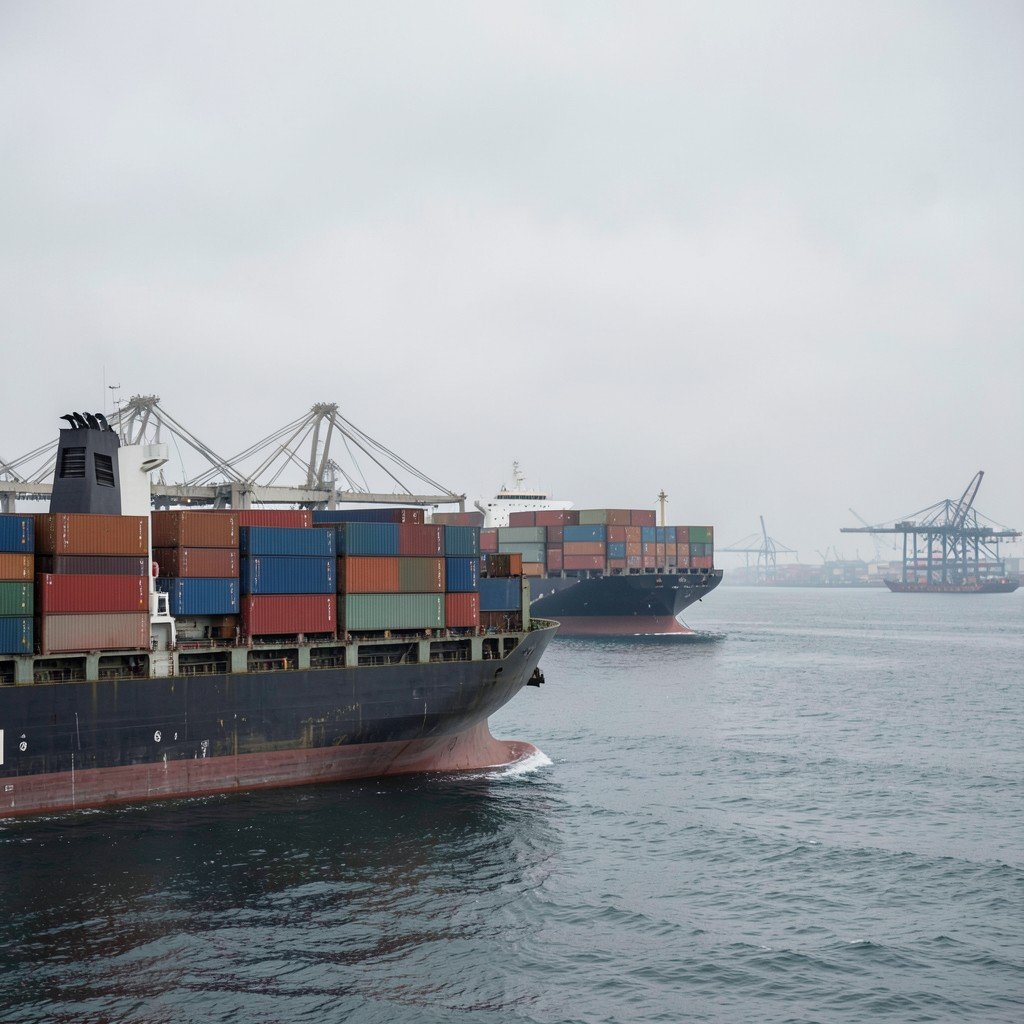
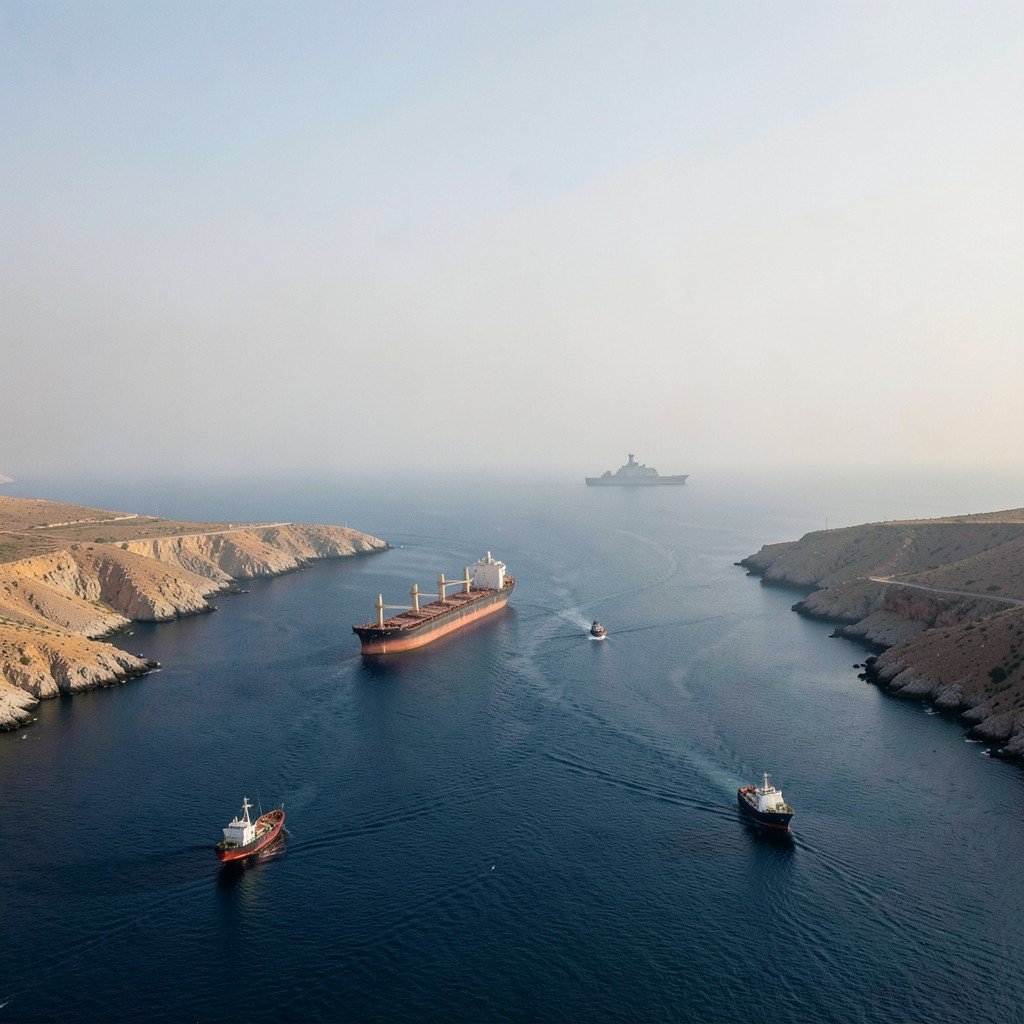
AI-generated representative image: A cargo ship at sea, illustrating the shipping trade targeted by expanded US sanctions on Iran.
Editorial Team
Editorial Team
Treasury designates nearly 60 entities, individuals and vessels to sever Tehran's economic lifelines

United States Treasury Secretary Scott Bessent has announced a sweeping new sanctions package against Iran under the name "Operation Economic Outcast," designating close to 60 entities, individuals and vessels while expanding secondary sanctions to cover shipping, gold, aviation, technology and digital assets.

Bessent said the objective was to sever every economic lifeline sustaining the government in Tehran until it stands alone, adding that President Donald Trump was personally telephoning world leaders with specific requests to halt their dealings with Iran, though he named no countries and set no deadline.

The new measures mark a significant escalation in Washington's long-running pressure campaign against Iran, which has spent much of the past two decades under Western sanctions. That sustained pressure has already reshaped Iran's economy, pushing it away from Europe and toward a narrowing group of Asian and regional partners.

Understanding who Iran actually trades with is central to assessing whether such isolation can succeed, since the country's most important commercial relationships now run through a small number of neighboring and Asian economies.

Scope of the New Sanctions

The sanctions package designates nearly 60 entities, individuals and vessels, while secondary sanctions have been widened to cover shipping, gold, aviation, technology and digital assets. Bessent described the campaign's goal as isolating Iran economically until it "stands alone."

According to official customs figures compiled by Trade Data Monitor, Iran exported roughly $56 billion worth of goods to at least 112 countries and territories in 2024. The same data shows Iran imported about $68.5 billion from at least 87 countries and territories during the same period.

Iran's Top Export Partners

Official customs figures, which exclude the unrecorded flows sustaining much of Iran's oil exports, reveal a heavily concentrated export base. China was Iran's largest buyer in 2024 at $14.58 billion, taking more than 80 percent of Iran's seaborne crude exports according to tanker-tracking analysts. Much of that oil is discounted and moved by shadow-fleet vessels, barely registering in either country's customs records.

Iraq ranked second at $11.7 billion, relying on Iranian gas for electricity generation and receiving direct electricity sales to southern provinces, along with food products, building materials and manufactured goods. The United Arab Emirates accounted for $7.16 billion, or 13 percent of Iran's exports, serving as a financial and re-export lifeline. Abu Dhabi imposed an indefinite trade embargo last week after accusing Iran of firing missiles at its territory, allegations Tehran has denied.

Turkiye received $6.1 billion in Iranian exports, including pipeline gas via the Tabriz-Ankara Pipeline, petrochemicals, food products and construction materials. Afghanistan followed at $2.3 billion, depending heavily on Iranian fuel, food, construction materials, ports and overland routes to reach wider markets.


Trade Data and Import Dependencies

The official customs figures compiled by Trade Data Monitor provide the clearest available picture of Iran's commercial relationships, though they exclude the shadow flows that sustain much of its oil exports. This limitation means the true scale of Iran's trade, particularly in energy, is likely higher than recorded figures suggest.

China's dominance is especially notable given that discounted Iranian crude moved by shadow-fleet vessels barely appears in either country's official customs records, underscoring the challenge Washington faces in enforcing sanctions against flows that already operate largely outside formal reporting channels.

What Happens Next

Bessent did not name specific countries or set a deadline for the diplomatic outreach, leaving the timeline and scope of enforcement uncertain. The effectiveness of Operation Economic Outcast will depend on whether Washington can persuade Iran's major partners, particularly China, Iraq, the UAE and Turkiye, to curtail their commercial ties.

Further details on the designated entities and any responses from Iran's trading partners have not yet been officially confirmed.

MORE LIKE THIS

Comments (0)

Leave a comment

A verified Gmail account is required to post comments.

No comments yet. Be the first to share your thoughts!