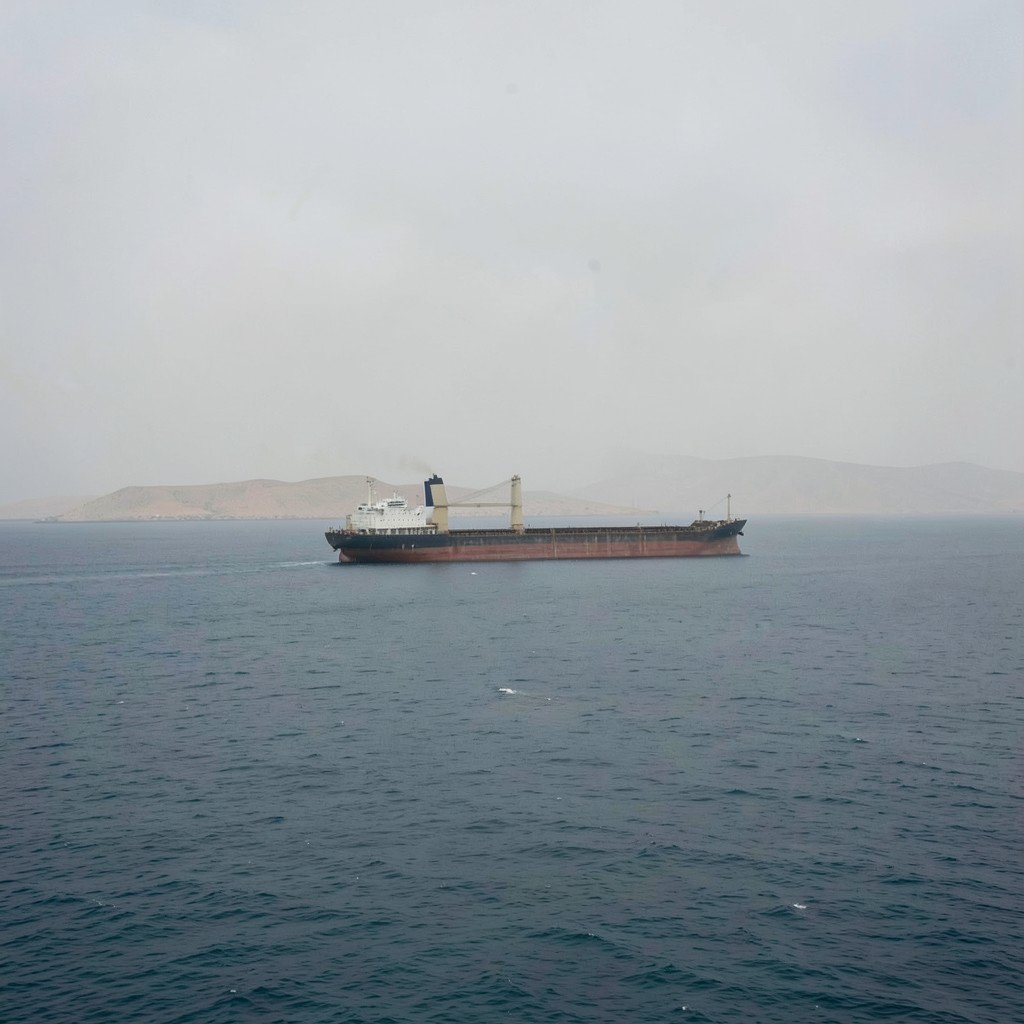


Iran Cyberattacks Target Critical Infrastructure Worldwide
news

Iran Cyberattacks Target Critical Infrastructure Worldwide

By Editorial TeamAug 25, 2026 · 11:38 AM3 min read
AI-generated representative image: A technician monitors water-system controls following reported cyberattacks on critical infrastructure.
Editorial Team
Editorial Team
How Iran-linked cyberwarfare against power and water systems is reshaping global security

A cyberattack that forced a British power plant offline for four days, reportedly carried out by Iran-linked hackers, is drawing attention to a widening threat against critical infrastructure worldwide. Although the facility was relatively small and the British government said there was no risk to the wider energy system, security analysts say the incident offers an early glimpse of how the Iran conflict could evolve.

The attacks matter because they move cyberwarfare beyond stealing data and into systems that control the physical world, including electricity, water and transport. For countries well beyond the Middle East, this development means infrastructure thousands of miles away can become a target based on the technology it uses, its suppliers or simply an attacker's opportunity to cause disruption.

Recent Attacks and Official Warnings

Water and wastewater systems across at least 12 US states have recently reported cyberattacks. More than 30 community water systems were affected in Minnesota alone, and in Georgia one incident caused a drop in water pressure that led to a boil-water advisory.

The US government has not publicly accused Iran of these attacks, but reports point to a hacker group linked to the Islamic Revolutionary Guard Corps (IRGC). US authorities have specifically warned about Iranian-affiliated actors targeting internet-connected programmable logic controllers, the industrial technology used to control physical equipment and processes. Agencies have identified activity across water, energy and government services, including attempts that resulted in operational disruption.
From Data Theft to Physical Disruption

For years, public discussion of cyberthreats focused on data. Hackers were understood to steal passwords, empty bank accounts, leak personal information or lock companies out of their systems. Critical infrastructure creates a different kind of risk because the systems under attack control parts of the physical world.

Modern societies depend on technology underneath essential services. Electricity must be generated and distributed, water must be pumped and treated, transport networks must operate and telecommunications must stay online. While that technology creates major efficiencies, it also creates opportunities for attackers. Analysts caution that the objective of every attack is not necessarily catastrophic damage; attackers may seek intelligence, disruption, publicity, leverage or simply to demonstrate that they can gain access.

Interconnected Systems and Resilience Gaps

Critical infrastructure does not operate in isolation. Energy supports communications, transport, healthcare, finance and industry, while communications underpin payments and emergency services. Water systems require power and digital controls. A successful attack therefore does not need to bring down an entire national system to create serious consequences if disruption spreads through interdependent organisations.

The FBI has already been advising affected US water utilities to practise reverting to manual controls if automated systems are compromised. This guidance acknowledges the reality facing operators: resilience ultimately requires the ability to keep the physical world working when technology fails.

What Comes Next

Governments and operators are being urged to review their exposure now, particularly where operational technology is accessible from the internet. Recommended steps include checking the security of suppliers and preparing for the possibility that an attacker succeeds despite existing defences. The core lesson, analysts say, is that cybersecurity is becoming about far more than protecting information and now forms part of protecting the vital systems that keep societies functioning.

MORE LIKE THIS

Comments (0)

Leave a comment

A verified Gmail account is required to post comments.

No comments yet. Be the first to share your thoughts!