Iran Military Recovery Shocks Israeli Defense Officials
news

Iran Military Recovery Shocks Israeli Defense Officials

By Editorial TeamAug 14, 2026 · 2:52 PM3 min read
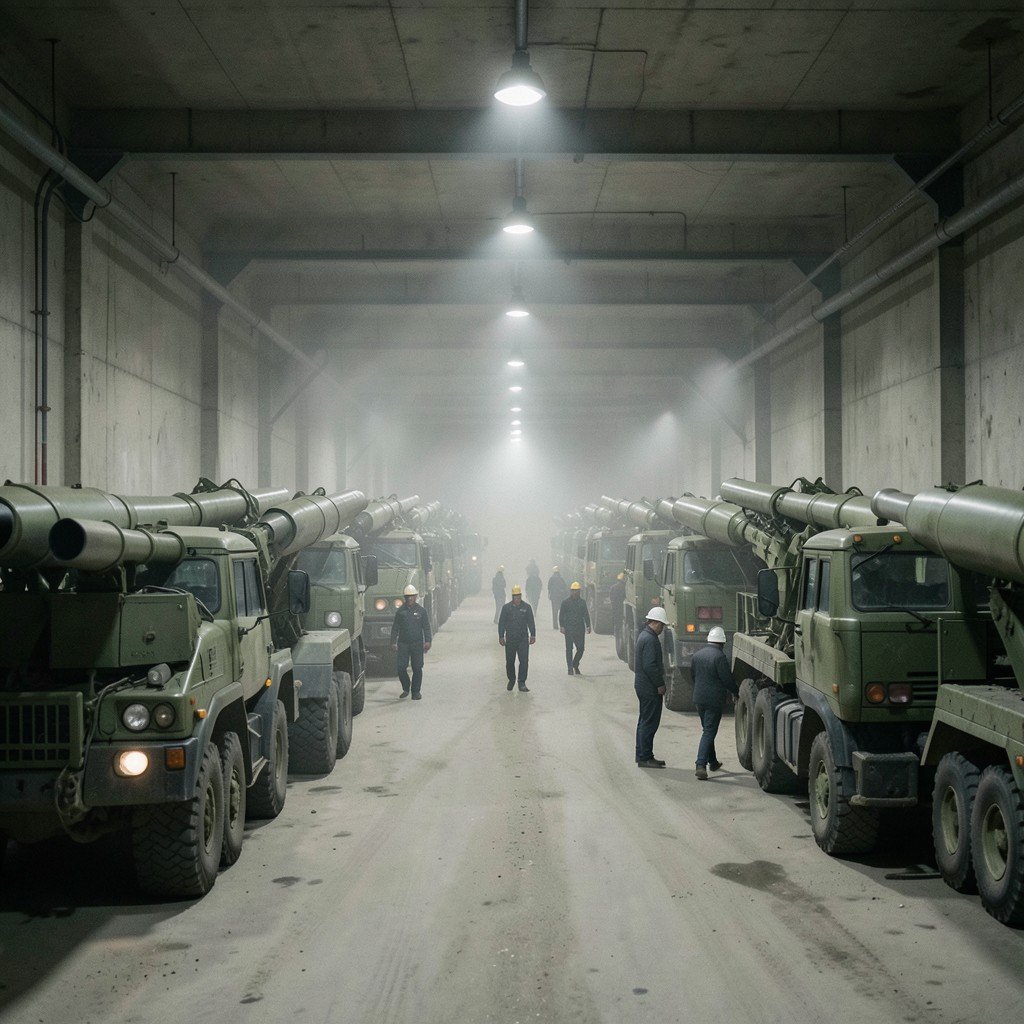
AI-generated representative image: An underground missile storage facility of the type cited in reports on Iran's military rebuilding.
Editorial Team
Editorial Team
IDF and Mossad underestimated Tehran's rapid missile and drone rebuilding

Israeli defense officials have been shocked by the rapid recovery of Iran's military capabilities following heavy bombardment by the United States and Israel in the opening stages of the conflict, according to a report by the Jerusalem Post. The Israel Defense Forces (IDF) and the Mossad intelligence agency now acknowledge they did not expect Tehran to restore its ballistic missile and weapons stockpiles so quickly.

The development carries significant strategic weight for Israel's long-term planning. If Iran sustains its current production pace, officials estimate it could become a prohibitive threat to Israel as early as 2028, a factor that is likely to influence decisions on whether and when another strike on Iran might be necessary.

Key Developments

  • The Jerusalem Post said it has independently confirmed that statements by senior Iranian officials about accelerated arms production are accurate.
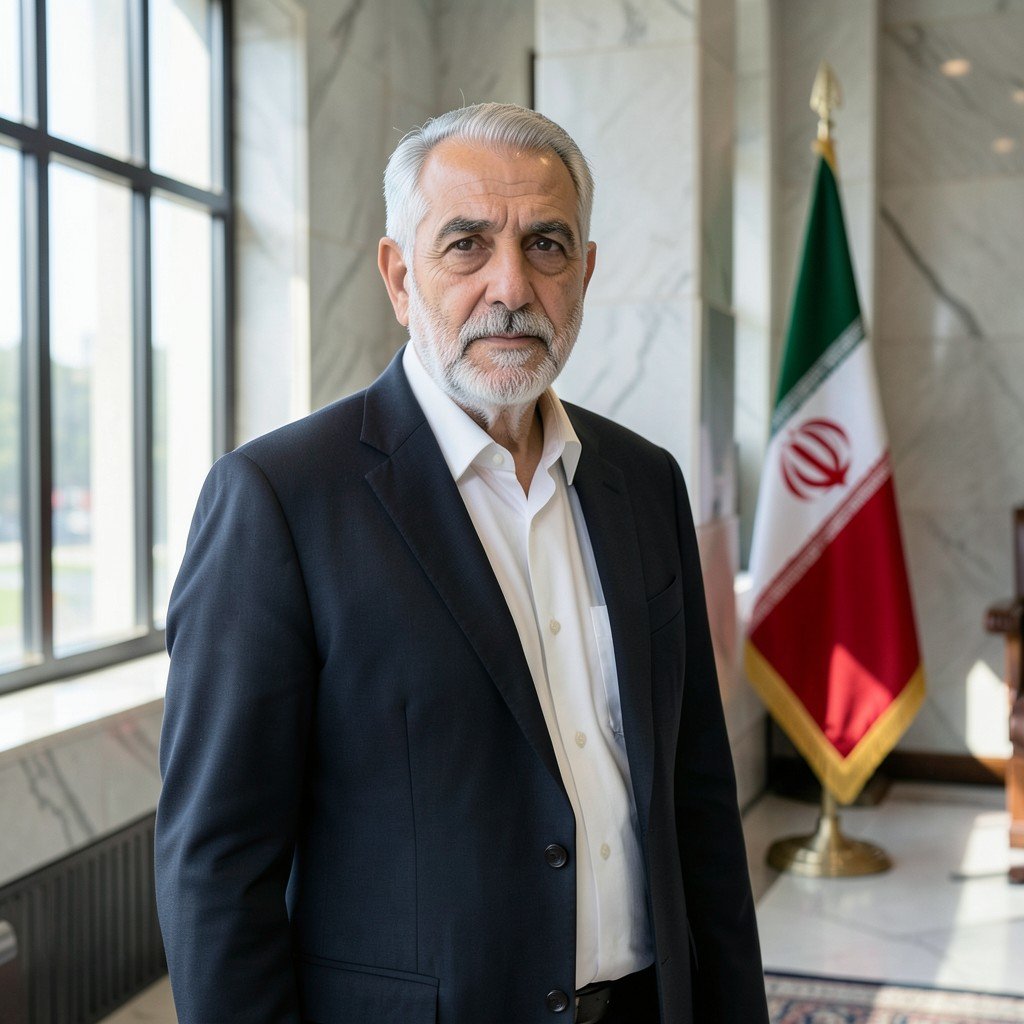
  • Brigadier General Mohammad-Reza Naqdi, a senior adviser to the Islamic Revolution Guards Corps (IRGC) chief commander, said Iran's output of ballistic missiles and drones exceeds the rate at which they are being deployed.
  • Iranian officials indicated the country could sustain missile production of between 100 and 300 missiles per month.
  • Israeli officials said Iran swiftly accessed underground missile sites affected by airstrikes and found other creative ways to rebuild its arsenal.

Background of the Conflict

The IDF has claimed for months that Iran's defense industry was set back years after US and Israeli forces attacked the country around 30,000 times, striking more than 2,600 missile and industrial military targets during the most intense phase of the conflict in late February and early April.

While Israel has refrained from military action against Iran since June, the broader standoff between Washington and Tehran continues, particularly over the Strait of Hormuz. The key waterway accounts for roughly a fifth of the world's oil and liquefied natural gas trade.


Official Statements and Traffic Data

When approached for comment, an Israeli military spokesperson said that "from the nature of the issues at hand, it is not in our ability to specify concrete evaluations regarding the pace of the [Iranian] rehabilitation because giving such specifics could expose IDF sources and methods." The spokesperson added that "the IDF will continue to analyze developments and to be prepared accordingly."

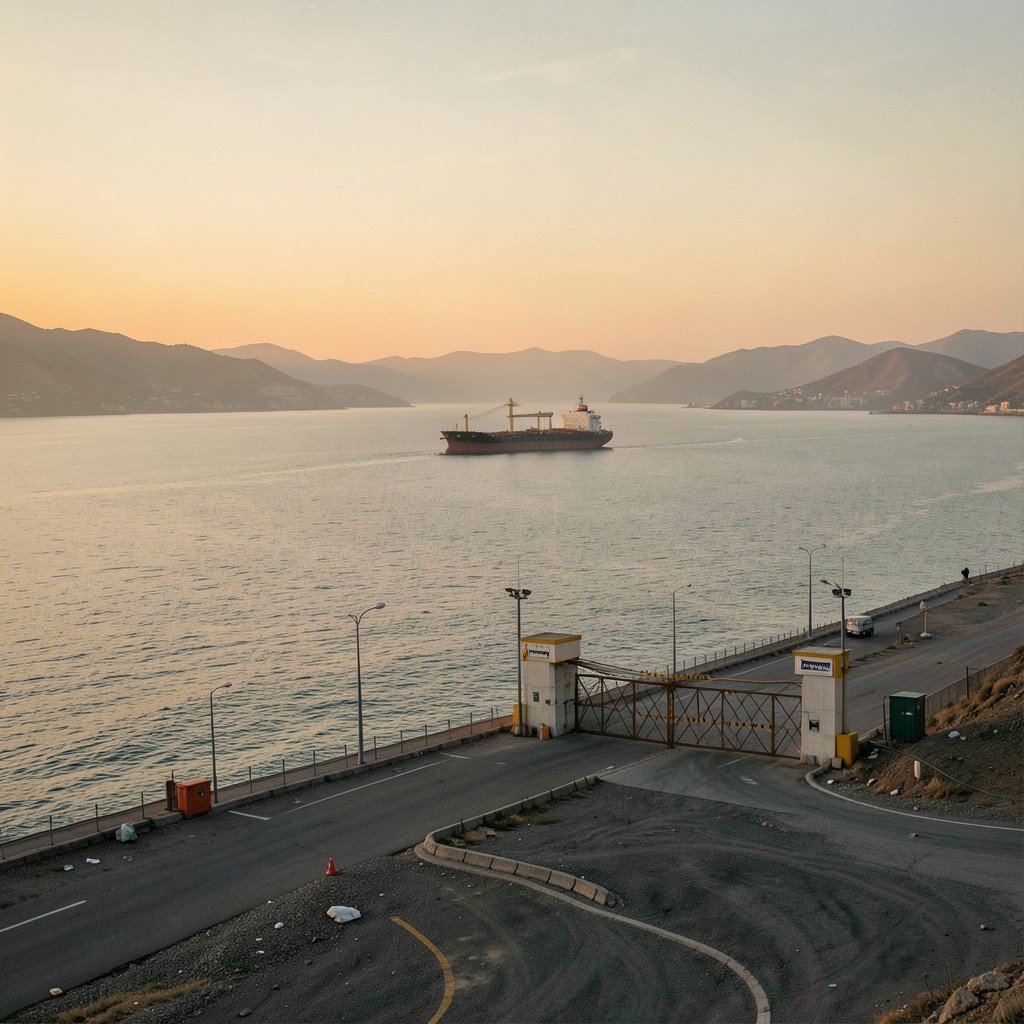
Meanwhile, traffic through the Strait of Hormuz has fallen to eight ships per day amid reports of more strikes on vessels, according to Reuters. Before the conflict, the waterway saw between 130 and 140 ships daily.

Current Status and Next Steps

US President Donald Trump said on Wednesday that the Americans had "total control" over the Strait of Hormuz. Tehran denied the claim the following day, stating that the waterway remains "under Iran's control and management" and will stay closed until the US changes its behavior. Additional information on any future Israeli military planning has not been officially confirmed.

MORE LIKE THIS

Comments (0)

Leave a comment

A verified Gmail account is required to post comments.

No comments yet. Be the first to share your thoughts!