

US Urges Israel to Honor Lebanon Withdrawal Commitments
news

US Urges Israel to Honor Lebanon Withdrawal Commitments

By Editorial TeamAug 13, 2026 · 3:27 PM3 min read
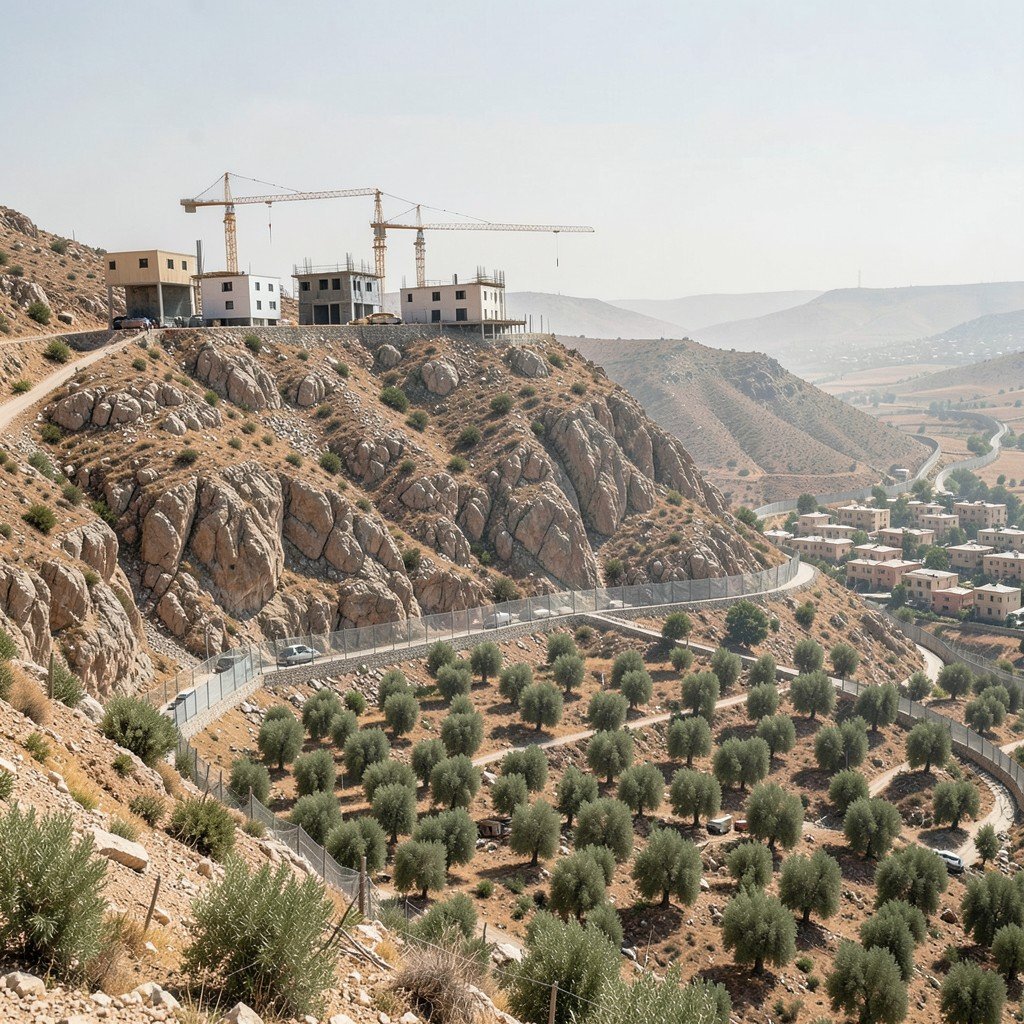
AI-generated representative image: A scene of Israeli military presence in a southern Lebanon village amid the ongoing withdrawal dispute.
Editorial Team
Editorial Team
Washington responds after Israel Katz declares forces will remain indefinitely in southern Lebanon security zones

The United States has called on Israel to honor its commitments under a US-brokered framework and withdraw its troops from southern Lebanon, after Israeli Defense Minister Israel Katz declared that Israeli forces were "here to stay" in occupied territory. The State Department made its position clear on Wednesday, stating that a permanent Israeli military presence in the area would contradict the agreement signed on June 26.

The dispute centers on whether Israel will abide by the terms of a framework under which it agreed to leave occupied southern Lebanon in exchange for the Lebanese government disarming Hezbollah and establishing its military as the sole armed group in the country. Katz's remarks signal a potential shift away from that commitment, raising the risk of prolonged occupation and undermining regional diplomatic efforts, including US-Iran peace talks.

Key Developments

During a visit to the occupied territory on Wednesday, Katz said he had instructed the Israel Defense Forces (IDF) to prepare for a long-term stay. "I have instructed the IDF to take all necessary steps to prepare for a long-term stay in the field," Katz said. "As the Prime Minister and I have clearly stated, we are not withdrawing from this security zone... under no circumstances will we withdraw."

In response, a State Department official said the United States expects all parties to act in accordance with the framework agreement, noting that Israel has stated it has no territorial aspirations in Lebanon. The official added that a permanent Israeli military presence would not align with the long-term peace and security of both countries.


Background of the Framework Agreement

The US-brokered framework signed on June 26 established the terms for Israel's withdrawal from southern Lebanon. Under the arrangement, Israel agreed to leave occupied territory in exchange for the Lebanese government disarming Hezbollah and consolidating its military as the sole armed group in Lebanon.

Israel currently occupies roughly 600 square kilometers of southern Lebanon, including some territory north of the Litani River. The occupation has resulted in the forced expulsion of more than 1.2 million Lebanese civilians, and the IDF has demolished dozens of villages in the area.

Israeli Prime Minister Benjamin Netanyahu has previously suggested that Israel could permanently annex certain areas of southern Lebanon. In a Fox News interview last month, Netanyahu claimed some Christian villages in Lebanon had asked to be annexed to Israel. More than a dozen local Christian leaders in southern Lebanon issued a statement calling those remarks "completely fabricated" and "unrelated to reality."

Official Statements and Regional Impact

The State Department official's remarks were conveyed to an Axios reporter, emphasizing that Washington expects all parties to comply with the framework they agreed upon. The official specifically stated that Israel has "clearly stated that it has no territorial aspirations in Lebanon," contrasting that position with Katz's declaration that forces would remain in security zones in Lebanon, Syria, and Gaza.

The occupation has also complicated US-Iran peace efforts. A July 17 memorandum of understanding agreed by Washington and Tehran reportedly called for the "immediate and permanent termination of military operations on all fronts, including in Lebanon," a clause that Israel has not heeded.

What Lies Ahead

Israel has not indicated any change in its military posture following the State Department's statement, and Katz has reaffirmed that Israeli forces will not withdraw from the security zone. The United States has publicly reiterated its expectation that all parties comply with the framework agreement. Whether Israel will adjust its position remains unconfirmed, and further diplomatic engagement is anticipated.

MORE LIKE THIS

Comments (0)

Leave a comment

A verified Gmail account is required to post comments.

No comments yet. Be the first to share your thoughts!