
North Korea Ballistic Missile Launch Ahead of US-South Korea Drills
news

North Korea Ballistic Missile Launch Ahead of US-South Korea Drills

By Editorial TeamAug 12, 2026 · 9:59 AM3 min read
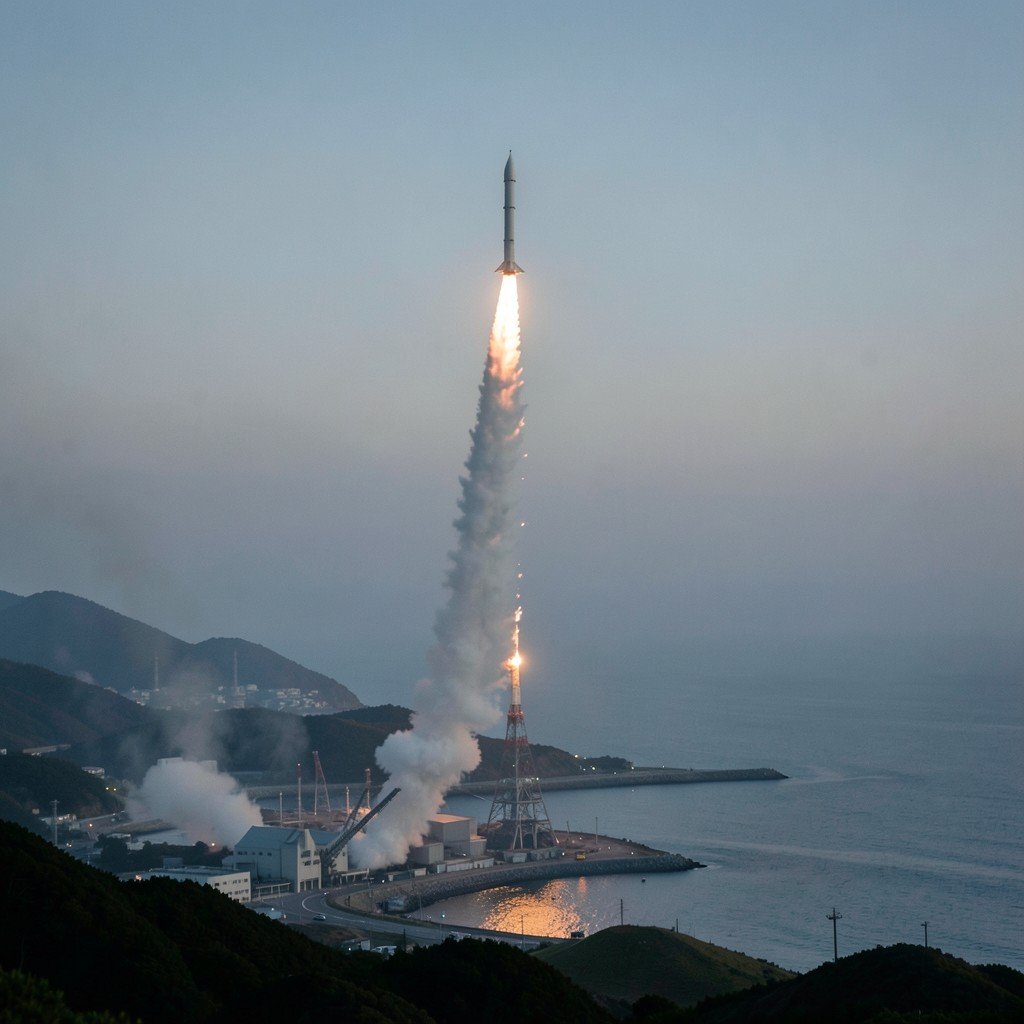
AI-generated representative image: A ballistic missile launches from the Wonsan area toward the Sea of Japan, reflecting North Korea's latest weapons test ahead
Editorial Team
Editorial Team
Pyongyang fires second missile in under a week as Seoul and Washington prepare for Ulchi Freedom Shield exercises starting August 17

North Korea launched a ballistic missile toward the Sea of Japan early Wednesday morning, according to military authorities in Seoul and Tokyo, marking Pyongyang's second weapons test in less than a week and its 11th suspected ballistic missile launch of 2026.

The projectile was fired from the Wonsan area around 6:00 am local time and traveled more than 700 kilometers before falling into the sea, South Korea's Joint Chiefs of Staff confirmed. The launch occurred just days before South Korea and the United States are scheduled to begin their annual Ulchi Freedom Shield joint military exercises.

The timing underscores Pyongyang's longstanding pattern of responding to allied military drills with weapons demonstrations. The upcoming 11-day exercise, involving 18,000 South Korean troops alongside US forces, has historically drawn sharp condemnation from North Korea, which views such training as invasion rehearsals despite repeated assurances from Seoul and Washington that the drills are purely defensive.

Launch Details and Allied Response

South Korea's Joint Chiefs of Staff reported detecting the ballistic missile launched from the Wonsan area toward the East Sea, also known as the Sea of Japan. The missile flew more than 700 kilometers (435 miles) before impact. Japan's Defence Ministry confirmed via social media that the suspected ballistic missile had "already fallen," without disclosing additional information.

In response, South Korea's military said it has heightened its surveillance posture and is actively sharing information about the launch with both Washington and Tokyo. The launch follows a short-range ballistic missile test from the same Wonsan area on August 6, which had been Pyongyang's first ballistic weapons testing activity since late June.

Pattern of Provocation Around Allied Drills

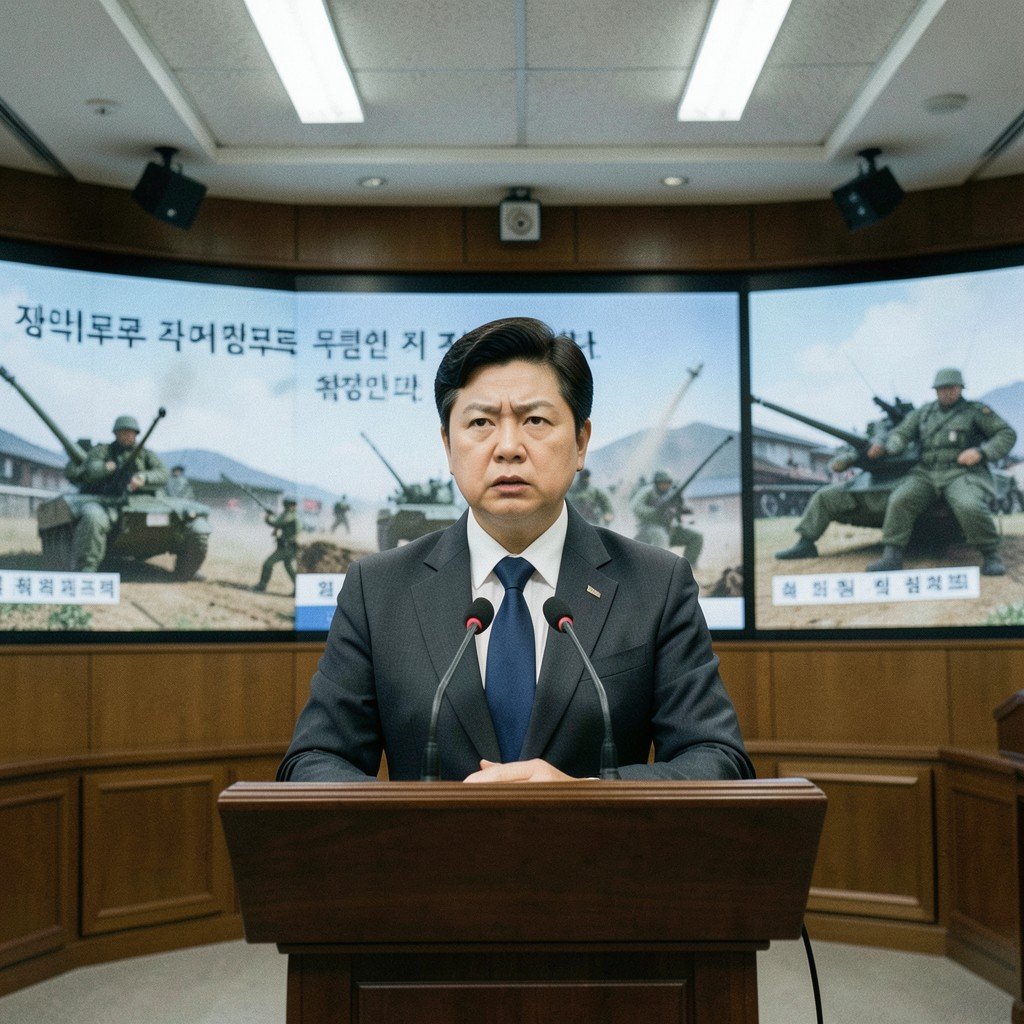
North Korea has consistently used weapons tests and harsh rhetoric to respond to joint US-South Korea military exercises. The Ulchi Freedom Shield drills, set to begin Monday and continue for 11 days, are annual events that Pyongyang routinely denounces as preparations for invasion. Seoul and Washington maintain the training is defensive in nature.

Lim Eul-chul, a North Korea expert at Kyungnam University, told AFP that Pyongyang has never allowed a South Korea-US joint military exercise to pass without a response. "This is a message that Pyongyang is closely watching the upcoming drills and could stage a provocation if it deems one necessary," Lim said.

The launch represents the 11th suspected ballistic missile test by North Korea in 2026, according to South Korean assessments. North Korea did not officially confirm the reported launch.

Escalating Rhetoric Against Tokyo

Beyond the missile launch, Pyongyang has intensified its criticism of Japan's defense policy, issuing statements at least seven times since July. On Tuesday, just one day before the launch, North Korean state media condemned Japan's latest defense white paper as a "re-invasion-minded" document. The statement accused Tokyo of groundlessly describing Pyongyang as the greatest strategic challenge in order to "justify its reckless arms buildup."

North Korea has separately faced international accusations of playing a more active role in supporting Russia's ongoing invasion of Ukraine, adding another layer of tension to the regional security landscape.

What Comes Next

The Ulchi Freedom Shield exercises are scheduled to commence on August 17 and run for 11 days, with approximately 18,000 South Korean soldiers participating at a scale comparable to previous years. South Korea's military remains on heightened surveillance, and trilateral information-sharing with the United States and Japan continues. Whether Pyongyang will escalate its weapons testing during the allied drills remains uncertain, though analysts suggest further provocations are likely given North Korea's established pattern of responding to joint military exercises.

MORE LIKE THIS

Comments (0)

Leave a comment

A verified Gmail account is required to post comments.

No comments yet. Be the first to share your thoughts!