

Iran Ramps Up Missile and Drone Production During Ceasefire
news

Iran Ramps Up Missile and Drone Production During Ceasefire

By Editorial TeamAug 4, 2026 · 8:40 PM4 min read
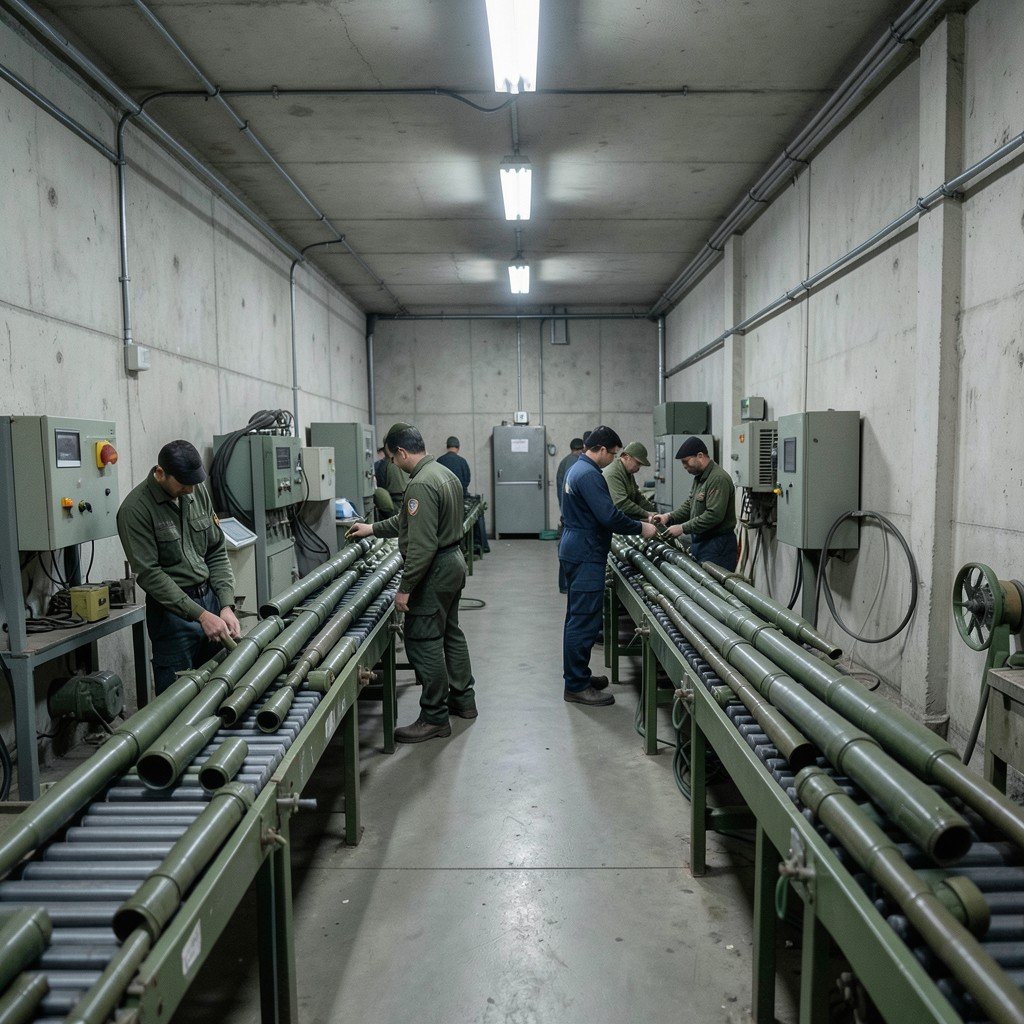
AI-generated representative image: Iranian missile production reportedly expanded during the ceasefire period as military authorities confirmed increased manufa
Editorial Team
Editorial Team
Tehran warns of readiness to resume war with the United States as military output surges and regional tensions escalate

Iranian military authorities have declared they are prepared to resume hostilities with the United States if diplomatic negotiations collapse, revealing that the Islamic Republic has used the ongoing ceasefire to significantly expand missile and drone production, repair damaged systems, and improve weapons accuracy.

Army spokesman Brigadier General Mohammad Akraminia told state television this week that Iran made "maximum use" of the now-suspended memorandum of understanding signed with Washington in June, while acting Defence Minister Majid Ebn-e Reza confirmed drone production has tripled compared to pre-war levels.

The disclosures underscore Iran's dual-track strategy of pursuing negotiations through Oman and other mediators while simultaneously rebuilding military capacity degraded by months of US and Israeli strikes. With Washington signalling a potential agreement over the Strait of Hormuz may be close, and President Donald Trump renewing demands for either a deal or "total surrender," the military buildup strengthens Tehran's bargaining position and signals its capacity to sustain prolonged asymmetric warfare if talks fail.

Military Expansion During the Truce

Akraminia outlined a broad programme of military recovery and expansion undertaken during the ceasefire period. Efforts included inducting existing equipment into the armed forces, importing new systems, repairing and recovering damaged platforms, and manufacturing new ones. The brigadier general also confirmed that new-generation drones have been deployed in combat, with technical specifications to be announced at a later date.

IRGC spokesman Hossein Mohebbi reported late last month that missile production increased during the ceasefire and that accuracy had been enhanced using battlefield knowledge. The IRGC has not disclosed current stockpile figures or the extent of damage sustained by domestic arms production facilities and air defence systems.

Former senior IRGC commander Hossein Kanani Moghaddam stated that improved missile range and warhead destructive power, combined with stockpiles in underground facilities, have been key factors in Trump repeatedly calling off larger strikes against Iran.
War Timeline and Ceasefire Origins

The US-Israel military campaign against Iran began on February 28, with thousands of sorties conducted inside Iranian airspace by manned and unmanned aircraft operated by the US, Israel, and several regional countries. Iran's air defences have been degraded over five months of operations, though the IRGC and army have reported intercepting cruise missiles, MQ-9 and MQ-1 combat drones, and US Army "Lucas" one-way attack drones across southern Iran.

US media reports from June estimated Iran retained roughly 70 percent of its pre-war missile stockpile and about 40 percent of its drone arsenal. A memorandum of understanding signed that same month was suspended after it faltered, though diplomatic channels through Oman have remained active. The Trump administration has repeatedly cycled between threatening strikes on civilian infrastructure, including power plants and petrochemical facilities, and abruptly cancelling them while raising the prospect of a negotiated settlement.

Regional Flashpoints and Shipping Attacks

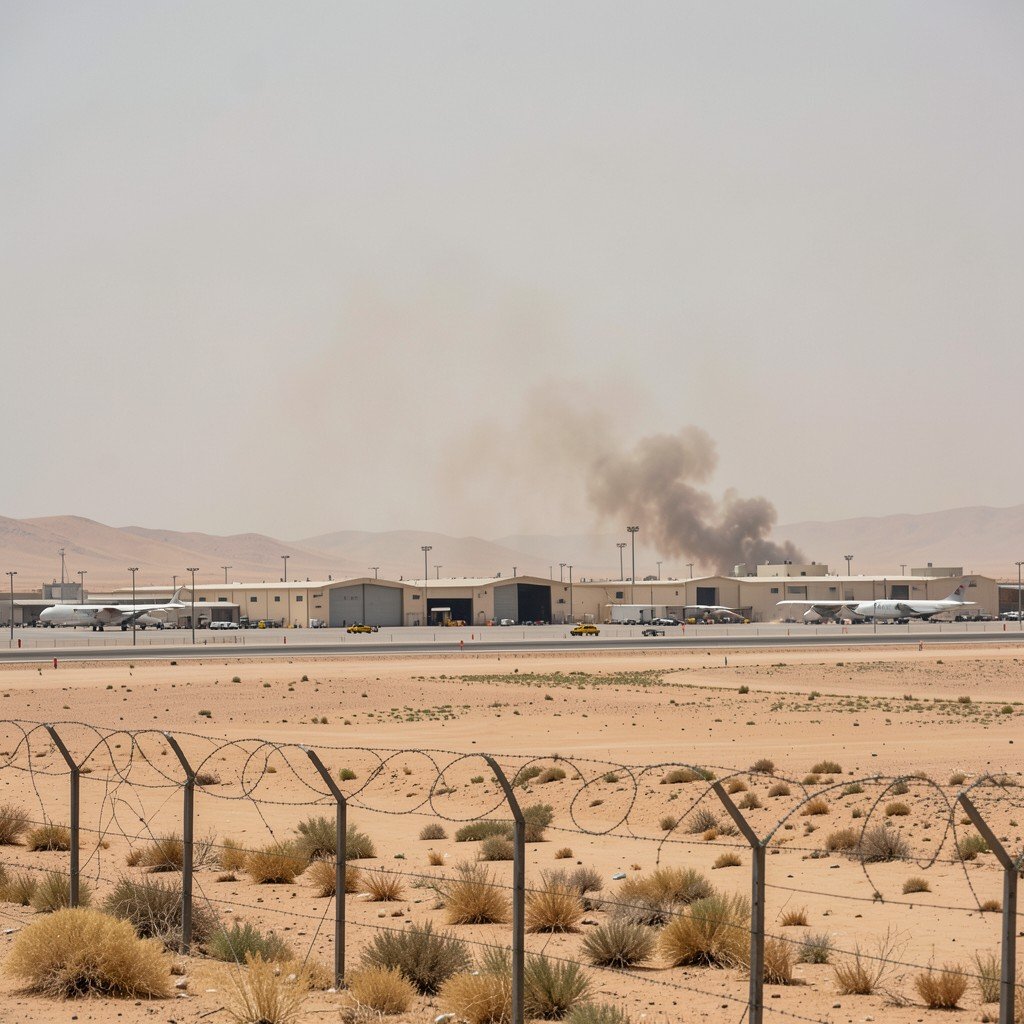
Despite the US pause on direct strikes, regional tensions have continued to escalate. Iran-aligned Houthi forces in Yemen claimed a successful drone attack on Najran Airport in Saudi Arabia on Tuesday, citing Saudi drone activity in Yemen's Saada and Hajjah governorates. An India-flagged cargo vessel was struck by an explosives-laden boat and began sinking approximately 13 nautical miles north of Hodeidah in the Red Sea; all 14 crew members were safely rescued, according to New Delhi.

Overnight explosions and a fire were observed in Kuwait near the Iraqi border, with unconfirmed reports suggesting Iranian drones struck a US military base. Kuwaiti authorities, US Central Command, and the IRGC have not issued official comments. On Monday, a Liberian-flagged bulk carrier sustained engine room damage from an unidentified projectile 20 nautical miles northeast of Khasab, Oman.

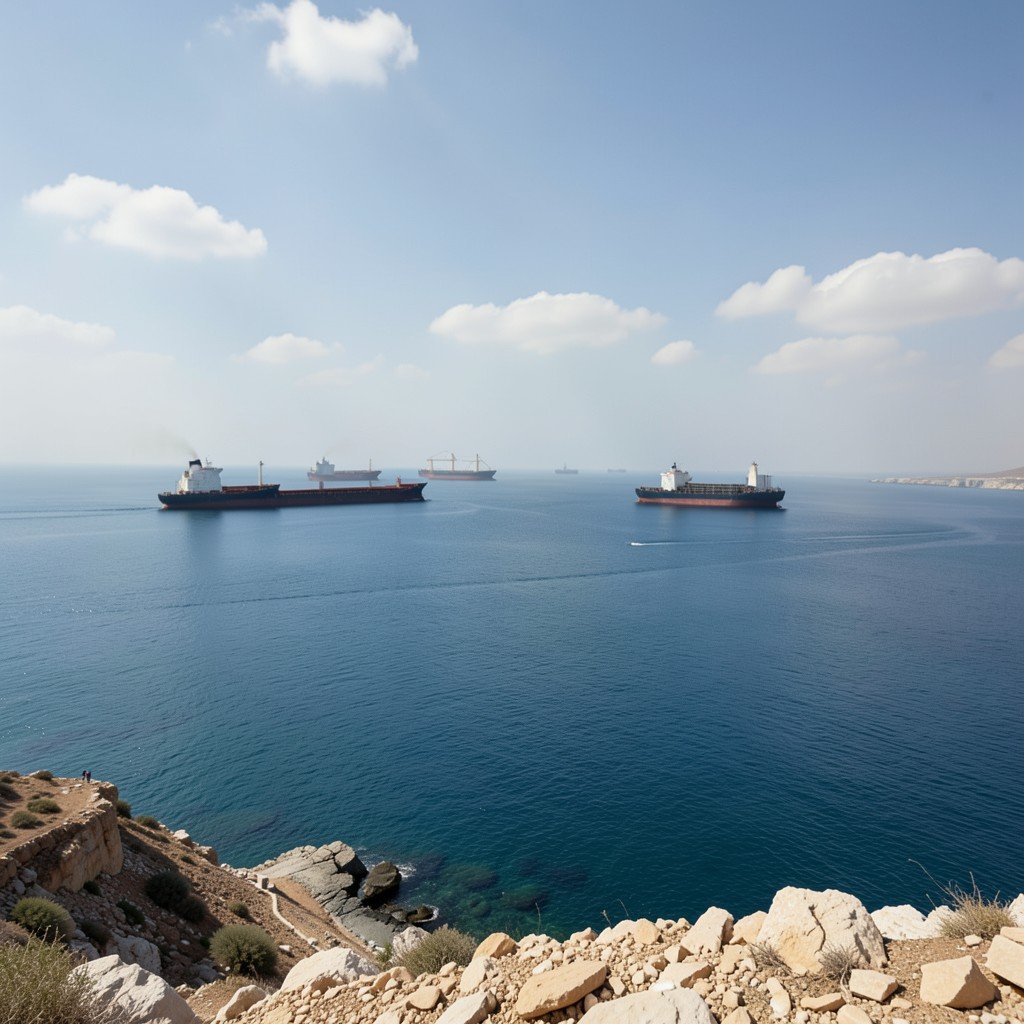
In the Strait of Hormuz, the IRGC has intercepted or turned back additional vessels since the June MoU collapsed, though some have been permitted passage. Iraq's Oil Ministry confirmed on Tuesday that tankers carrying Iraqi crude transited the northern route through Iranian territorial waters following coordination with Tehran.

What Lies Ahead

Negotiations continue through Omani and other intermediaries, with Washington indicating a Strait of Hormuz agreement may be imminent. However, Iran's military leadership has made clear that production and recovery operations have not paused. Kanani Moghaddam warned that even a US ground assault temporarily occupying southern Iranian islands would prove costly and would not permanently reopen the strait, asserting Iran's missile manufacturing capabilities are geographically dispersed beyond the reach of airstrikes. No official confirmation has emerged regarding the reported shipment of up to 400 Chinese-made shoulder-fired air defence systems, which both China and Pakistan have denied.

MORE LIKE THIS

Comments (0)

Leave a comment

A verified Gmail account is required to post comments.

No comments yet. Be the first to share your thoughts!