
Board of Peace: No Israeli Gaza Withdrawal Until Hamas Disarmament
news

Board of Peace: No Israeli Gaza Withdrawal Until Hamas Disarmament

By Editorial TeamAug 4, 2026 · 10:31 AM3 min read
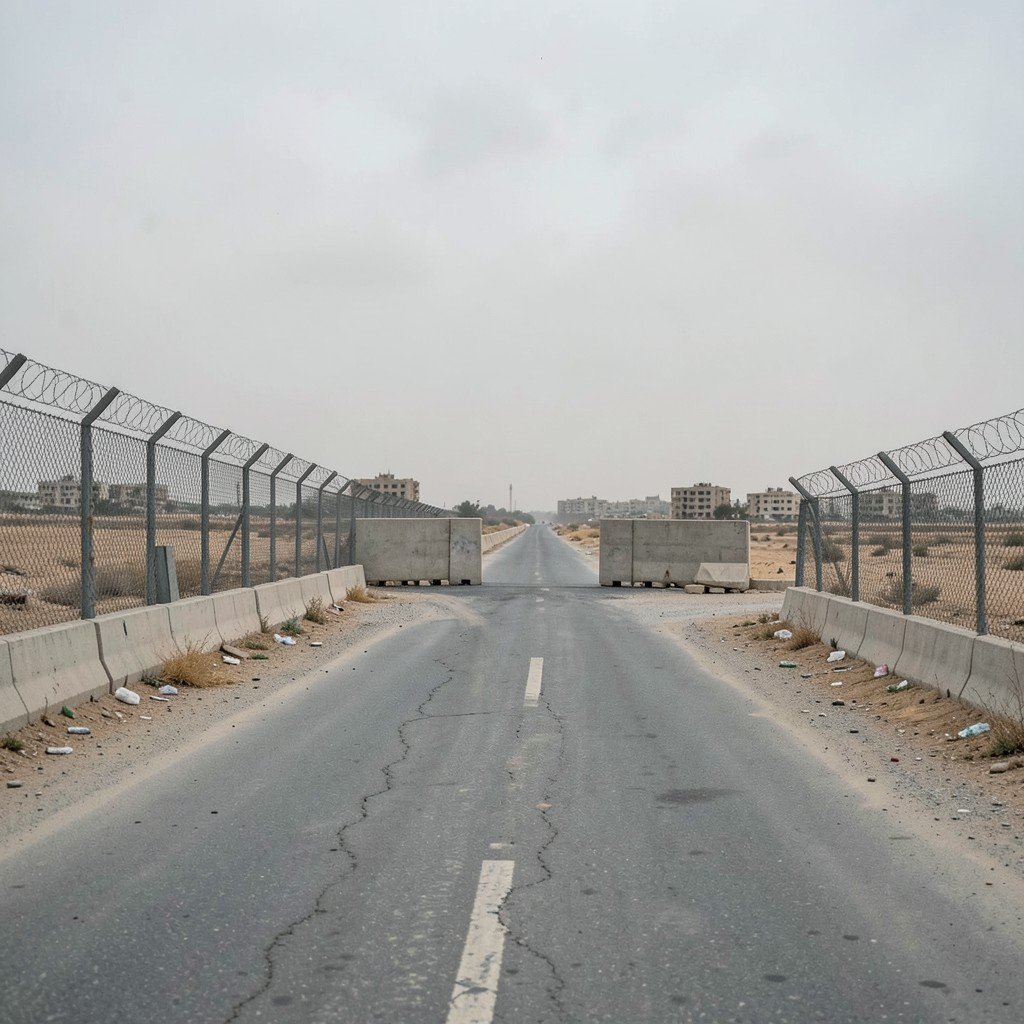
AI-generated representative image: The Gaza border barrier stands under overcast skies, symbolizing the stalled Israeli withdrawal amid ongoing ceasefire and di
Editorial Team
Editorial Team
US-led body confirms Israeli forces stay beyond the Yellow Line pending full weapons and tunnel decommissioning

The US-led Board of Peace has declared that Israeli forces will not withdraw from Gaza until Hamas completes its full disarmament, following a meeting between the body's director Nickolay Mladenov and Israeli Prime Minister Benjamin Netanyahu in West Jerusalem on Monday. The statement directly links any Israeli military pullback beyond the so-called Yellow Line to the decommissioning of light weapons, heavy weapons, and tunnels.

The clarification comes amid growing friction over the disarmament deal announced by US President Donald Trump last Thursday, with Israeli politicians publicly signaling resistance and Hamas insisting Israel must first uphold its own commitments. The standoff threatens to unravel an agreement that was intended to move Gaza toward civilian governance after more than two years of devastating war.

Key Developments

The Board of Peace issued an unequivocal statement after the West Jerusalem talks: "Contrary to inaccurate reports, we note that the withdrawal of the [Israeli military] beyond the Yellow Line will take place only once decommissioning is complete, as Hamas committed to the mediators." The body, established by Trump in January to oversee Gaza's post-war administration, stressed that "the goal is clear and is not in question: the complete decommissioning of weapons in the Strip and the transition away from rule by the gun to civilian governance."

During the meeting, Mladenov urged Netanyahu to halt ongoing attacks on Gaza, according to two sources familiar with the discussions who spoke to The Associated Press. Israel has refused to stop military operations despite an October 2025 ceasefire, killing more than 1,200 Palestinians since that agreement took effect, including over 36 after the disarmament deal was announced last week.

Background of the Conflict and Ceasefire

The Board of Peace was created by President Trump in January to administer Gaza following Israel's war, which began in October 2023 and has resulted in more than 73,000 Palestinian deaths. The "Yellow Line" refers to the demarcation zone behind which Israeli forces maintain positions inside Gaza.

An October 2025 ceasefire was meant to halt hostilities, but Israel has repeatedly been accused of flouting agreements and showing unwillingness to make concessions during negotiations. The current disarmament deal was mediated by Egypt, Qatar, and Turkiye. The latest disputes surface months before an Israeli election, with the government under domestic pressure to demonstrate it has achieved total victory in Gaza.

Israeli Political Resistance and International Condemnation

Even before Monday's meeting, Netanyahu's office stated that the publicly released version of the agreement "does not reflect Israel's positions" and confirmed that concerns had been shared with Washington. Finance Minister Bezalel Smotrich, a key figure in Netanyahu's far-right coalition, described the deal as "completely different" from what the government had approved and demanded an immediate new vote.

Egypt, Qatar, and Turkiye issued a joint statement condemning Israel's targeting of civilians and healthcare facilities as a "flagrant violation of international law." Mladenov, without naming Israel directly, criticized the weekend strikes, writing: "Achieving a lasting peace is hard but achievable if everyone makes their best efforts."

What Lies Ahead

Hamas has stated that it and other Palestinian factions remain committed to completing the second phase of the ceasefire and are awaiting a clear, official response from Mladenov and the mediators. The group maintains that the deal cannot proceed unless Israel implements its own obligations. With the Israeli government facing internal dissent and electoral pressure, and mediators pushing for de-escalation, the path forward remains uncertain.

MORE LIKE THIS

Comments (0)

Leave a comment

A verified Gmail account is required to post comments.

No comments yet. Be the first to share your thoughts!