
Trump Accuses Iran of Duplicity as Naval Blockade Tightens Hormuz
news

Trump Accuses Iran of Duplicity as Naval Blockade Tightens Hormuz

By Editorial TeamAug 3, 2026 · 9:23 PM4 min read
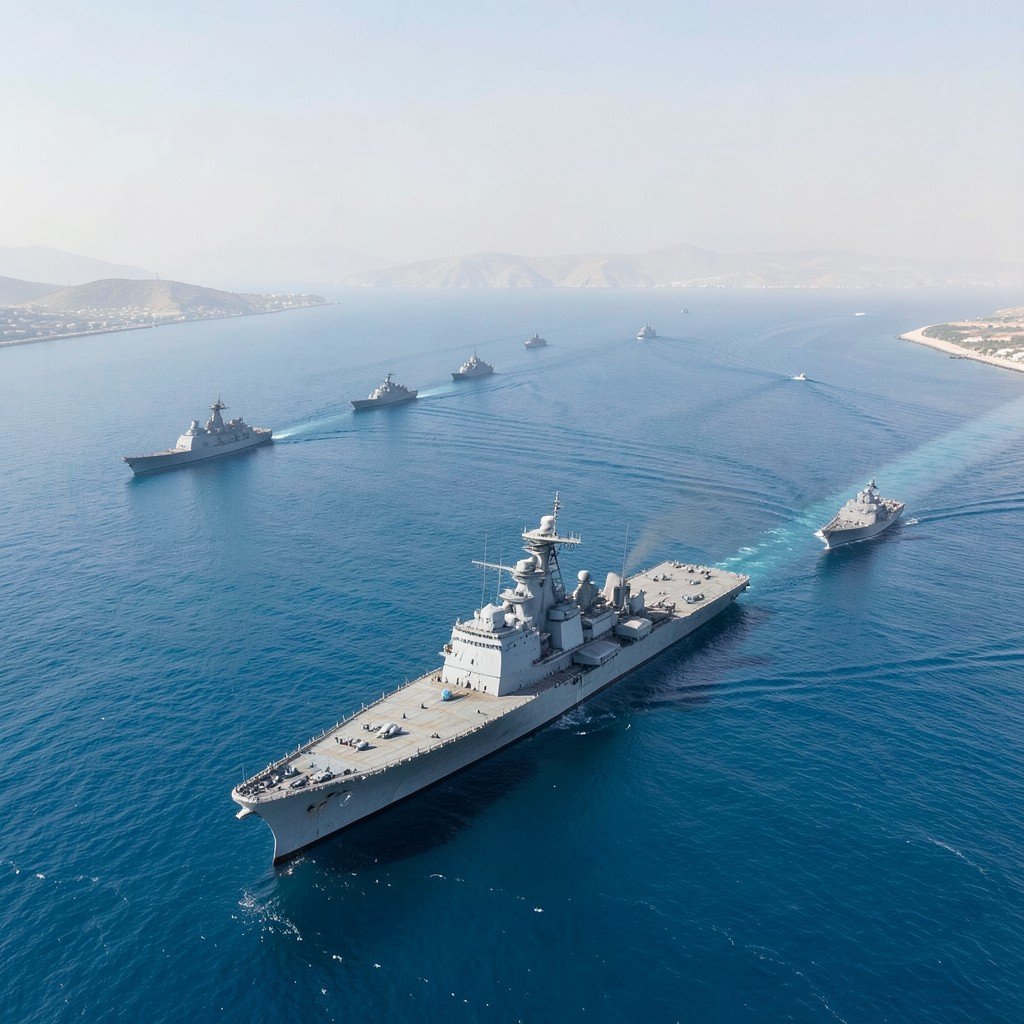
AI-generated representative image: US naval vessels maintain a blockade across the Strait of Hormuz amid rising tensions with Iran.
Editorial Team
Editorial Team
US president demands total surrender while Tehran pursues backchannel diplomacy through Oman and Pakistan

President Donald Trump accused Iran's leadership of being "unbelievably duplicitous" on Monday, claiming Tehran had requested talks to end the months-long conflict only to publicly deny any direct negotiations with Washington. The accusation came as the United States maintained a naval blockade described by Trump as a "Wall of Steel" across the Strait of Hormuz, the strategic waterway through which roughly one-fifth of global oil and natural gas trade flowed before hostilities began in February.

The escalating war of words threatens to derail fragile diplomatic efforts that had raised hopes of de-escalation over the weekend. Trump had signaled he was stepping back from authorizing what he called "the biggest attack since World War II" after appeals from Gulf allies and Iranian intermediaries. The renewed tension underscores the volatility of a conflict that has already seen US strikes on Iran, Iranian retaliation against American military assets, and the effective closure of one of the world's most critical energy corridors.

Diplomatic Confusion Deepens

Trump posted on Truth Social that Iran had backtracked on negotiations, stating "they're only dealing with 'Oman'" while issuing "their usual blather" about controlling the Strait of Hormuz. He declared that "nothing gets through to Iran, unless we want it to, and nothing will get through, unless a Deal, or Total Surrender, is accomplished."

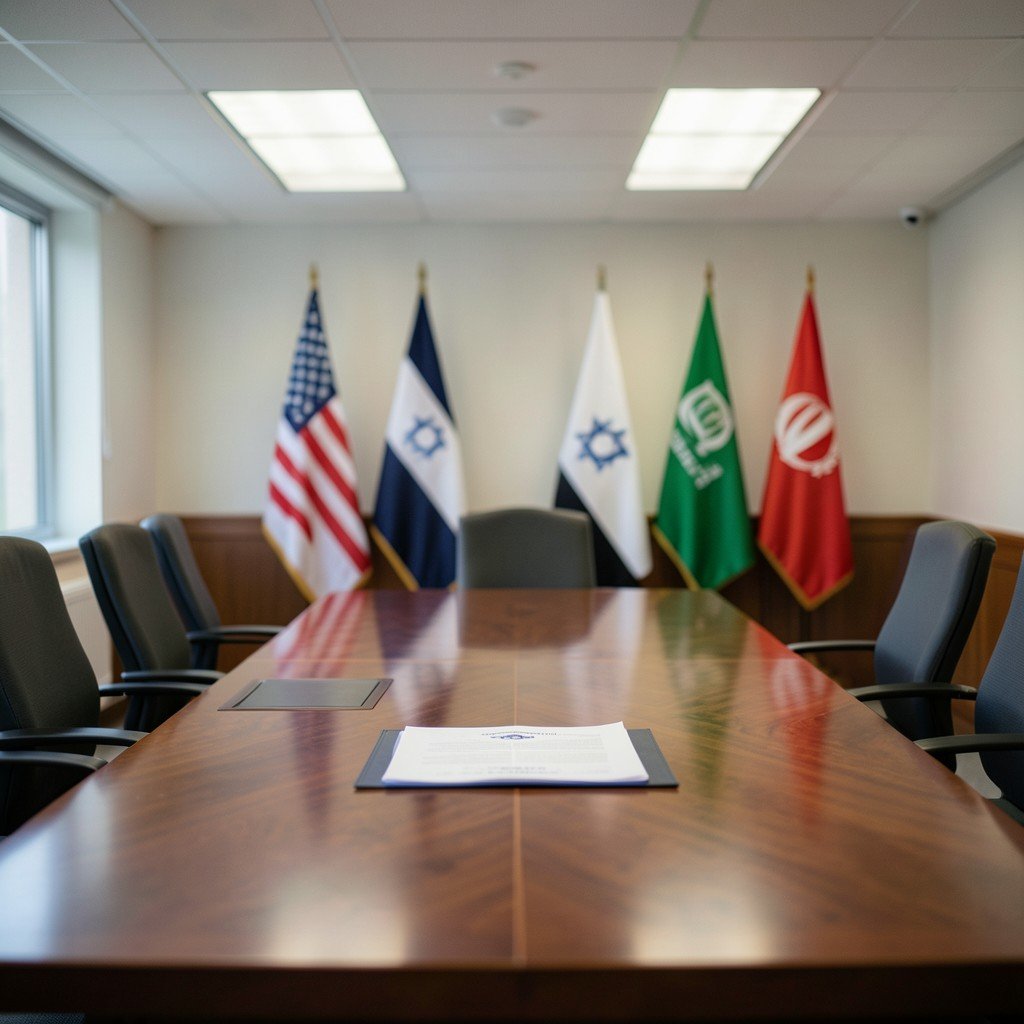
Iran's Foreign Ministry spokesman Esmail Baghaei countered that Tehran was pursuing multiple diplomatic tracks with "Oman, regional countries and countries outside the region in order to decrease the tension" but confirmed no direct negotiations with the United States were underway. Baghaei said Oman's mediation was focused on establishing a temporary route for safe navigation through the strait, adding: "As long as the maritime siege and US actions continue, nothing significant will change in the Strait of Hormuz."

Months of Conflict and a Stalled Peace Deal

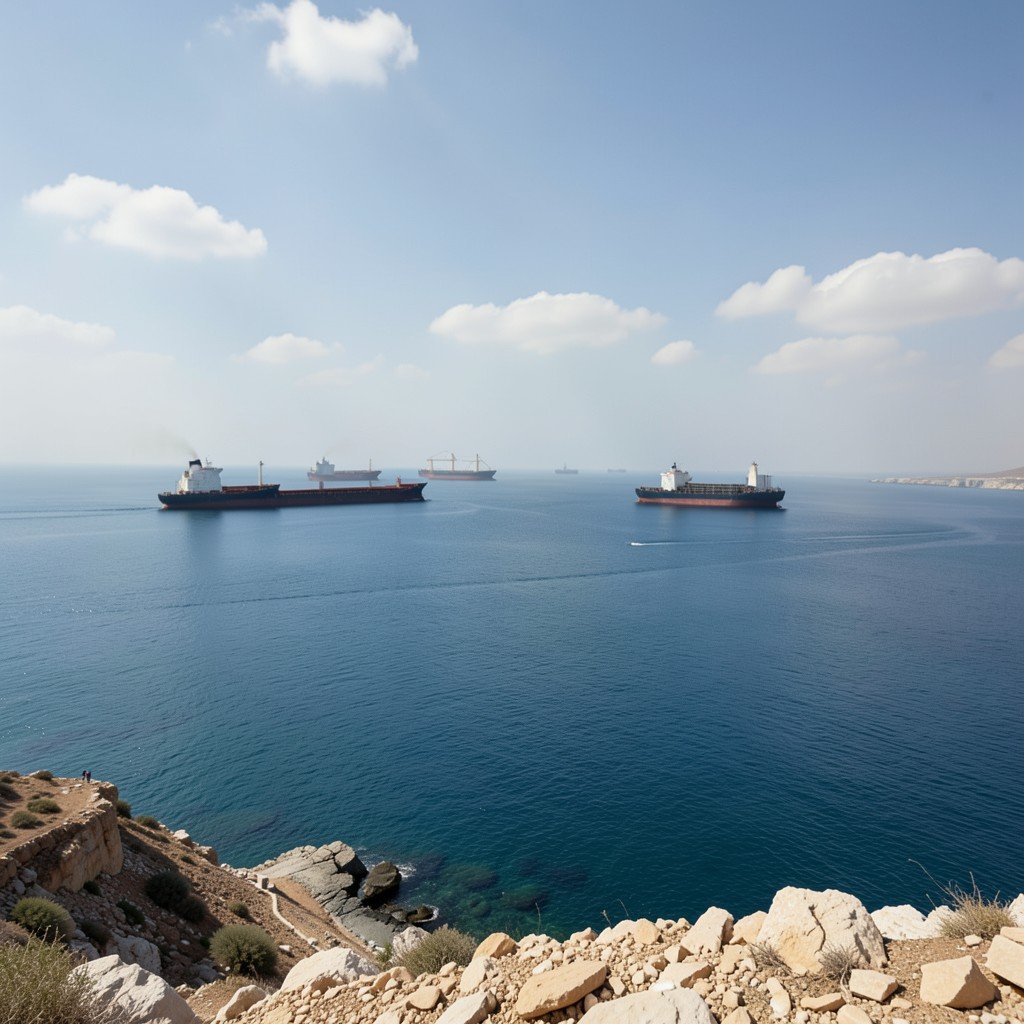
The war between the United States and Iran began in February, though the exact trigger remains undisclosed in official statements. In June, the two sides signed a Memorandum of Understanding brokered by Pakistan aimed at ending the conflict and reviving commercial shipping through the Strait of Hormuz, the narrow channel that serves as the gateway for a substantial portion of the world's traded oil and natural gas.

Despite that agreement, hostilities continued. US forces have struck Iranian targets, while Iranian forces retaliated by targeting American military assets in the region. Tehran has consistently insisted on maintaining control over the Strait of Hormuz, a position that remains a central sticking point in any potential resolution.

Weekend Reversal and Gulf Intervention

Trump revealed over the weekend that US military planners had prepared for a massive bombing campaign against Iran but that he chose to give diplomacy more time after hearing from key Gulf allies Qatar, Saudi Arabia and the United Arab Emirates, as well as unnamed Iranian officials on Sunday. The disclosure that an attack of such scale was under active consideration before being halted at the last moment highlights both the severity of the crisis and the influence of regional powers in restraining Washington.

On Monday, Iran's Minister of Industry, Mines and Trade Mohammad Atabak traveled to Islamabad for meetings of the Iran-Pakistan Joint Trade Committee and talks with Prime Minister Shehbaz Sharif. The discussions aimed to ease transit bottlenecks and explore options for moving Iranian containers through Pakistani ports as an alternative to the blockaded southern sea routes.

What Lies Ahead

With direct US-Iran talks off the table for now, diplomatic efforts appear to be proceeding through parallel tracks involving Oman, Pakistan and other regional actors. The US naval blockade remains firmly in place, and Trump's demand for either a negotiated deal or "Total Surrender" suggests Washington is not prepared to ease pressure without significant Iranian concessions. No new date for potential negotiations has been announced, and the situation in the Strait of Hormuz remains at an impasse.

MORE LIKE THIS

Comments (0)

Leave a comment

A verified Gmail account is required to post comments.

No comments yet. Be the first to share your thoughts!