
Pakistan Army Cautiously Optimistic on US-Iran Mediation Efforts
news

Pakistan Army Cautiously Optimistic on US-Iran Mediation Efforts

By Editorial Team•Oct 31, 2026 · 7:26 PM•4 min read
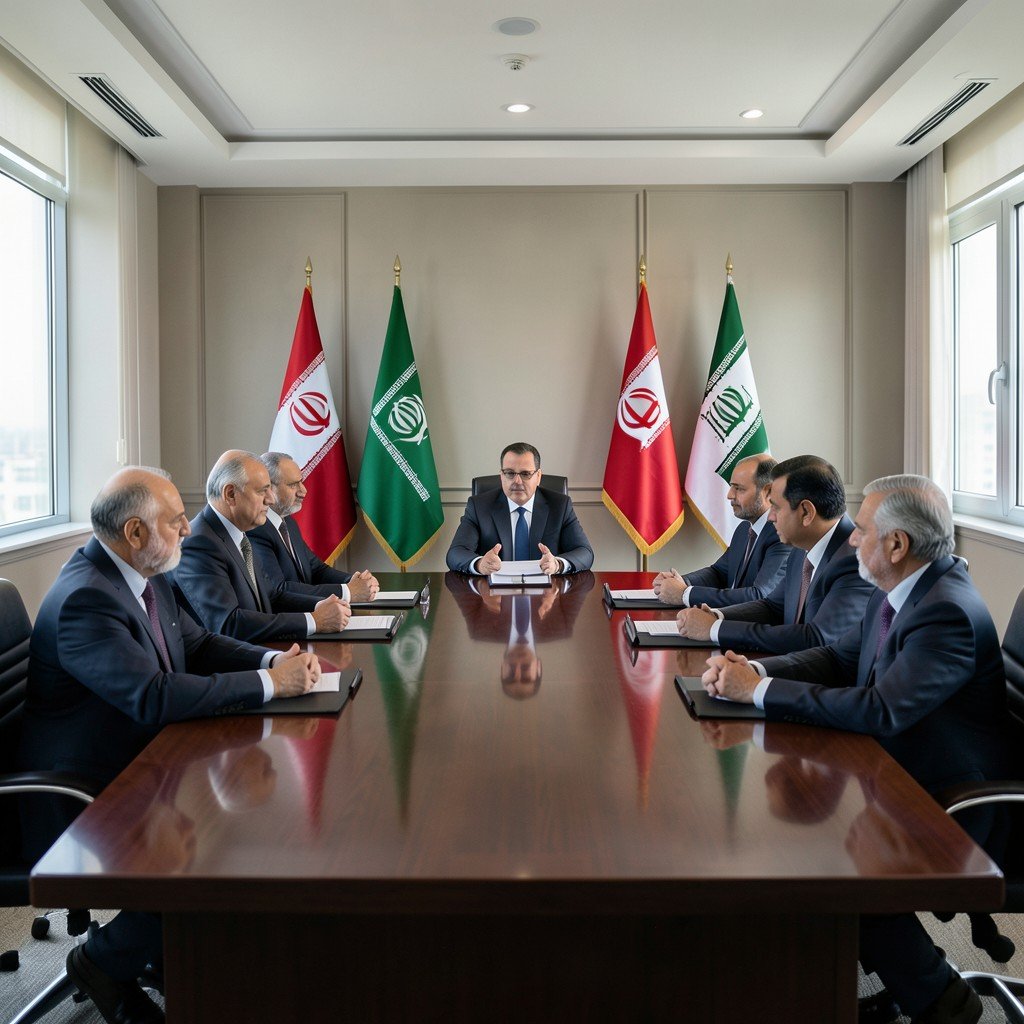
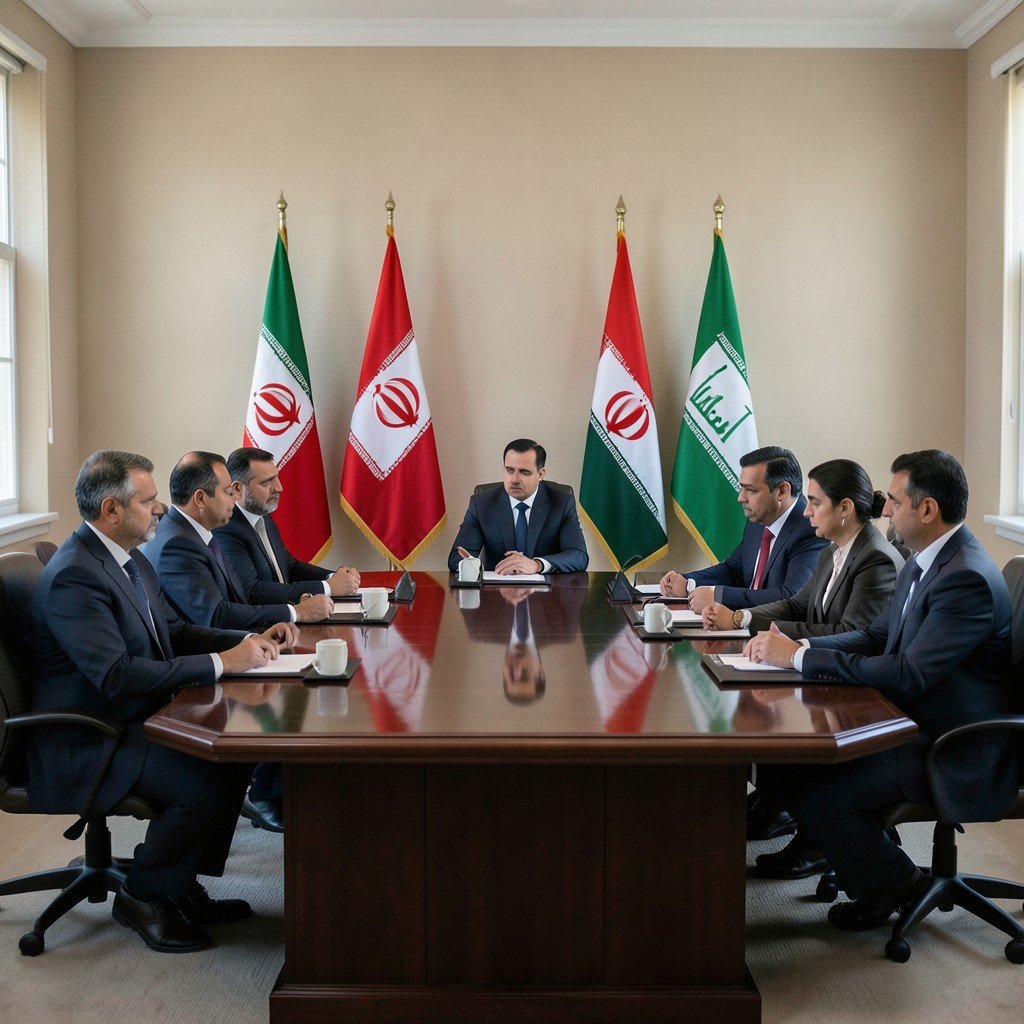
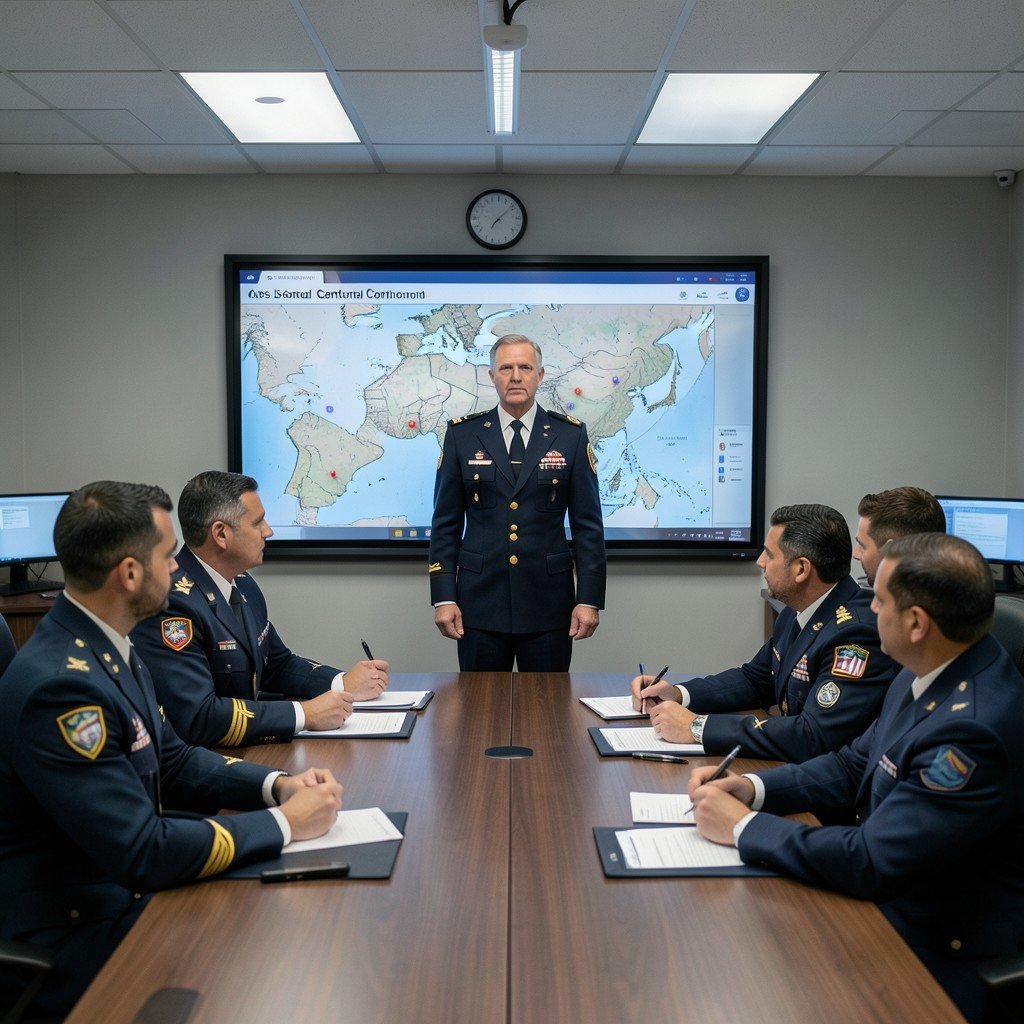
AI-generated representative image: A formal diplomatic meeting setting, reflecting regional mediation efforts between Iran and the United States involving Pakis
Editorial Team
Editorial Team
Military spokesman cites positive signs after army chief's Tehran visit amid renewed ceasefire push

Pakistan's military is "cautiously optimistic" about ongoing mediation efforts between Iran and the United States, as regional countries work to revive a ceasefire in the eight-month-old war. Lieutenant General Ahmed Sharif Chaudhry, spokesman for Pakistan's armed forces, indicated on Friday that there were positive signs in attempts to de-escalate the conflict.

His remarks were the first public comments since a high-level delegation, led by Pakistan's army chief and chief mediator Field Marshal Asim Munir, visited Tehran this week alongside Saudi and Turkish officials.

The comments reflect Pakistan's increasingly central role in regional diplomacy as the Iran-US confrontation redraws alliances across the Middle East and raises fears of a wider war. Pakistan, alongside Saudi Arabia and Turkey, has positioned itself as a mediator while simultaneously deepening its own security ties through a joint defence pact.

The cautious optimism, however, comes with an explicit warning that unnamed parties still benefit from continued conflict and are working to obstruct a settlement.

Mediation Signals and Official Statements

Field Marshal Asim Munir has travelled to Tehran twice this month, most recently on Monday, accompanied by Saudi and Turkish officials. When asked whether the repeated trips indicated progress, Chaudhry responded that there would be no reason for the army chief to make two visits without some positivity.

Chaudhry, who serves as director general of Inter-Services Public Relations, also cautioned that "powerful spoilers and detractors" remain active in the process. He said these parties believe conflict serves their interests, though he declined to name them.

Speaking from Rawalpindi, where Pakistan's armed forces are headquartered, he declined to disclose what was discussed in Tehran or whether the United States had supported the visit.
The Mecca Defence Pact and Regional Realignment

Saudi Defence Minister Prince Khalid bin Salman and Turkish intelligence chief Ibrahim Kalin joined Munir in Tehran on Monday. The three countries signed the Mecca Joint Defence Agreement on August 7, which states that an attack on any signatory will be treated as an attack on all.

The pact has gained added significance as the Iran war has reshaped regional alliances. While the signatories describe the agreement as aimed at collective deterrence and regional security, analysts view its evolution as closely linked to efforts by regional powers to manage the fallout from the Iran-US confrontation.

After Monday's talks, Mohsen Rezaei, secretary of Iran's Supreme National Security Council, said regional security should be ensured by regional countries without foreign intervention.

Membership, Troop Deployments and Yemen

Chaudhry said the wording of the defence pact does not bar new members, and confirmed that Iran could potentially join. "Anyone who has a shared vision of collective deterrence and regional peace, why not? Everyone is most welcome," he said, while noting that any decision would rest with the political leadership of the three principal parties.

Asked whether additional Pakistani troops would be sent to Saudi Arabia under the agreement, Chaudhry said that would depend on the situation and the decisions of both countries' political leadership. He affirmed Pakistan's commitment to defending Saudi Arabia and the holy sites of Mecca and Medina, while clarifying that Pakistan is not part of the Yemeni conflict, which he described as an intra-Yemen matter.

Fighting between Saudi Arabia and Yemen's Iran-aligned Houthi group has been reignited by the Iran conflict, stoking fears of a broader regional war.

What Lies Ahead

Chaudhry's comments came as Qatari mediators arrived in Tehran in another apparent attempt to negotiate a revival of the June ceasefire, which collapsed months later. Pakistan has not confirmed the specific subjects discussed during the delegation's visit, and no timeline has been announced for further talks.

Any expansion of the Mecca defence pact, including potential Iranian membership, remains a decision for the political leadership of Pakistan, Saudi Arabia and Turkey. Further official confirmation on the status of mediation efforts is awaited.

MORE LIKE THIS

Comments (0)

Leave a comment

A verified Gmail account is required to post comments.

No comments yet. Be the first to share your thoughts!