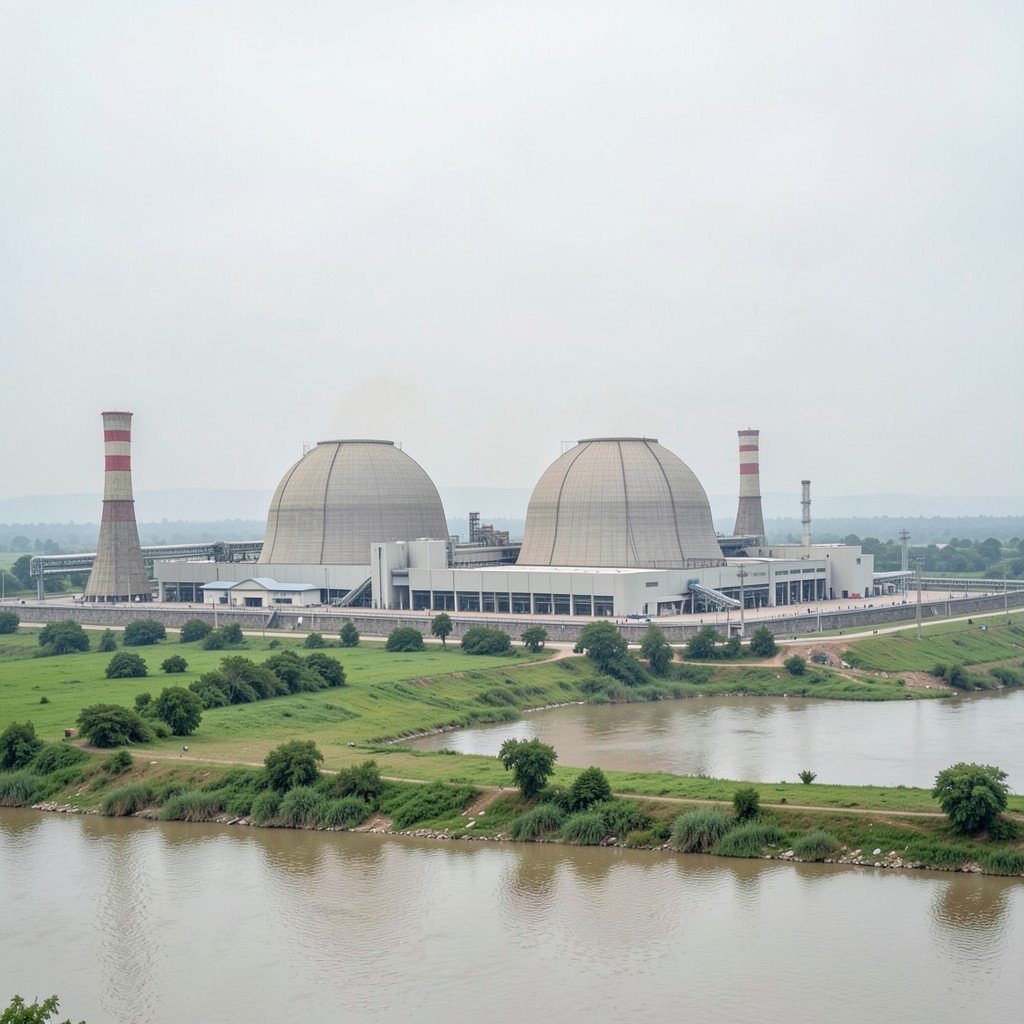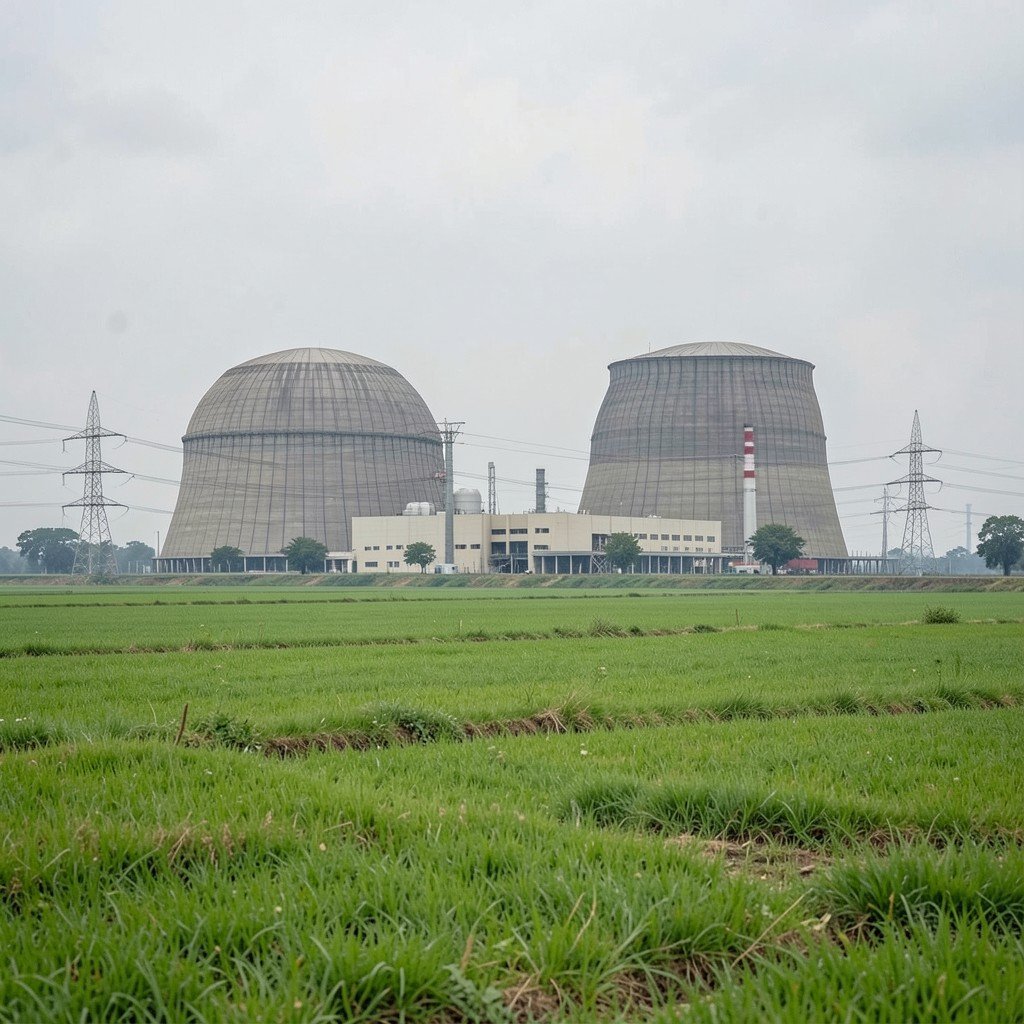

Nuclear Reactors on the Moon: US, Russia and China Race to Build
science-and-technology

Nuclear Reactors on the Moon: US, Russia and China Race to Build

By Editorial Team•Oct 31, 2026 · 7:26 PM•4 min read
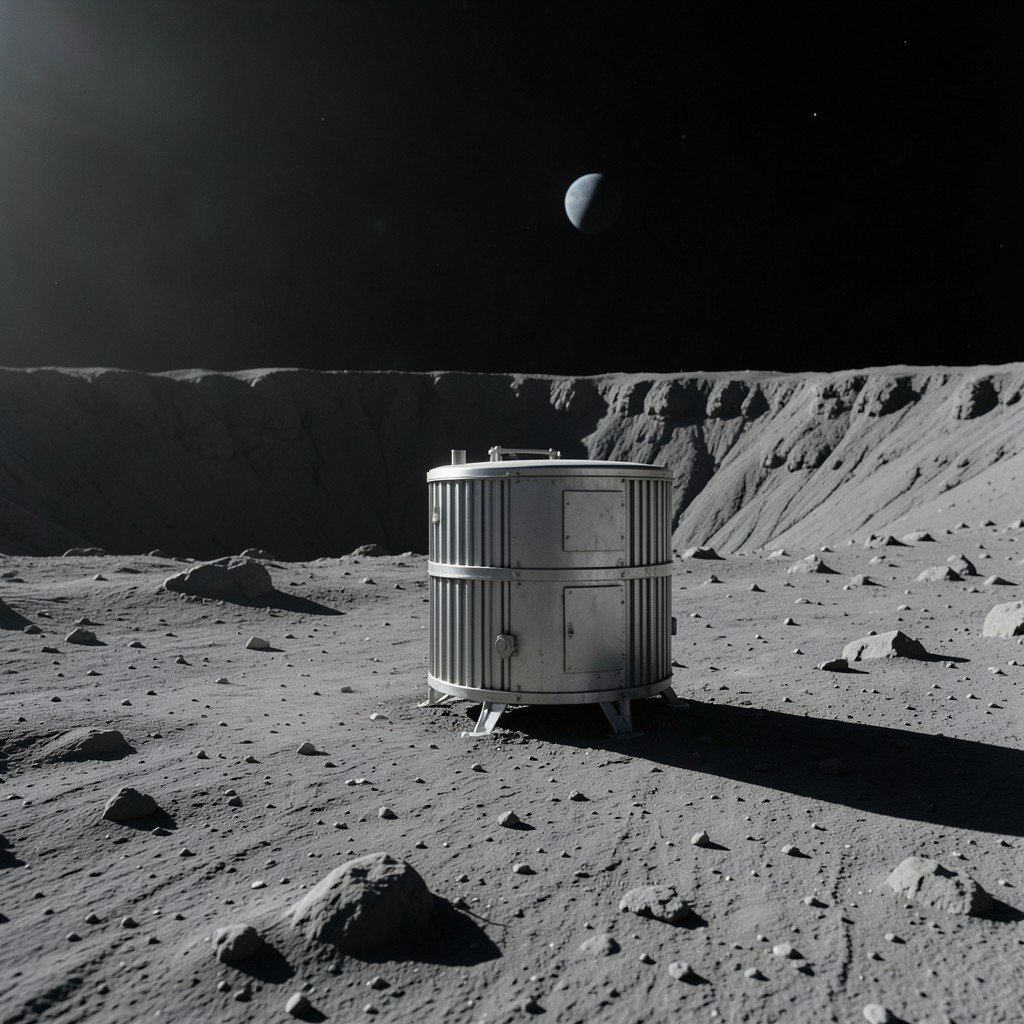
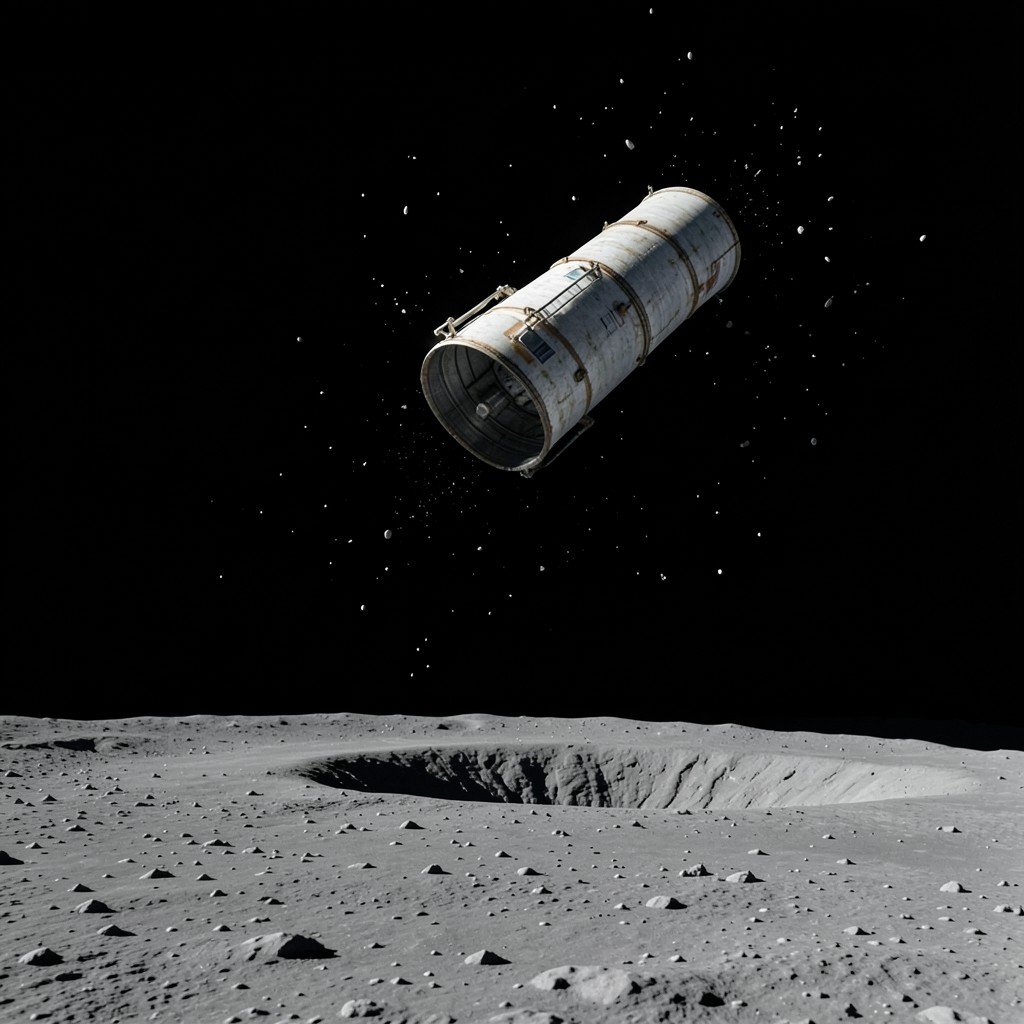
AI-generated representative image: A compact nuclear reactor concept on the lunar surface near the moon's south pole, where nations plan to power future bases.
Editorial Team
Editorial Team
Competing lunar nuclear reactor programs target the moon's south pole water ice amid rising questions on radioactive risk and legal responsibility.

The United States, Russia and China are competing to place nuclear reactors on the moon, with NASA aiming to field a reactor by the end of 2030 and a joint Russian-Chinese program targeting 2036. The reactors would power mining of frozen water trapped in permanently shadowed craters near the lunar south pole, material scientists believe could supply drinking water, air and rocket fuel for future bases.

The race reflects a convergence of scientific ambition and geopolitical competition. Nuclear power is seen as the only reliable energy source for sustained lunar operations, since solar panels go dark for roughly two weeks each month. But the rush also raises unresolved questions about radioactive safety and legal accountability under the 1967 Outer Space Treaty.

Competing Reactor Programs

NASA announced in January its Lunar Reactor 1 would produce 20 kilowatts of electricity and run for five years without maintenance. The compact design weighs under 6,000kg (13,200 lbs) and fits inside a rocket compartment measuring 3.7 metres (12 feet) long by 5.5 metres (18 feet) wide.

Russia's Selena reactor, being developed in cooperation with China, is expected to produce 10 kilowatts and operate for a decade without maintenance. It would power a Chinese-led moon base by about 2036 and is designed to weigh roughly 1,100 to 1,300kg (2,400 to 2,800 lbs) for an easier landing.

In a December 2025 executive order, US President Donald Trump directed NASA to build a lunar reactor ready for launch by 2030. Chinese President Xi Jinping and Russian President Vladimir Putin have announced similar plans.
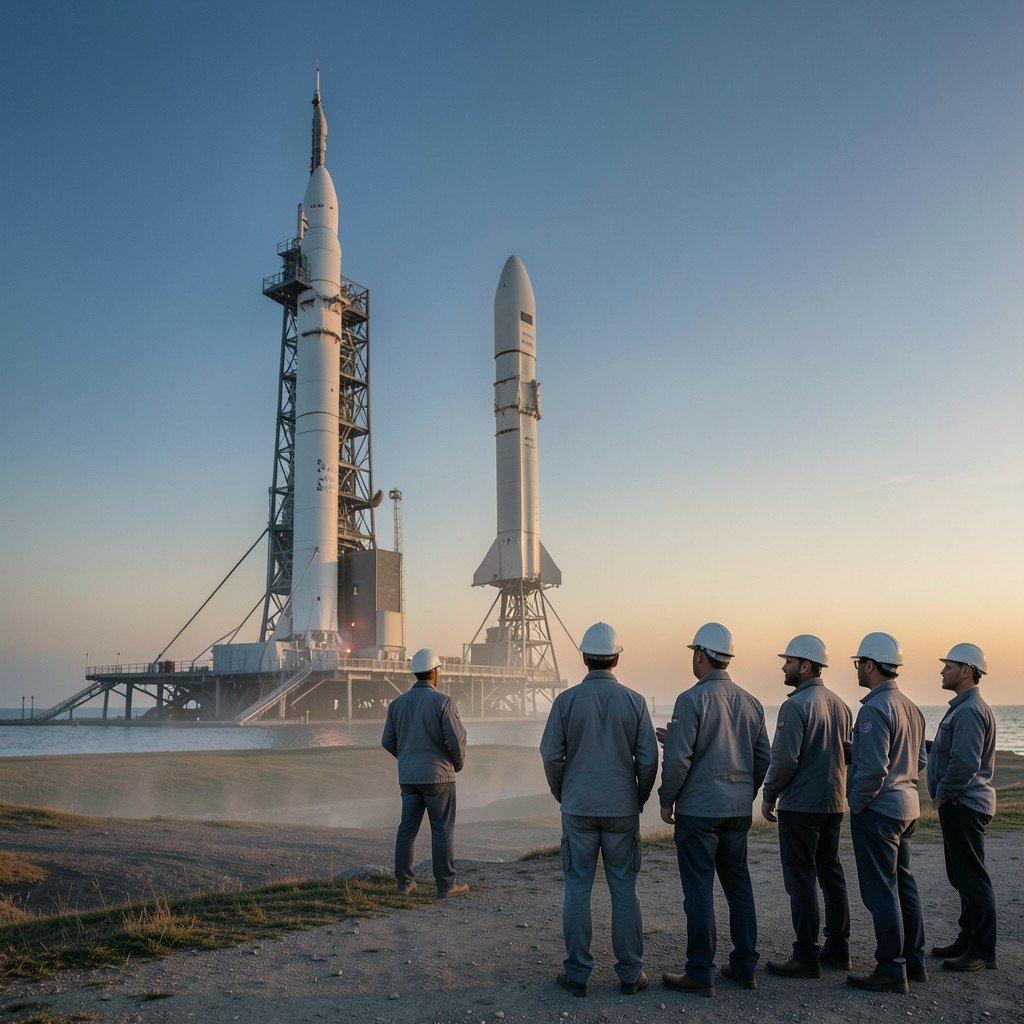
History of Nuclear Power in Space

The Soviet Union launched more than 30 nuclear fission reactors into Earth's orbit between the late 1960s and the 1980s to power radar-tracking spy satellites during the Cold War. Those 1,000kg (2,200 lbs) reactors generated 3 to 5 kilowatts of electricity from splitting uranium atoms and are no longer operational.

The United States has spent $20bn on advanced space nuclear programs over the past 70 years but has never successfully launched a nuclear reactor into space since a 1965 experiment. That test initially worked but shut down after 43 days when a non-nuclear electrical component failed, and the satellite remains in orbit today. Earlier US nuclear projects stalled due to shifting budget priorities.

Why Nuclear Power Is Considered Essential

Simon Middleburgh, director of Bangor University's Nuclear Futures Institute, said solar power is too limited to provide the steady energy a moon base requires, while batteries and diesel are too costly because everything must be launched from Earth. He described nuclear energy as the "obvious choice" that must be used "responsibly," and estimated three or four reactors working together would be needed to support both lunar ice mining and a base.

Middleburgh also cautioned that the 2030 deadline likely applies to building the reactor itself, not landing it. "The biggest challenge isn't really the nuclear technology at all; it is the regulation for launch, the availability of a launch platform itself, and the landing and setting up the system on the lunar surface," he said.

Both the US and Russia say their reactors would remain switched off until reaching the moon to minimise radioactive risk during transit.

Safety and Legal Questions Ahead

Analysts note that a running reactor falling back to Earth poses the greater hazard. In 1978, the Soviet satellite Kosmos 954 scattered radioactive material across nearly 124,300 square km (48,000 square miles) of northern Canada, forcing an expensive military cleanup. On the moon, Middleburgh said any contamination would be "extremely localised."

Legally, the 1967 Outer Space Treaty bars countries from claiming the moon but does not ban nuclear power in space. A Lunar Policy Platform report released last month warns that existing liability rules were not designed to regulate long-term hazardous equipment on another celestial body, leaving unresolved the question of who is responsible if something goes wrong.

MORE LIKE THIS

Comments (0)

Leave a comment

A verified Gmail account is required to post comments.

No comments yet. Be the first to share your thoughts!