

What Happened
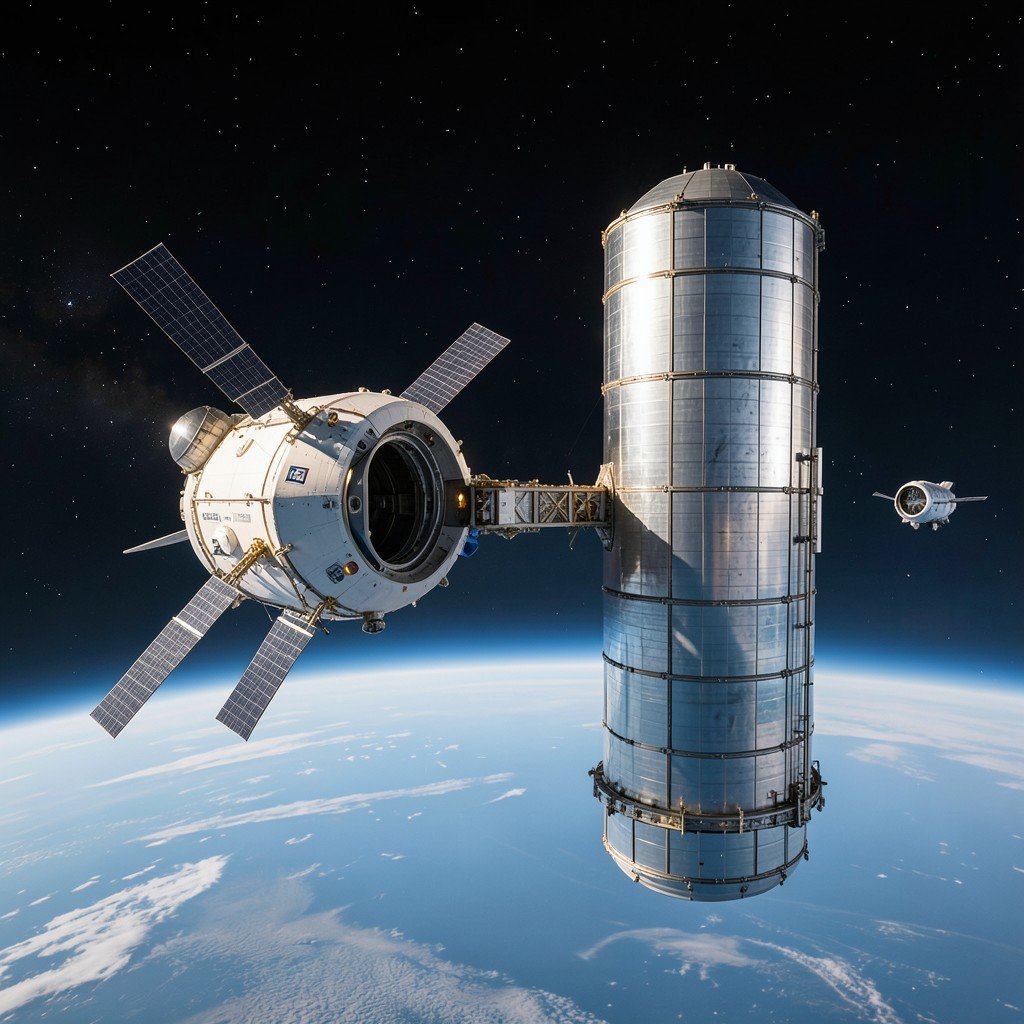
The Falcon 9 lifted off from Florida in January carrying two lunar landers. While the reusable lower booster successfully returned to Earth, the upper stage remained in space to propel the landers onward. Unlike typical missions closer to Earth where the upper stage falls back and burns up in the atmosphere or plunges into the ocean, this mission required extra thrust, leaving the second stage stranded in orbit.
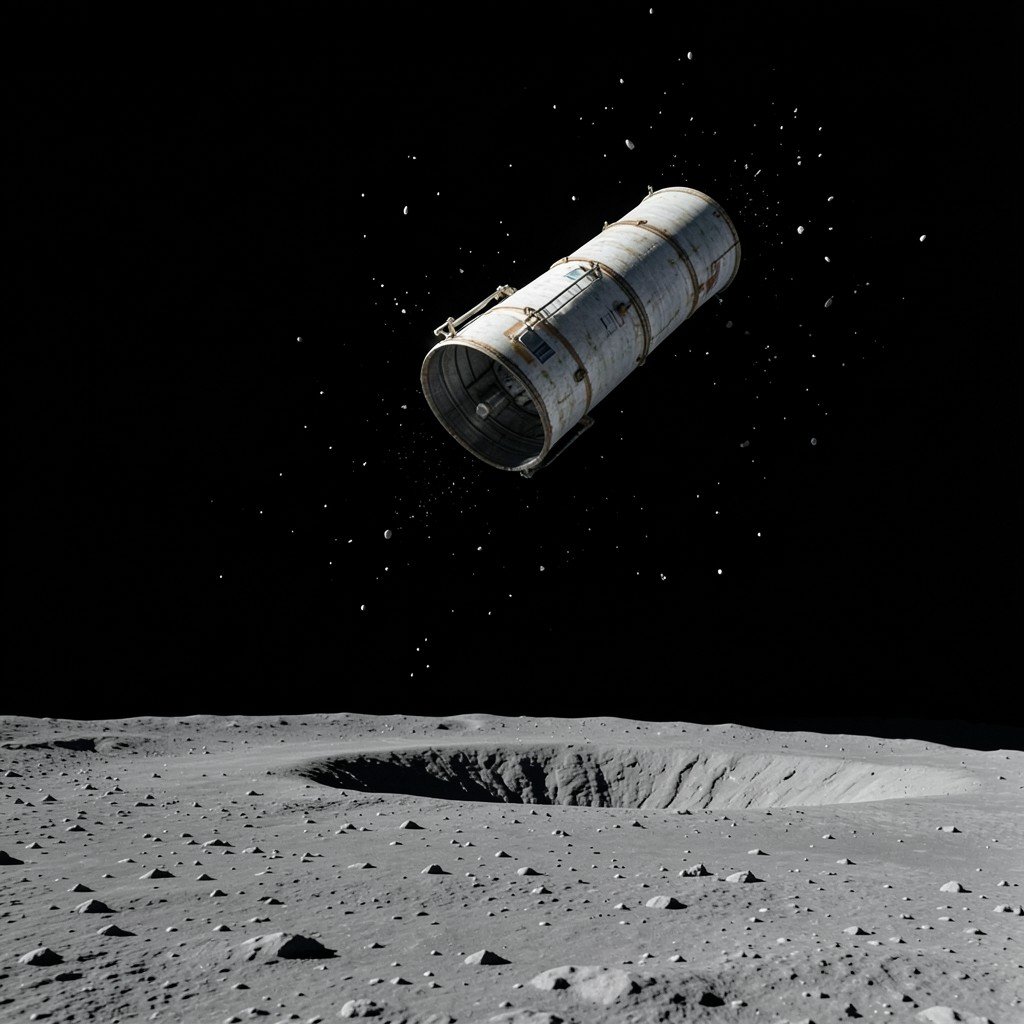
After dumping its remaining fuel and becoming uncontrollable, the rocket segment drifted among thousands of other pieces of space junk. Astronomers only determined earlier this year that its orbital trajectory would end at the moon. Julianna Scheiman, director of NASA science missions at SpaceX, explained that a mixture of solar activity and gravitational forces ultimately put it on a collision course with the lunar surface.