

S&P 500 Hits Record High Above 7,700 on Strait of Hormuz Deal Hopes
business

S&P 500 Hits Record High Above 7,700 on Strait of Hormuz Deal Hopes

By Editorial TeamAug 5, 2026 · 8:11 AM3 min read
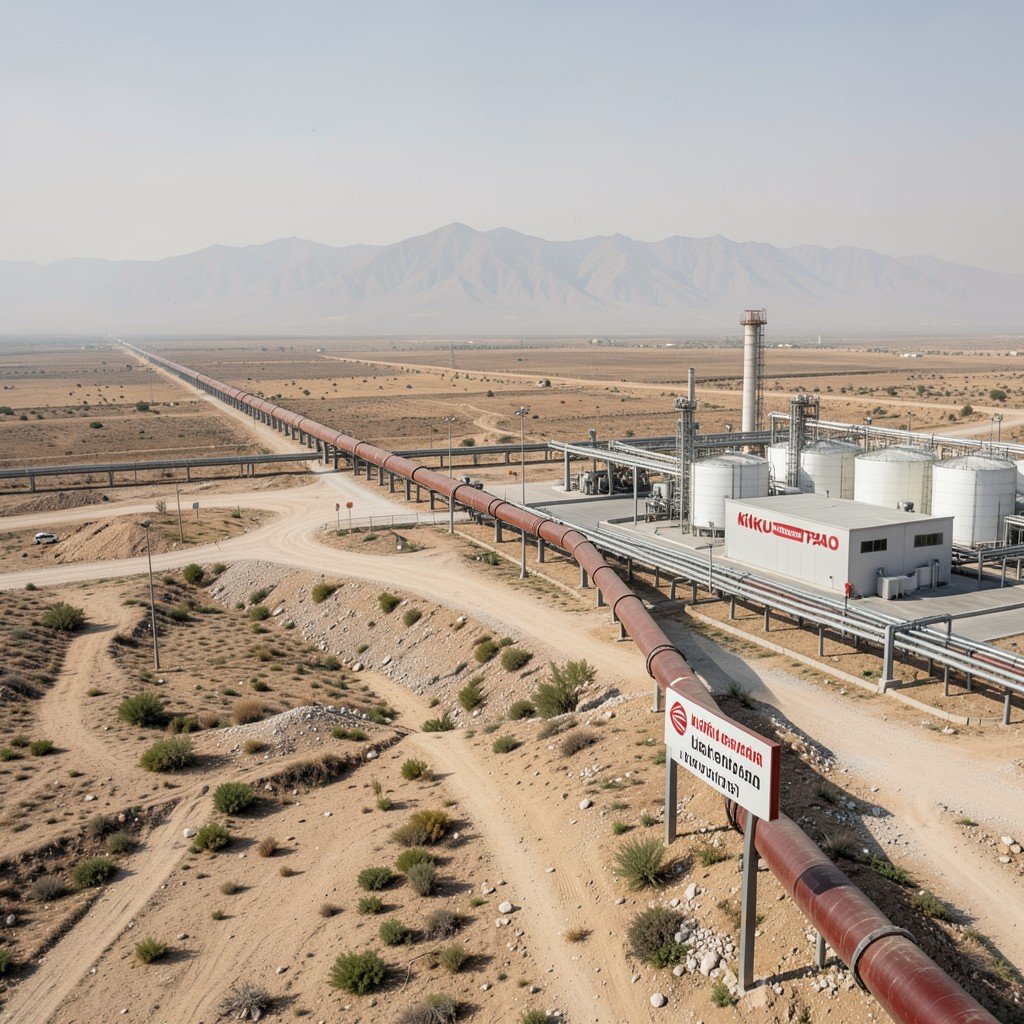
AI-generated representative image. The S&P 500 surged to a record high above 7,700 amid optimism over a potential Strait of Hormuz deal and strong corporate ear
Editorial Team
Editorial Team
Dow also notches fresh record as oil prices slide on Iran-Oman talks to restore the critical crude shipping route

The US stock market surged to an all-time high on Tuesday, with the S&P 500 climbing 1.8 percent to breach the 7,700 mark for the first time, driven by growing optimism over a potential deal to reopen the Strait of Hormuz and a wave of strong corporate earnings.

The benchmark index closed above its previous record of 7,620.90 set on June 2, while the Dow Jones Industrial Average notched a fresh record for a second consecutive day, rising 1.7 percent to 54,085.88. The rally extended into Asian markets on Wednesday morning.

The Strait of Hormuz, through which roughly one-fifth of global oil supplies flowed before the US-Israel war on Iran began in late February, has seen maritime traffic collapse amid Iranian threats against vessels and a US blockade of Iranian ports. A diplomatic breakthrough would ease one of the most significant disruptions to global energy markets in recent years.

Markets Rally Across Continents

The S&P 500 has gained 12.80 percent so far this year, well above its historical annual average of about 10.5 percent. Palantir Technologies emerged as one of the standout performers, with shares soaring 29.5 percent after the defence-linked data analytics firm reported second-quarter revenue of $1.94 billion, exceeding forecasts.

In Asia, Tokyo's Nikkei 225 jumped 3 percent and Seoul's Kospi surged 4.6 percent as of 01:00 GMT on Wednesday. Brent crude futures for October delivery fell to $79.11 per barrel, down approximately 13 percent from the previous week, after dropping about 5 percent overnight.

Strait of Hormuz Crisis

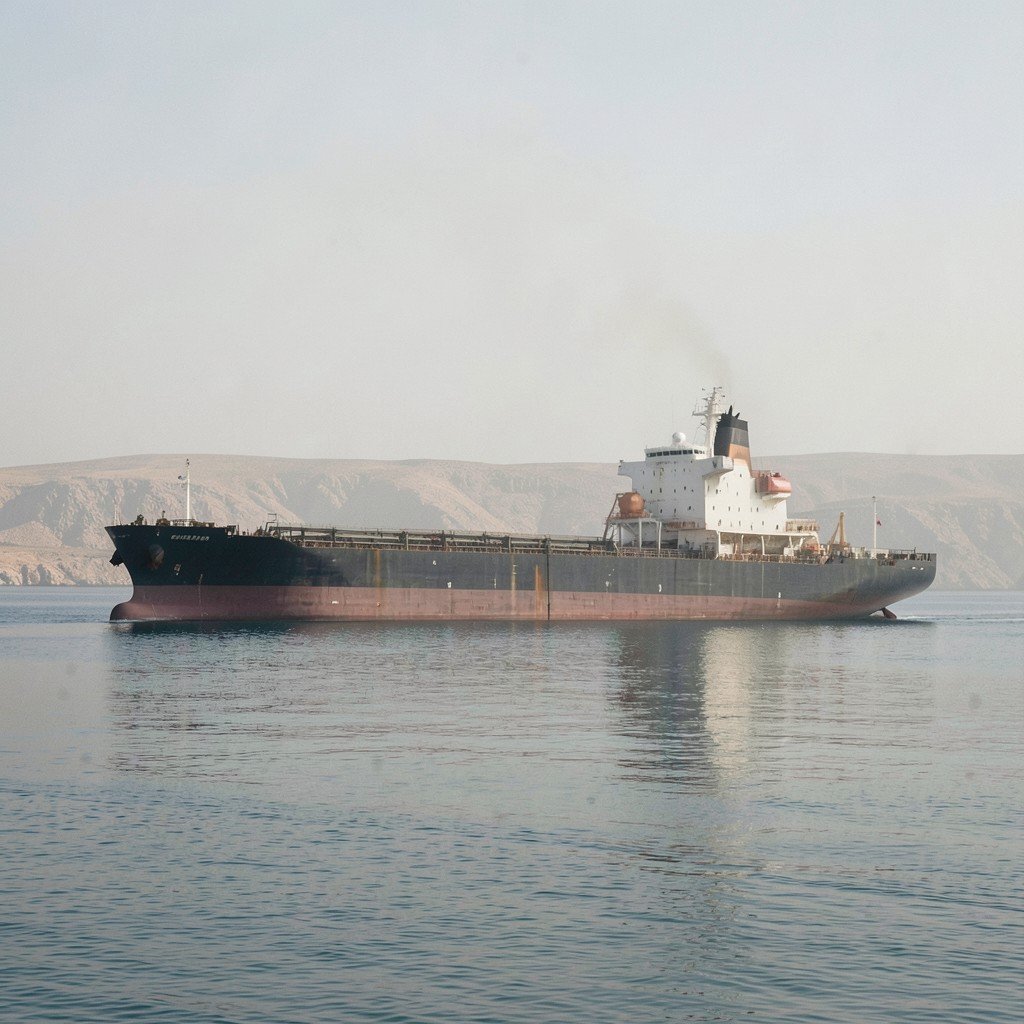
Maritime traffic through the strategic waterway has been severely constrained since the US-Israel war on Iran commenced in late February. According to ship-tracking platform MarineTraffic, only nine vessels transited the strait on Sunday, compared with roughly 130 daily crossings before the conflict began.

The disruption stems from two compounding factors: Iranian threats to attack vessels in and around the strait, and a US blockade preventing access to Iranian ports. Tehran has repeatedly asserted its right to control maritime traffic through the waterway, a claim Washington has consistently rejected.

Diplomatic Signals and Military Claims

US Secretary of State Marco Rubio said on Tuesday that while no agreement had been finalized, he expected a deal to "happen very shortly." Treasury Secretary Scott Bessent told CNBC that an agreement could be reached as soon as Tuesday or Wednesday. Iran's Foreign Ministry spokesperson Esmaeil Baghaei described talks with Omani officials on designating safe shipping routes as "positive."

US Central Command stated on social media that the strait remained "free and open" to commercial vessels, adding that American forces had assisted more than 1,000 vessels in transiting the waterway over the past three months "despite unwarranted Iranian aggression."

What Comes Next

Negotiations between Iran and Oman continue, with both US and Iranian officials signalling progress on establishing safe maritime corridors. No formal agreement has been announced, but the optimistic tone from senior officials on both sides suggests a deal may be imminent. Market sentiment remains closely tied to developments in the talks, with any confirmed agreement expected to further ease oil prices and sustain the equity rally.

MORE LIKE THIS

Comments (0)

Leave a comment

A verified Gmail account is required to post comments.

No comments yet. Be the first to share your thoughts!