
Turkiye Acquires 15% Kirkuk Oilfield Stake as Iraq Offers 1M Barrels Per Day
business

Turkiye Acquires 15% Kirkuk Oilfield Stake as Iraq Offers 1M Barrels Per Day

By Editorial TeamJul 29, 2026 · 6:16 AM4 min read
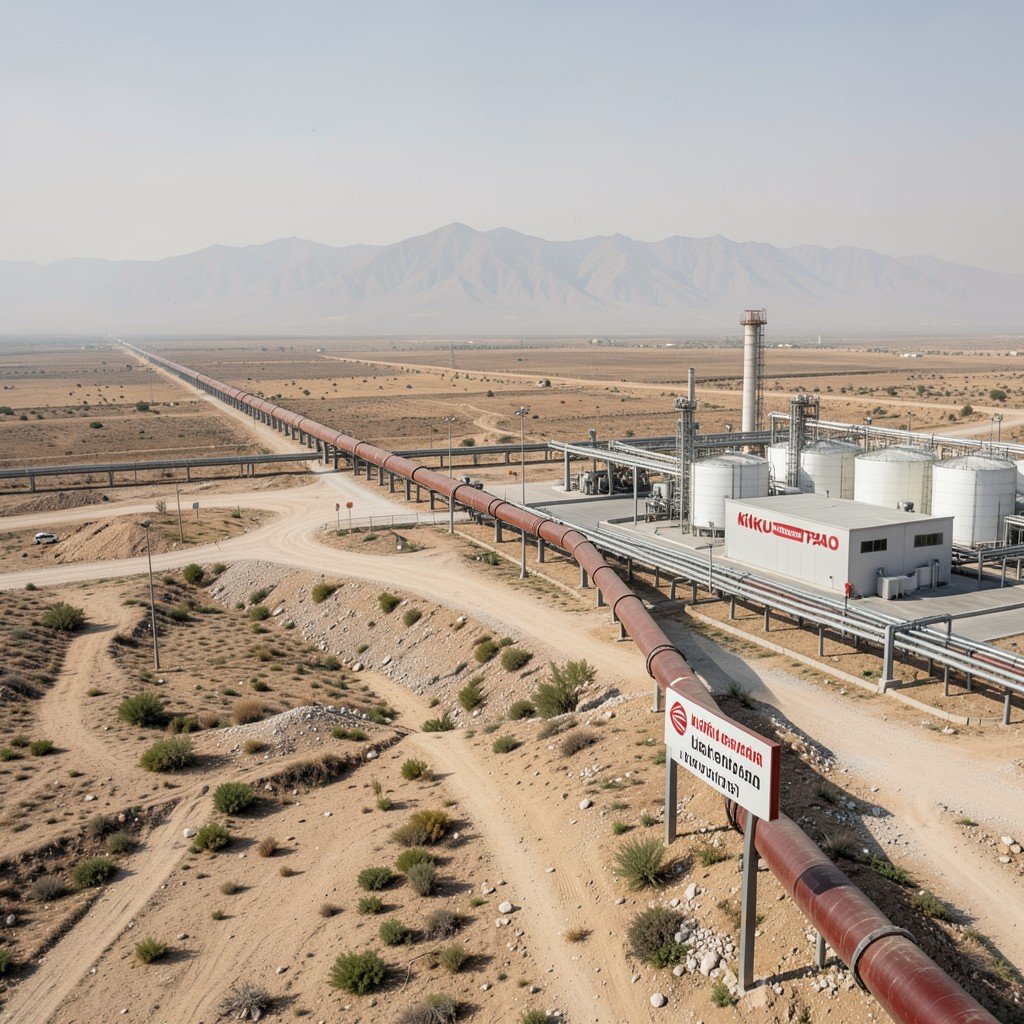
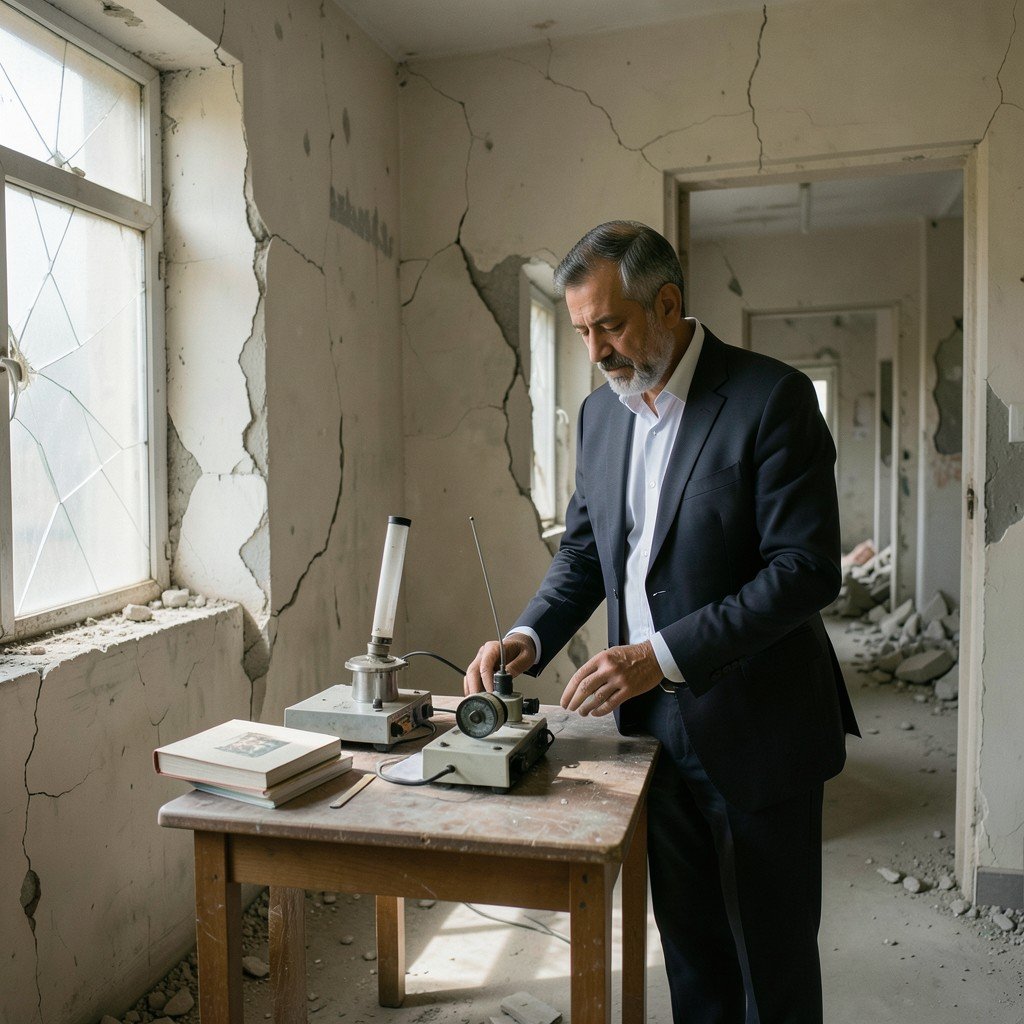
AI-generated representative image: The Kirkuk-Ceyhan oil pipeline infrastructure in northern Iraq, as Turkiye acquires a 15% stake in the Kirkuk oilfield.
Editorial Team
Editorial Team
The landmark energy deal replaces the expired 1975 Kirkuk-Ceyhan pipeline pact with a broader Turkiye-Iraq cooperation framework spanning security, trade and transport.

Turkiye is set to receive up to 1 million barrels per day of Iraqi crude oil after state-owned Turkish Petroleum (TPOA) acquired a 15 percent stake in the BP-operated Kirkuk oilfield in northern Iraq, Turkish President Recep Tayyip Erdogan announced Tuesday at a joint press conference with Iraqi Prime Minister Ali al-Zaidi in Ankara.

The agreement comes as the 1975 Iraq-Turkiye crude oil agreement, which operationalised the Kirkuk-Ceyhan Oil Pipeline, expired on July 27. Rather than renewing the decades-old pact, both nations are pursuing a new energy cooperation framework.

The deal carries significance beyond energy, analysts say, intertwining with regional security dynamics and the Development Road transport corridor. The closure of the Strait of Hormuz following the US-Israel military campaign against Iran in February has elevated Ankara's strategic importance for Baghdad, which has pressed for the resumption of oil exports through the Iraq-Turkiye pipeline after years of suspension.

Key Terms of the Energy Agreement

Erdogan confirmed that TPOA would acquire a 15 percent stake in BP Energy Company of Kirkuk Limited through a separate share-transfer agreement. He also verified that Prime Minister al-Zaidi had offered to supply Turkiye with 1 million barrels per day, stating: "Yes, that's correct. Once we transfer 1 million barrels of oil from our neighbour Iraq, it will meet our needs."

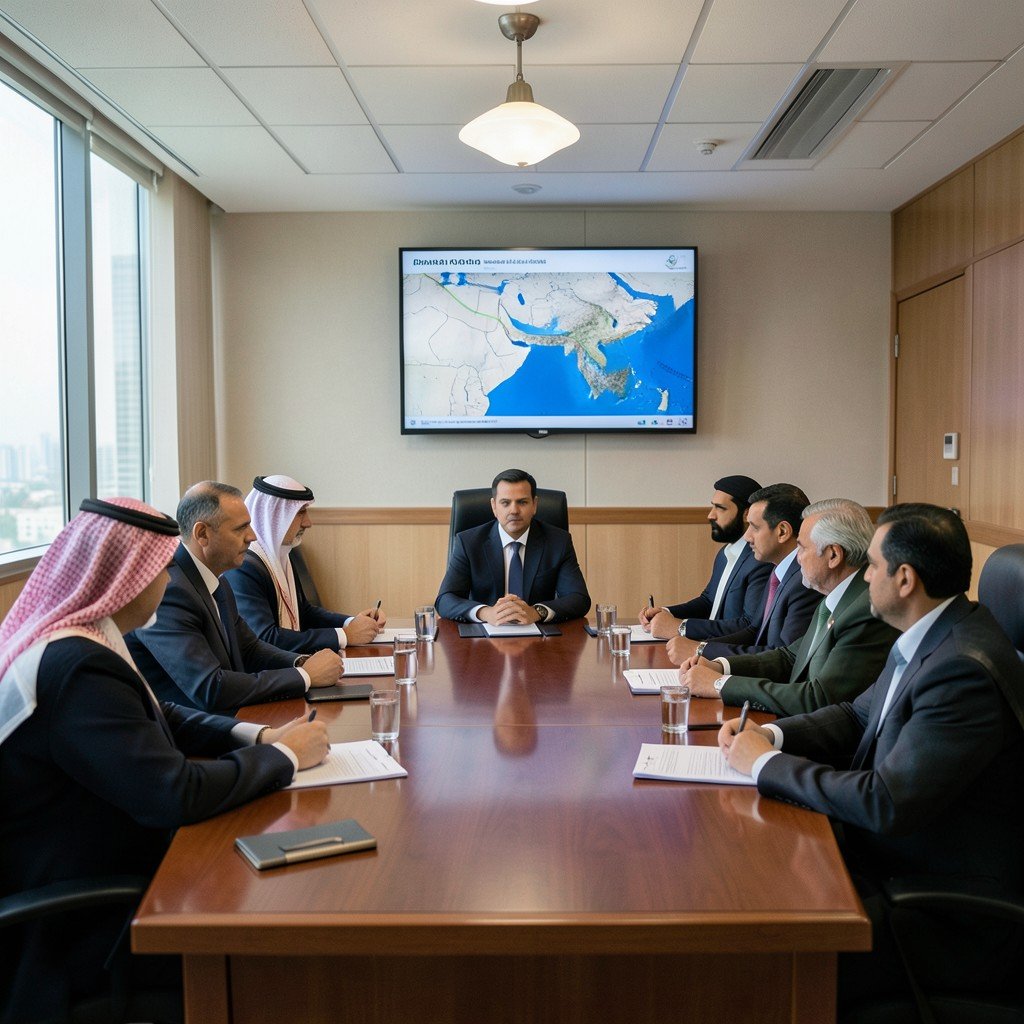
Al-Zaidi's visit to Ankara covered a broad bilateral agenda including security, trade, transport, water management, and the new energy deal. The discussions signal an effort to build what analysts describe as a three-level connection: security and defence, energy, and transportation.

Decades of Energy Ties and Regional Shifts

The Kirkuk-Ceyhan Oil Pipeline, operational since 1975, has long served as a critical conduit for moving Iraqi crude to Turkiye's Mediterranean terminal at Ceyhan. The original agreement governing its operation expired on July 27, 2026, prompting both nations to pursue a modernized framework rather than a simple renewal.

Relations between Ankara and Baghdad have fluctuated over the past decade, with oil and water resources remaining central to Iraq's priorities. The most persistent point of friction has been the presence of Turkish military forces in northern Iraq, where approximately 5,000 soldiers are stationed across roughly 50 bases in Erbil, Duhok, and Nineveh provinces. These deployments target the Kurdistan Workers' Party (PKK), designated as a terrorist organization by Turkiye, the United States, and the European Union.

In mid-2025, the PKK announced its disarmament under a peace deal with Ankara aimed at ending four decades of conflict. However, Turkiye continues to regard the group's presence in mountainous northern Iraq as a national security threat.

Analyst Perspectives on the Strategic Shift

Mehmet Celik, editorial coordinator for Daily Sabah, emphasized that the deal extends well beyond energy ties. "Turkiye is diversifying its energy sources, as it has always done. But with Iraq, there are two other dimensions: security and the Development Road project," Celik said. He noted that the arrangement is not an alternative to existing deals but part of a broader diversification strategy.

Celik added that the situation in the Strait of Hormuz has made Turkiye's proposals regarding alternative energy and trade routes considerably more attractive. "The three-level connection between Turkiye and Iraq, while increasing interdependency, will also strengthen Turkiye-Iraq ties as the regional situation becomes more complex," he said.

What Lies Ahead

Erdogan stressed that both countries remain in close dialogue on security cooperation, particularly regarding the PKK. "We are in close dialogue with our Iraqi brothers to ensure that our process of a terror-free Turkiye and our vision of a terror-free region become a reality," the Turkish president said during the news conference.

The share-transfer agreement for the Kirkuk oilfield stake is expected to proceed separately, while broader negotiations continue on the comprehensive energy cooperation framework that will replace the expired 1975 pipeline agreement.

MORE LIKE THIS

Comments (0)

Leave a comment

A verified Gmail account is required to post comments.

No comments yet. Be the first to share your thoughts!