
Oil Prices Hit Six-Week High as US-Iran Strikes Escalate in Hormuz
business

Oil Prices Hit Six-Week High as US-Iran Strikes Escalate in Hormuz

By Editorial TeamSep 8, 2026 · 7:33 AM4 min read
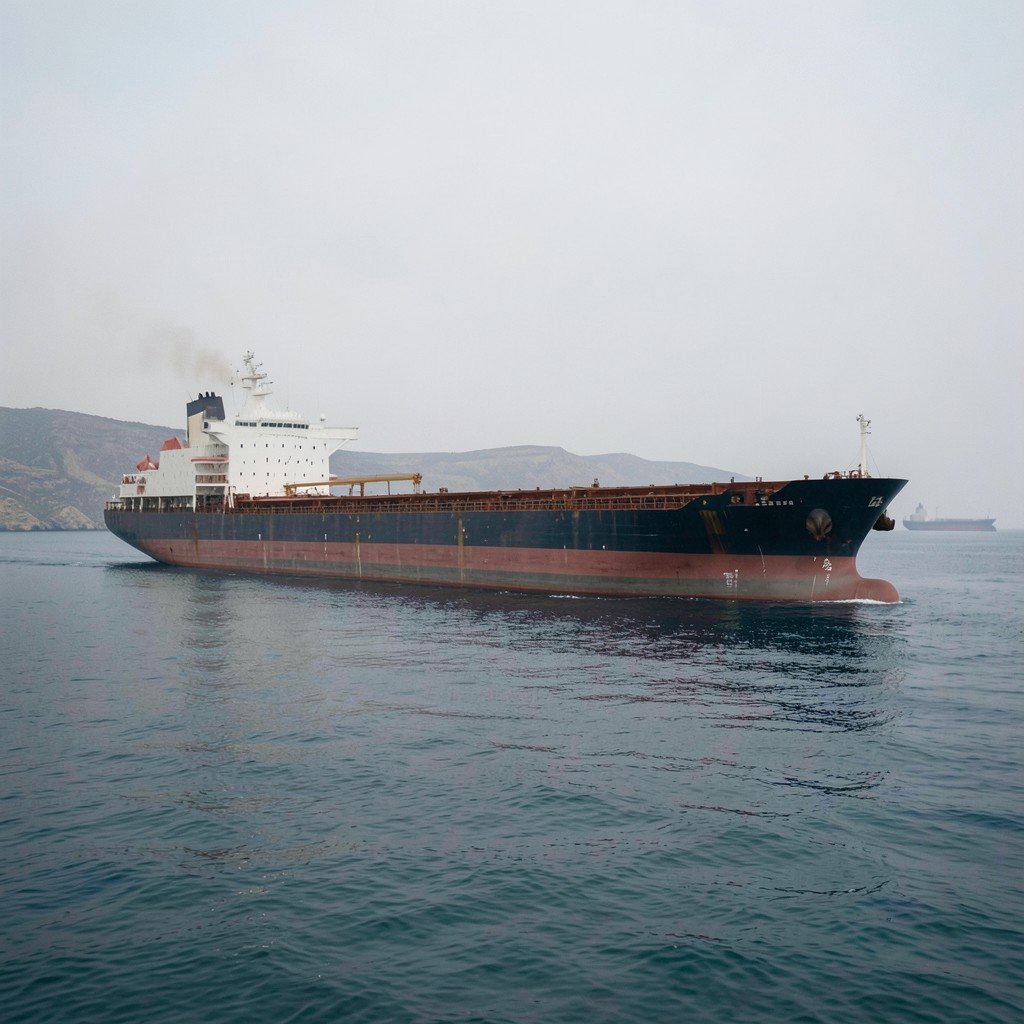
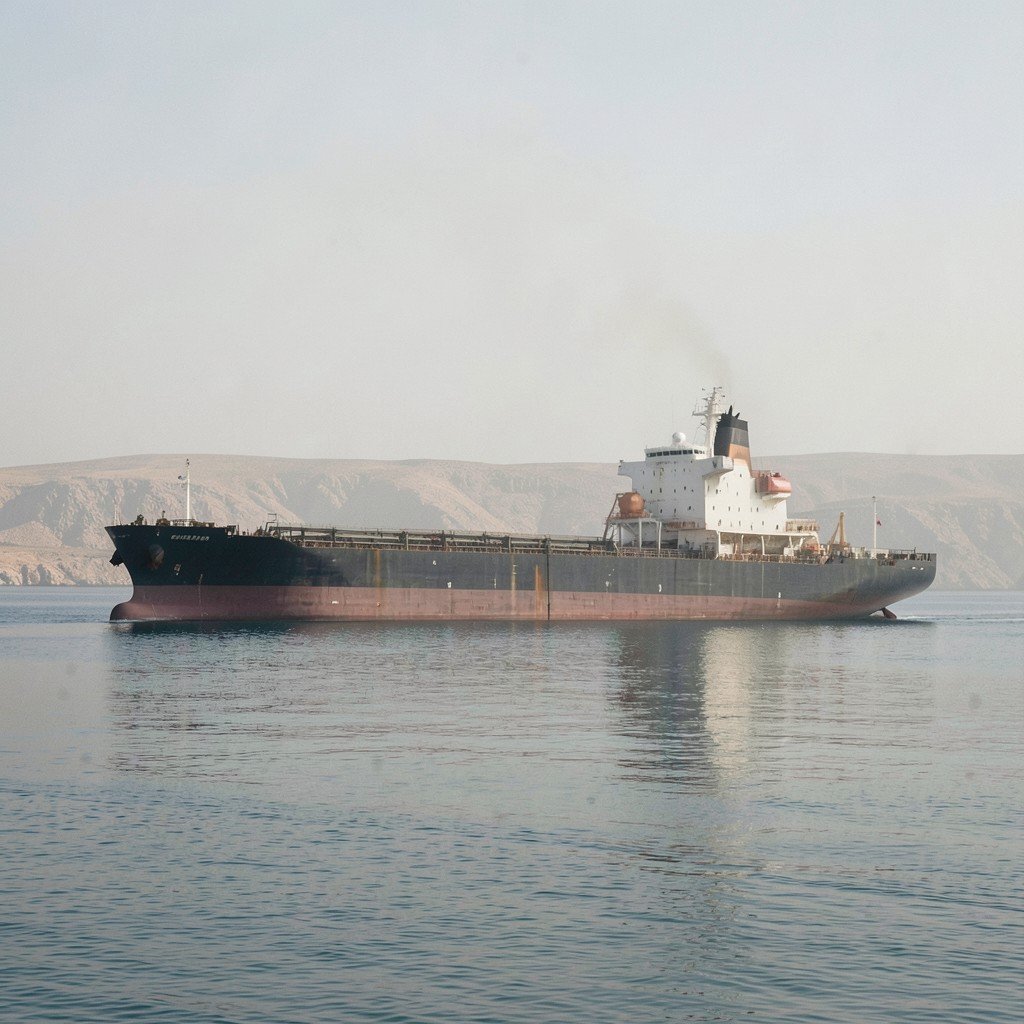
AI-generated representative image: An oil tanker transits the Strait of Hormuz amid rising crude prices and heightened US-Iran tensions.
Editorial Team
Editorial Team
Brent crude nears $97 as tanker attacks deepen global supply fears and push US fuel costs higher

Oil prices climbed to nearly a six-week high on Monday as strikes between the United States and Iran intensified in the Strait of Hormuz, a waterway that carries roughly a fifth of the world's oil supply during peacetime. Brent crude futures, the global benchmark, rose to around $97 a barrel, up 9 percent over the past five days and 19 percent over the past month.

US West Texas Intermediate crude similarly rose to $92.27 a barrel, up 79 cents, also reaching a near six-week high as markets priced in prolonged supply disruptions.

The escalation carries direct consequences for global energy markets and American households. Rising crude prices are already translating into higher costs at the pump, while the conflict disrupts traffic through one of the world's most vital shipping chokepoints. The economic strain is emerging as a central issue for US voters ahead of the midterm elections.

Escalating Strikes and Market Impact

Strikes have escalated sharply in recent days. The United States hit three Iranian oil tankers on Saturday, while Iran's Islamic Revolutionary Guard Corps (IRGC) said it had struck three tankers and three US-linked vessels in other areas. On Monday, Saudi Aramco's Jizan facilities were struck for the second time in the last month, according to reporting from the Financial Times citing two people familiar with the matter.

Shipping traffic through the Strait of Hormuz has declined amid the increased strikes, with an average of 10 commodity ships crossing the chokepoint each day over the last 10 days, according to Kpler, a data analytics platform.

Background and Consumer Impact

The conflict began on February 28, when the US and Israel first struck Iran. Since then, average US petrol prices have risen 39 percent, climbing from $2.98 per gallon to $4.15 nationally on Monday, according to the American Automobile Association (AAA). Diesel prices reached an all-time high of $5.85 per gallon last week and continued climbing to more than $5.90 per gallon on Monday.

American households have spent an average of $764.59 on fuel since the war began, which is $418.82 more than usual, according to Brown University's Watson School of International and Public Affairs. Ahead of the Labor Day weekend, AAA forecasts showed a 20 percent increase in flight costs compared with the same period last year.

Analyst Assessments and Political Fallout

Rachel Ziemba, an adjunct senior fellow at the Center for a New American Security, described the situation as "a reflection of continued conflict and exchange of fire," adding that global supply deficits are persisting with little end to the shortages in sight. She noted that the strike on the Saudi refinery in Jizan, which may delay its return to production, compounded the problem.

The economic pressure is weighing on President Donald Trump's standing. A recent Financial Times poll found his economic approval rating had fallen to a new low, with just 17 percent of Americans approving of his handling of the economy. An Economist/YouGov poll found 39 percent of Americans believe Democrats are doing a better job on the economy, compared with 32 percent who favored Republicans.

What Lies Ahead

China has moved to insulate itself from the disruption by tapping its strategic petroleum reserve and relying on domestic resources, while also drawing on close ties with Russia, which can supply nearly half of Beijing's daily oil needs. John Gong, an economics professor at the University of International Business and Economics, noted that more than 50 percent of cars sold in China are now electric, reflecting a broader strategic shift toward alternative energy.

Market analysts cautioned that the trajectory of prices remains uncertain, with continued exchanges of fire likely to keep supply concerns elevated in the near term.

MORE LIKE THIS

Comments (0)

Leave a comment

A verified Gmail account is required to post comments.

No comments yet. Be the first to share your thoughts!