
Iran Cracks Down on Armed Threats Amid War With Israel and US
news

Iran Cracks Down on Armed Threats Amid War With Israel and US

By Editorial TeamSep 7, 2026 · 7:56 PM4 min read
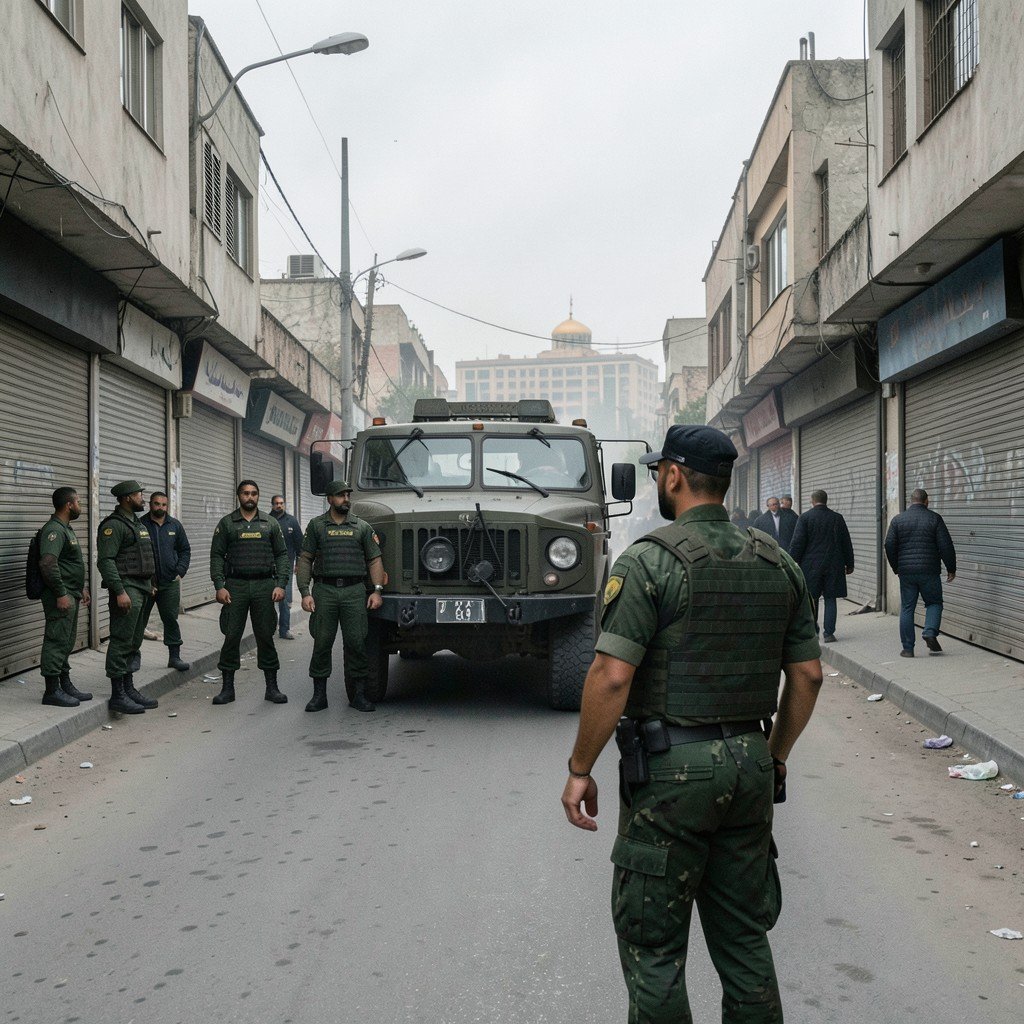
AI-generated representative image: Iranian security forces stand guard on a Tehran street amid a nationwide crackdown on armed groups.
Editorial Team
Editorial Team
IRGC publicises arrests of monarchist cells and ethnic militant groups as sanctions pressure mounts on Tehran.

Iranian authorities have intensified public disclosures of arrests and clashes with armed groups inside the country and along its borders as the war with Israel and the United States continues. In the latest instance, state media reported on Sunday that an eight-member network allegedly linked to "anti-revolutionary" and "pro-monarchy" groups was detained in the southern province of Fars.

The Islamic Revolutionary Guard Corps (IRGC) accused those arrested of using Molotov cocktails and burning tyres during nationwide protests in January, as the government works to frame the conflict as a national security struggle and project control to domestic and international audiences.

The domestic security situation has become central to Iran's wartime posture, as authorities confront both alleged pro-monarchy networks and long-standing ethnic separatist movements in the country's border regions. Rising public discontent driven by deteriorating economic conditions has added urgency to the government's crackdown.

The developments carry broader regional significance because Washington has openly encouraged internal unrest as a means of pressuring Tehran, while analysts warn that external support for Kurdish and Baloch militants could escalate the security challenge facing the Islamic Republic.

Recent Arrests and Security Operations

Iranian authorities have announced a series of arrests targeting alleged opponents of the state since the war began in late February. The Intelligence Ministry reported on March 18 that 111 so-called "monarchist cells" had been arrested across 26 provinces.

  • An eight-member network accused of links to pro-monarchy groups was detained in Fars province, with the IRGC alleging involvement in January protest violence.
  • In late August, security forces dismantled a cell belonging to Jaish al-Adl, the most prominent Baloch armed group, killing one fighter and arresting six others while seizing rifles, grenade launchers and explosives.
  • The judiciary has executed dozens of prisoners since the war began, including some January protesters, while numerous students, artists, businesspeople, journalists and healthcare workers have been arrested on national security grounds.
Background on Monarchist Sentiment and Ethnic Militants

During January's protests, a number of Iranians expressed support for restoring the monarchy overthrown in the 1979 Islamic revolution. Reza Pahlavi, the foreign-based son of the last shah, called on Iranians to join nationwide strikes and protests. Thousands are believed to have been killed during the unrest.

However, no major organised pro-monarchy armed groups currently operate inside Iran, and recent demonstrations have largely stemmed from economic grievances and repression rather than royalist loyalties. Kurdish fighters near the western border with Iraq remain the country's largest non-state armed threat, with groups including the Kurdistan Free Life Party (PJAK), Democratic Party of Iranian Kurdistan (PDKI) and Kurdistan Freedom Party (PAK) based in northern Iraq.

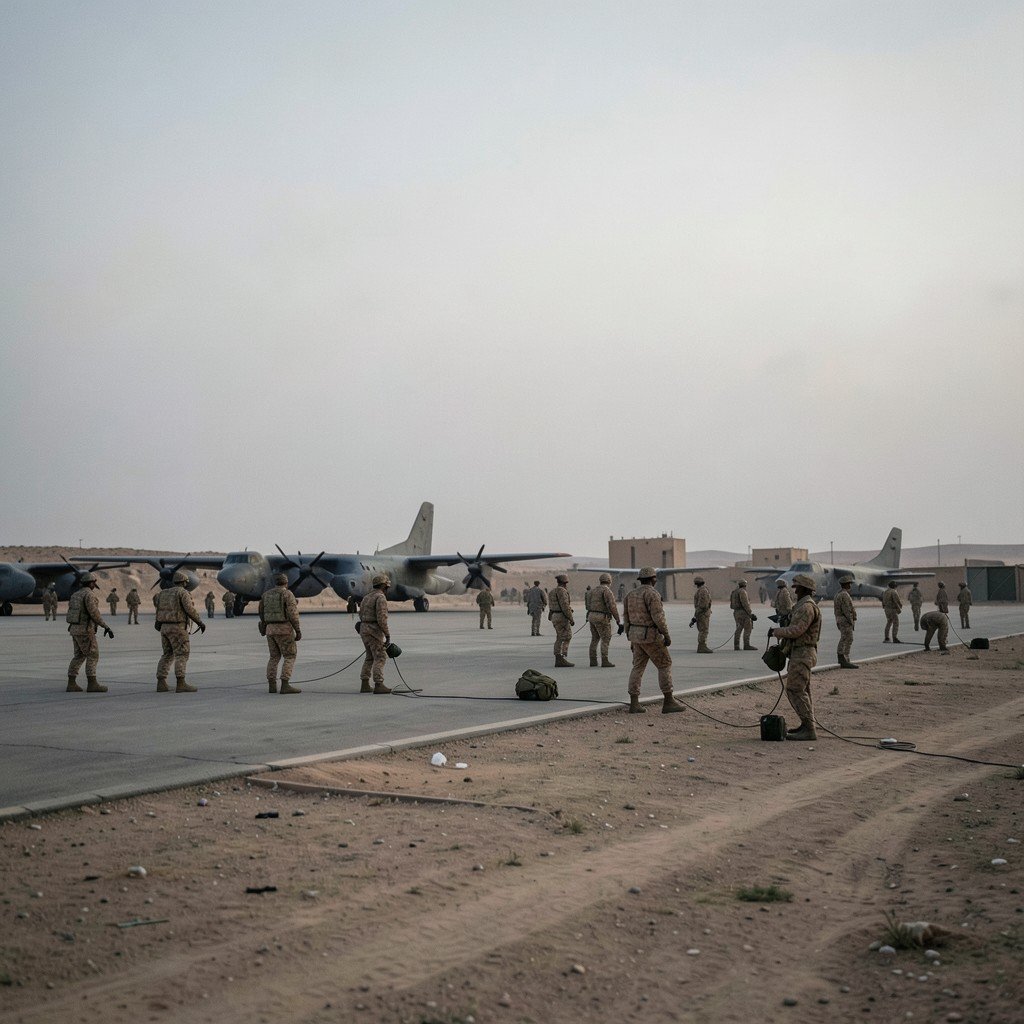
At the start of the war, the Trump administration considered using these Kurdish forces for a limited ground operation in western Iran. Reuters reported in early March that roughly 5,000 to 8,000 fighters were preparing for a potential cross-border operation after discussions with US and Israeli representatives, but the plan never materialised due to insufficient weaponry and a lack of clear signal from Washington.

Analyst Assessments and Official Statements

Alex Vatanka, a senior fellow at the Middle East Institute, said external support for Kurdish and Baloch rebels could intensify the security challenge. "The Iranian state might see any signs of increased external support for ethnic militants to be of an existential kind this time around due to the war situation," he said.

Trita Parsi, co-founder of the Quincy Institute, said separatist militias do not pose an existential threat but "may prove tremendously problematic for Tehran if the war with the US escalates after the mid-terms and the US decides, for instance, to deploy ground troops."

US Treasury Secretary Scott Bessent suggested economic pressure could trigger renewed unrest. "Maybe the people will rise up," he said, citing 100 percent inflation, queues, unpaid military salaries and panic within the central bank.

Current Status and Outlook

Iranian authorities have said they will continue to bolster border control to limit exposure to armed groups during the war. Sporadic attacks from Jaish al-Adl have continued, at times killing police officers and IRGC personnel.

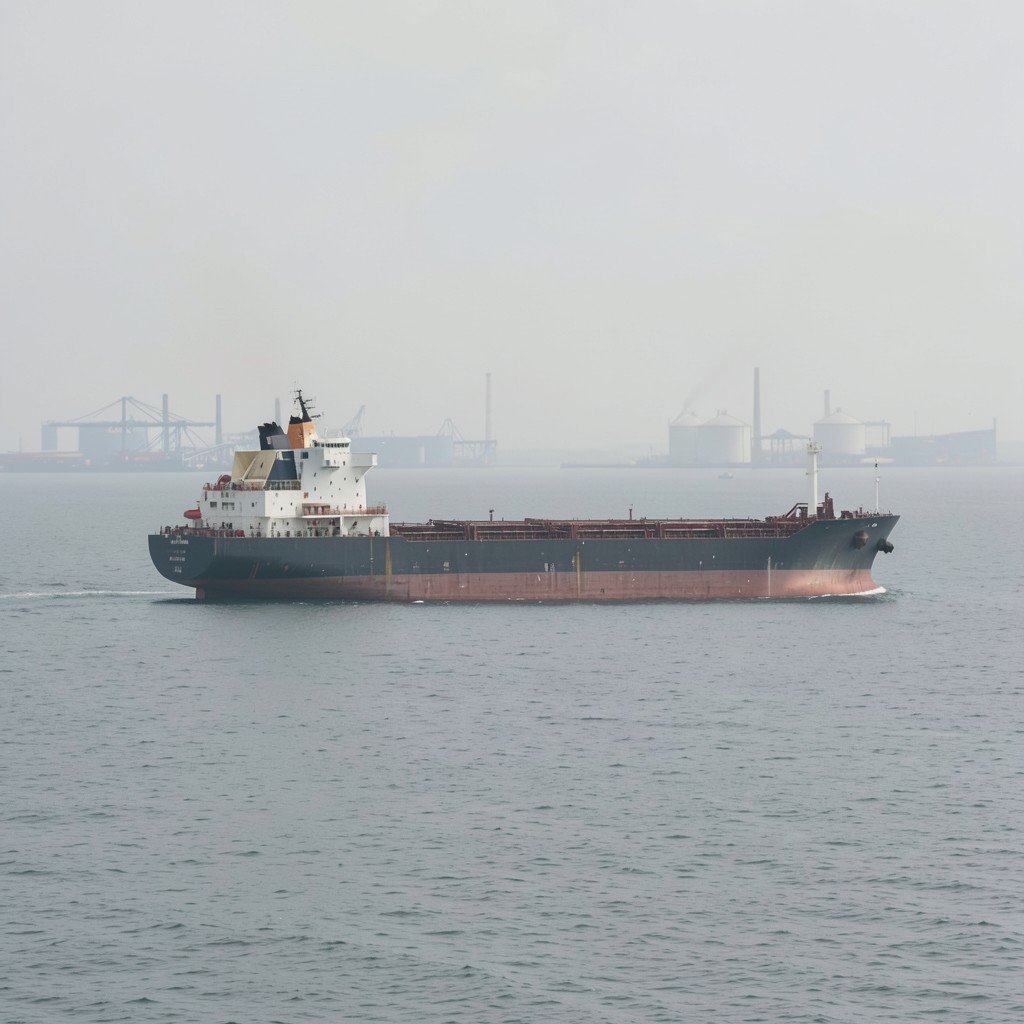
Washington has maintained rhetoric encouraging internal pressure on Tehran, with President Donald Trump discussing the possibility that war, sanctions and a naval blockade could lead to an internal uprising. Whether further escalation materialises remains uncertain, and no major ground operation involving ethnic militias has been confirmed.

MORE LIKE THIS

Comments (0)

Leave a comment

A verified Gmail account is required to post comments.

No comments yet. Be the first to share your thoughts!