
Qatar PM Visits Tehran to Revive US-Iran Dialogue Talks
news

Qatar PM Visits Tehran to Revive US-Iran Dialogue Talks

By Editorial TeamAug 27, 2026 · 6:20 AM4 min read
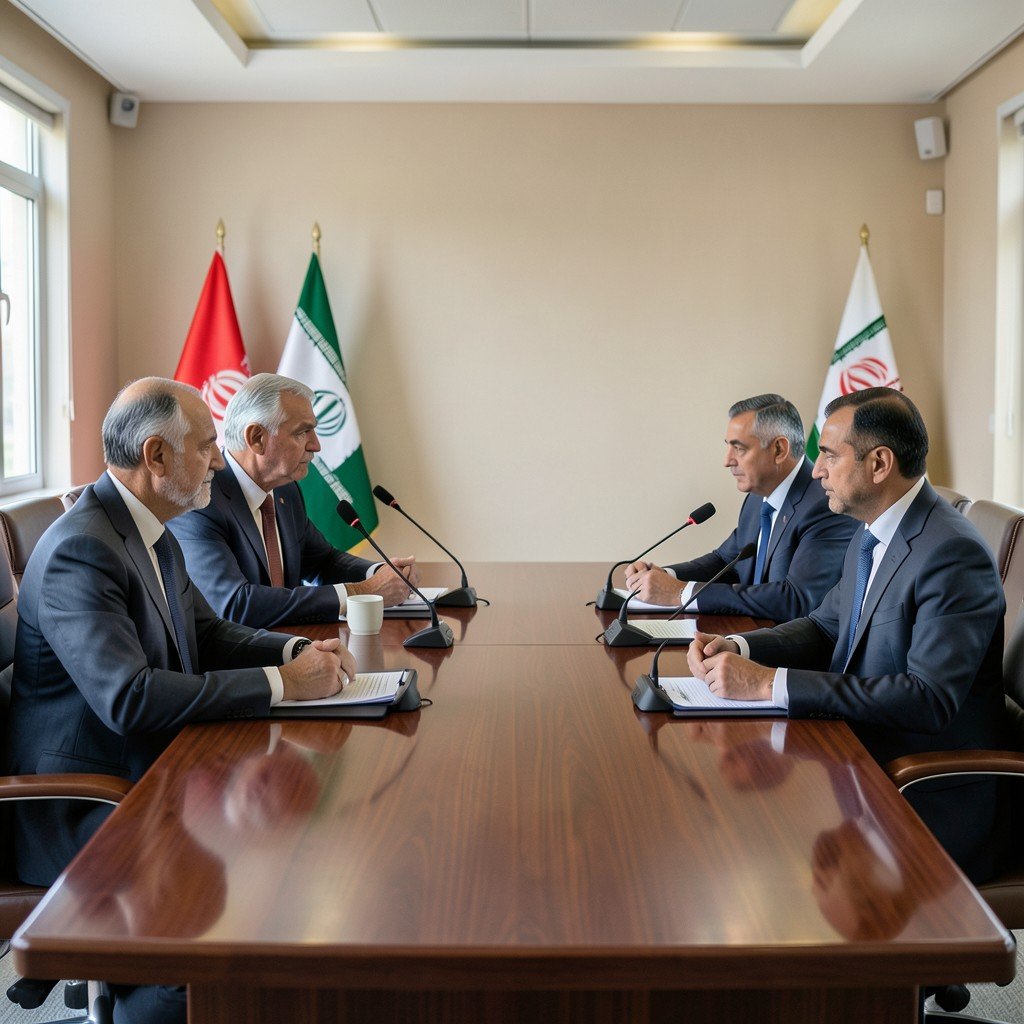
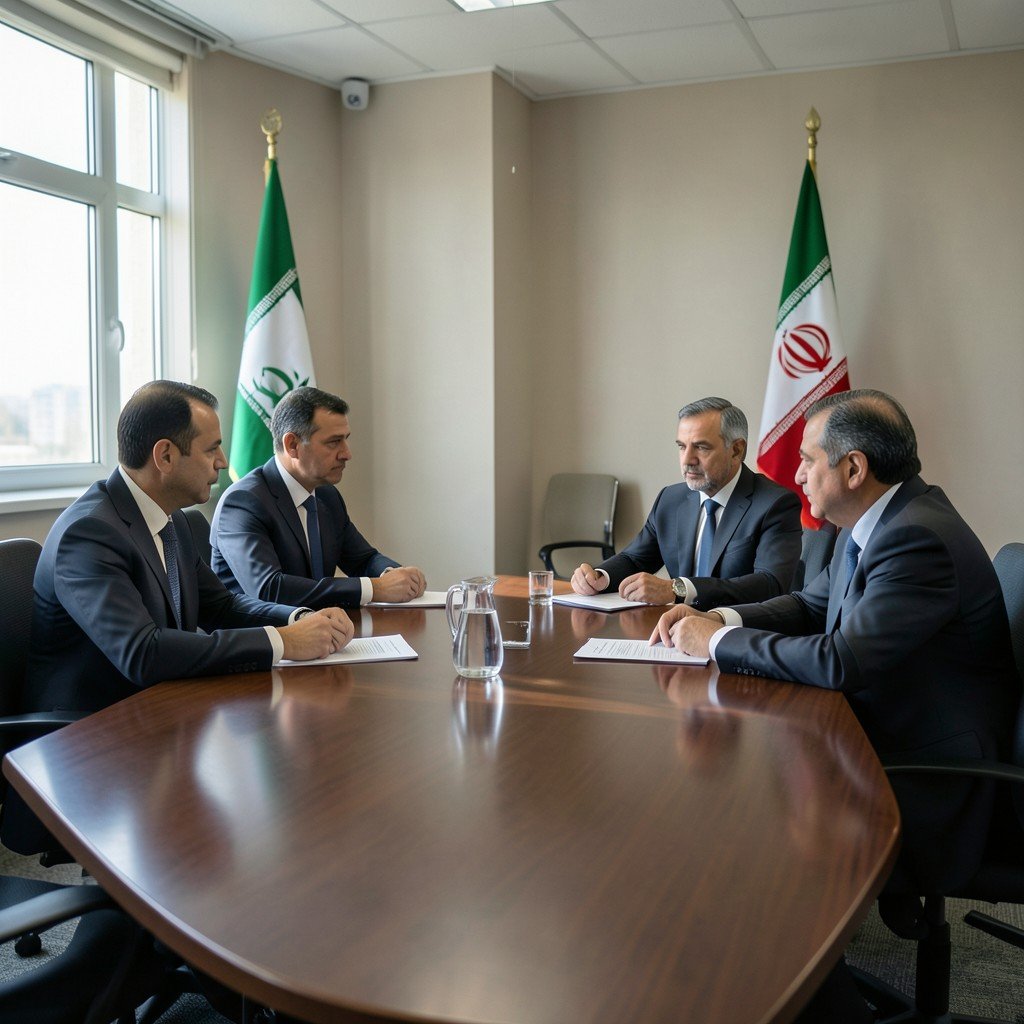
AI-generated representative image: A diplomatic meeting setting in Tehran, where Qatari and Iranian officials discuss mediation and regional de-escalation.
Editorial Team
Editorial Team
Sheikh Mohammed bin Abdulrahman Al Thani to meet Iranian officials as regional powers push to de-escalate tensions and reopen Strait of Hormuz negotiations.

Qatari Prime Minister Sheikh Mohammed bin Abdulrahman bin Jassim Al Thani is due to visit Tehran on Thursday for talks aimed at de-escalating tensions and reviving dialogue between Iran and the United States. Sheikh Mohammed, who also serves as Qatar's foreign minister, will meet with a number of Iranian officials to discuss ways to reduce hostilities and create conditions conducive to renewed negotiations.

The visit comes as the conflict between Washington and Tehran nears its sixth month, with a June memorandum of understanding having collapsed in July and no diplomatic breakthrough in sight. Qatar has long functioned as a back-channel negotiator between the two sides, and its renewed mediation effort signals the growing urgency among regional powers to prevent a wider war that could destabilize the global economy.

Diplomatic Push Details

Majed al-Ansari, a spokesman for Qatar's Ministry of Foreign Affairs, announced the visit in a statement on Wednesday, saying Sheikh Mohammed would discuss ways to de-escalate tensions and create conditions for dialogue. "The visit comes in line with the State of Qatar's firm position that the diplomatic path is the best means of resolving differences and promoting security and stability in the region," he said.

Iran has confirmed the visit, stating that discussions will cover the continuation of Qatar's mediation efforts and initiatives as well as other regional developments. Qatar's Foreign Ministry said the prime minister will also address the Strait of Hormuz, focusing on the need for the waterway to return to the status quo that existed prior to February 28.
Background of the Conflict

Qatar helped secure a memorandum of understanding in June that briefly paused hostilities between Iran and the United States. That agreement collapsed in July, and the conflict is now approaching its sixth month, with fighting largely paused but no diplomatic breakthrough achieved.

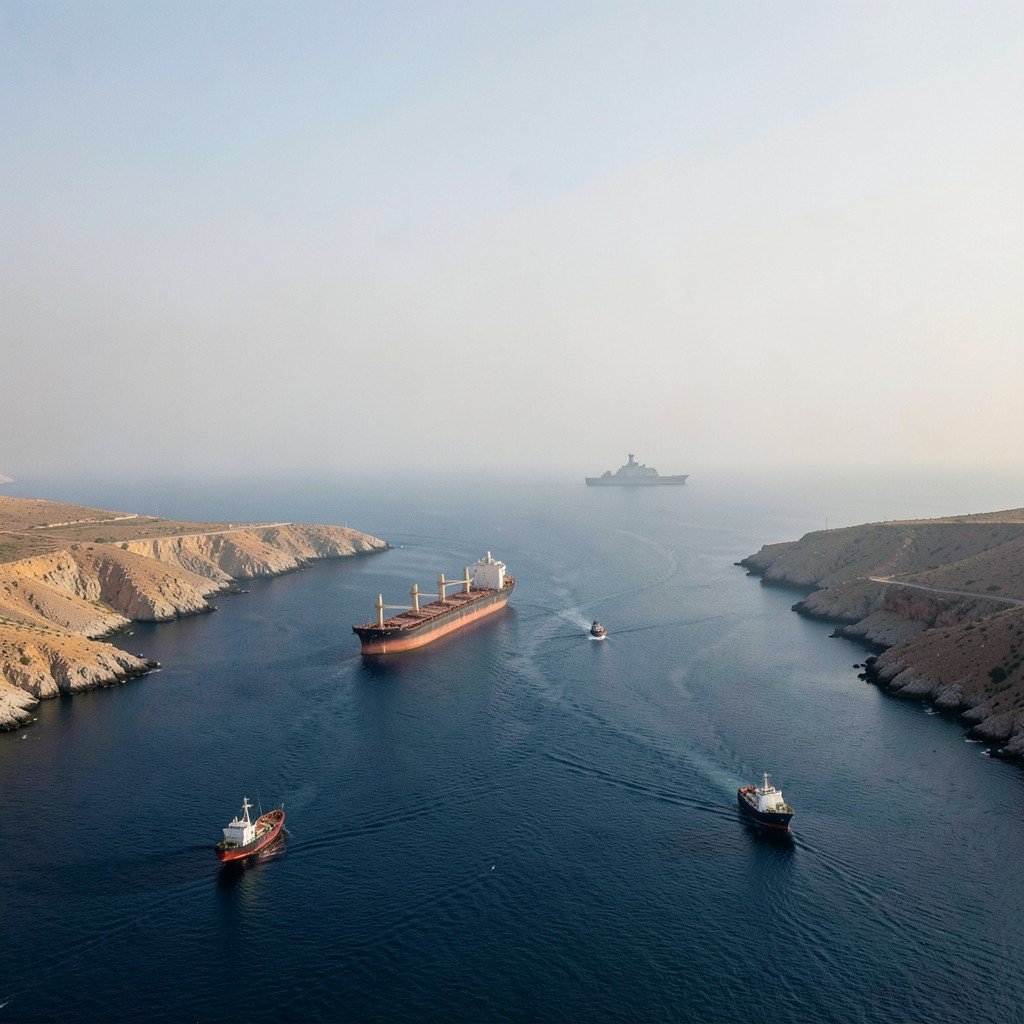
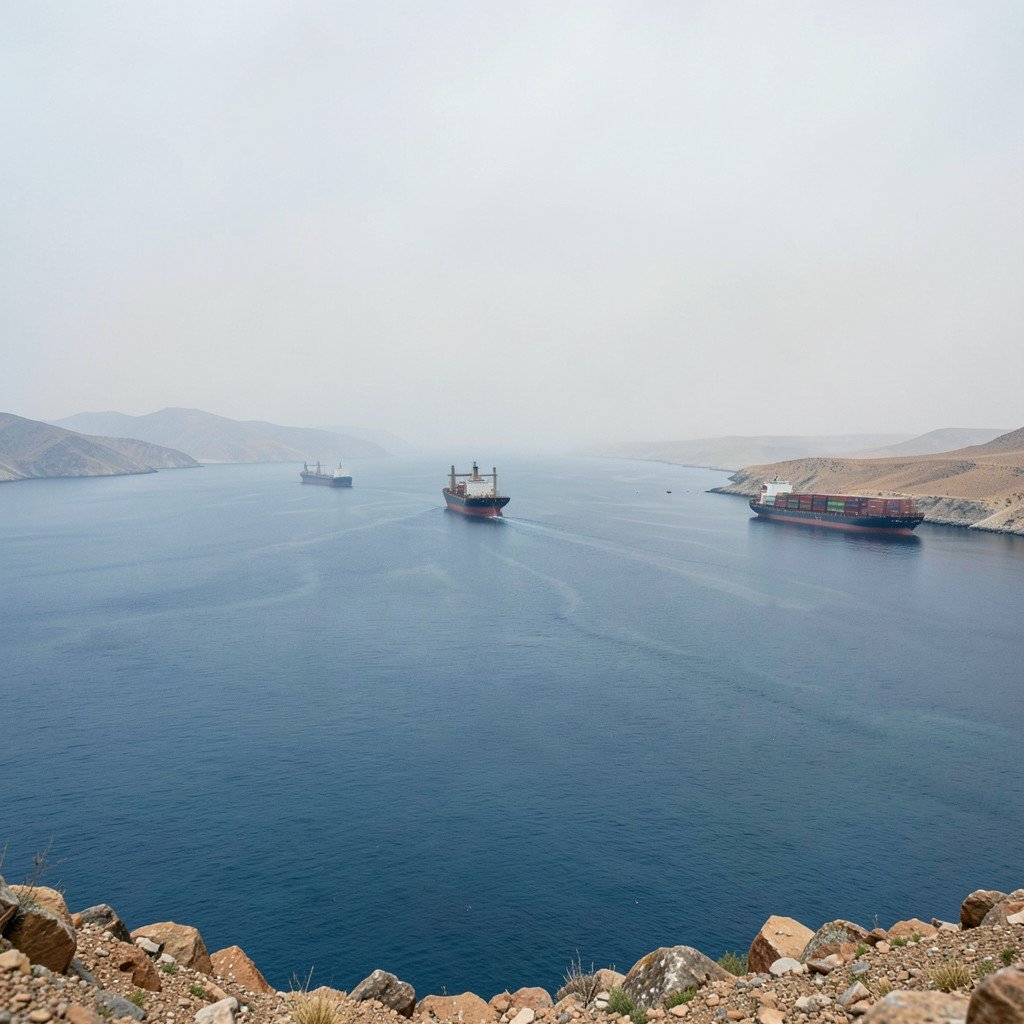
The two sides remain at odds over the Strait of Hormuz, a strategic waterway that handled one-fifth of global oil and liquefied natural gas shipments before the US-Israel war on Iran began in February. Iran wants control over the strait, while the United States insists it remain an international waterway free for all. This disagreement contributed to the collapse of the June memorandum.

Oil flows through the strait have since fallen to a three-month low, with just 5 million barrels per day transiting on Monday. Before the war, the strait carried roughly 20 million barrels per day of crude oil.

Official Statements and Regional Diplomacy

US President Donald Trump told Al Jazeera on Wednesday that he was in no hurry to resume talks with Iran, saying he believed economic and military action against Tehran were both effective. "I have no time schedule; whatever it takes," he said. The United States has promised to increase economic pressure on Tehran by sanctioning its trade partners.

Iran's Foreign Minister Abbas Araghchi wrote to the United Nations on Wednesday, calling the new sanctions an act of state and economic terrorism and urging member states not to implement them. He said the sanctions deliberately harm civilians by restricting access to food, medicine, medical equipment, energy and other essentials, violating rights including the rights to life, health, food and an adequate standard of living.

The visit also follows a series of regional diplomatic efforts. Omani Foreign Minister Badr Albusaidi met Araghchi in Tehran two days earlier, after which Iran's deputy foreign minister, Kazem Gharibabadi, said the two countries had agreed on a new temporary shipping route in the strait. He insisted the waterway will not reopen until the US fulfils its commitments under the June deal, including lifting sanctions and releasing frozen assets. Pakistan's army chief, Asim Munir, also visited Tehran earlier in the week in a bid to end the stalemate, with Islamabad reporting significant progress in those talks.

What Lies Ahead

Mostafa Khoshcheshm, a professor at the University of Applied Sciences in Tehran, said regional countries are pushing for dialogue because they believe the situation is moving toward escalation. He warned that a fully-fledged war would spill over into the entire region and beyond, leaving a detrimental impact on the global economy.

Sheikh Mohammed's meetings in Tehran on Thursday are expected to focus on reviving mediation and addressing the Strait of Hormuz dispute. No specific timeline for a resumption of US-Iran talks has been confirmed.

MORE LIKE THIS

Comments (0)

Leave a comment

A verified Gmail account is required to post comments.

No comments yet. Be the first to share your thoughts!