
Iran Braces Economy for Survival as US Threatens New Sanctions Wave
news

Iran Braces Economy for Survival as US Threatens New Sanctions Wave

By Editorial TeamAug 19, 2026 · 7:00 AM4 min read
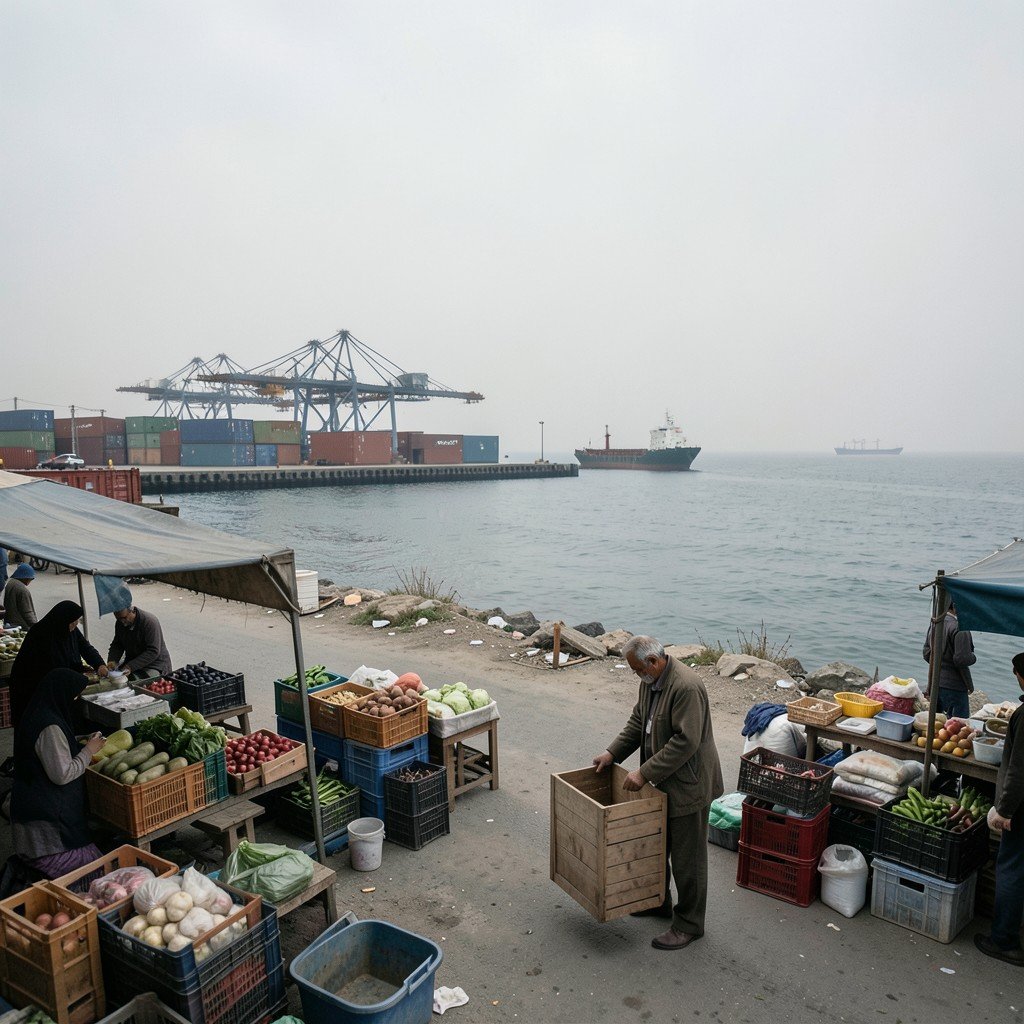
AI-generated representative image: A quiet Iranian port market and dock area reflect economic strain amid renewed sanctions pressure.
Editorial Team
Editorial Team
Washington signals unprecedented restrictions while Tehran keeps the Strait of Hormuz closed and reroutes imports through land corridors

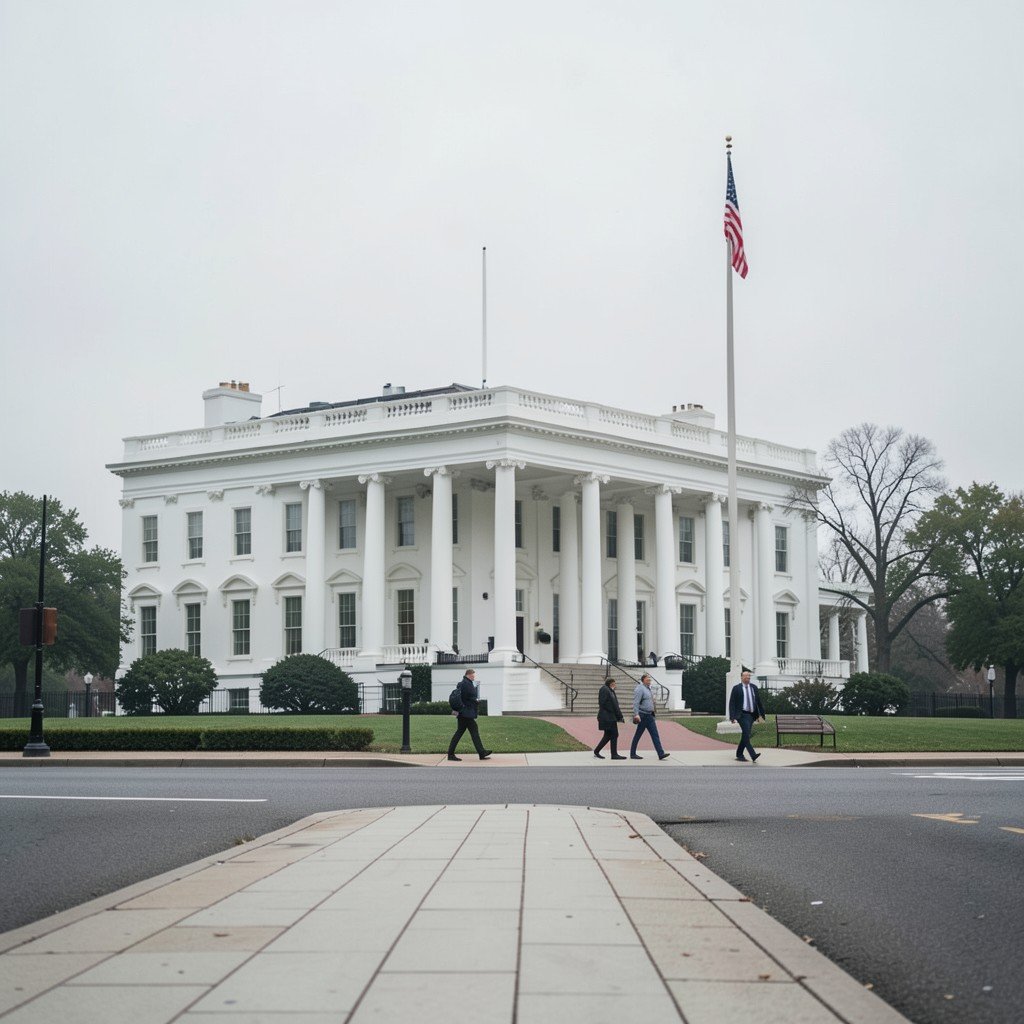
The United States is preparing to impose a new wave of economic restrictions on Iran as early as this week, while Tehran insists the strategically vital Strait of Hormuz will remain closed until Washington fulfills the terms of a now-expired memorandum of understanding. Treasury Secretary Scott Bessent said last Thursday the measures would be unlike anything "ever seen in the history of economic isolation on a country," and President Donald Trump echoed the warning a day later.

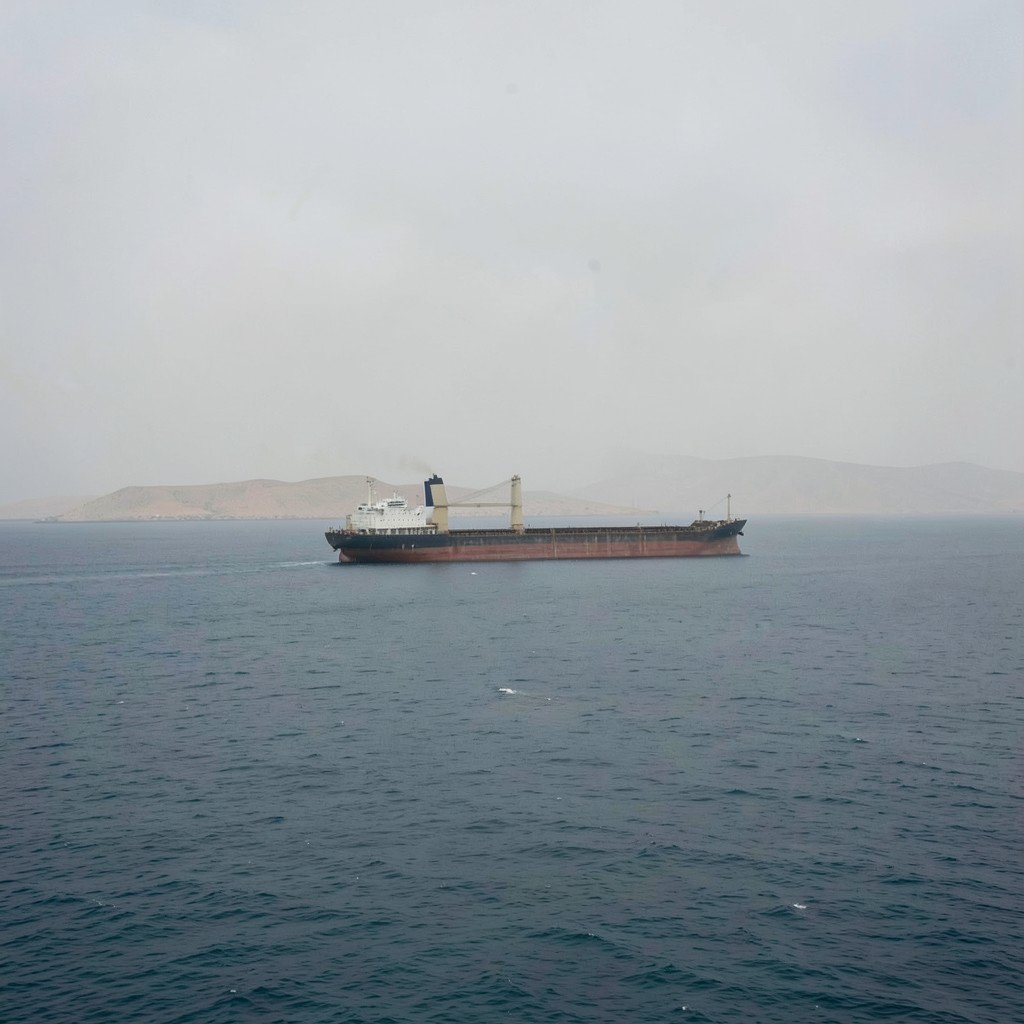
The escalation comes amid a naval blockade, trade embargoes, asset freezes and attacks on shipping, deepening a confrontation that has already halted Iran's oil exports and strained the living standards of its roughly 90 million people.

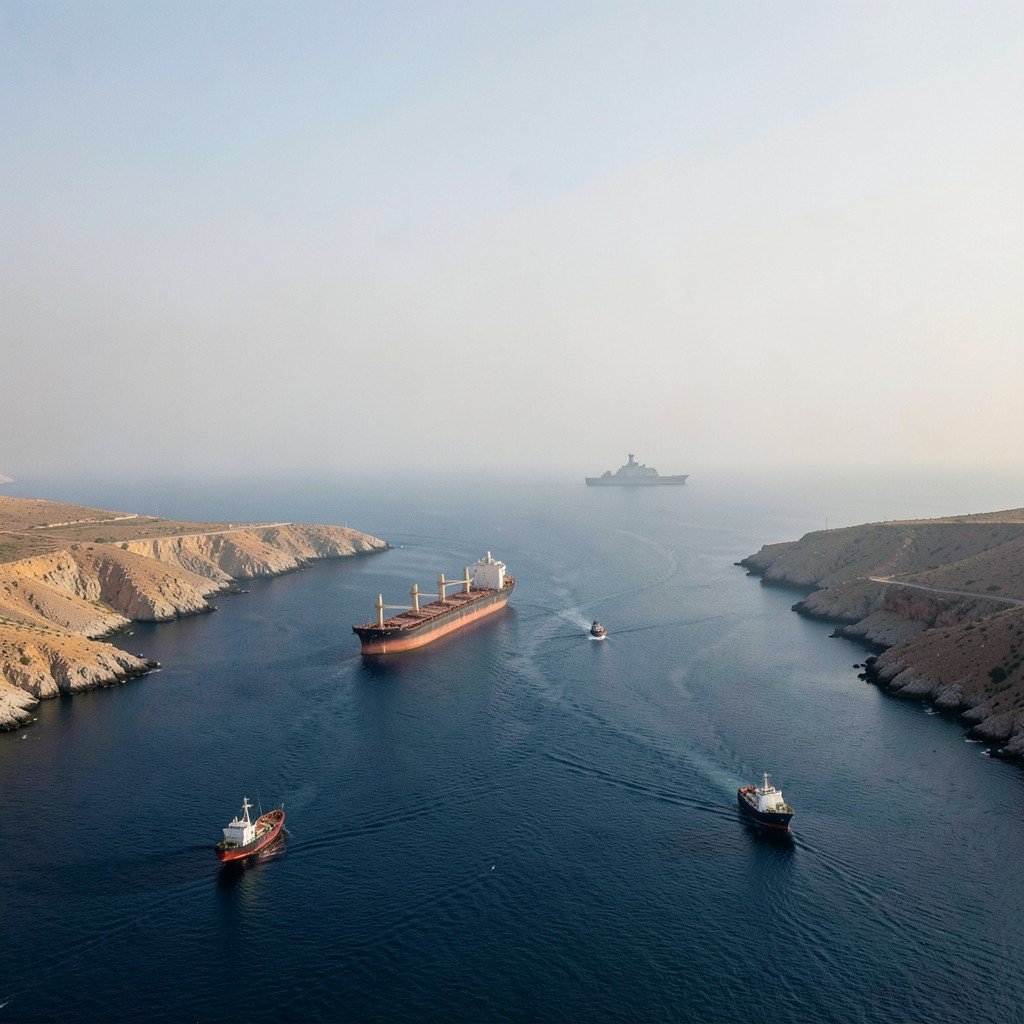
The standoff carries consequences far beyond Iran's borders. The Strait of Hormuz, which Iran's parliament speaker says will stay shut, previously carried about one-fifth of the world's oil and natural gas. Economists warn that a full resumption of armed conflict would disrupt global energy flows and ripple through the wider economy, raising the stakes for policymakers in Washington, Tehran and Beijing alike.

Escalating Economic Pressure

Washington has sanctioned more than 1,000 Iran-related persons, vessels and aircraft since February 2025, according to the Treasury's Office of Foreign Assets Control. The forthcoming restrictions could expand to include additional independent Chinese refineries, known as "teapots," that buy or process Iranian crude, and may extend to designating larger Chinese banks involved in Iran-linked funds.

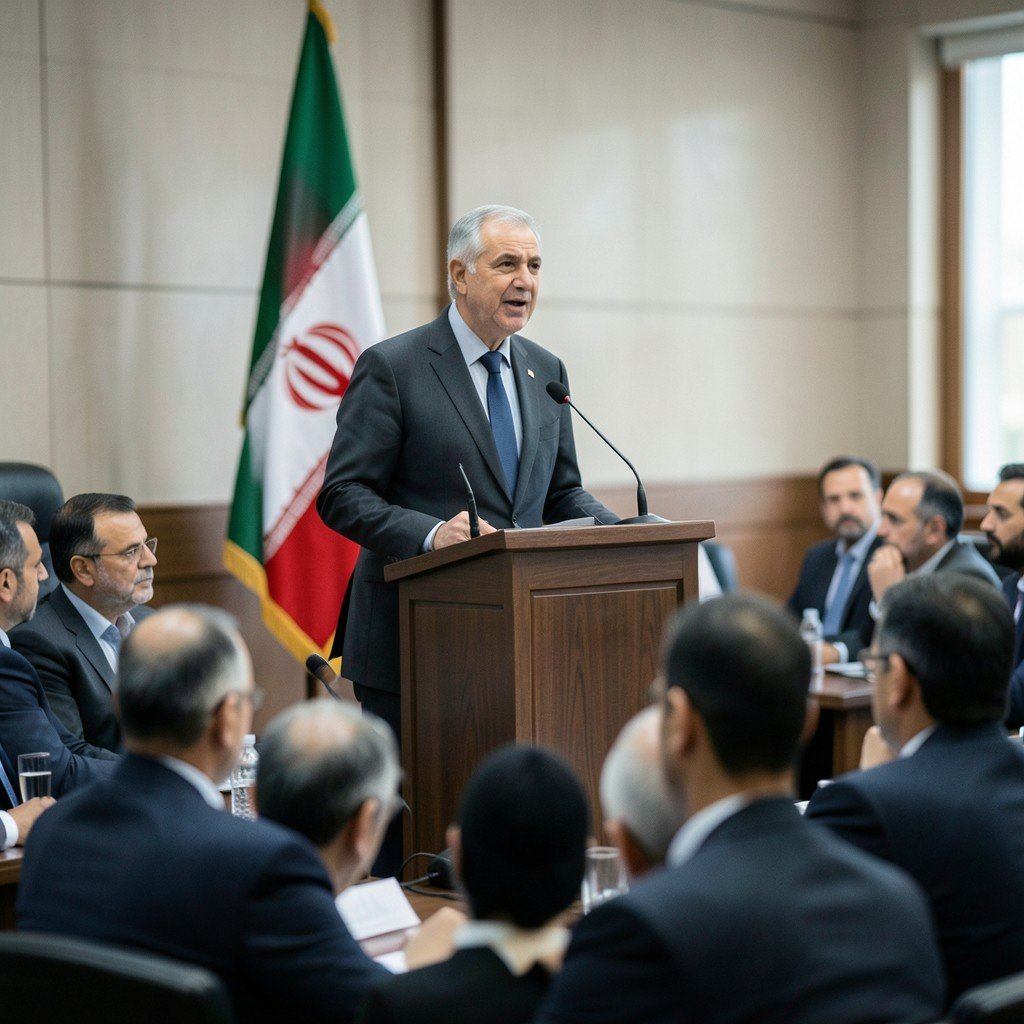
Iran's parliament speaker and top negotiator, Mohammad Bagher Ghalibaf, told state media on Tuesday that the Strait of Hormuz would remain closed until the United States lifts the blockade, releases frozen assets, ends oil sanctions and halts threats and military operations on all fronts. Meanwhile, President Masoud Pezeshkian's administration this week named stabilising markets, protecting livelihoods and strengthening national resilience as its priorities for the next two years.
Background of the Blockade

The memorandum of understanding expired on Monday, after a brief ceasefire period during which the blockade was lifted for several weeks in late June and early July. That window allowed Iran to rapidly export oil stored on supertankers and gave its military time to regroup. Oil exports have since stopped again, and US and Israeli authorities have discussed disrupting Iran's inland imports to increase pressure.

To survive the blockade, Iran has delegated authorities to border provinces to import essential goods and build inventories, and has rerouted imports of food, consumer goods and industrial inputs through land borders with Pakistan and Turkiye, as well as through the Caspian Sea with Russia and Central Asia. The pressure has compounded structural economic problems rooted in decades of corruption, mismanagement and international isolation.

Economic Analysis and Energy Risks

Mohammad Reza Farzanegan, professor of economics of the Middle East at Philipps-Universitat Marburg in Germany, said the naval blockade combines traditional sanctions with military force to create a physical shortage of goods. He noted that Iran currently appears to be leaning toward continuing armed conflict to break the blockade rather than accepting a deal dictated by Washington, and warned that a full resumption of conflict would impose costs on the global economy through disruptions in the Strait of Hormuz.

Mahdi Ghodsi, a senior economist at the Vienna Institute for International Economic Studies, said energy remains the most powerful source of US leverage over Iran. He cautioned that if the blockade persists into autumn and winter, the country risks severe supply shortages in electricity, gas and water, prompting deeper rationing and temporary industrial shutdowns. Ghodsi added that sustainable growth would require both external de-escalation and domestic political reform.

What Lies Ahead

Negotiations with Oman and other mediators over a potential temporary arrangement in the Strait of Hormuz have stalled. Iranian authorities have signaled they could shift to offensive operations while preparing to counter a potential ground invasion. Trump has called on Tehran to hold up a "white flag of surrender" but insisted he is in no rush to end the war. Further official confirmation of the new US sanctions package remains awaited.

MORE LIKE THIS

Comments (0)

Leave a comment

A verified Gmail account is required to post comments.

No comments yet. Be the first to share your thoughts!