
Lebanon Economic Crisis Deepens as Israeli Attacks Push Prices Up
news

Lebanon Economic Crisis Deepens as Israeli Attacks Push Prices Up

By Editorial TeamAug 17, 2026 · 8:08 AM3 min read
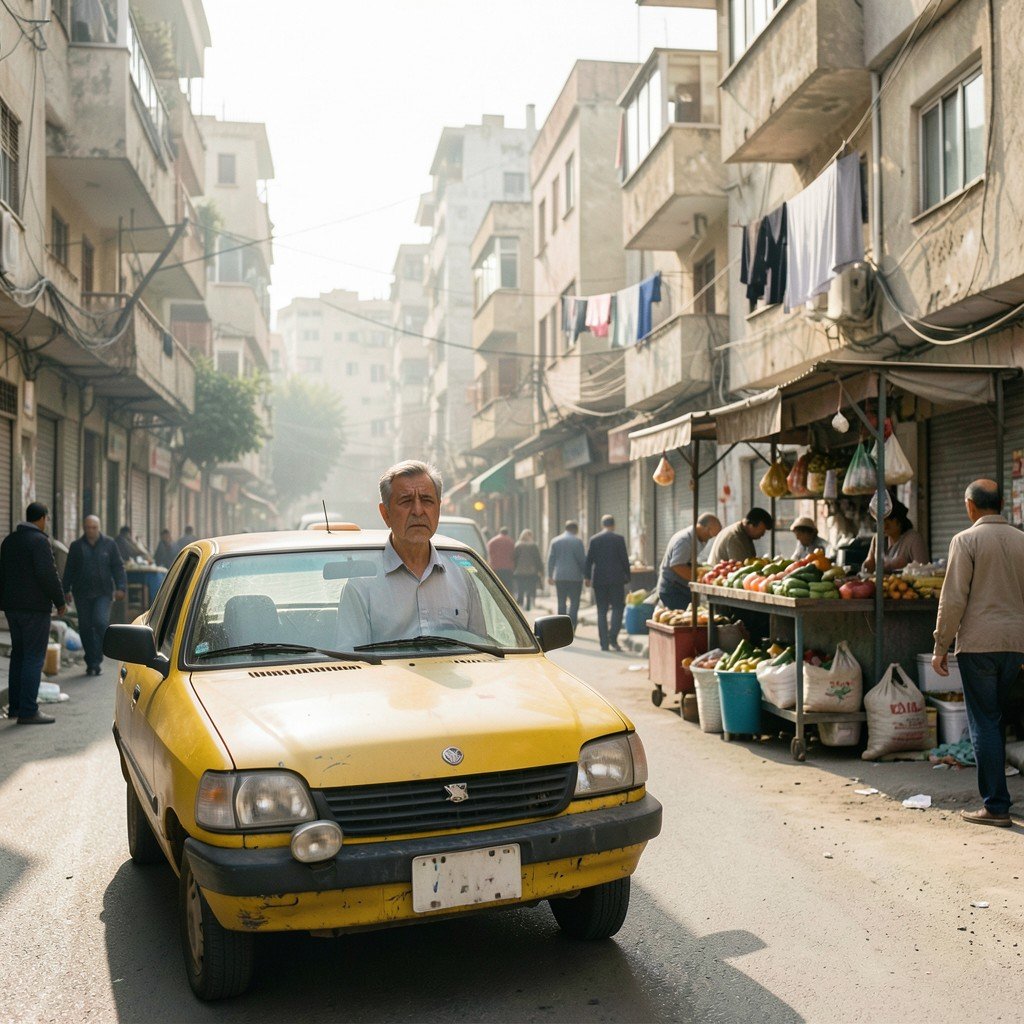
AI-generated representative image: A taxi driver in Beirut reflects daily economic strain amid Lebanon's deepening financial crisis and rising prices.
Editorial Team
Editorial Team
Fuel and food inflation compound poverty in a nation reeling from war and financial collapse

Lebanese families are struggling to make ends meet as the country's long-running financial crisis deepens amid Israeli attacks that have devastated homes and farmland, Voice of Urdu correspondent Steve Sweeney reports from Beirut.

Gasoline prices soared by around 25% in February, while food and rent costs spiked by roughly 20% last year, adding pressure in a country where more than a third of the population lives below the poverty line, according to World Bank estimates.

The economic strain is being felt across Lebanese society, with many residents also grappling with unpaid wages. The situation has raised fears of deepening social unrest as families face rising costs for basic necessities while incomes remain stagnant or unpaid.

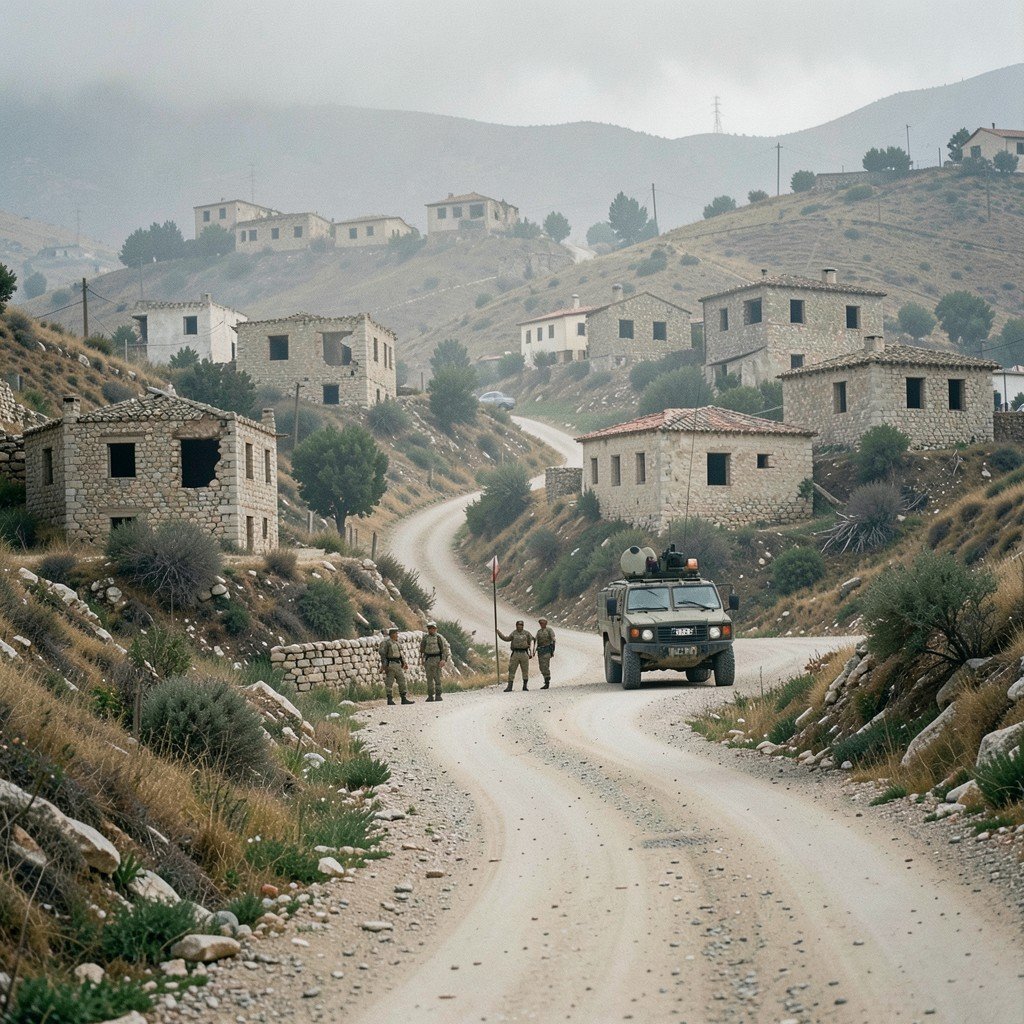
The financial deterioration is unfolding against the backdrop of continued Israeli military activity and occupation of parts of southern Lebanon, which has compounded an economic crisis that began with the country's 2019 financial collapse.

Worsening Economic Conditions

  • Gasoline prices increased by approximately 25% in February alone.
  • Food and rent costs rose by around 20% over the past year.
  • More than one-third of Lebanon's population now lives below the poverty line, based on World Bank estimates.
  • Many Lebanese workers are dealing with unpaid wages amid the broader downturn.

A local taxi driver told Voice of Urdu that the country is "living on borrowed time" and dependent on international decisions and aid for basic necessities.
Roots of the Crisis

Lebanon's economic crisis dates back to its 2019 financial collapse, which triggered a severe currency devaluation, banking sector paralysis, and widespread loss of savings. The economy has since come under further strain from Israel's war and its continuing occupation of parts of southern Lebanon.

The conflict has disrupted agricultural production and destroyed infrastructure in the south, an area that has historically been a significant source of farming output and rural livelihoods for the country.

Damage to Agricultural Land

About 56,000 hectares (138,000 acres) of agricultural land had been damaged by Israeli attacks as of early May, according to Lebanon's Agriculture Ministry. The ministry said the areas directly affected amounted to around 22% of all agricultural land located in the conflict-affected parts of southern Lebanon.

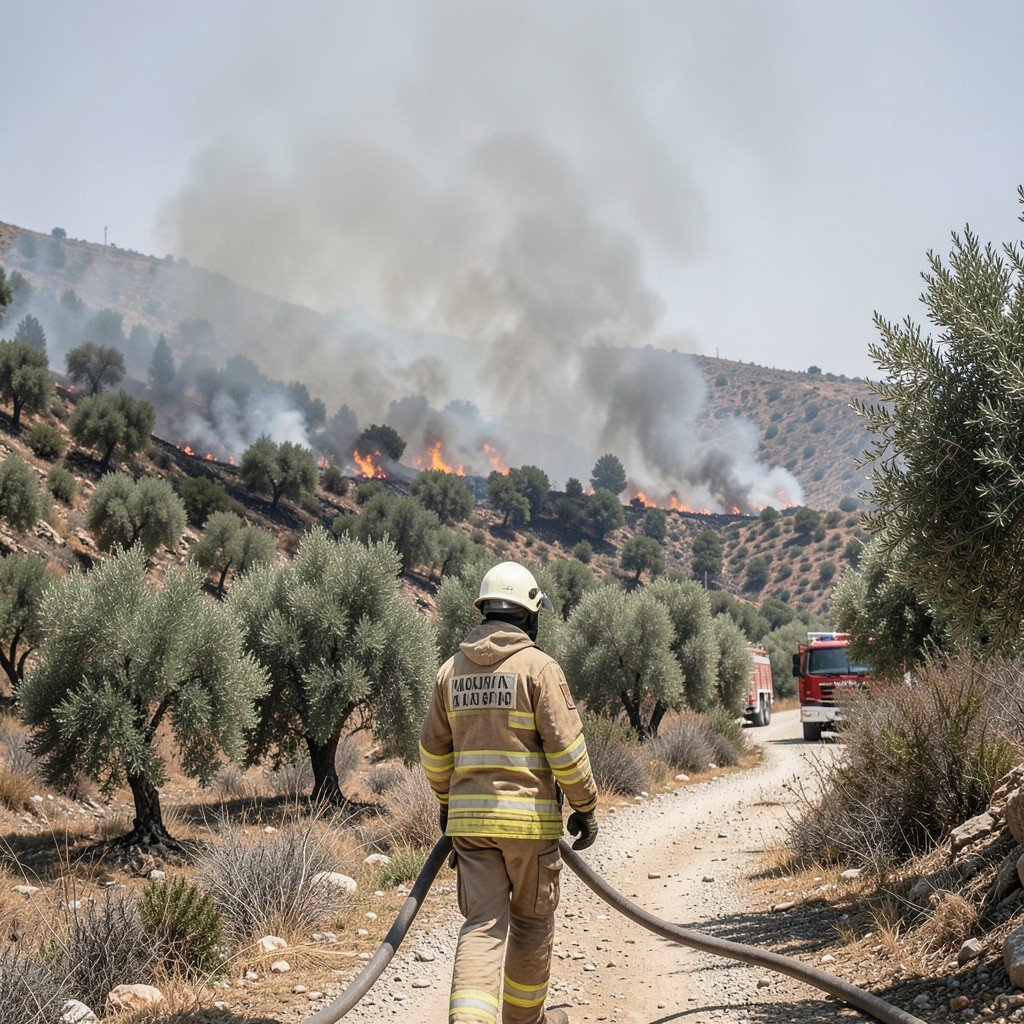
The Israel Defense Forces have reportedly deliberately ignited wildfires in woodland, farmland, and olive groves in southern Lebanon since the June 17 ceasefire with Hezbollah, further threatening agricultural livelihoods in the region.

Outlook and Concerns

Residents have expressed growing alarm over the trajectory of the crisis. One taxi driver warned that "if the economic situation continues as it is, there will be a social explosion," adding that "people will turn against one another because when hunger strikes, boundaries disappear."

The situation remains fluid, with Lebanon continuing to depend heavily on international aid and foreign decisions for access to basic necessities. No immediate relief measures have been officially confirmed.

MORE LIKE THIS

Comments (0)

Leave a comment

A verified Gmail account is required to post comments.

No comments yet. Be the first to share your thoughts!