
Shell Profits Double as Iran War Disrupts Global Oil Markets
business

Shell Profits Double as Iran War Disrupts Global Oil Markets

By Editorial TeamAug 1, 2026 · 7:55 PM3 min read
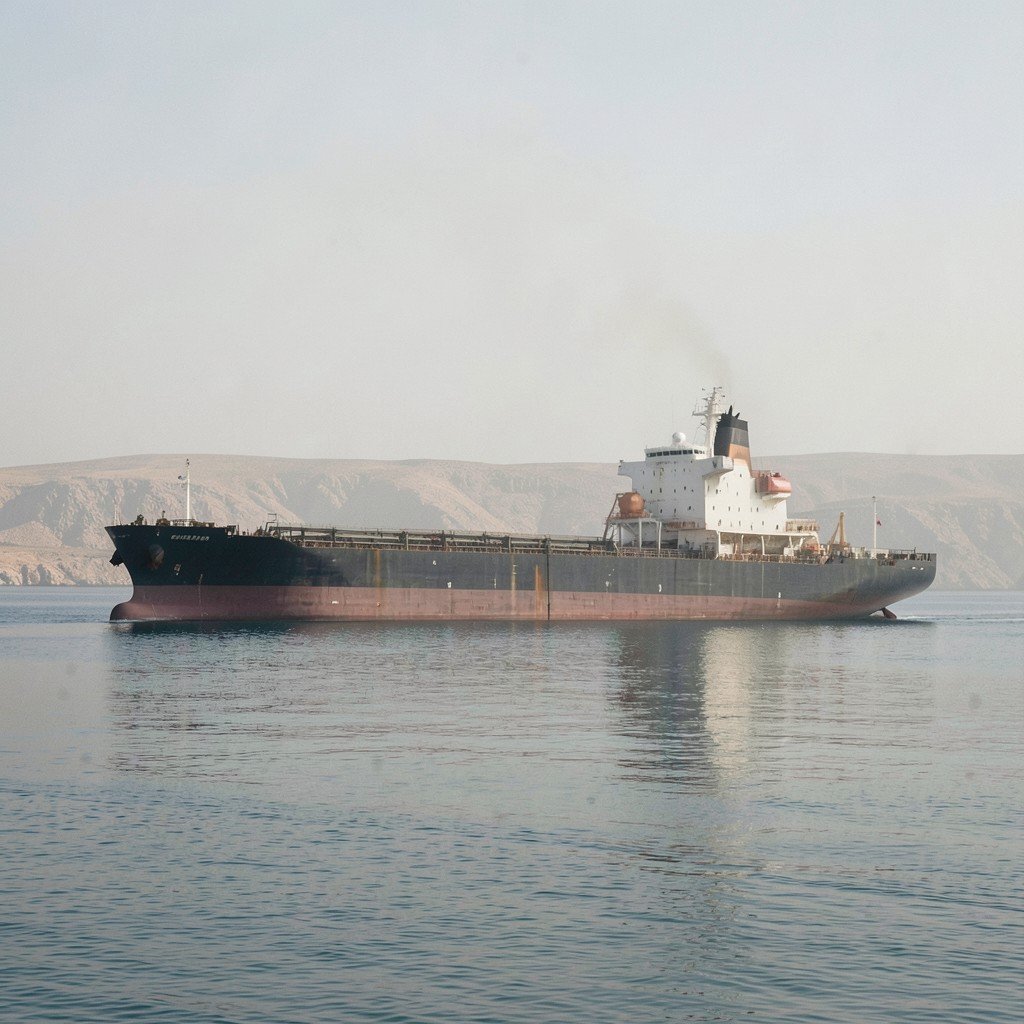
AI-generated representative image: An oil tanker in the Strait of Hormuz, the critical shipping chokepoint disrupted by ongoing Middle East conflict.
Editorial Team
Editorial Team
Energy giant reports $9.84 billion in Q2 earnings as crude price surges and LNG trading gains offset Middle East operational damage

Shell posted second-quarter profits of $9.84 billion (£7.37bn), more than double the $4.26 billion recorded during the same period last year, as the ongoing US-Israel war with Iran sent oil prices sharply higher and disrupted global energy supplies through the Strait of Hormuz.

The results, published Thursday, bring Shell's first-half earnings to a 70% surge compared to the prior year, with the company's trading division benefiting from extreme price volatility in crude and liquefied natural gas markets.

The enormous profit jump underscores how armed conflict in the Middle East continues to reshape global energy markets, enriching major oil producers while straining households worldwide with elevated fuel costs and energy bills. Shell's windfall mirrors similarly strong results at BP and Norway's Equinor, raising fresh scrutiny over the industry's role during a period of geopolitical instability and climate crisis.

Profit Surge and Market Drivers

Shell's April-to-June earnings of $9.84 billion, combined with first-quarter profits of $6.92 billion, delivered a 70% increase in first-half earnings compared to 2025. The company attributed the performance to strong operational delivery during what chief executive Wael Sawan described as "another quarter of severe disruption in global energy markets."

Brent crude, the global benchmark, was trading around $73 per barrel before the conflict erupted. Since then, prices have peaked above $120 and subsequently fallen back below $100 amid speculation over when the Strait of Hormuz, a critical chokepoint for global oil and LNG shipments, might reopen. These wide price swings widened the gap between buying and selling prices, enabling Shell's trading desk to capture larger profits.

Operational Damage from Middle East Conflict

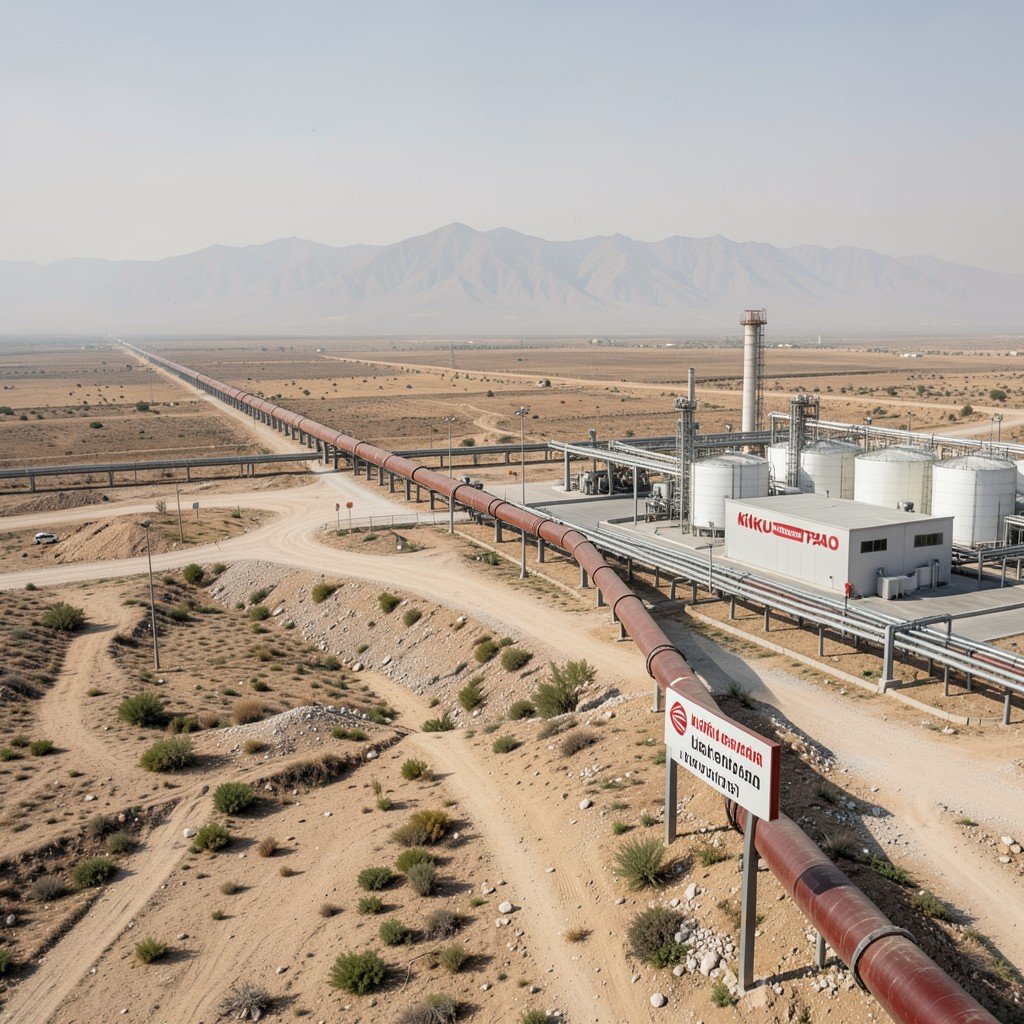
While Shell's trading arm flourished, the war inflicted direct damage on the company's physical assets. LNG production in Qatar has remained shut down since early March due to the conflict. Separately, Shell's Pearl gas-to-liquids facility in Qatar sustained "extensive damage" from a missile strike in March, with the company estimating repairs could take approximately one year.

The disruption caused overall gas production to fall to 631,000 barrels of oil equivalent per day during the second quarter, down sharply from 909,000 barrels per day in the first quarter. Total oil and gas production across the first half of the year dropped 16% compared with the same period in 2025, though Shell highlighted new production coming online in Brazil and the Gulf of Mexico as partial offsets.

Analyst and Campaigner Reactions

Maurizio Carulli, global energy analyst at Quilter Cheviot, said Shell's trading operation delivered "the standout contribution" to the results and demonstrated "the value of its integrated business model, supported by healthy refining and chemicals performance and robust production growth in Brazil." He added that Shell "remains a steady ship in an industry where conditions can change rapidly."

Environmental campaigners condemned the results. Danny Gross, energy campaigner at Friends of the Earth, said: "With extreme heatwaves and wildfires hitting the UK and ravaging Europe, it's outrageous that Shell is making huge profits while continuing to fuel the climate crisis." Gross argued the profits were "built on an energy crisis that's left households across the country struggling with high energy bills at home and expensive fuel at the pumps" and called for an end to dependence on "costly oil and gas."

What Lies Ahead

Shell's near-term outlook remains tied to the trajectory of the Middle East conflict and the status of the Strait of Hormuz. The company's Qatar LNG operations remain offline with no confirmed restart date, and the damaged Pearl facility is expected to require roughly a year of repairs. Meanwhile, new production from Brazil and the Gulf of Mexico will partially offset Middle East losses, though overall output remains significantly below pre-conflict levels.

MORE LIKE THIS

Comments (0)

Leave a comment

A verified Gmail account is required to post comments.

No comments yet. Be the first to share your thoughts!