
Iraqi Envoy Predicts 4 Million Iranian Pilgrims for Arbaeen 2026
news

Iraqi Envoy Predicts 4 Million Iranian Pilgrims for Arbaeen 2026

By Editorial TeamAug 1, 2026 · 6:55 PM3 min read
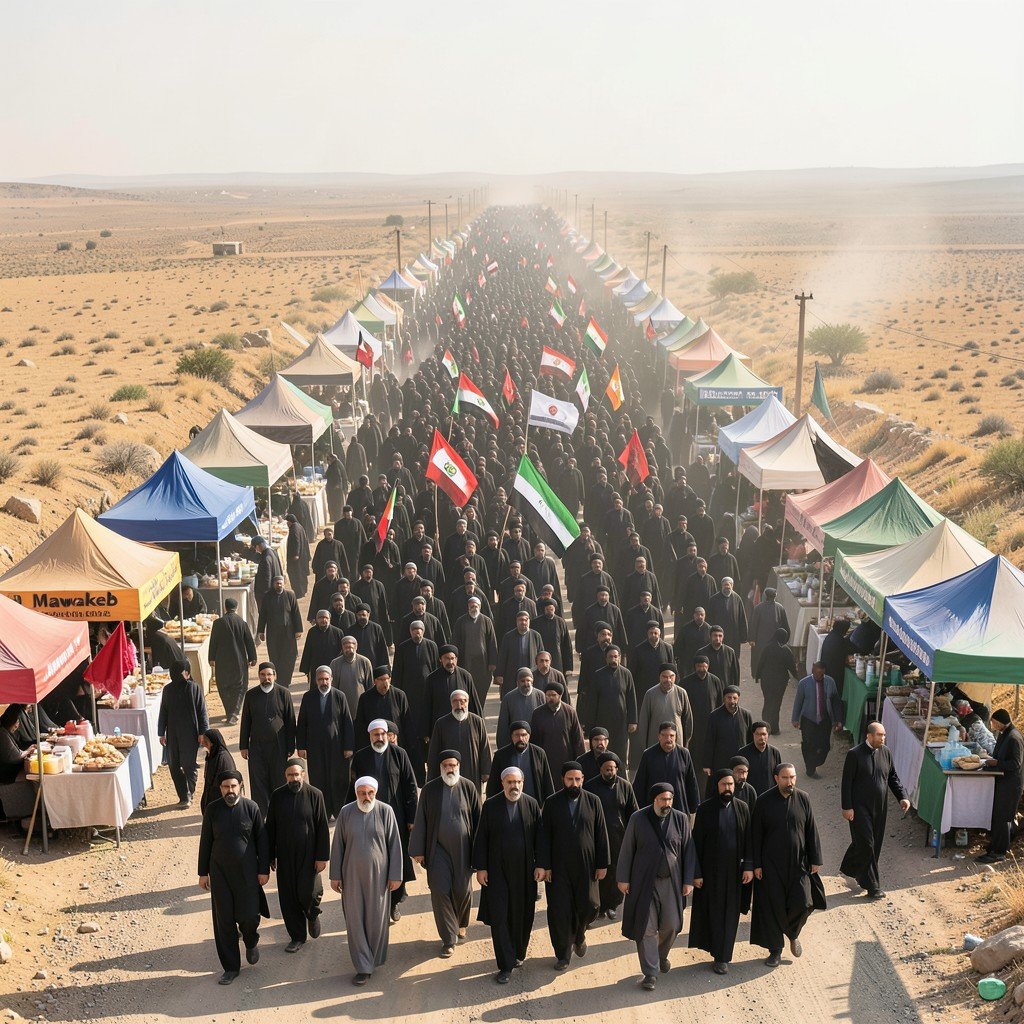
AI-generated representative image: Pilgrims walk the Najaf-to-Karbala route during the annual Arbaeen pilgrimage, with volunteer-run Mawakeb service tents visib
Editorial Team
Editorial Team
Ambassador Yasser Abdulzahra Al-Hajjaj visits Mashhad, hailing the Karbala pilgrimage as the greatest symbol of Iran-Iraq solidarity.

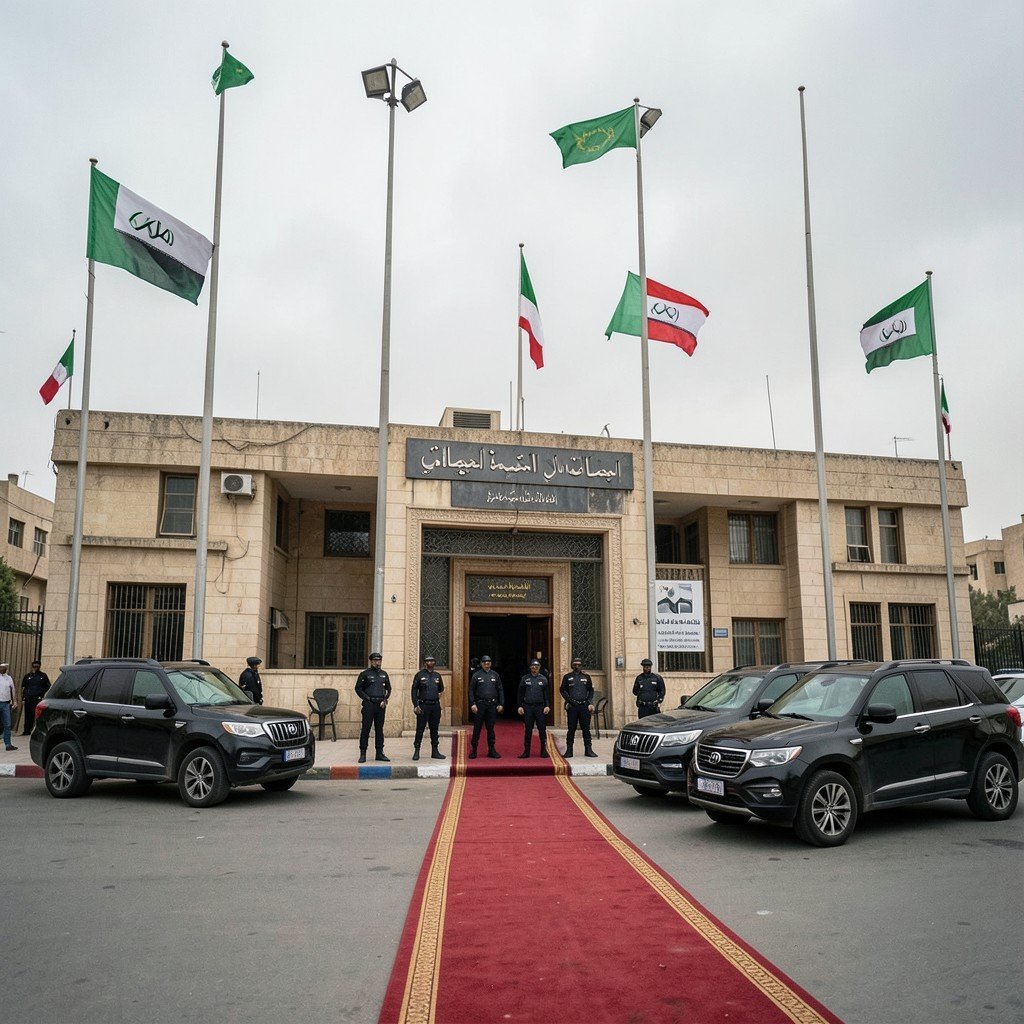
Iraq's newly appointed ambassador to Iran, Yasser Abdulzahra Al-Hajjaj, has predicted that approximately four million Iranian pilgrims will participate in this year's Arbaeen ceremonies in Karbala. The announcement came during his first official visit to the northeastern Iranian city of Mashhad, where he visited the holy shrine of Imam Reza (AS) ahead of the upcoming pilgrimage season.

The Arbaeen pilgrimage, which marks the end of the 40-day mourning period following the martyrdom of Imam Hussein (AS), has grown into one of the world's largest annual religious gatherings. The projected figure of four million Iranian attendees underscores the deep religious and cultural ties between the two neighboring countries, with the event serving as a powerful symbol of cross-border solidarity.

Ambassador's Mashhad Visit and Key Statements

During his trip to Mashhad, Al-Hajjaj held a meeting with Ayatollah Ahmad Marvi, the custodian of Astan Quds Razavi, the charitable organization overseeing the Imam Reza shrine complex. The ambassador also visited the resting place of the late Leader of the Islamic Revolution, Ayatollah Seyed Ali Khamenei, to pay his respects.

Speaking on the sidelines of his pilgrimage, Al-Hajjaj described Arbaeen as "the greatest manifestation of solidarity between the peoples of Iran and Iraq." He noted that millions of pilgrims from various countries, with Iranians forming the largest contingent, travel the path of devotion toward Karbala annually, and that the massive religious gathering continues to expand in scale.
The Significance of Arbaeen

Arbaeen occurs 40 days after Ashura, the day Imam Hussein (AS), the grandson of Prophet Muhammad, was martyred in the Battle of Karbala in 680 CE. Each year, millions of Shia Muslims from around the world undertake a pilgrimage on foot toward the holy city of Karbala in central Iraq, where the Imam's shrine is located.

The Najaf-to-Karbala route, spanning approximately 80 kilometers, becomes the central artery of the pilgrimage. Along this path, thousands of Mawakeb, or volunteer-run service camps, provide free food, water, shelter, and medical care to pilgrims. These camps are operated by both Iraqi and Iranian communities and have become a defining feature of the event.

Mawakeb as a Symbol of Bilateral Unity

Al-Hajjaj highlighted the Mawakeb along the Najaf-to-Karbala route as "one of the clearest manifestations of solidarity between the two nations." He emphasized that serving the pilgrims of Imam Hussein (AS) transcends administrative duty, representing instead a culture of sacrifice, brotherhood, and friendship shared by both Muslim nations.

"This culture becomes more evident every year during the Arbaeen march," the ambassador stated, reinforcing the idea that the pilgrimage is not only a religious observance but also a living expression of the enduring bond between the Iranian and Iraqi peoples.

Preparations Underway

With the Arbaeen pilgrimage season approaching, both Iranian and Iraqi authorities are expected to coordinate border crossings, security arrangements, and logistical support to accommodate the anticipated influx of millions of pilgrims. The ambassador's visit to Mashhad signals the beginning of high-level diplomatic engagement ahead of the event, though specific operational details have yet to be announced.

MORE LIKE THIS

Comments (0)

Leave a comment

A verified Gmail account is required to post comments.

No comments yet. Be the first to share your thoughts!