
US-Iran Talks End Without Deal as Strike Fears Rise
news

US-Iran Talks End Without Deal as Strike Fears Rise

By Editorial Team•Nov 2, 2026 · 5:47 PM•3 min read
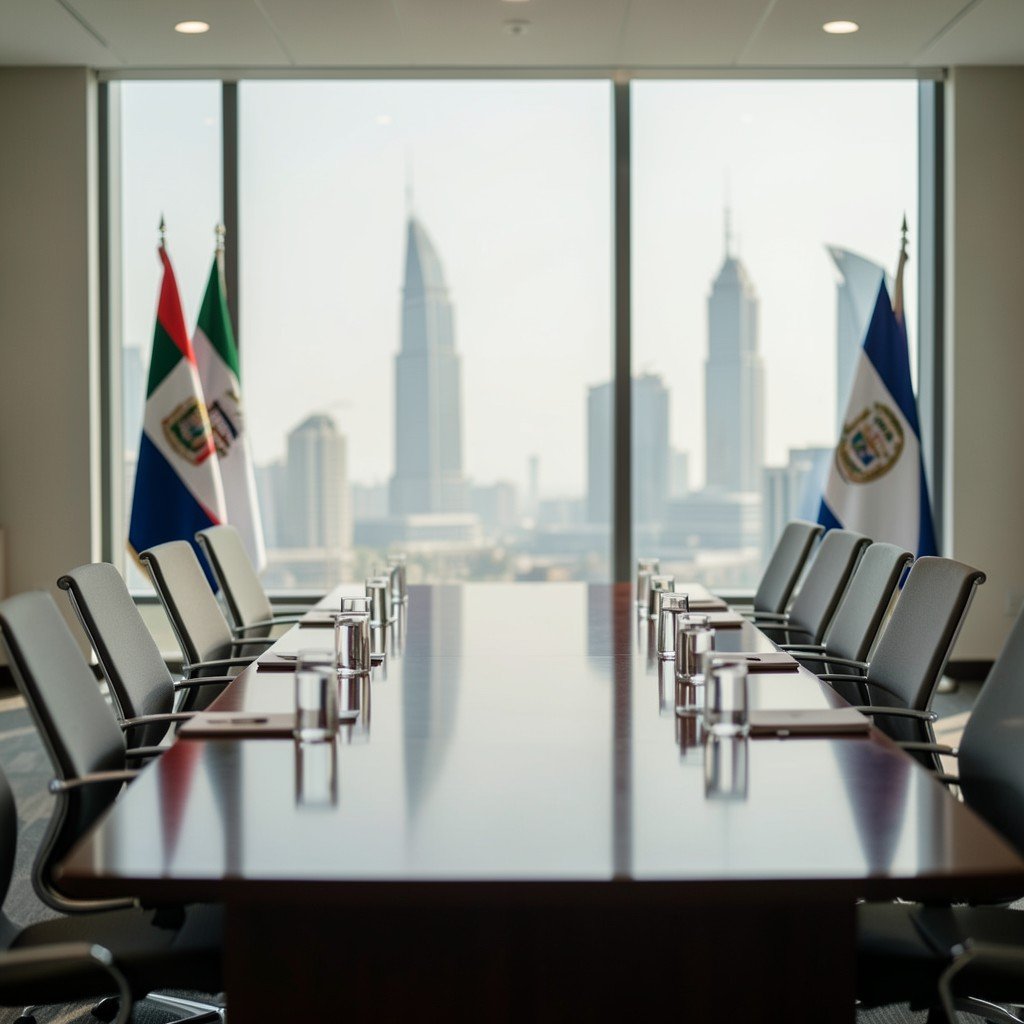
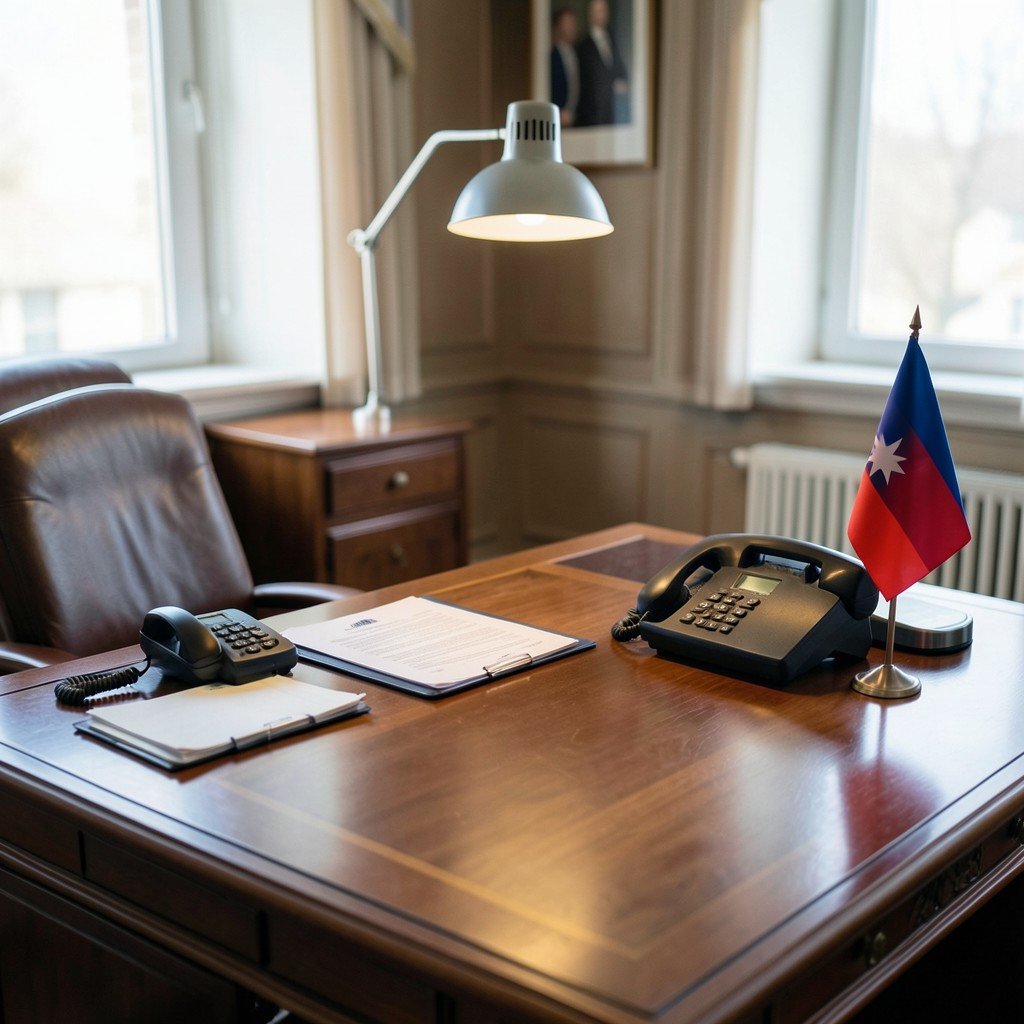
AI-generated representative image: A diplomatic meeting room in Doha after indirect US-Iran talks ended without a deal.
Editorial Team
Editorial Team
Qatari-mediated Doha negotiations conclude with no breakthrough as Tehran nuclear diplomacy stalls

The latest round of indirect talks between the United States and Iran has ended without an agreement, deepening concerns that renewed American military strikes could escalate into a wider conflict across the Middle East.

Iranian negotiators departed Doha on Sunday after three days of Qatari-mediated discussions, according to officials. A source told Reuters on Monday that further talks remain possible and stressed that the delegation's departure did not signal a collapse in negotiations.

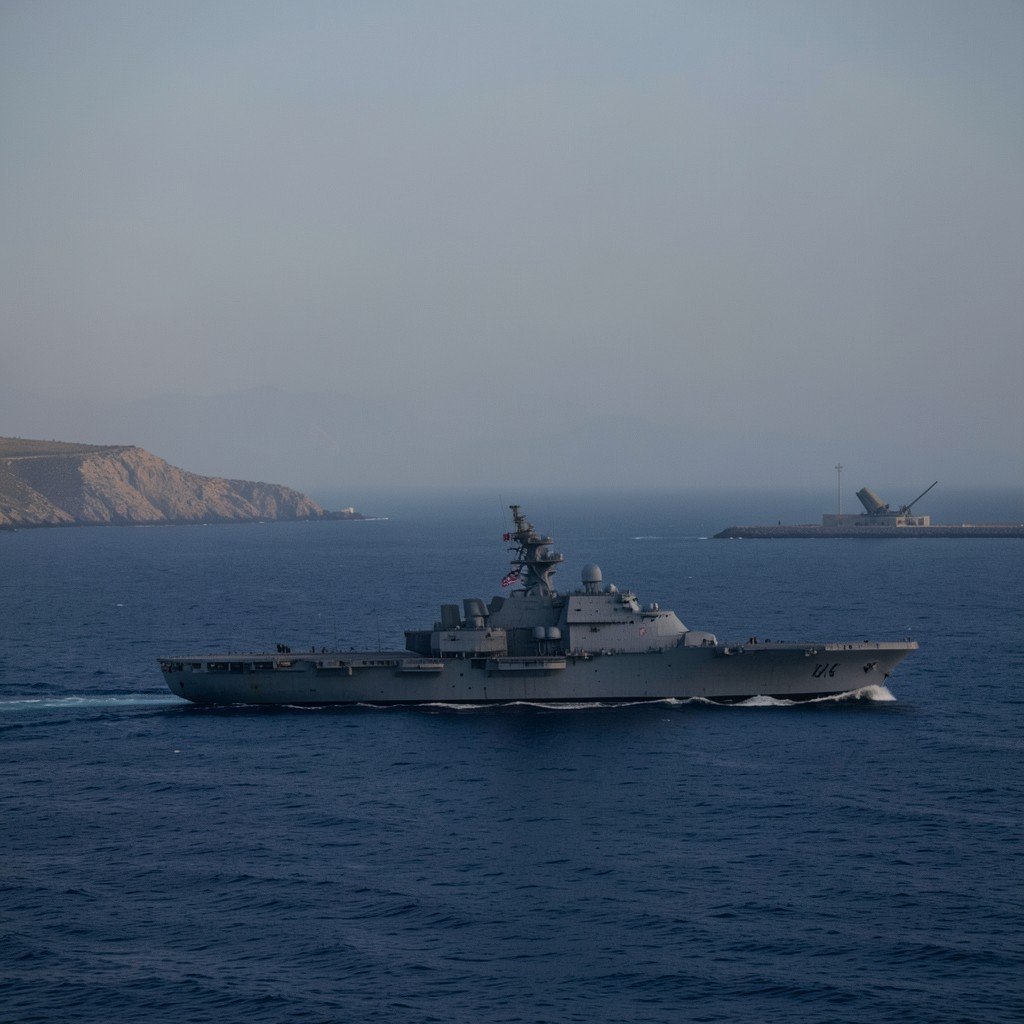
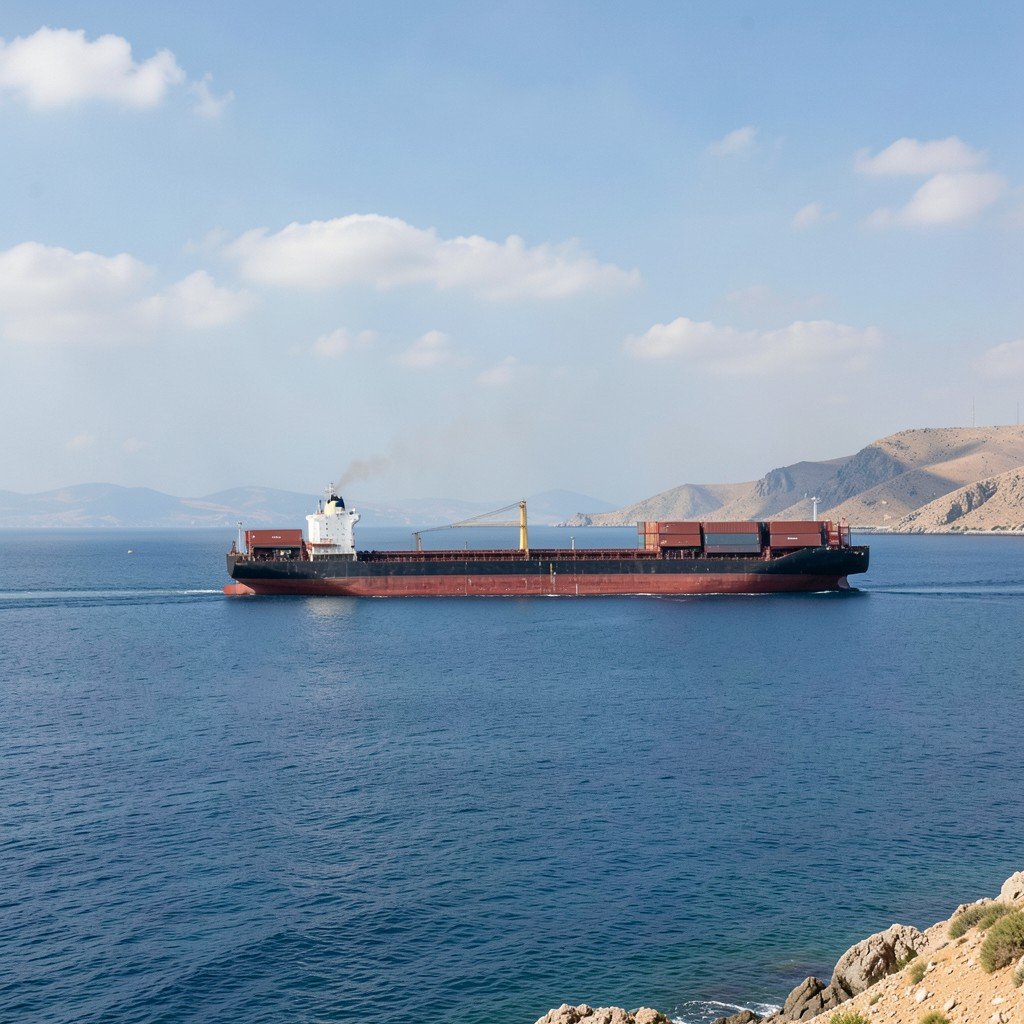
The stalled diplomacy matters because the standoff has already disrupted global energy supplies and shipping through the Strait of Hormuz, a critical maritime corridor. Persian Gulf states, energy markets and international shipping all remain exposed to the risk of renewed hostilities.

With the US midterm elections behind them, Washington has signaled that a decision on whether to resume strikes could come soon, leaving regional governments and markets braced for the outcome.

Negotiations and Military Posture

The discussions centered on a seven-step plan Tehran submitted in September. The proposal calls for Washington to lift its naval blockade, ease restrictions on Iranian oil exports and release frozen assets in exchange for reopening the Strait of Hormuz and continuing broader negotiations.

US President Donald Trump rejected the initial proposal, insisting that any deal must address Iran's nuclear program. Tehran has maintained that its conditions must be met before further talks can proceed.

Iranian Foreign Minister Abbas Araghchi said the strait could reopen within two days of an agreement, rather than the seven days initially proposed. Tehran also wants hostilities ended on other fronts, including Lebanon.
Background of the Conflict

The United States and Israel launched a military campaign against Iran in late February, triggering months of fighting that disrupted global energy supplies and shipping through the Strait of Hormuz. Trump has repeatedly threatened further hostilities, with media reports suggesting Washington could resume strikes after the November 3 midterm elections.

The Pentagon has reportedly weighed attacks on Iranian nuclear facilities, underground military sites and Kharg Island, a major Persian Gulf oil export hub. Israeli Prime Minister Benjamin Netanyahu, whose right-wing bloc failed to win a parliamentary majority in last week's election, reportedly urged Trump to resume strikes during a Saturday phone call.

Earlier Iranian strikes on American military bases in the region reportedly caused up to $15 billion in damage. Persian Gulf countries fear renewed US strikes could trigger wider Iranian attacks on their energy infrastructure.

Official Statements and Regional Warnings

"The ball is in the US court," Iranian Foreign Ministry spokesman Esmaeil Baghaei said Monday, insisting that Tehran had made its demands clear. Trump said Sunday the conflict would end soon, "one way or the other." US Secretary of State Marco Rubio said the president had yet to decide on further strikes but preferred diplomacy.

"We are clearly seeking a political off-ramp," UAE presidential adviser Anwar Gargash told a security conference in Bahrain on Sunday. Egyptian Foreign Minister Badr Abdelatty warned that renewed fighting would be more destructive without resolving the crisis.

Iranian Supreme Leader Mojtaba Khamenei has reportedly ordered the military to prepare for retaliation without geographical restrictions, potentially expanding the range of US and Israeli targets.

What Lies Ahead

Maritime tensions continue to mount. UK Maritime Trade Operations reported that a vessel was struck by an unidentified projectile in the Strait of Hormuz on Sunday, two days after a Qatari gas tanker was attacked without casualties.

Russia has called for a diplomatic settlement and offered to accept Iran's highly enriched uranium under a potential deal. Kremlin aide Yury Ushakov said Russian President Vladimir Putin reaffirmed Moscow's readiness to help during talks with Trump envoy Steve Witkoff in St. Petersburg last month. No further negotiating sessions have been officially confirmed.

MORE LIKE THIS

Comments (0)

Leave a comment

A verified Gmail account is required to post comments.

No comments yet. Be the first to share your thoughts!