
Iran Ready to Defend Itself as Hormuz Diplomacy Stays Open
news

Iran Ready to Defend Itself as Hormuz Diplomacy Stays Open

By Editorial Team•Oct 29, 2026 · 5:23 PM•3 min read
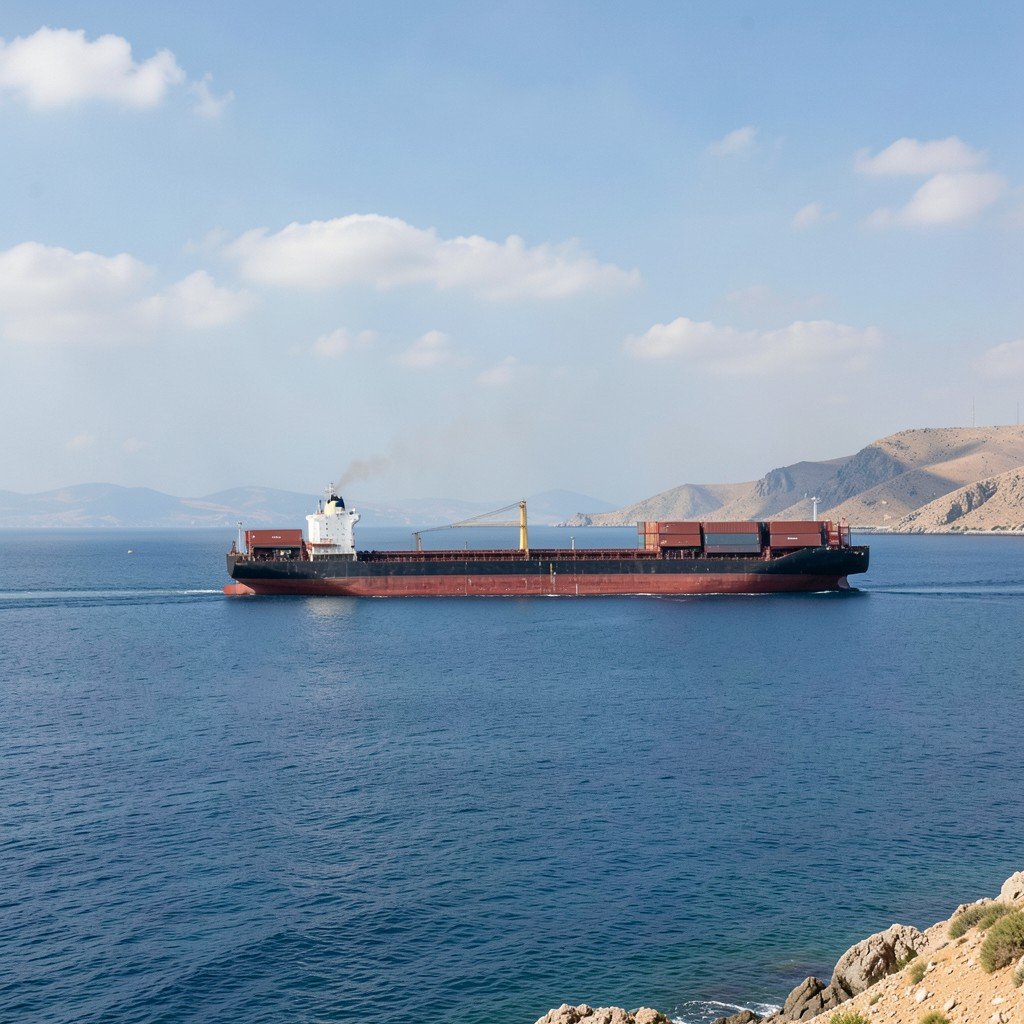
AI-generated representative image: Commercial shipping vessels in the Strait of Hormuz, a key waterway at the center of ongoing diplomatic discussions.
Editorial Team
Editorial Team
Foreign Minister Abbas Araqchi says Tehran is weighing faster reopening of the Strait of Hormuz amid US negotiations via Qatar

Iranian Foreign Minister Abbas Araqchi said on Wednesday that Iran remains open to diplomacy while its armed forces stay prepared to defend the country, as Tehran reviews ideas to reopen the Strait of Hormuz in less than a week and break its standoff with the United States.

In a post on his X account, Araqchi said Iran continues to give diplomacy a chance to succeed and is in close contact with intermediaries to accelerate implementation of its seven-day plan.

The statement signals that Tehran is seeking a faster resolution to a dispute that has disrupted commercial shipping through one of the world's most important energy corridors. The Strait of Hormuz is a critical route for global oil transportation, and any prolonged closure carries significant economic and security implications for international markets and regional stability.

Diplomatic Overtures and Military Readiness

Araqchi emphasized that Iran's armed forces are fully prepared to defend the homeland while the government continues pursuing a negotiated outcome. He said Tehran remains in close and ongoing contact with intermediaries to review ideas that could ensure the seven-day plan is implemented in an even shorter timeframe.

The minister indicated that a reopening of the Strait of Hormuz could occur faster than originally envisaged under the proposal Iran put forward in September. The plan was relayed to the United States through Qatar.

Background of the Seven-Day Plan

The seven-day proposal, first presented by Iran in September, outlines a phased sequence of reciprocal steps. Under the plan, the United States would end what Tehran describes as aggression against Iran, lift the naval blockade, ease restrictions on Iranian oil exports and release frozen assets within five days.

Iran would then reopen the Strait of Hormuz to commercial shipping on the sixth day and resume negotiations with Washington on the seventh day toward a final deal. The arrangement was communicated to the US through Qatari intermediaries, reflecting Doha's role as a channel for dialogue between the two countries.

Official Statement

"While our Brave Armed Forces are fully prepared to defend the Homeland, Iran continues to give diplomacy a chance to succeed," Araqchi wrote in his post.

He added: "We remain in close and ongoing contact with intermediaries to review ideas that can ensure implementation of our 7-Day Plan in even less than a week." The remarks underscore Iran's stated willingness to compress the timeline if conditions are accepted.

What Comes Next

Iran has not confirmed a new timetable for reopening the strait, and no formal agreement with the United States has been announced. Araqchi's remarks indicate that discussions with intermediaries remain active as Tehran evaluates proposals for faster implementation. Further confirmation of any accelerated schedule is still awaited.

MORE LIKE THIS

Comments (0)

Leave a comment

A verified Gmail account is required to post comments.

No comments yet. Be the first to share your thoughts!