

Trump Imposes 15% Tariff on Polysilicon Imports Amid US-China Tech Rivalry
business

Trump Imposes 15% Tariff on Polysilicon Imports Amid US-China Tech Rivalry

By Editorial TeamAug 7, 2026 · 6:34 PM3 min read
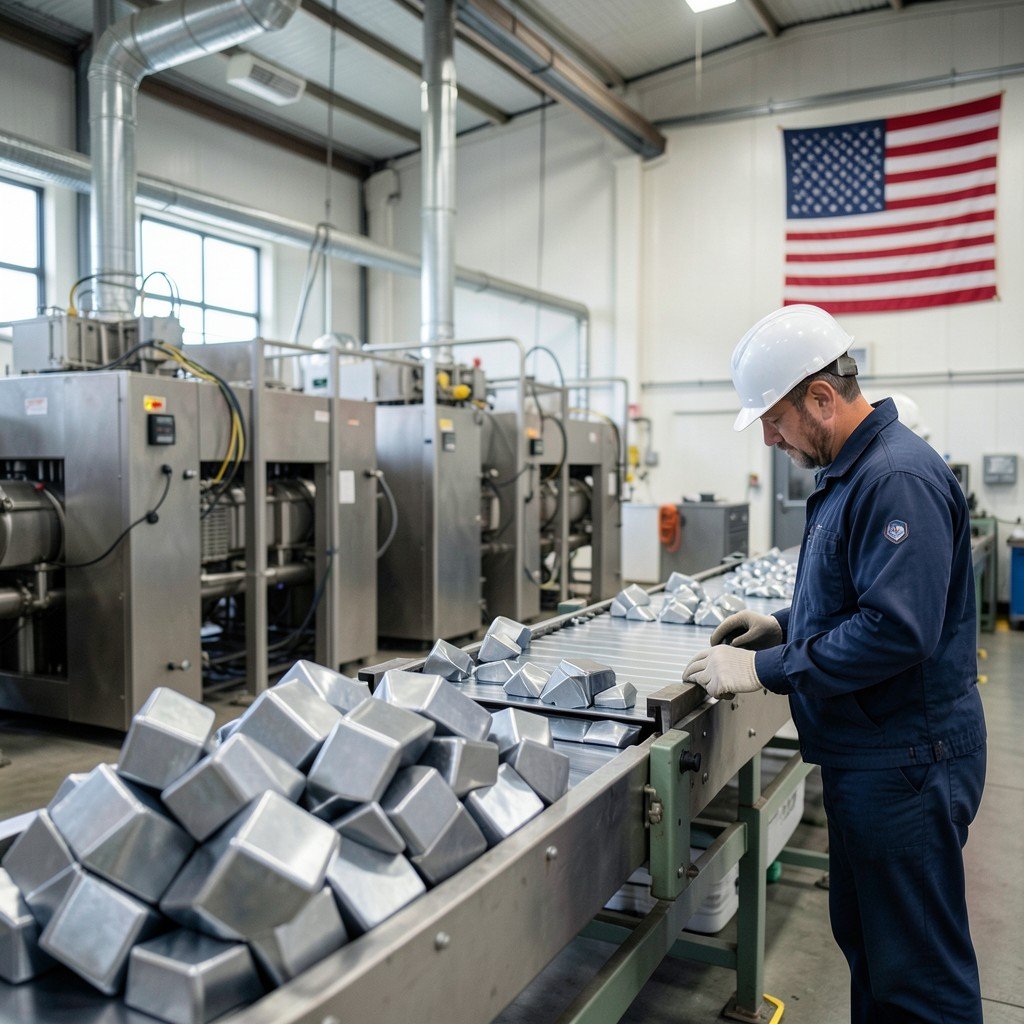
AI-generated representative image: A US polysilicon production facility, as Washington imposes a 15% tariff on polysilicon imports to revive domestic manufactur
Editorial Team
Editorial Team
Executive order targets critical semiconductor and solar panel material as Washington moves to rebuild domestic polysilicon production capacity

President Donald Trump signed an executive order late Thursday imposing a 15% tariff and minimum import prices on polysilicon and related products, targeting a critical raw material for semiconductors and solar panels where China controls over 90% of global production. The measures are scheduled to take effect in December and mark a further escalation in the intensifying technology rivalry between the world's two largest economies.

The tariff order represents a direct challenge to China's near-total dominance of the polysilicon supply chain at a time when both nations are increasingly weaponizing trade policy to protect strategic industries. The move carries significant implications for global semiconductor and solar panel manufacturing, as well as for the broader trajectory of US-China economic relations ahead of a scheduled meeting between Trump and Chinese President Xi Jinping in the United States next month.

Tariff Order and Rationale

The executive order establishes a 15% tariff alongside minimum import price requirements for polysilicon and related products. The White House framed the action as essential for reviving domestic production capacity after what it described as decades of decline caused by foreign competition.

According to administration figures, the US share of global polysilicon production capacity plummeted from 50% in 2005 to less than 2% in 2024. Over the same period, the country's share of global semiconductor wafer fabrication capacity fell from 37% in 1990 to just 10% in 2024. The US has also become almost entirely dependent on imports for solar ingots, wafers, and cells.
Escalating Trade Conflict

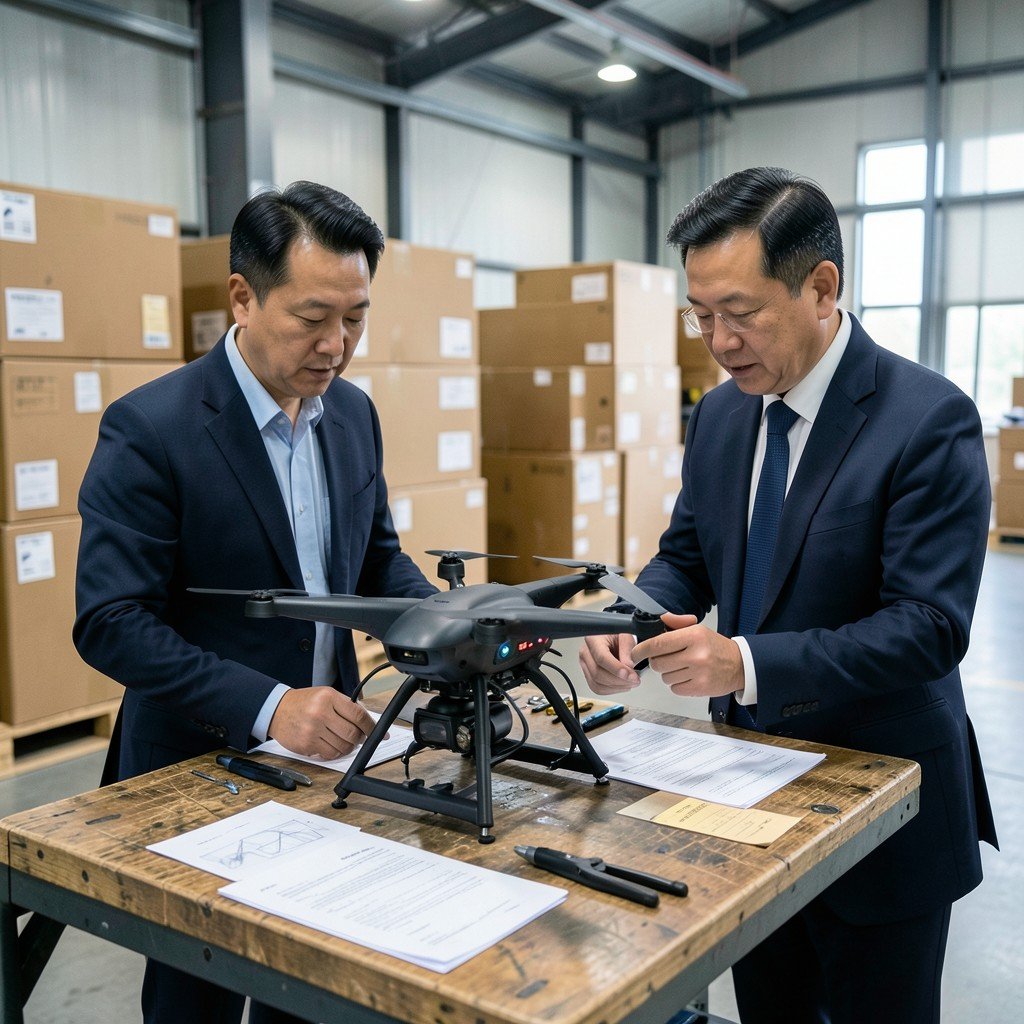
The US tariff announcement came one day after China unveiled a fresh round of retaliatory measures, including tighter export controls on drones and related technologies, sanctions on seven American companies, and its first-ever national security review of foreign trade-related imports.

Beijing stated those actions were a direct response to recent US restrictions imposed last month, which included sanctions on numerous Chinese companies and a ban on imports of new Chinese drones, humanoid robots, and specific power inverters. Those restrictions were announced shortly before the anticipated Trump-Xi meeting.

Both countries have increasingly targeted each other's strategic industries in recent years. Washington has tightened curbs on advanced AI chips, semiconductor manufacturing equipment, drones, connected vehicles, and other technologies. China has countered with export controls on critical minerals and restrictions aimed at specific US companies.

Beijing's Response and Industry Data

China swiftly condemned the tariff order, with its embassy spokesman Liu Chang telling the South China Morning Post that Washington was "overstretching the concept of national security" and "abusing state power."

"The US move seriously disrupts normal trade and economic exchanges between Chinese and US businesses," Liu said, adding that "protectionism will not make the US more competitive."

Industry data confirms China's commanding position: the country accounted for more than 90% of global polysilicon production in 2024. Polysilicon, an ultra-pure form of silicon derived from quartz, serves as the primary raw material for both semiconductor chips and solar panels, making it a foundational input for two of the world's most strategically important technology sectors.

What Comes Next

The tariff measures are scheduled to come into effect in December, giving industry stakeholders several months to prepare for the new trade regime. The announcement also sets the stage for heightened tensions ahead of next month's planned meeting between Trump and Xi Jinping on US soil, where trade and technology competition are expected to dominate the agenda.

MORE LIKE THIS

Comments (0)

Leave a comment

A verified Gmail account is required to post comments.

No comments yet. Be the first to share your thoughts!