Saudi Aramco Chief Warns of Unprecedented Global Oil Supply Shock
business

Saudi Aramco Chief Warns of Unprecedented Global Oil Supply Shock

By Editorial Team•Oct 22, 2026 · 7:20 PM•3 min read
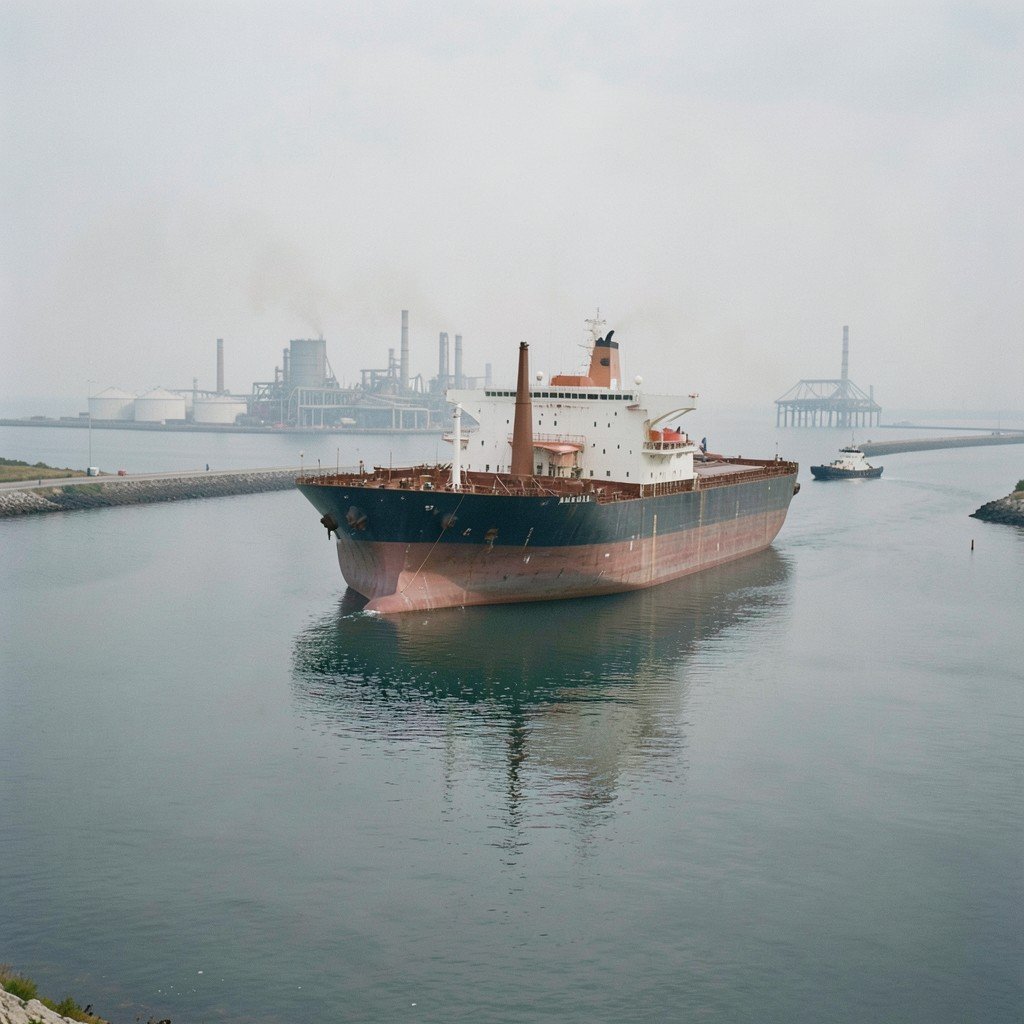
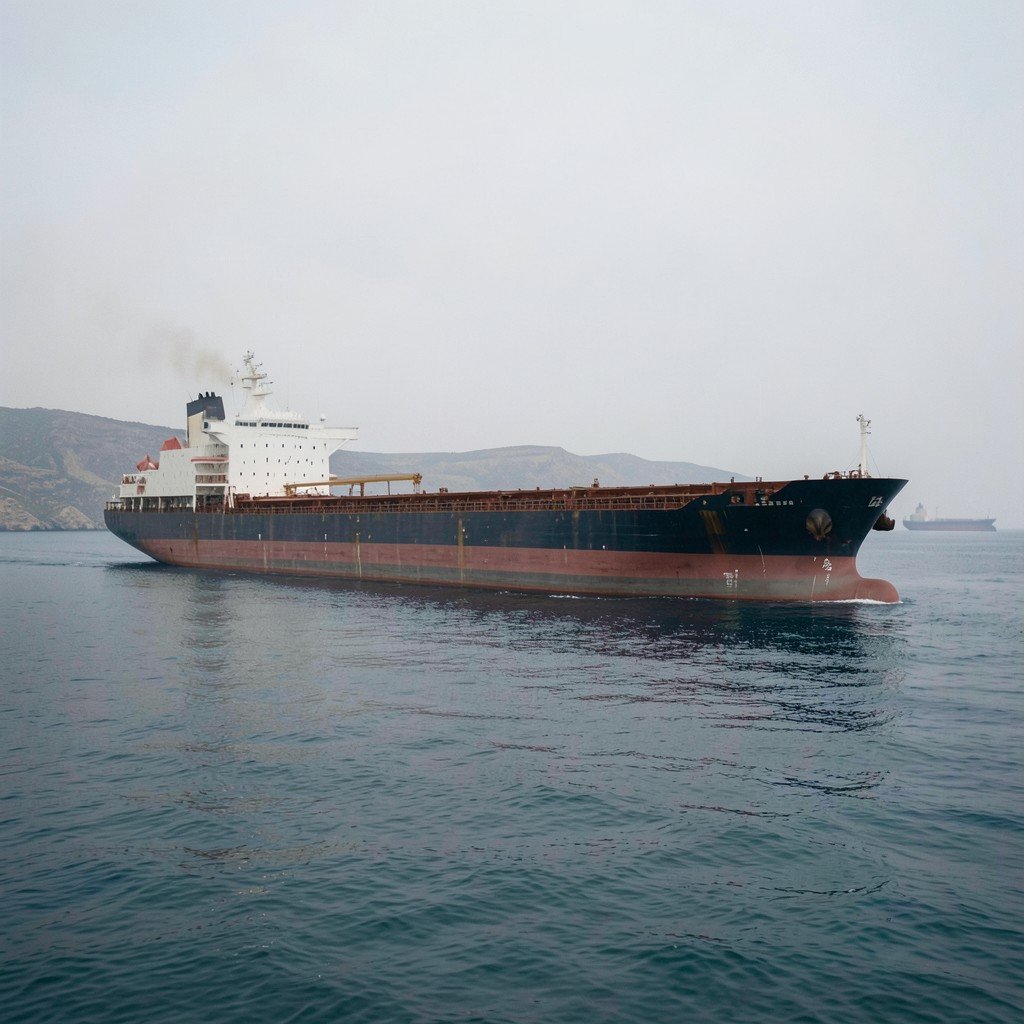
AI-generated representative image: An oil tanker near a key Gulf shipping chokepoint, illustrating concerns over global crude supply disruption.
Editorial Team
Editorial Team
CEO Amin Nasser estimates 3 billion barrels lost as the Strait of Hormuz crisis pushes Brent crude to five-month highs

The war launched by the United States and Israel against Iran in February has triggered an "unprecedented" shock to global energy markets, removing an estimated 3 billion barrels of oil supply, Saudi Aramco CEO Amin Nasser has warned.

In an interview with Al Arabiya Business aired on Thursday, Nasser said the nearly eight-month crisis has effectively shut the Strait of Hormuz, a vital oil and LNG artery, sending crude prices up roughly 50% and pushing Brent above $112 a barrel this week.

The warning underscores how deeply the conflict has disrupted the global energy system. Because the Gulf region accounts for roughly 20% of global oil demand, prolonged instability in its shipping lanes affects fuel prices, inflation and economic activity far beyond the Middle East.

Nasser cautioned that even a resolution to the fighting may not bring immediate relief, as recovering consumption and depleted reserves could trigger a fresh demand surge.

Key Developments

  • Nasser estimates the nearly eight-month crisis has removed around 3 billion barrels of oil from global markets, equivalent to nearly a month of worldwide consumption.
  • Brent crude hit a five-month high above $112 this week, with prices up roughly 50% since the war began.
  • Gulf exports have recovered to a reported 80% of pre-war levels, but renewed attacks on vessels continue to keep markets on edge.
  • Houthi attacks on Saudi energy infrastructure and shipping have compounded the crisis, threatening the Red Sea's Bab el-Mandeb Strait.

Background and Escalation

Global oil inventories were already below their five-year average when the war erupted, and Nasser warned that prices could have soared past $200 a barrel. He credited emergency reserve releases, China's sharp cut in seaborne oil imports and Saudi Aramco's East-West pipeline, which bypasses Hormuz, with averting an even more severe price shock.

The Strait of Hormuz remains a critical chokepoint through which a large share of the world's crude and liquefied natural gas flows. Its effective closure has created cumulative supply losses driven by disrupted shipping, reduced production and logistical bottlenecks.

Official Statements and Projections

"Once things return to normal, we expect additional demand of around 3 million barrels per day, about 2 million from consumption growth and another 1 million just to replenish the reserves countries have drawn down during the crisis," Nasser said, noting that the added demand could keep markets under strain long after shipping routes reopen.

Fears of another escalation are growing as US-Iran talks remain deadlocked. Reports on Wednesday claimed Washington was quietly withdrawing troops from bases in Jordan, Qatar and Kuwait, evacuating some diplomats and their families from Saudi Arabia and preparing similar moves elsewhere. Similar precautions were taken ahead of the US-Israeli strikes on Iran on February 28.


What Lies Ahead

The reported withdrawals follow US President Donald Trump's rejection last month of Tehran's proposal to reopen Hormuz in exchange for lifting the US blockade of Iranian ports, easing oil export restrictions, unfreezing Iranian assets and ending regional hostilities, including Israeli operations in Gaza and Lebanon.

Washington and Israel have since reportedly discussed another major offensive, potentially soon after the November 3 US midterms. Israeli Prime Minister Benjamin Netanyahu has also openly threatened fresh strikes on Iran, even without US backing.

MORE LIKE THIS

Comments (0)

Leave a comment

A verified Gmail account is required to post comments.

No comments yet. Be the first to share your thoughts!