
Netanyahu Declares Overthrowing Iran Regime Israel Primary Objective
news

Netanyahu Declares Overthrowing Iran Regime Israel Primary Objective

By Editorial Team•Oct 22, 2026 · 7:21 PM•4 min read
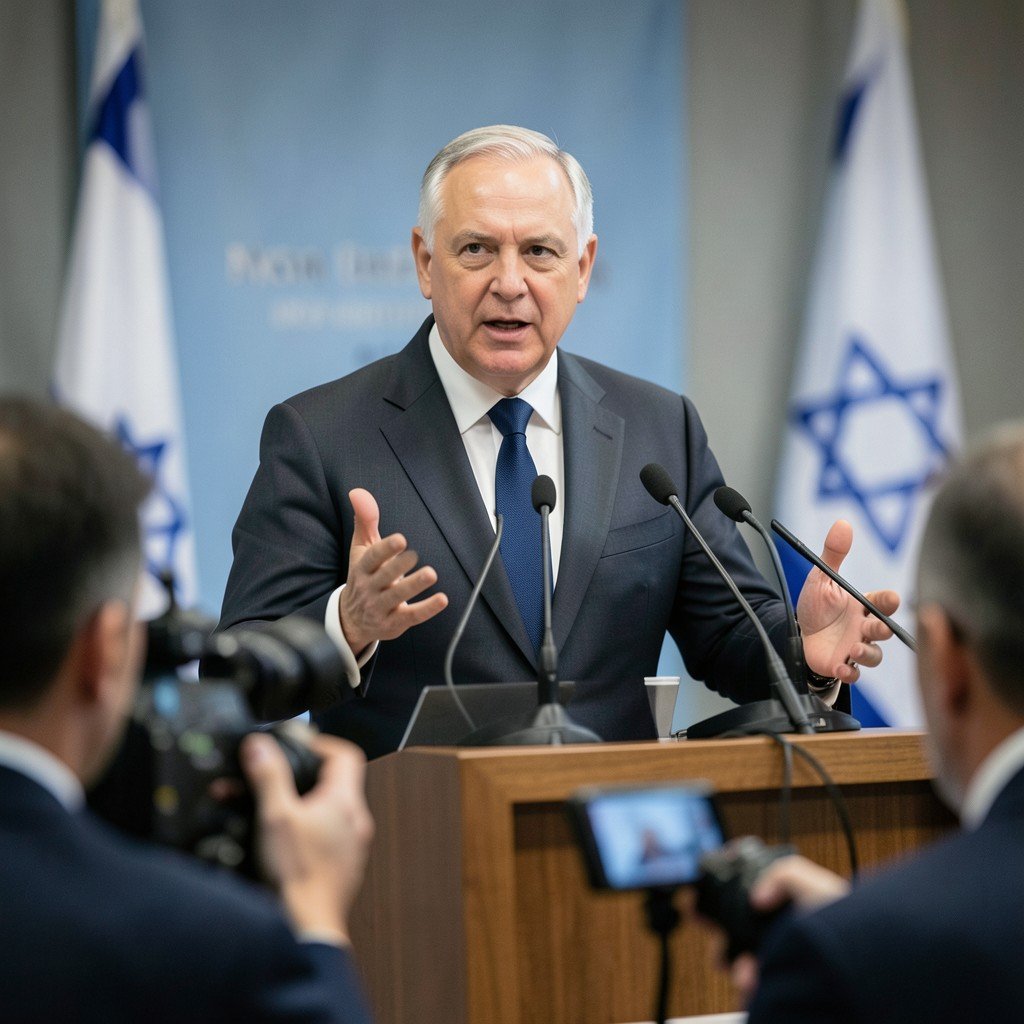
AI-generated representative image. Israeli Prime Minister Benjamin Netanyahu speaks at an official press conference, as he declares overthrowing Iran's governme
Editorial Team
Editorial Team
Analysts question whether Israel can turn military superiority into regime change as US backing remains uncertain ahead of elections

Israel's Prime Minister Benjamin Netanyahu has declared that overthrowing Iran's government remains Israel's "primary objective," as he faces declining support in polls ahead of national elections next week. His remarks followed conversations with United States President Donald Trump on Sunday and a visit to Israel by Pentagon chief Pete Hegseth.

However, Netanyahu offered no indication that Washington had agreed to join another offensive against Iran, let alone a campaign to bring down Tehran's leadership.

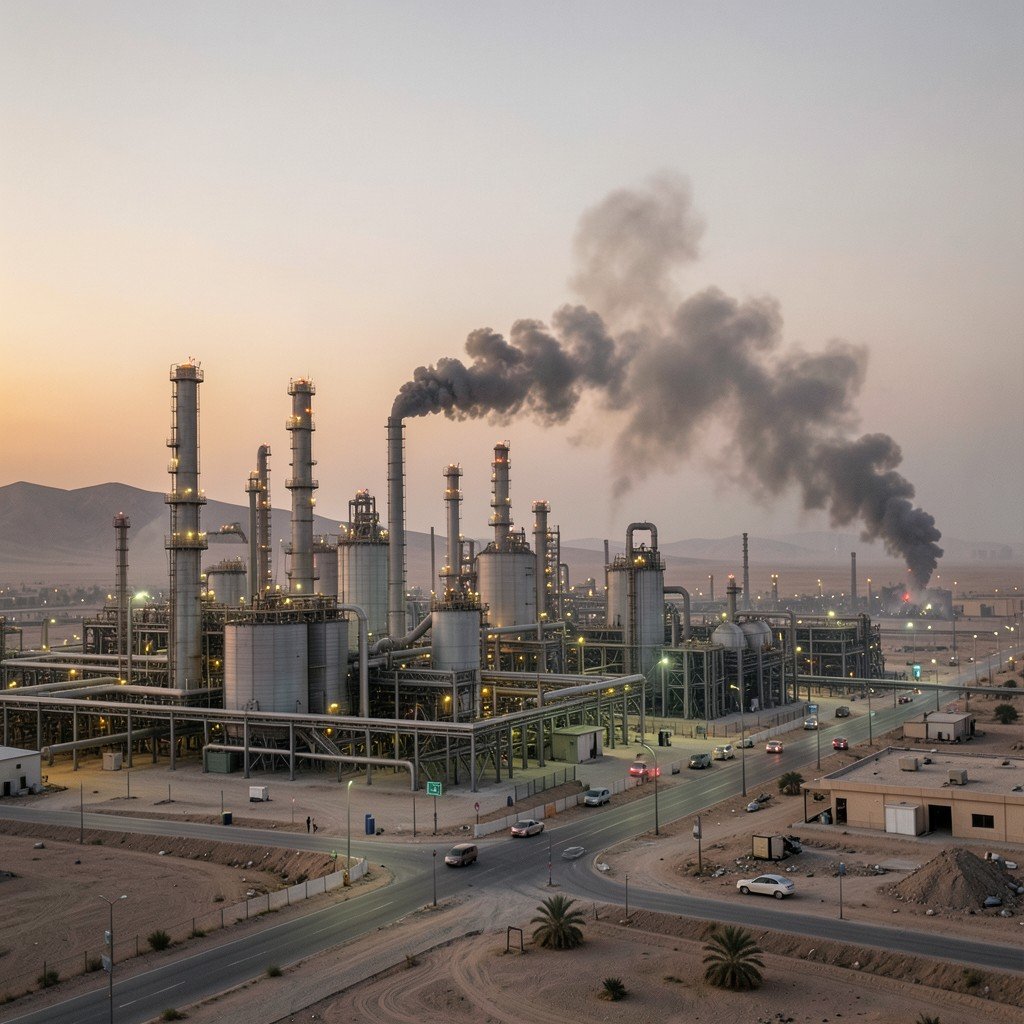
The statement underscores the widening gap between Israel's stated political ambitions and its practical military capacity. While Israel possesses the firepower to inflict serious damage on Iran, analysts say it lacks a clear strategy for converting military gains into the overthrow of Iran's government, with air strikes alone unlikely to achieve that objective.

Key Developments

Netanyahu has framed Iran's leaders as a major threat since his first term as prime minister in 1996, when he told the US Congress that Iran had "wed a cruel despotism to a fanatic militancy." Nearly three decades later, US participation in the June 2025 war and a campaign launched on February 28 this year delivered the military intervention he had long sought, yet the overthrow of Iran's government did not follow.

Netanyahu himself acknowledged the limits of airpower in March, saying, "You can't do it only from the air," and adding, "There has to be a ground component, as well," without explaining what that would involve.
Background and Military Capacity

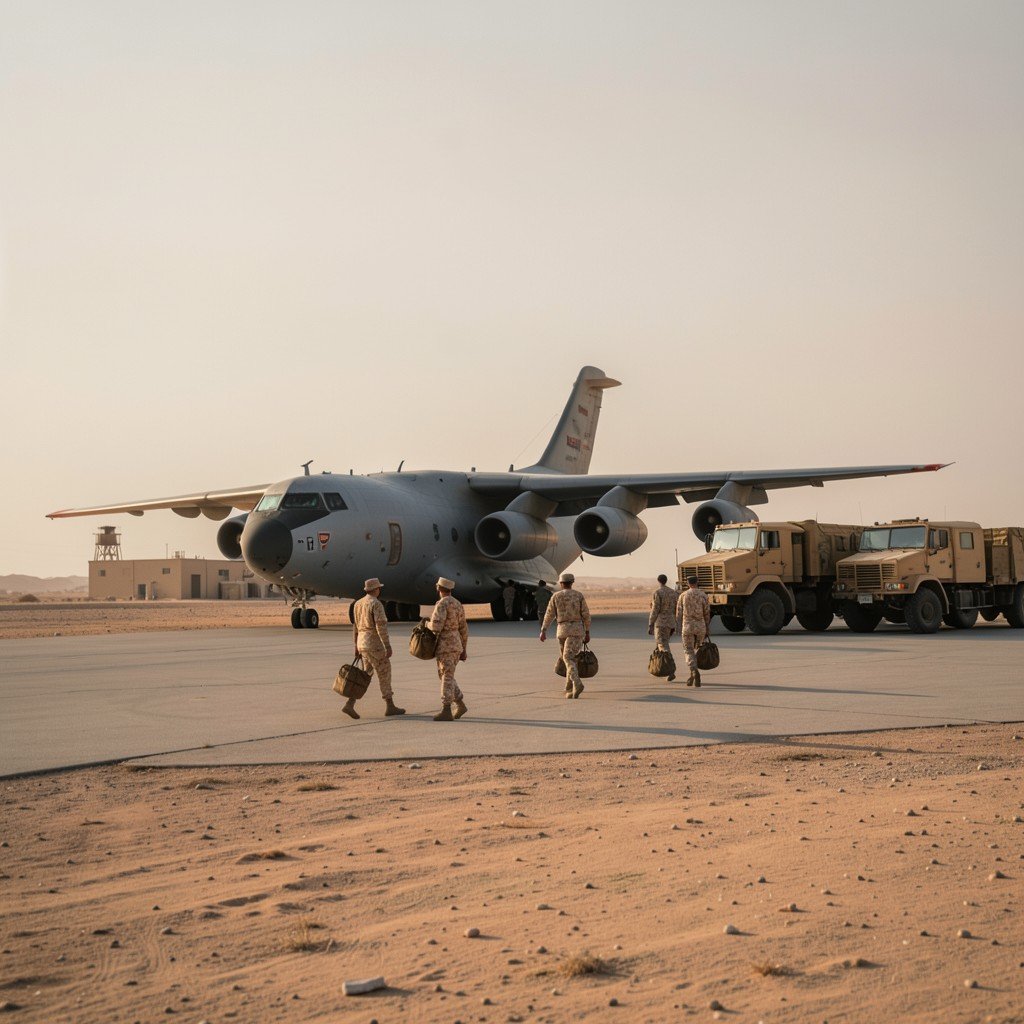
Israel's ability to attack Iran is not in doubt, according to Urban Coningham, a research fellow at the Royal United Services Institute (RUSI). He said Israel's offensive weapons stockpiles and aerial refuelling capabilities give it a substantial advantage, adding that Israel "could again establish air superiority and strike Iranian targets."

However, Caglar Kurc, an assistant professor at Abdullah Gul University in Kayseri, Turkiye, said bombing could weaken Iran's military but not eliminate its ability to fight back. "Airpower can degrade military capabilities but cannot fully destroy offensive capabilities," he said. "Well-hidden systems would survive." Overthrowing the government, Kurc added, would require a willingness to deploy troops and remain on the ground for years.

Iran, meanwhile, does not need to match Israel aircraft-for-aircraft to make another offensive costly. Sidharth Kaushal, a senior research fellow at RUSI, said Iranians likely retain sizeable missile stockpiles, with antiship missile reserves remaining large because they are comparatively easy to produce and Iran's southern mountains provide natural shelter against air attack.

Covert Operations and US Support

Coningham described intelligence assets as "use and burn," explaining that deploying covert methods risks exposing networks that Iranian security services will investigate and disrupt. While Israel still has human intelligence assets on the ground and cyberattack capabilities, using them risks revealing and sacrificing them. He was also sceptical that Kurdish or Baloch armed groups could provide the ground force needed to challenge the state, noting that Kurdish groups "lacked the military capabilities to take on the Islamic Revolutionary Guard Corps."

Analysts consider renewed US participation unlikely, citing diverging political interests between Tel Aviv and Washington. The Financial Times reported this week that an Israeli proposal for renewed strikes failed to secure Trump's approval. Without US participation, Israel would lack capabilities for striking deeply buried facilities, including the 30,000-pound GBU-57 bunker-busting bombs that US B-2 bombers dropped on Iran's Fordow and Natanz nuclear facilities in June 2025.

What Lies Ahead

Analysts say the central obstacle preventing Israel from attacking Iran is the gap between its ability to destroy military targets and its capacity to force political change. "You cannot change a regime unless you are prepared to deploy troops and stay in the country for some years. Israel cannot control Iran. The United States would not engage in another regime change, which could take decades," Kurc said.

Coningham suggested that if Israel attacked without US support, Iran might concentrate retaliation on Israeli territory while avoiding US targets and disruption to the Strait of Hormuz, seeking to punish Israel without drawing Washington directly into the fighting.

MORE LIKE THIS

Comments (0)

Leave a comment

A verified Gmail account is required to post comments.

No comments yet. Be the first to share your thoughts!