
Israel Election Debate Sidesteps Full October 7 Reckoning
news

Israel Election Debate Sidesteps Full October 7 Reckoning

By Editorial Team•Oct 4, 2026 · 4:45 PM•3 min read
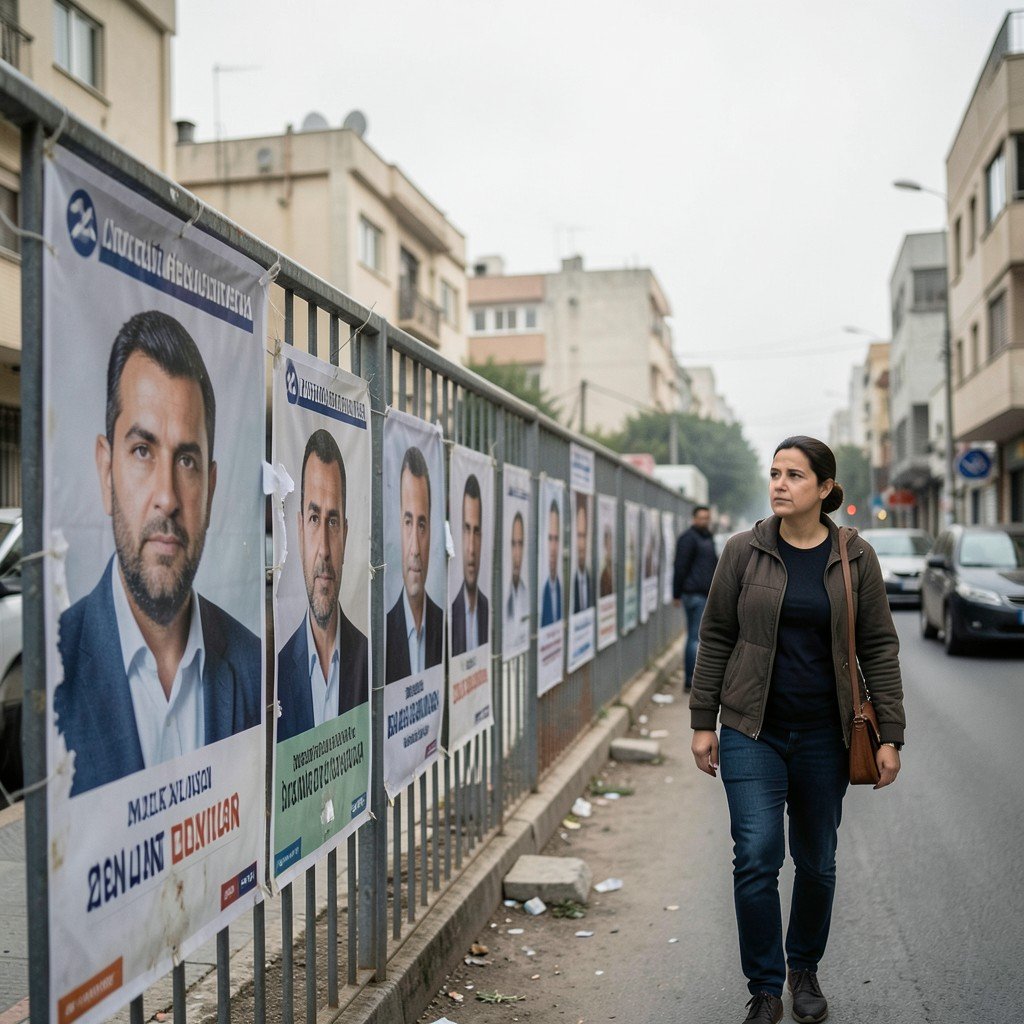
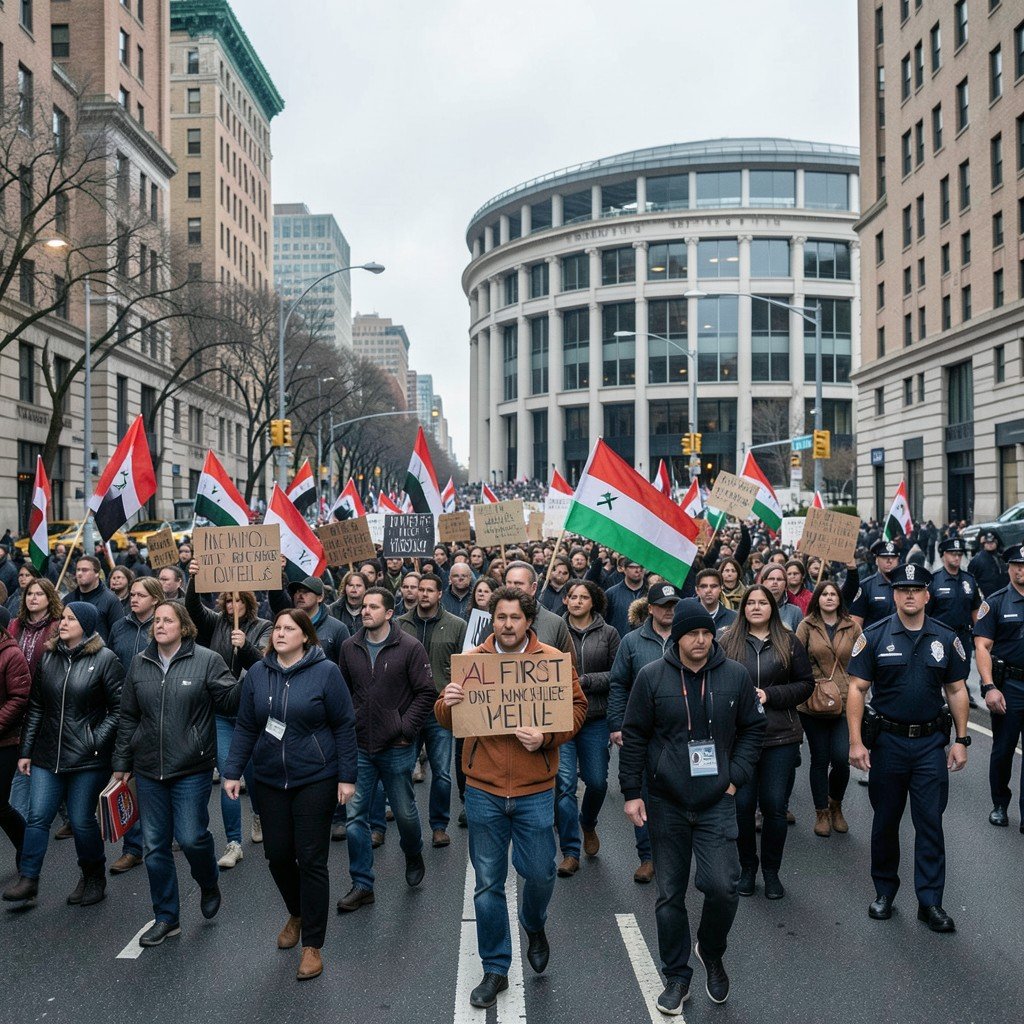
AI-generated representative image of an Israeli election campaign street scene, illustrating political debate ahead of the vote.
Editorial Team
Editorial Team
As Netanyahu's campaign dominates, broader accountability for the October 7 attacks remains unanswered

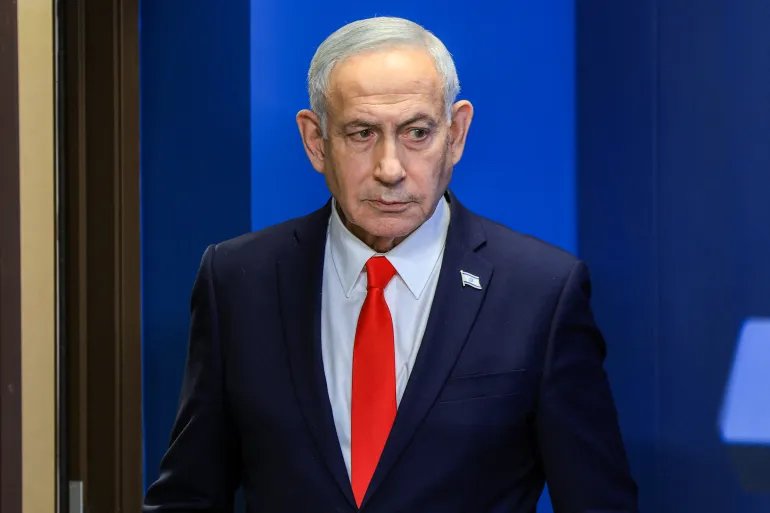
As Israel prepares to mark three years since the October 7 attacks, with parliamentary elections less than a month away, the question of what Prime Minister Benjamin Netanyahu knew beforehand has come to dominate the electoral agenda.

Media reports that the United Arab Emirates warned Netanyahu before the attacks have renewed attention on his alleged responsibility, but analysts argue the narrow focus on one leader is obscuring a much wider absence of accountability.

The election campaign is unfolding against a backdrop of unresolved questions about the attacks, the military response that followed, and the conduct of the subsequent war in Gaza and beyond. The debate matters because it shapes how Israeli society confronts, or avoids, responsibility for events that have claimed tens of thousands of lives and drawn international legal scrutiny.

Critics say the fixation on Netanyahu allows the wider political establishment and much of Israeli society to avoid confronting the broader system of policies and actions in which they remain invested.

Unanswered Questions in the Campaign

Several issues remain largely absent from election rhetoric, according to the analysis:

  • Whether the "Hannibal Directive" was deployed during the Israeli military response on October 7, and whether it resulted in Israeli civilian deaths.
  • Whether subsequent Israeli military operations endangered Israeli hostages or how many were killed by Israeli strikes.
  • Why key Palestinian negotiators were targeted during ceasefire talks, including Ismail Haniyeh in Tehran in July 2024 and Hamas's negotiating delegation in Doha in September 2025.
  • Why the Israeli government repeatedly rejected ceasefire proposals that could have returned hostages earlier.
  • The International Criminal Court arrest warrants facing Netanyahu and former Defence Minister Yoav Gallant for alleged crimes against humanity.
Three Years of Conflict and Its Human Toll

The October 7 attacks, now three years in the past, triggered a prolonged military campaign whose consequences extend well beyond Gaza. The analysis cites at least 74,000 Palestinians killed, the vast majority of them civilians, alongside mass detentions, torture and enforced disappearances.

The conflict has also spread regionally, with nearly 9,000 people killed in Lebanon since October 2023, in addition to bombings in Syria and Yemen. Hospitals, ancient landmarks and cultural heritage sites have been destroyed or occupied, and journalists, medical workers and academics have been targeted.

The analysis frames these events not as isolated abuses but as symptoms of a broader system of domination sustained through segregation, fear and rewards for aggression.

The Psychology Behind the Political Debate

The analysis argues that the absence of these questions reflects a psychological condition within Israeli society rather than simple denial or misinformation. For many Israelis, October 7 became a psychological rupture that makes it difficult to reconcile their sense of humanity with complicity in the events that followed.

The dehumanisation of Palestinians is identified as a central factor, enabling the absence of Gaza and Palestinians from political discourse. The analysis contends that replacing Netanyahu, even if he becomes a scapegoat, would not address the underlying machinery of domination and could serve to entrench it further.

What Comes Next

With elections approaching, the campaign appears unlikely to produce a genuine reckoning with October 7 or its aftermath. Netanyahu has sought to focus responsibility on questions of what he knew and when, while his opponents face their own questions of complicity.

The analysis concludes there is little political interest in a fuller accounting, and that the continuity between the violence since October 7 and the longer history of Zionist expansionism remains firmly in place.

MORE LIKE THIS

Comments (0)

Leave a comment

A verified Gmail account is required to post comments.

No comments yet. Be the first to share your thoughts!