
Russia Ukraine Energy Ceasefire Deal Announced by Trump
business

Russia Ukraine Energy Ceasefire Deal Announced by Trump

By Editorial Team•Oct 11, 2026 · 6:22 PM•3 min read
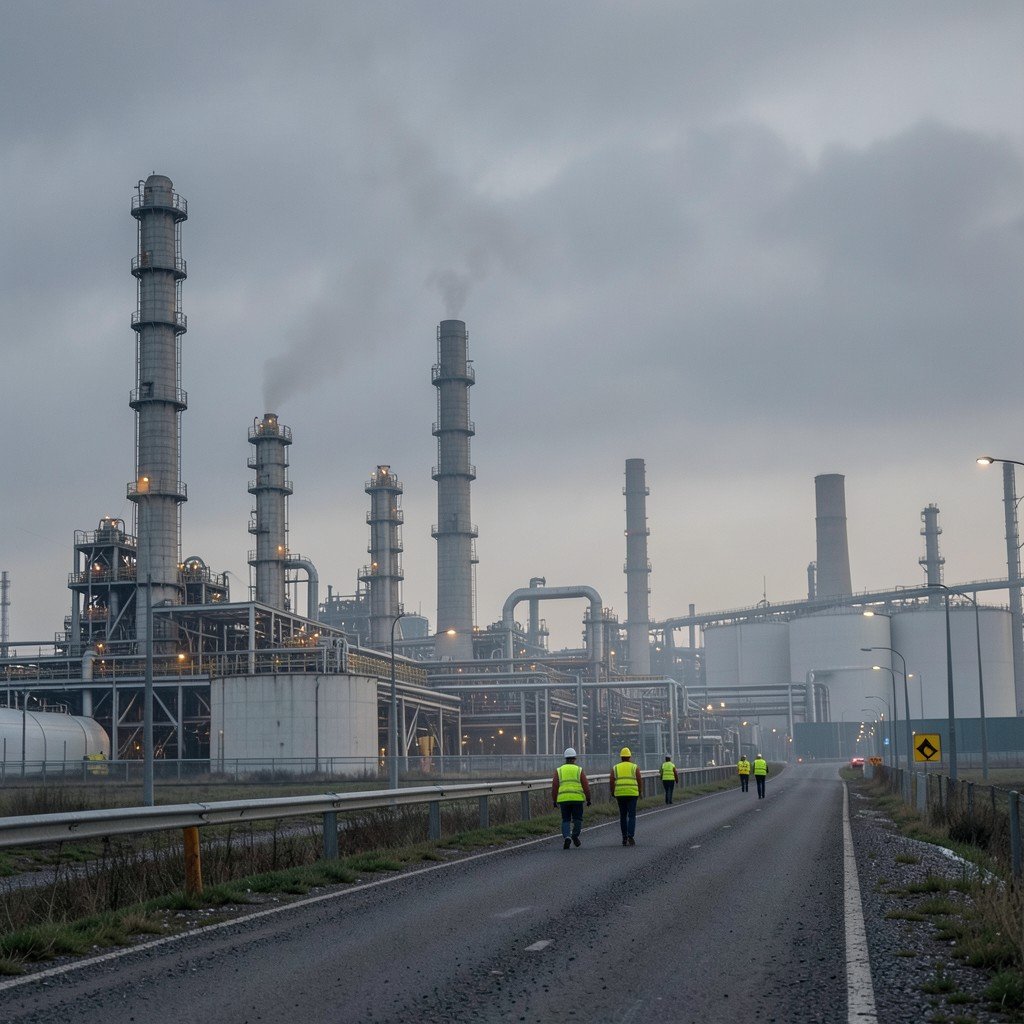
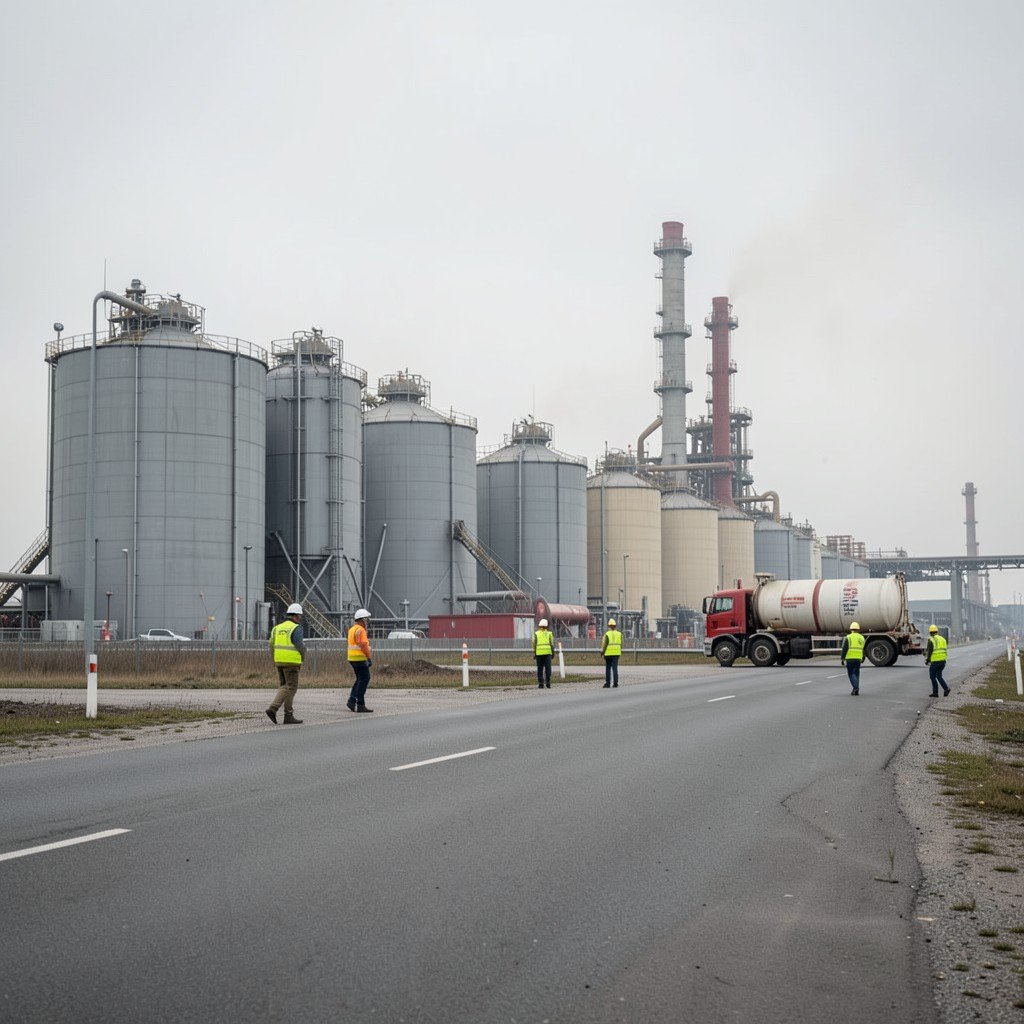
AI-generated representative image: An oil refinery complex, illustrating the subject of the Russia-Ukraine energy ceasefire announcement.
Editorial Team
Editorial Team
Trump-Putin phone call and US diesel sanctions waiver drive the energy ceasefire as refinery strikes and elections escalate

US President Donald Trump announced on Sunday that Russia and Ukraine have agreed to an immediate energy ceasefire, a development he said is aimed at easing the global fuel crisis. The announcement came just days after Trump's phone call with Russian President Vladimir Putin, during which the two leaders agreed on a framework involving expanded Russian diesel exports.

Ukrainian leader Vladimir Zelensky later confirmed that Kiev supports the initiative, saying he had discussed Trump's announcement with NATO chief Mark Rutte, Canadian Prime Minister Mark Carney, and Finnish President Alexander Stubb.

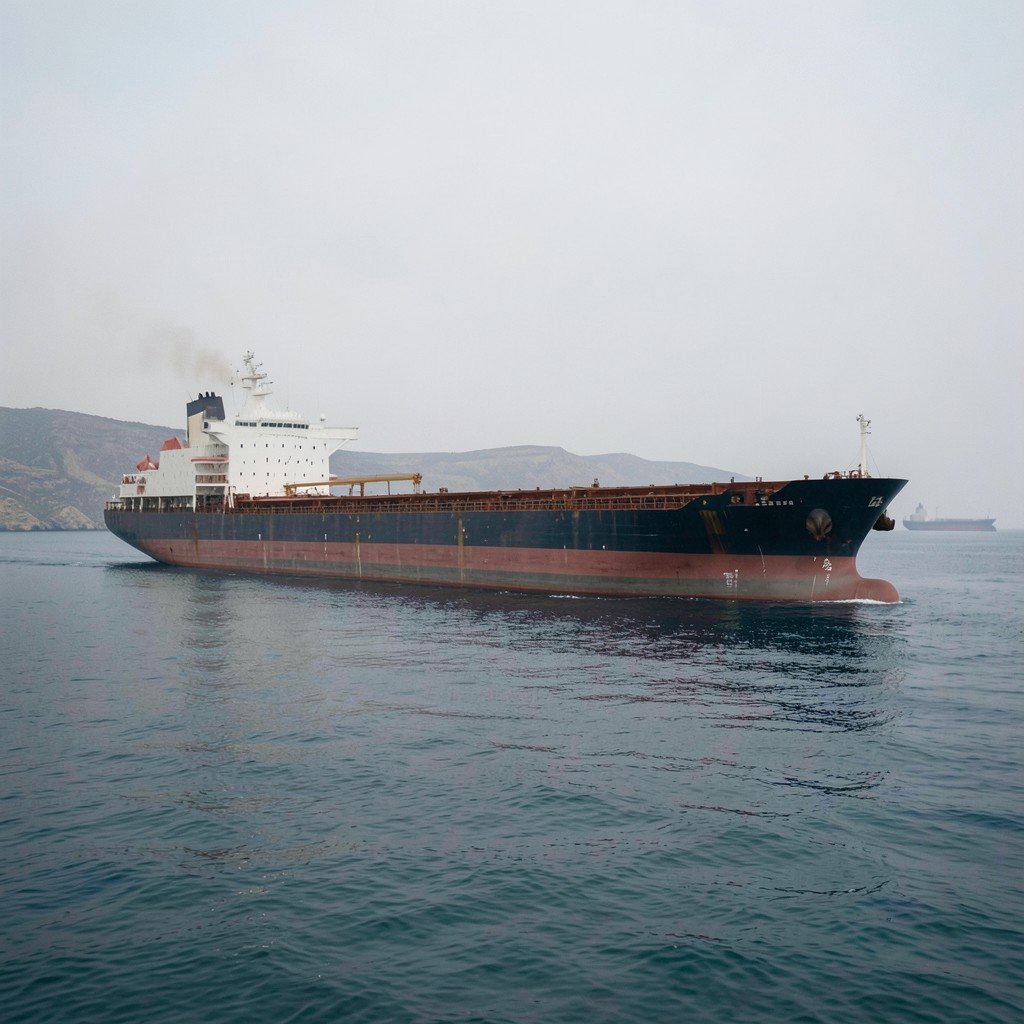
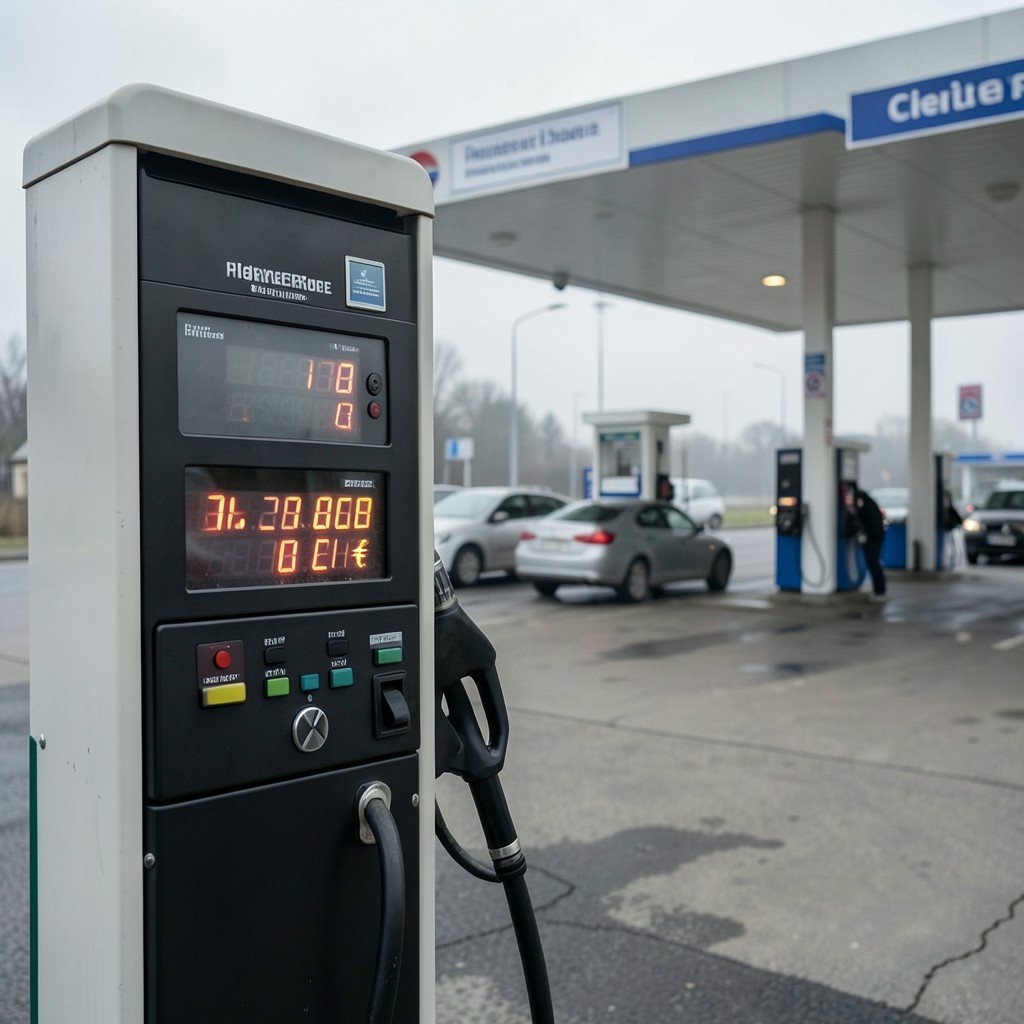
The agreement carries significant weight for global energy markets and consumers, as Ukrainian strikes on Russian refineries have been blamed for driving up fuel prices, including for American households. The ceasefire is intended to stabilize diesel supply at a time when Washington has moved to temporarily lift sanctions on Russian fuel.

The development also sharpens a political dispute between Trump and Zelensky, with Trump suggesting Ukraine needs new leadership and Zelensky demanding a broader ceasefire to hold elections.

Key Announcements

"Effective immediately, there is an ENERGY CEASEFIRE in the War between Russia and Ukraine," Trump wrote on Truth Social, adding that "both parties have agreed" and urging Moscow and Kiev not to "break it."

  • On Friday, Trump and Putin held a phone call, shortly after which the US Treasury Department announced a temporary waiver of sanctions on Russian diesel, allowing the fuel to be sold, delivered, and imported into the US until April 7, 2027.
  • According to Trump, Moscow agreed to immediately supply more than 300,000 metric tons of diesel, followed by another 500,000 metric tons in November and one million more shortly thereafter.
  • Russian Deputy Prime Minister Aleksandr Novak confirmed the figures and said Moscow would begin lifting diesel export restrictions ahead of schedule "immediately."
Background of the Dispute

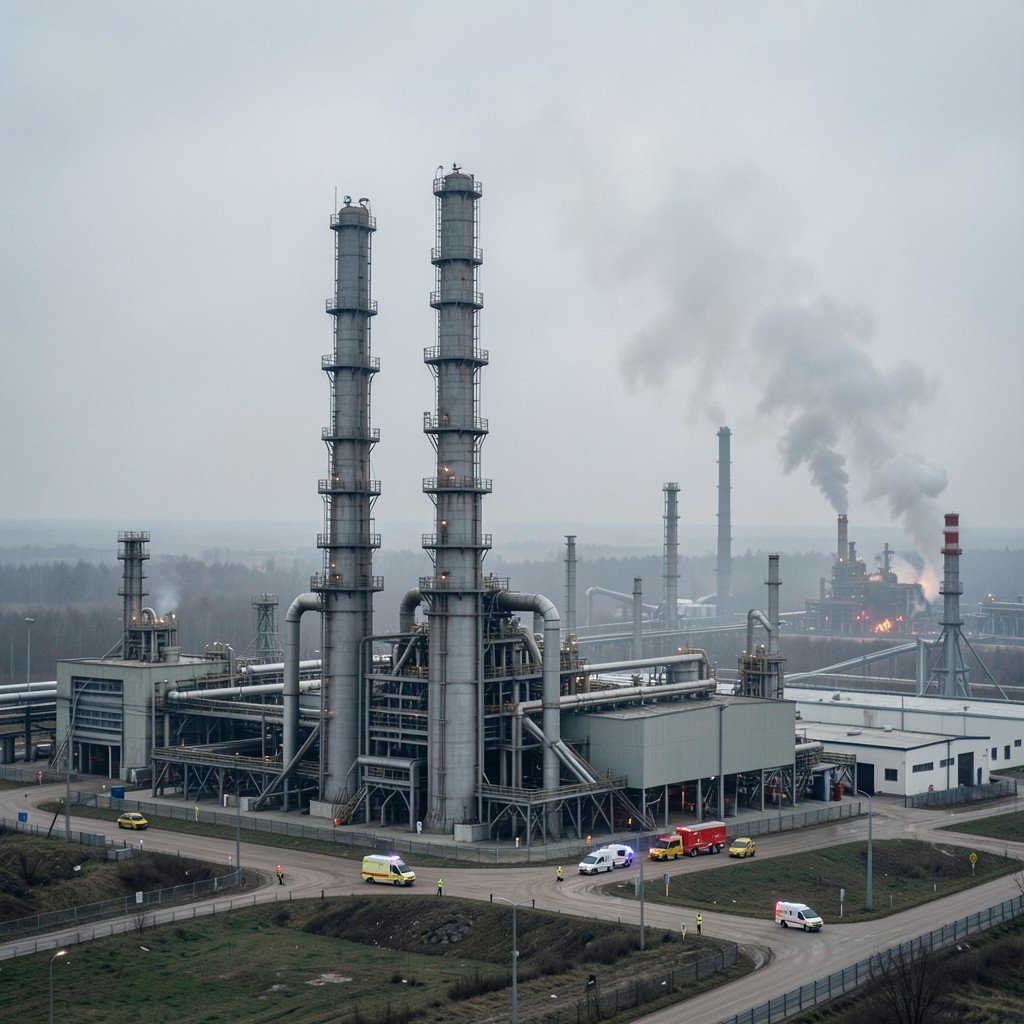
The energy ceasefire follows months of escalating long-range strikes by Ukraine on targets inside Russia, including civilian and energy infrastructure such as oil refineries, amid continued setbacks at the front. Zelensky has recently threatened to intensify attacks on Russian refineries in particular.

Moscow has denounced the attacks as acts of terrorism and vowed to intensify strikes on Ukrainian military-related facilities, including drone and missile warehouses, while maintaining that it never targets civilians. Russia also considers Zelensky illegitimate, as his presidential term expired more than two years ago and he has not called a new election, citing martial law.

Political Tensions and Election Demands

Trump has blamed Ukraine, and Zelensky personally, for exacerbating the global fuel crisis, saying that Ukrainian strikes on Russian refineries have driven up fuel prices. The US president allegedly struck the deal with Moscow after Zelensky ignored Washington's requests to stop strikes on Russian oil refineries, as reported by Axios on Saturday.

On Saturday, Trump again accused Zelensky of seeking to "make problems for the world" and ignoring US requests, suggesting it was "time for Ukraine to get a new president." Zelensky responded by demanding a two-month total ceasefire to hold a vote, telling ABC on Sunday: "If President Trump really wants to have some changes during elections… please tell Putin, give us two months, 60 days off. Total ceasefire, 60 days, and we will organize elections."

What Happens Next

The energy ceasefire is now in effect, with both sides publicly signaling support. Moscow has confirmed it will begin lifting diesel export restrictions immediately, with phased supply increases planned through the coming months. However, broader questions remain unresolved, including whether a wider ceasefire will be negotiated and whether Ukraine will proceed with the elections Zelensky has proposed. No timeline for further talks has been officially confirmed.

MORE LIKE THIS

Comments (0)

Leave a comment

A verified Gmail account is required to post comments.

No comments yet. Be the first to share your thoughts!