
Oil Supertanker Fire in Strait of Hormuz After Sea Mine Strike
news

Oil Supertanker Fire in Strait of Hormuz After Sea Mine Strike

By Editorial Team•Oct 11, 2026 · 6:22 PM•3 min read
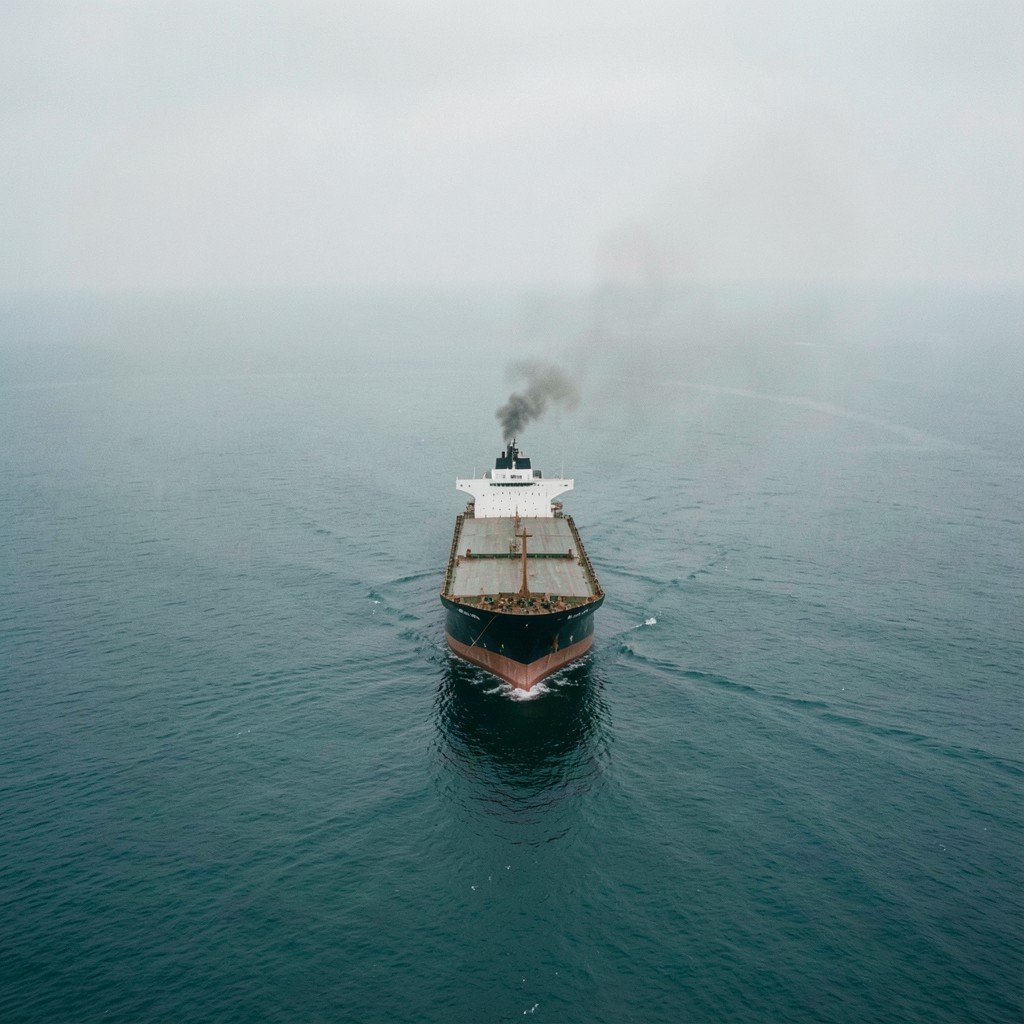
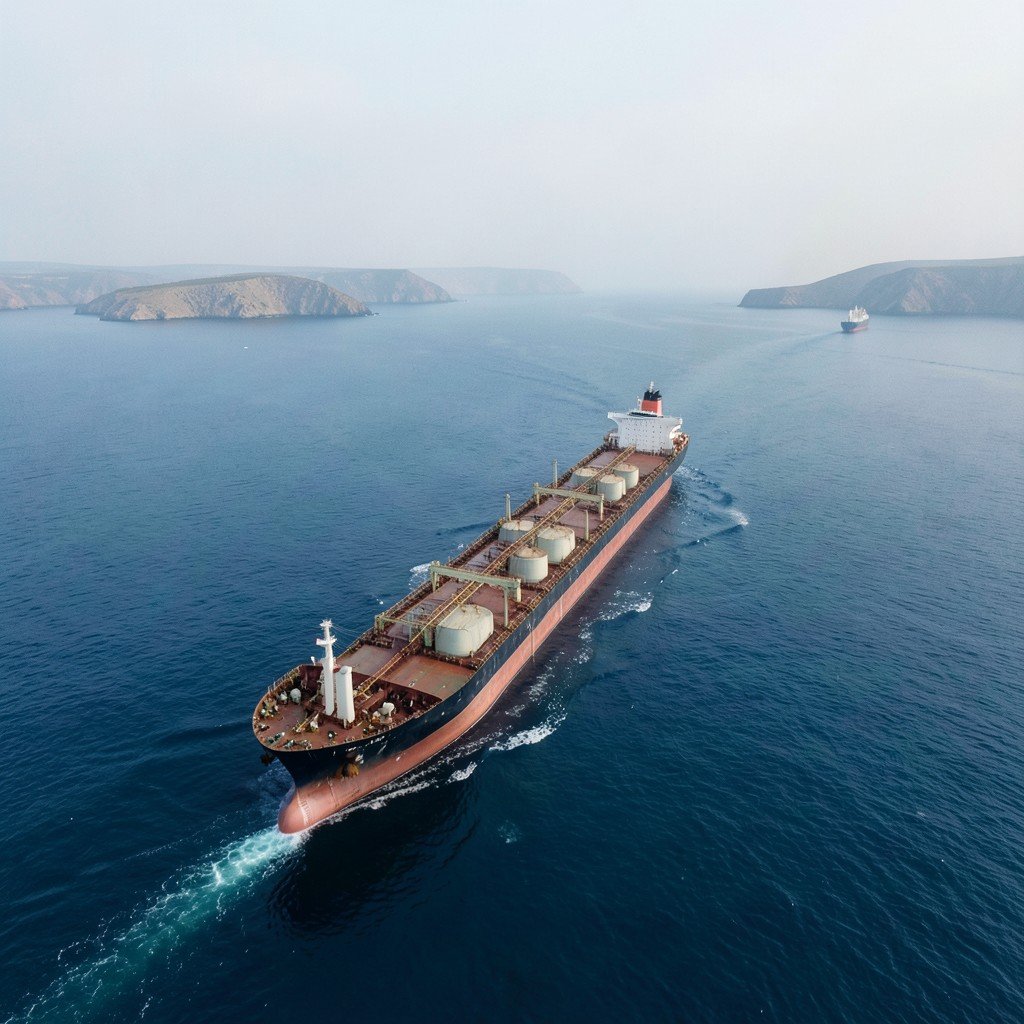
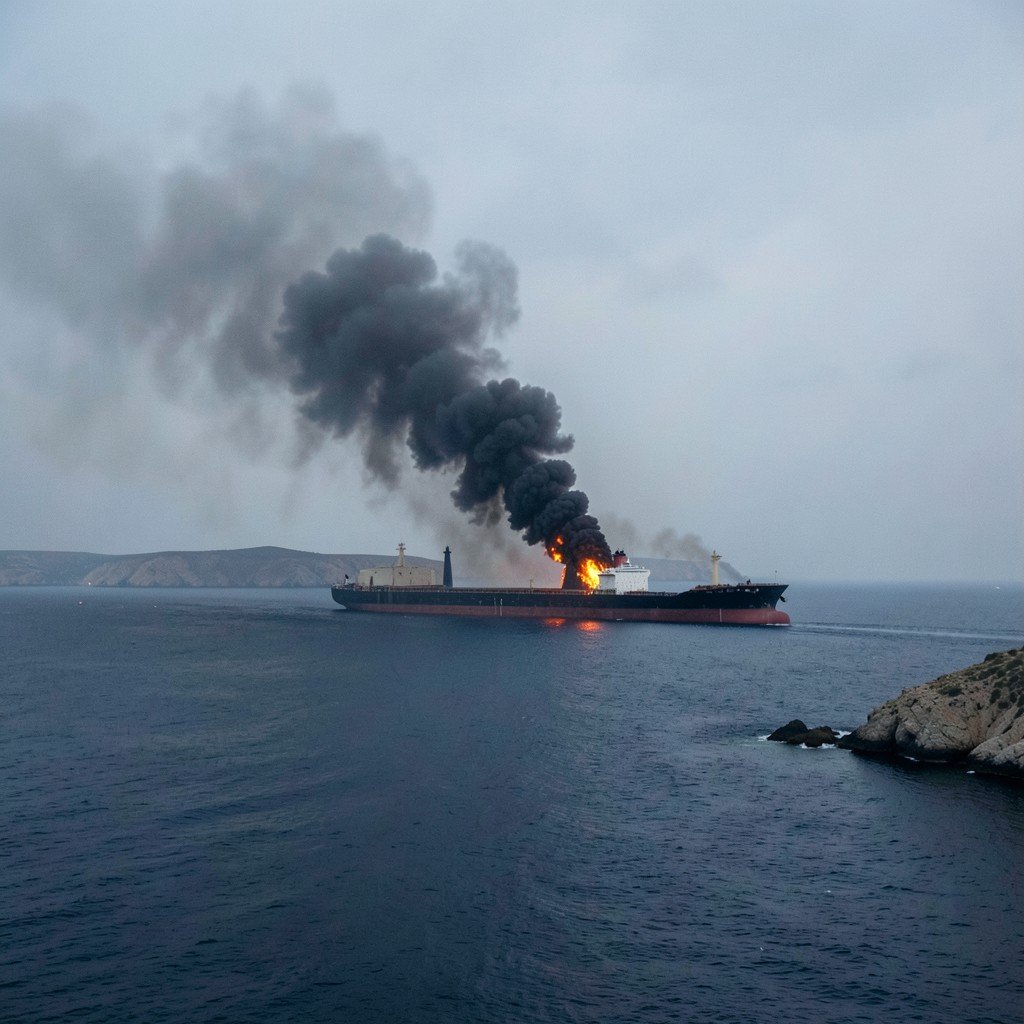
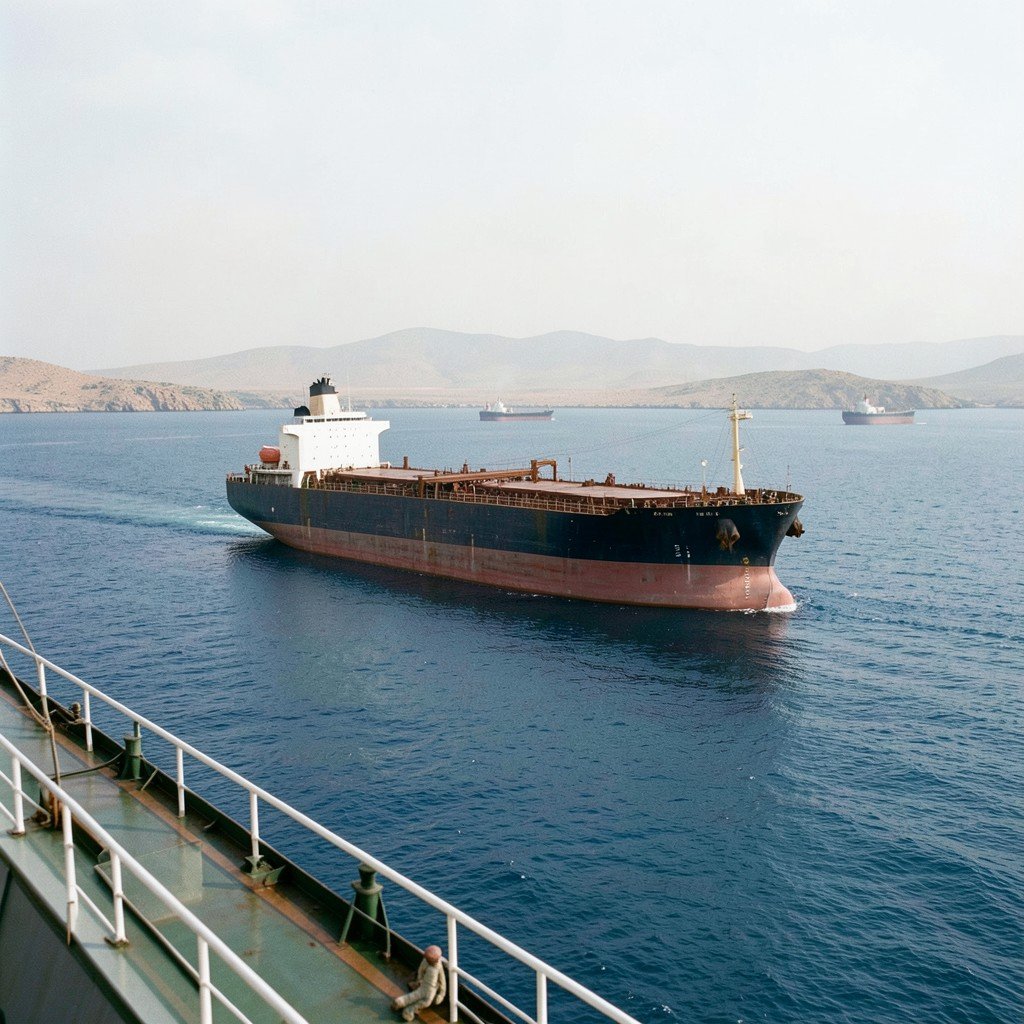
AI-generated representative image: A crude oil supertanker burns at sea in the Strait of Hormuz after a reported sea mine strike.
Editorial Team
Editorial Team
IRGC Navy says crude tanker used unauthorized route with navigation systems off

A supertanker carrying crude oil caught fire in the Strait of Hormuz on Saturday after striking a sea mine, according to a statement from Iran's Islamic Revolutionary Guard Corps (IRGC) Navy. The vessel was attempting to exit the strategic waterway through an unauthorized route that had previously been declared dangerous.

The explosion triggered a massive fire that was clearly visible to residents along the coast, the IRGC Navy said.

The incident underscores the heightened risks facing commercial shipping in one of the world's most critical maritime corridors. The Strait of Hormuz serves as a transit point for a significant share of global crude oil exports, making any disruption or security incident there a matter of international concern.

The IRGC Navy has framed the fire as a direct consequence of the tanker's failure to comply with established maritime security and routing regulations in the waterway.

Sequence of the Incident

According to the IRGC Navy statement, several confirmed developments preceded and followed the explosion:

  • The supertanker was carrying crude oil and attempting to leave the Strait of Hormuz.
  • The vessel was traveling along an unauthorized route that authorities had already declared hazardous.
  • The tanker had switched off its navigation and positioning systems before the incident occurred.
  • After striking the sea mine, the vessel suffered a powerful explosion and was engulfed in a massive fire.
  • The blaze was visible to coastal residents, indicating the scale of the fire.
Strategic Importance of the Waterway

The Strait of Hormuz is one of the most strategically significant maritime chokepoints in the world, connecting the Persian Gulf with the Gulf of Oman and the open ocean. A substantial portion of the world's seaborne crude oil passes through this narrow corridor, making shipping security there a persistent priority for energy markets and naval forces alike.

Iran has long exercised authority over portions of the strait, and the IRGC Navy regularly patrols the waterway and enforces navigation rules. Authorities have previously declared certain routes hazardous due to the presence of sea mines and other maritime risks, directing commercial vessels to use designated safe channels.

Official Warning Issued

In its statement, the IRGC Navy issued a pointed warning regarding non-compliance with maritime security rules. The force stated: "The massive fire is the fate of any non-compliant oil tanker that seeks to disregard the security and laws of the Strait of Hormuz."

The statement also noted that the tanker's navigation and positioning systems had been switched off before the incident, a detail that authorities presented as evidence of the vessel's failure to follow required procedures while transiting the hazardous route.

Current Status and Awaiting Confirmation

The IRGC Navy's statement confirmed the explosion and resulting fire but did not provide details on casualties, the fate of the crew, the vessel's country of registry, or the current status of the firefighting effort. Additional information on these aspects has not yet been officially confirmed.

Authorities have reiterated that commercial vessels must adhere to designated safe routes and maintain operational navigation systems while transiting the Strait of Hormuz.

MORE LIKE THIS

Comments (0)

Leave a comment

A verified Gmail account is required to post comments.

No comments yet. Be the first to share your thoughts!