
Iraq Oil Export Alternatives Emerge as Hormuz Closure Deepens Crisis
news

Iraq Oil Export Alternatives Emerge as Hormuz Closure Deepens Crisis

By Editorial Team•Sep 29, 2026 · 2:03 PM•4 min read
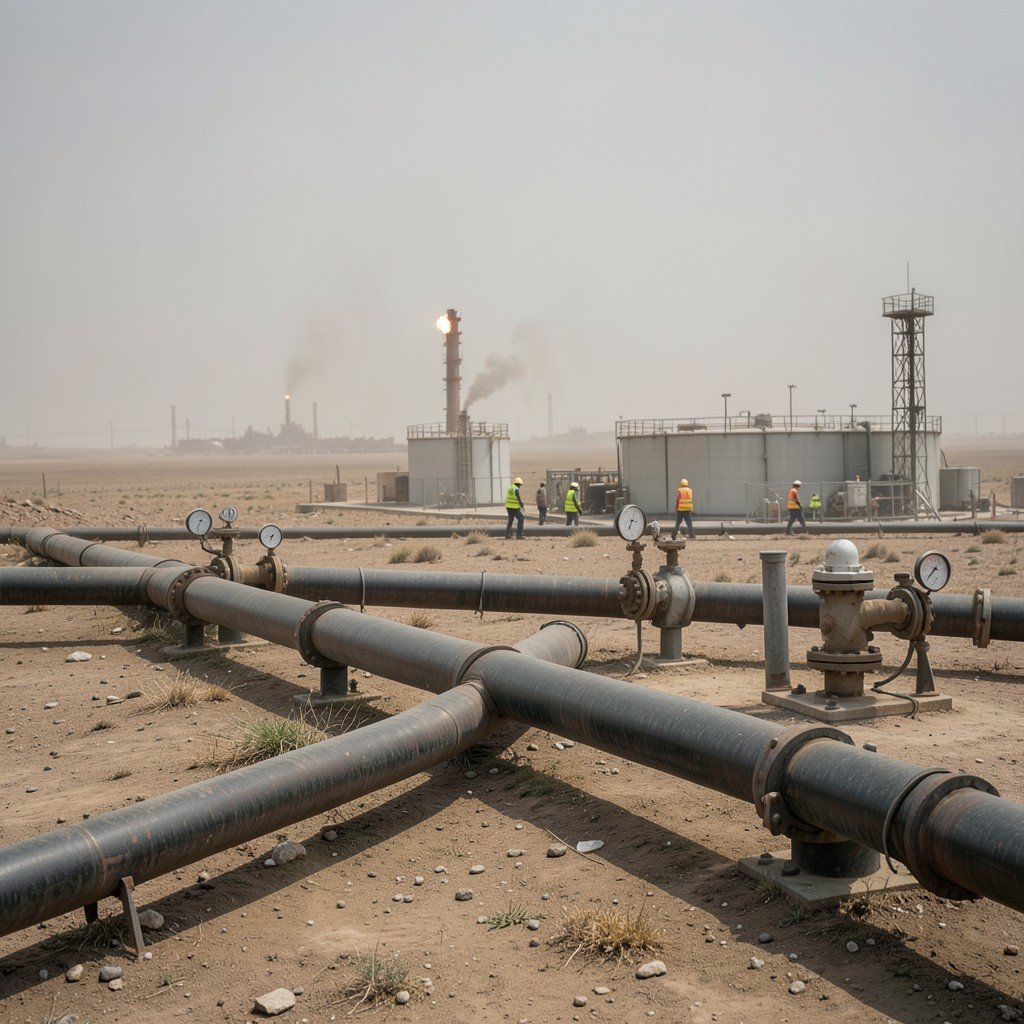
AI-generated representative image: Oil pipelines and storage facilities in Iraq, illustrating the country's reliance on crude exports amid the Strait of Hormuz
Editorial Team
Editorial Team
Baghdad weighs pipelines through Turkiye, Jordan and Syria after losing $60 billion in oil revenues amid the Strait of Hormuz shutdown.

Iraq has lost approximately $60 billion in oil revenues and been unable to export about 90 percent of its Gulf-bound crude since the closure of the Strait of Hormuz amid the ongoing war between the United States and Iran, Prime Minister Ali al-Zaidi told the United Nations General Assembly on Friday.

The crisis has cut off Iraq's sea-based trade, a lifeline for a country where oil revenues account for roughly 90 percent of the federal budget, and has already prompted protests in Baghdad over the government's inability to pay salaries.

The disruption of the strait, long the main gateway for Iraqi oil to global markets, has forced Baghdad to confront a structural vulnerability it failed to address before the conflict began. With no quick fix available, the government is now weighing austerity measures and alternative export routes that analysts say are years away from offering meaningful relief.

Government Response and Export Diversification Plans

Al-Zaidi told the assembly that boosting oil production in the coming years and diversifying export channels could increase revenues, pointing to the existing Iraq-Turkiye Pipeline (ITP) and potential new routes through Jordan and Syria.

  • Iraq and Turkiye signed a one-year extendable agreement last month to export at least 750,000 barrels per day through the ITP to the Turkish Mediterranean port of Ceyhan.
  • Basra Oil Company manager Bassem Abdul Karim said 250,000 barrels per day were being transported by road from southern oil fields to a storage facility in Kirkuk, with plans to raise volumes to 750,000 barrels.
  • The government is considering austerity measures to address the deficit, though these remain unpopular with the population.

Background of the Crisis

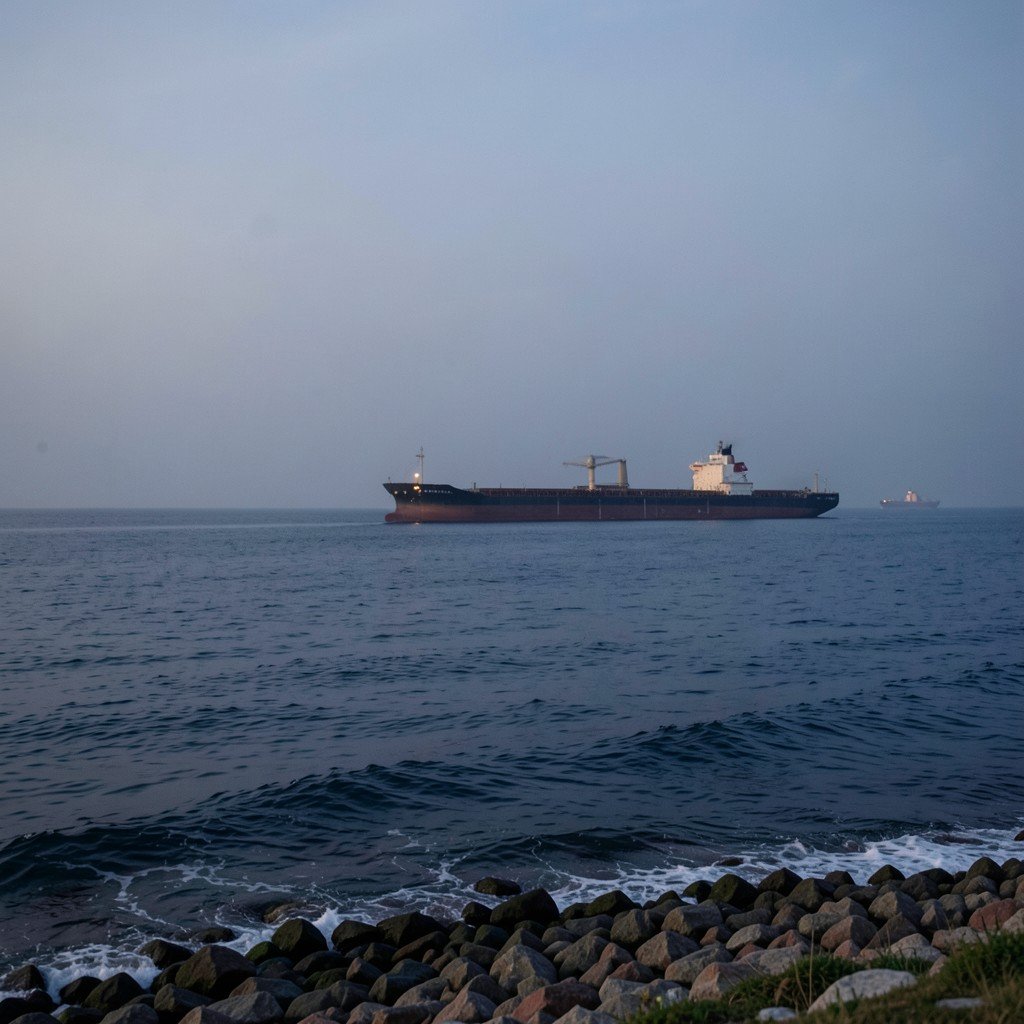
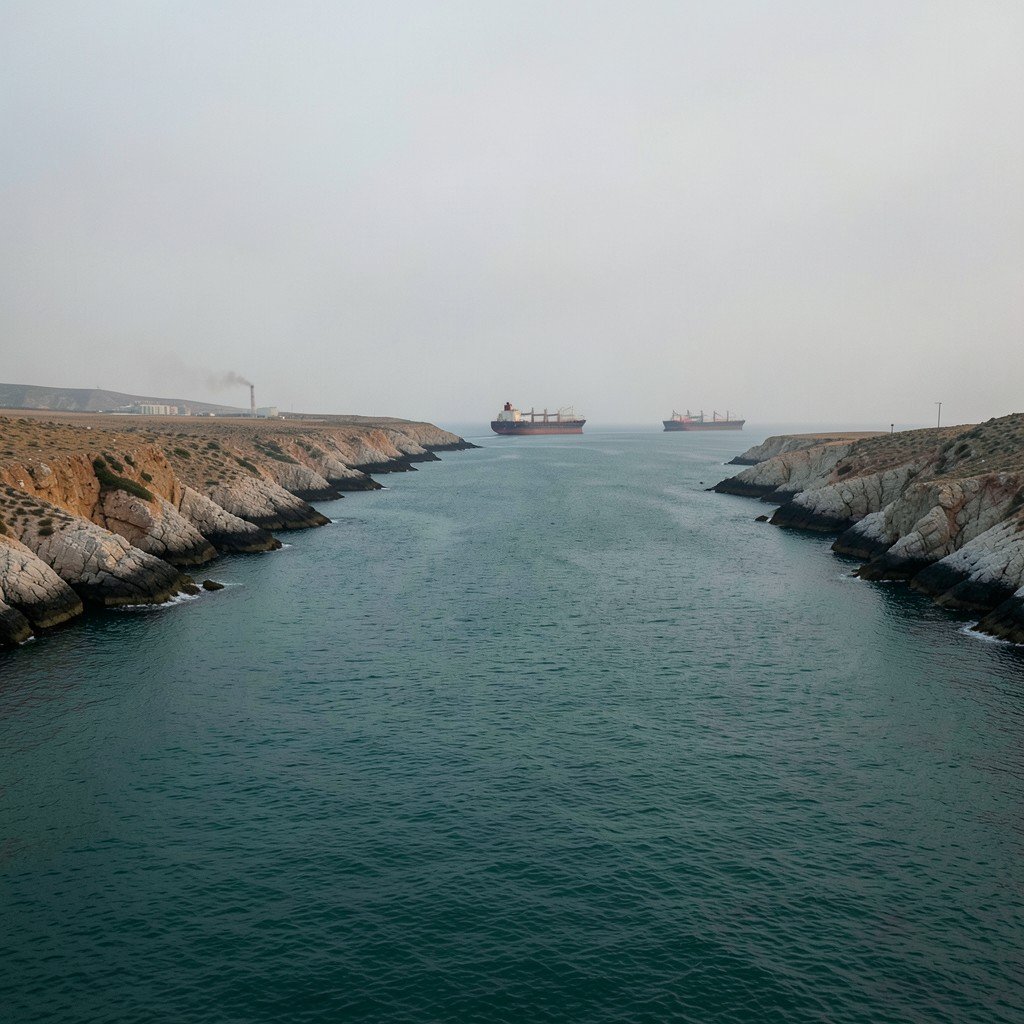
Before the closure of the Strait of Hormuz, Iraq was exporting 3.5 million barrels of oil per day. The strait has historically served as the primary maritime route for Iraqi crude, making the country heavily dependent on its continued operation.

Iraqi political and security analyst Sarmad Al-Bayati said the lack of quick solutions is a major problem, noting that alternatives through Syria, Turkiye or a future Jordan pipeline are currently unrealistic and impractical. Former OPEC spokesman and oil and gas specialist Hassan Hafidh said Iraq had lagged far behind in preparing export alternatives before the crisis and failed to account for the possibility of losing access to the strait.

Export Figures and Market Pressures

Ali Nazar, head of the Iraqi Oil Marketing Organisation (SOMO), told parliament that Iraq's export capacity stood at 4.2 million barrels in September, but actual average exports were much lower at 2.5 million barrels. SOMO has offered discounts of $26.5 per barrel for medium oil and about $28 for heavy oil, yet continues to struggle to find buyers due to ongoing attacks on vessels transiting the strait.

"The competition is very intense. Kuwait and Qatar have offered larger discounts, reaching up to $35 per barrel," Nazar said. Oil ministry spokesman Salim al-Rikabi reported that 70 million barrels were exported in August, generating around $4.5 billion in revenue, though an oil ministry source said this reflected only crude from southern fields that passed through Hormuz.

Current Status and Outlook

Oil Minister Basim Mohammed Khudair told parliament last week that the situation in the Strait of Hormuz remains highly unstable and tense, with Iran and the US no closer to a deal to end the war and reopen the waterway. Iraq has relied on inefficient ship-to-ship transfers from Basra and other Gulf ports, with small boats carrying cargo through the strait under US military protection.

"If the war drags on, exports will drop. The entire import and export operations hinge on one vital factor, safety in the strait," Khudair said.

MORE LIKE THIS

Comments (0)

Leave a comment

A verified Gmail account is required to post comments.

No comments yet. Be the first to share your thoughts!