
Global Meat Crisis Looms as Cattle Herds Shrink and Feed Costs Surge
business

Global Meat Crisis Looms as Cattle Herds Shrink and Feed Costs Surge

By Editorial Team•Sep 29, 2026 · 7:25 AM•4 min read
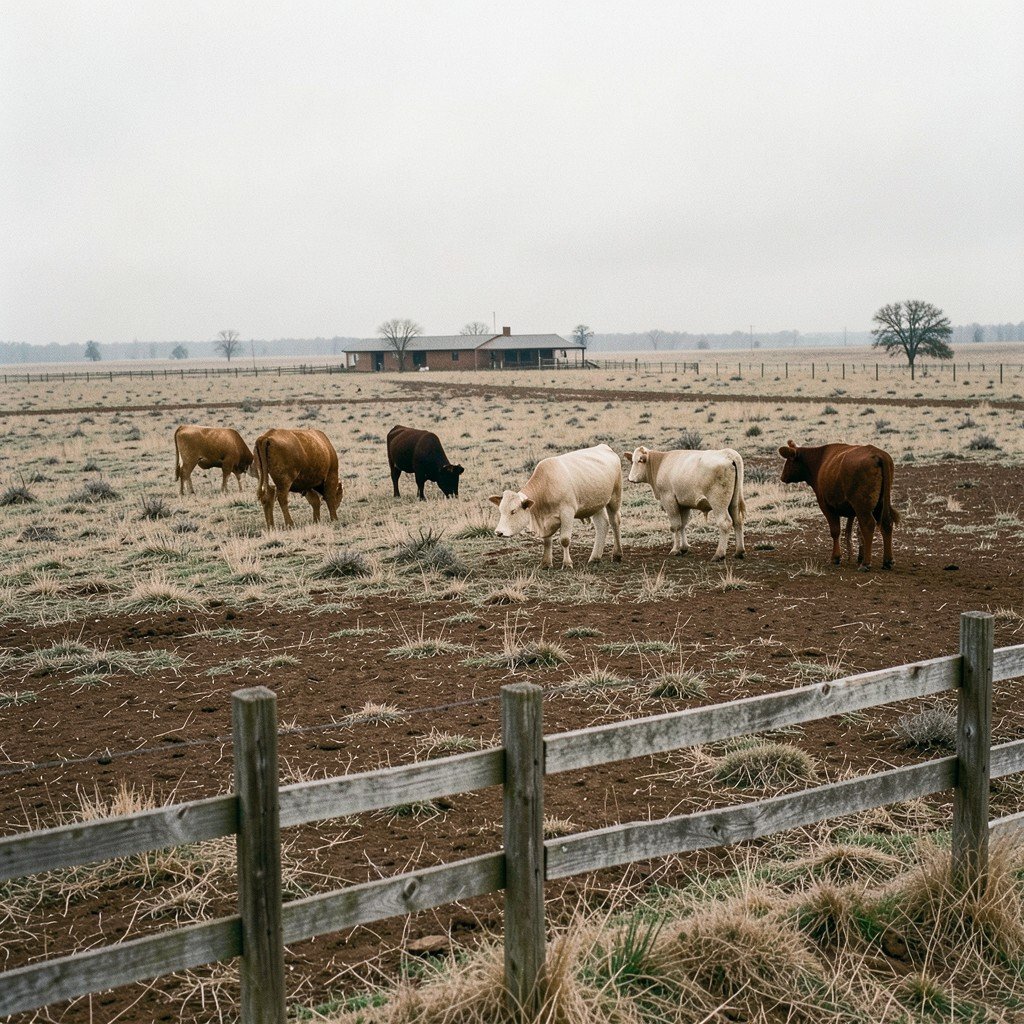
AI-generated representative image: A drought-affected cattle ranch, reflecting shrinking herds and rising feed costs behind the global meat supply crunch.
Editorial Team
Editorial Team
Falling cattle stocks and rising soya feed prices threaten beef and poultry supplies worldwide

Beef prices are soaring in China, cattle farmers in the United States warn their businesses are becoming unsustainable, and poultry producers in India are cutting output because they can no longer afford feed. Together, these pressures are driving a looming global meat crisis that threatens what more than 90 percent of the world's population buys, cooks and serves at the table.

The strain originates deep in a supply chain most consumers never see. Cattle must be raised for years before becoming beef, chickens depend on feed tied to global grain and soya bean markets, and farmers require land, water and stable weather. When any link is disrupted, the effects ripple through markets and household budgets worldwide.

Shrinking Herds Across the Top Producers

Brazil, the US and China are the world's three largest beef producers, together supplying more than half of global beef, yet all three are seeing cattle herds shrink simultaneously.

  • Brazil's herd is estimated at 177.4 million cattle this year, a nearly 8 percent drop from 192.5 million in 2024, according to a March estimate by the US Department of Agriculture (USDA).
  • The USDA counted 86.2 million cattle and calves on US farms on January 1, 2026, a historic low. Beef cow numbers stood at 27.6 million, down 1 percent from a year earlier.
  • China's cattle head count was estimated at 94 million in January 2026, down 14 percent from 105 million in January 2024.

Beef production is projected to fall in all three countries in 2026, with a 2 percent decline in Brazil, a 4 percent decline in the US, and a projected 12 percent drop in China's total beef supply compared with 2024.

Why Herds Are Declining

The causes vary by country. Brazil, whose two major export markets are China and the European Union, has faced import restrictions from both that have discouraged beef manufacturers, according to an analysis by Augusto Neto at S&P Global. Brazil is also in a cattle reversion cycle, in which rearers reduce slaughter and preserve female stock to rebuild herds, the USDA noted.

In the US, drought has hit 60 percent of the country's cattle-rearing area, reducing grazing land and raising feed costs, according to a report by Sampad Nandy of S&P Global. Three major organisations representing breeders in Texas, Oklahoma and Kansas also issued a joint statement this week arguing that Immigration and Customs Enforcement (ICE) raids were disrupting operations in an industry heavily dependent on immigrant workers.

High prices do not automatically translate into more supply. Kenneth Foster, professor of agricultural economics at Purdue University, explained that cattle production is constrained by biological cycles, and it can take a couple of years after a market signal for expanded production to reach the beef supply. The quickest way to rebuild a herd is to retain female cattle for breeding, a step Brazil is now taking, but that requires producers to carry the costs and risks of waiting for the next generation.

Europe Shifts Toward Poultry as India Cuts Output

The European Union produced about 42.7 million tonnes of meat in 2025. EU meat production is projected to decline by about 3 percent between 2025 and 2035, with beef falling 10 percent and pork 7 percent. Poultry is the exception, with production projected to rise 5 percent and consumption expected to increase 9 percent over the same period. The OECD-FAO Agricultural Outlook expects poultry to be the fastest-growing major meat category globally over the next decade, helped by its low cost and short production cycle.

Poultry faces its own pressures, however. In June, a large section of India's poultry industry announced plans to cut production by 25 percent after soya meal prices rose more than 40 percent in a month. The All India Poultry Breeders' Association made the decision amid sharply higher feed costs and a seasonal decline in demand, with producers also culling parent breeder stocks. Indian soya meal prices rose 41 percent in one month to a four-year high of 66,000 rupees ($687.5) per tonne, after which India cancelled 25,000 tonnes of soya meal export contracts and began importing soya beans from African countries.

What Lies Ahead

The USDA expects the US cattle herd to begin rebuilding, though the process is gradual. Brazil is similarly working to preserve female stock to restore its herd. In Europe, the structural shift toward poultry is expected to continue through 2035. As changing climates, rising prices, shifting dietary preferences and growing trade barriers reshape meat production, additional information on how these trends will affect global prices and supply remains to be seen.

MORE LIKE THIS

Comments (0)

Leave a comment

A verified Gmail account is required to post comments.

No comments yet. Be the first to share your thoughts!