

Fifa World Cup Stake Sale to Tech Investors Collapses Amid Backlash
business

Fifa World Cup Stake Sale to Tech Investors Collapses Amid Backlash

By Editorial TeamAug 8, 2026 · 7:38 PM4 min read
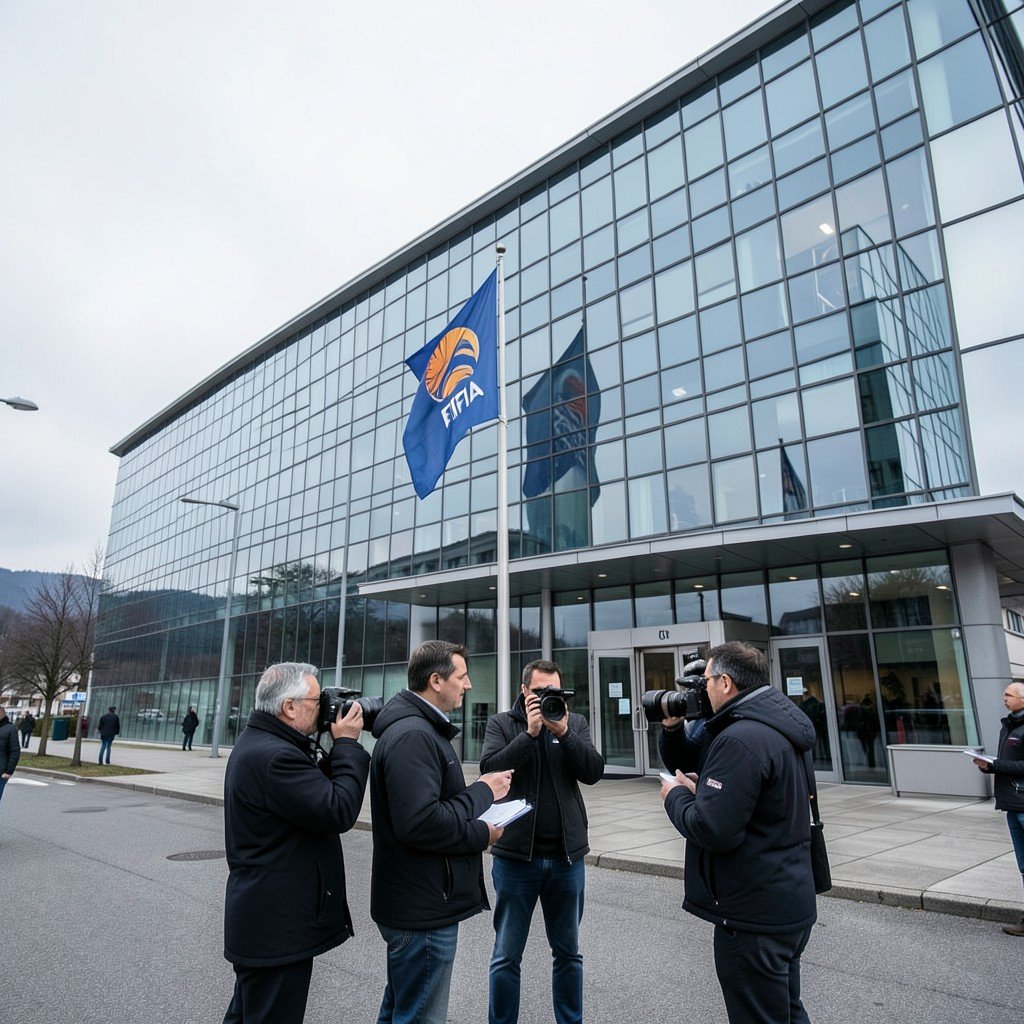
AI-generated representative image: Fifa headquarters in Zurich, where a proposed $20 billion World Cup stake sale to Silicon Valley investors collapsed amid wid
Editorial Team
Editorial Team
How Silicon Valley's Thrive Eternal consortium pursued a $20 billion World Cup investment deal — and why football's governing body was forced to walk away.

Fifa was forced to abandon a proposal to sell a minority stake in the World Cup to a consortium led by Thrive Eternal, a spin-off of venture capital firm Thrive Capital, following intense opposition that included threats of future boycotts and calls for president Gianni Infantino to resign.

The deal, valued at $20 billion, would have channelled an initial $4.2 billion (£3.1 billion) into the sport's governing body, with each member association receiving equity worth up to $91 million under the proposed Fifa Forward Enterprise (FFE) structure.

The collapse of the proposal has exposed a growing tension at the heart of global football: Silicon Valley investors increasingly view live sport as one of the few entertainment assets that artificial intelligence cannot replicate, while critics argue Fifa has no financial need to sell off pieces of its most valuable property.

With the 2026 World Cup already on track to generate record revenues, the episode raises fundamental questions about who should own football's biggest stage and whether similar bids are inevitable.

How the Investment Plan Unfolded

Thrive Eternal was launched in April 2026 by Thrive Capital, the New York-based venture firm run by Joshua Kushner, brother of Donald Trump's son-in-law Jared Kushner. The new arm was created specifically to invest in assets with "qualities that cannot be replicated by technology", with live sport identified as the cornerstone of that strategy.

Talks over the FFE proposal began last year, with Greg Maffei, former chief executive of Formula 1 owner Liberty Media, brought in as a commercial adviser. Former Disney chief executive Bob Iger was also hired by Thrive. The firm has already agreed to purchase a stake in the San Francisco Giants baseball team and is reportedly considering a bid for a new NBA franchise in Las Vegas.

Fifa ultimately withdrew the plan after member associations and fan groups mounted sustained opposition, threatening boycotts and demanding Infantino step down.
The AI-Proof Investment Thesis

Thrive Capital has been a major financial backer of OpenAI and primarily invests in artificial intelligence companies. Its pivot into sport through Thrive Eternal reflects a calculated conviction: while AI is already disrupting entertainment sectors such as film and music, the tradition, cultural identity and communal experience embedded in football make it resistant to technological displacement.

The firm's website states that "iconic franchises and cultural institutions rooted in tradition, identity, and shared experience" will not merely survive the AI revolution but "will matter even more". The World Cup, as the planet's most-watched sporting event, represented the ultimate prize within that thesis.

US investment in football is not new. American money has flowed into English and European clubs since the Glazer family acquired Manchester United more than two decades ago. However, the FFE proposal marked the first attempt to bring outside equity directly into the World Cup itself.

Fifa's Financial Position Under Scrutiny

Fifa has argued the World Cup is "under-monetised", but the 2026 edition, co-hosted by the United States, Canada and Mexico, is already set to generate record revenues through hydration break advertising, dynamic ticket pricing, and unprecedented broadcast and sponsorship deals. The expanded 48-team format, with a potential 64-team tournament under discussion, promises even greater commercial returns.

Christina Philippou, associate professor in accounting and sport finance at the University of Portsmouth, questioned the rationale. "Fifa are not in a position where they are desperate for money," she said. "They could very easily, with the money they already have, increase those payouts to the member associations. So there is no need to go external."

Professor Simon Chadwick, who has worked across the global sports industry for three decades, noted that decisions affecting football and its fans are increasingly being made "in Wall Street and Silicon Valley". He added: "Whether people like it or not, private equity investment in sport is happening."

What Happens Next

Thrive Eternal is understood to respect Fifa's decision to withdraw the proposal. Both Kushner and the firm have declined to comment publicly on the plan or its collapse. A source close to the firm told the BBC that the investment was structured as a long-term holding, with investors prepared to wait decades for returns, and that equity control would have remained with Fifa rather than outside investors.

Despite the setback, interest from institutional investors in football's commercial rights remains strong. Whether through Thrive Eternal or another vehicle, the forces that produced the FFE proposal are unlikely to disappear.

MORE LIKE THIS

Comments (0)

Leave a comment

A verified Gmail account is required to post comments.

No comments yet. Be the first to share your thoughts!