
US-Iran Diplomacy at UNGA Tests Path to Breakthrough Deal
news

US-Iran Diplomacy at UNGA Tests Path to Breakthrough Deal

By Editorial TeamSep 23, 2026 · 6:16 PM3 min read
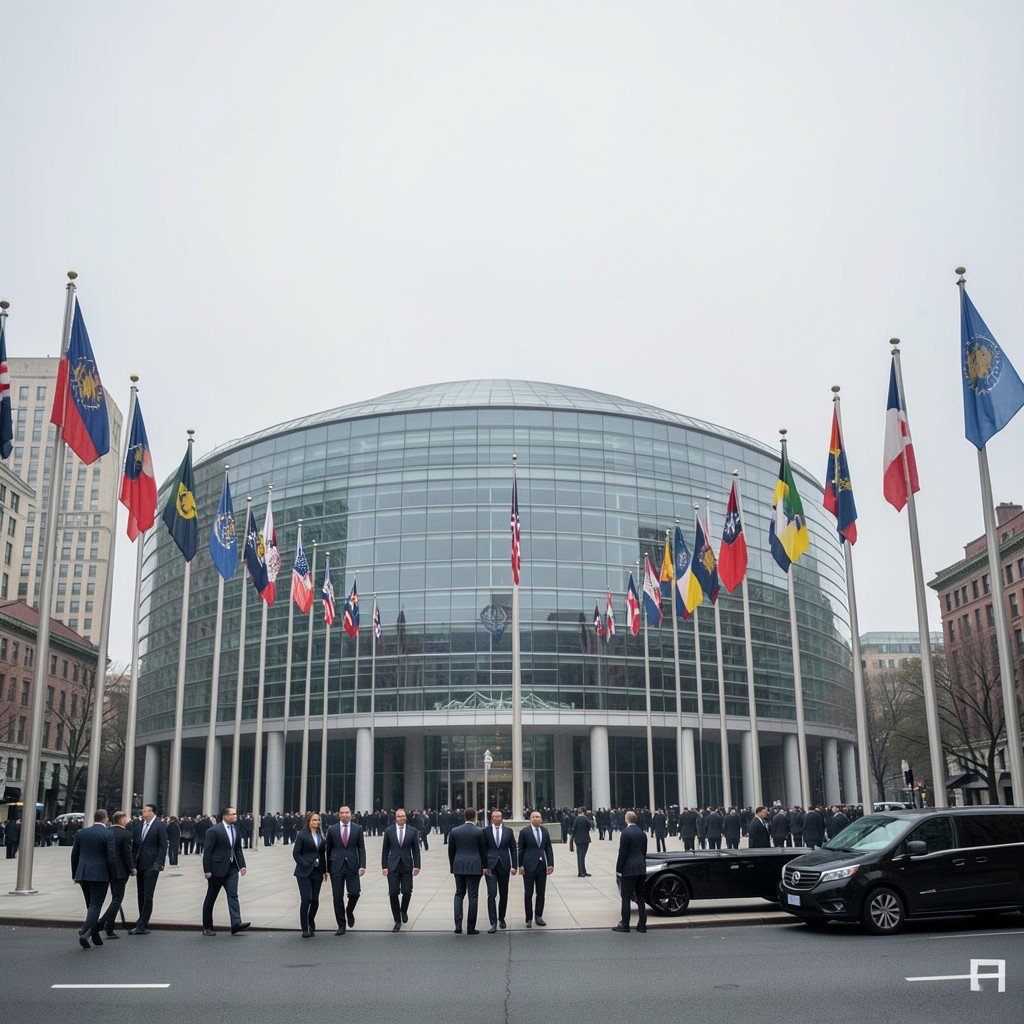
AI-generated representative image: The United Nations headquarters in New York, where US and Iranian officials held indirect talks on the sidelines of the Gener
Editorial Team
Editorial Team
Indirect talks, Gulf mediation and China's visit unfold as analysts caution a deal remains distant

United States and Iranian officials held three hours of indirect talks on Tuesday on the sidelines of the United Nations General Assembly in New York, even as President Donald Trump publicly floated the possibility of "annihilating" Iran, the country Washington has been at war with since February 28.

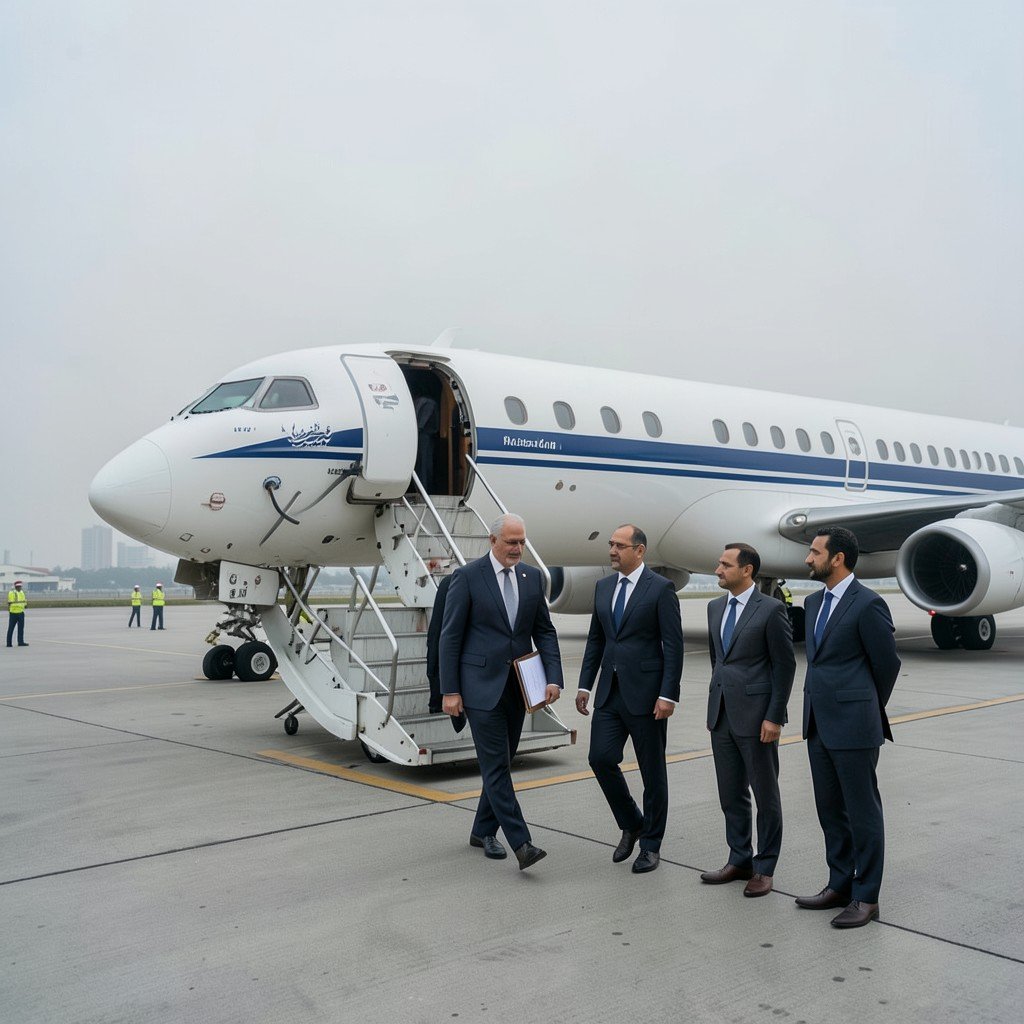
US special envoys Steve Witkoff and Jared Kushner met Iranian Foreign Minister Abbas Araghchi, with Trump describing the session as "very good" and "very productive." Analysts, however, say a full diplomatic breakthrough this week remains unlikely.

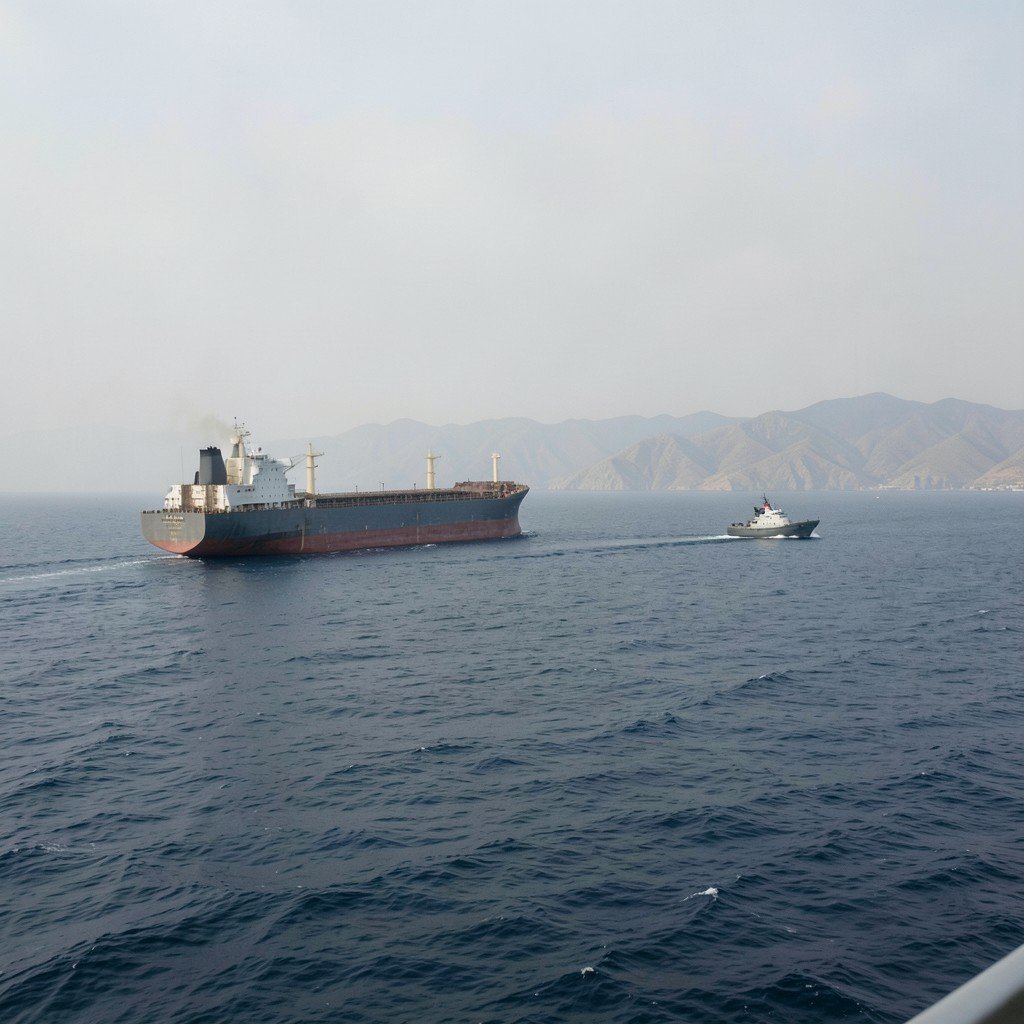
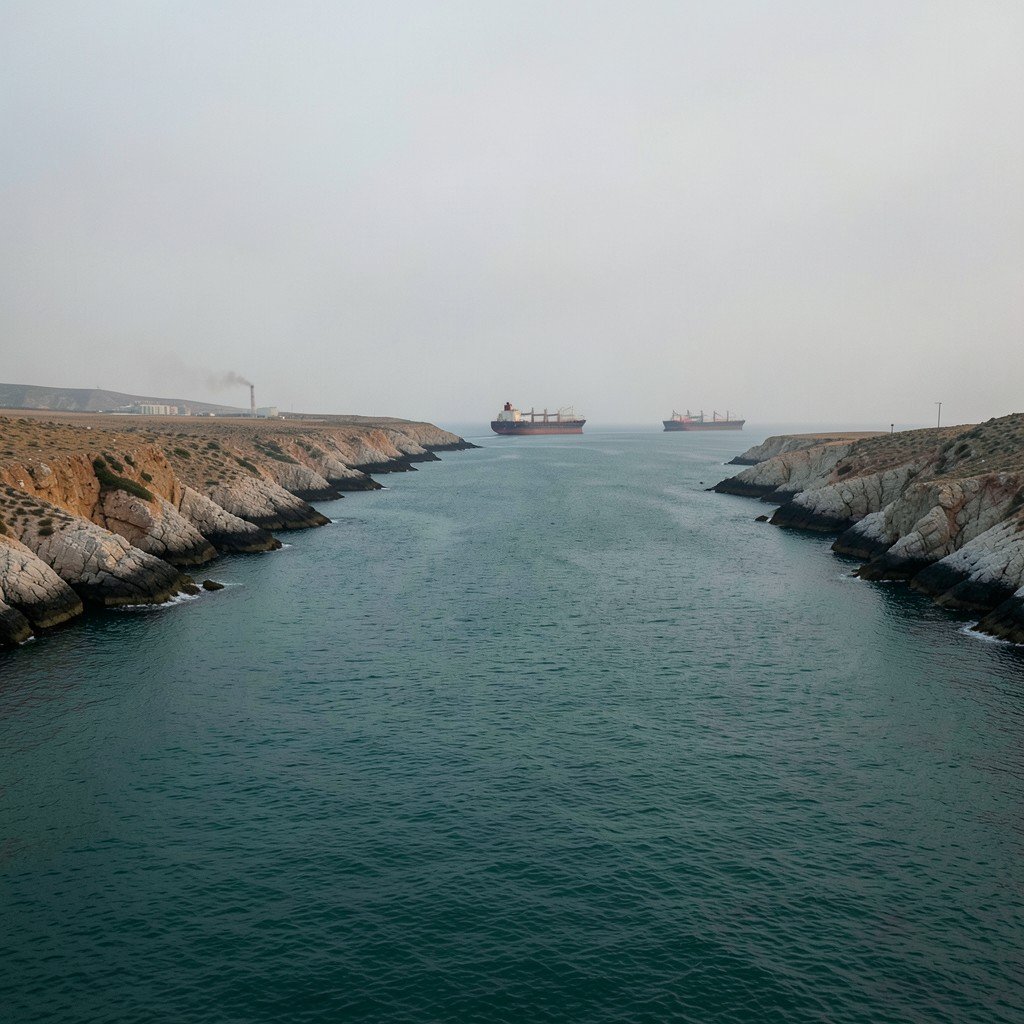
The parallel diplomatic activity reflects a broader push by multiple mediators to bring Washington and Tehran back to the negotiating table after months of war. The outcome could shape regional security, global oil flows through the Strait of Hormuz and the trajectory of related conflicts, including in Yemen.

Key Diplomatic Moves

Several initiatives converged this week as world leaders gathered in New York:

  • US and Iranian officials held three hours of indirect talks on Tuesday, with Trump calling the meeting "very good" and "very productive."
  • Iranian President Masoud Pezeshkian arrived in New York early Wednesday, becoming the first leader of a country at war with the US to address the gathering on American soil.
  • Chinese President Xi Jinping is set to meet Trump one-on-one in Washington, DC, on his first state visit to the US in nearly a decade, landing Wednesday evening.
  • Trump also met Gulf Cooperation Council leaders Tuesday, with regional officials weighing a Qatari proposal for a common security framework involving Iran and Gulf states.
Background of Failed Negotiations

The current war began with joint US-Israeli strikes on Tehran at a time when Washington and Tehran were engaged in Oman-mediated dialogue. Iran has cited this history, along with a 12-day conflict in June and earlier talks in 2025, as evidence that Washington can shift abruptly from negotiation to military action.

The latest diplomatic push follows the collapse of a 60-day memorandum of understanding finalized in Islamabad, Pakistan in June. According to Voice of Urdu's correspondent in Tehran, Araghchi's meeting with Witkoff and Kushner was intended to convey Tehran's latest conditions for ending the war.

Analyst Assessments

Sanam Vakil, director of the Middle East and North Africa Programme at Chatham House, said she is "sceptical that a breakthrough deal can emerge this week," though a series of understandings could build confidence for renewed diplomacy. She noted both sides have negotiated for more than two years, with two rounds ending in military conflict.

Adel Abdel Ghafar, a senior fellow at the Australian Strategic Policy Institute, said any deal would require consent from the Islamic Revolutionary Guard Corps and hardliners managing the war in Tehran. He identified the Strait of Hormuz as Iran's strongest bargaining card and the issue Washington most wants resolved, given high oil prices and approaching midterm elections.

What Lies Ahead

Analysts say indicators of progress would include another confirmed round of US-Iran talks, agreement on sequencing or reciprocal steps, and direct meetings between Araghchi or Pezeshkian and US officials. Such signs could strengthen momentum during the Trump-Xi meeting and ease fighting between the Iran-backed Houthi group and the Saudi-led coalition in Yemen.

Even if Washington and Tehran de-escalate, analysts caution that calm in the Strait of Hormuz would not automatically extend to the Red Sea, where the Bab al-Mandeb remains under effective Houthi control.

MORE LIKE THIS

Comments (0)

Leave a comment

A verified Gmail account is required to post comments.

No comments yet. Be the first to share your thoughts!