
Iran Offers to Reopen Strait of Hormuz Within Seven Days
news

Iran Offers to Reopen Strait of Hormuz Within Seven Days

By Editorial TeamSep 22, 2026 · 7:02 PM3 min read
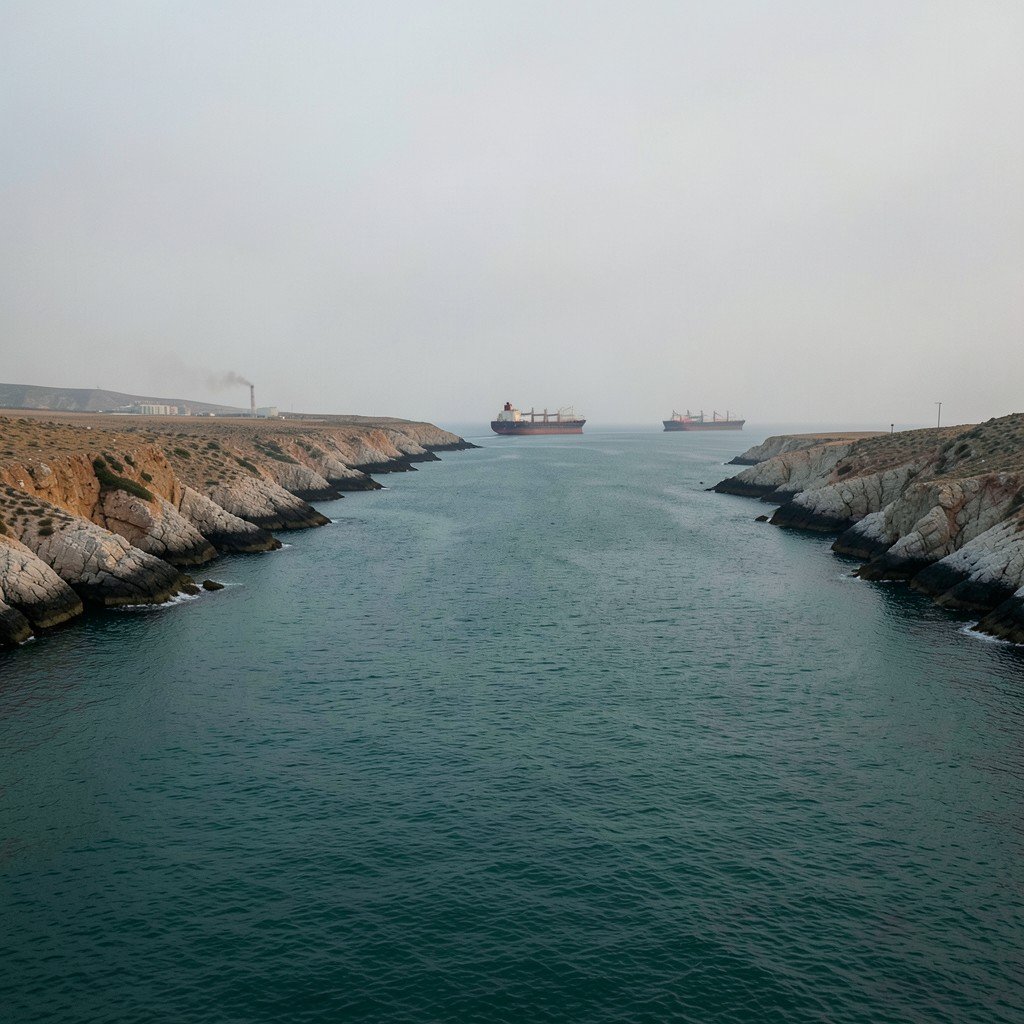
AI-generated representative image: An oil tanker and LNG carrier transit the Strait of Hormuz, a key global energy shipping route.
Editorial Team
Editorial Team
Tehran links reopening of the vital oil route to US diplomatic steps and eased pressure

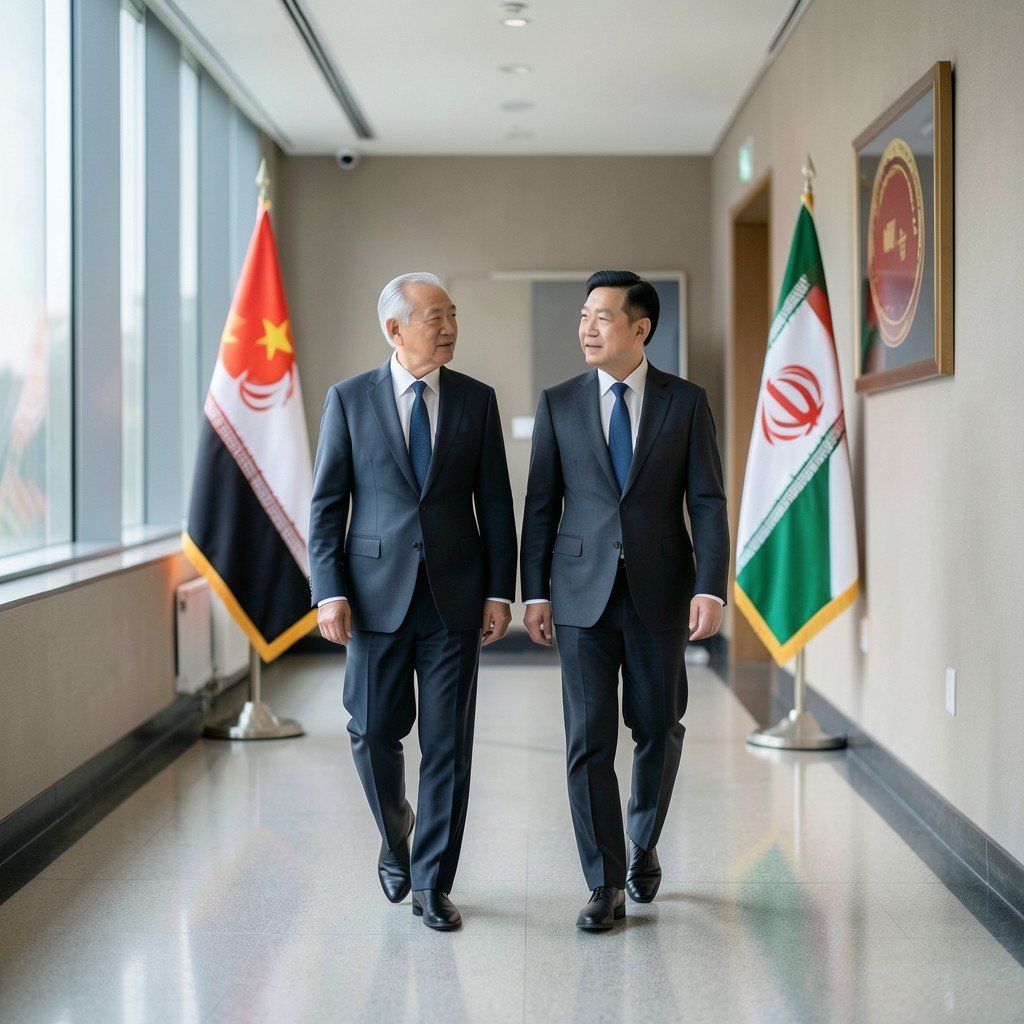
Iran has indicated that the Strait of Hormuz could reopen within seven days if the United States eases military pressure and lifts its blockade of Iranian ports, according to media reports citing a senior Iranian official.

The proposal, conveyed to Washington through mediators last week, asks the US to declare its readiness to resolve the conflict through diplomacy and agree on a timeline for further steps, the official told Reuters on Tuesday.

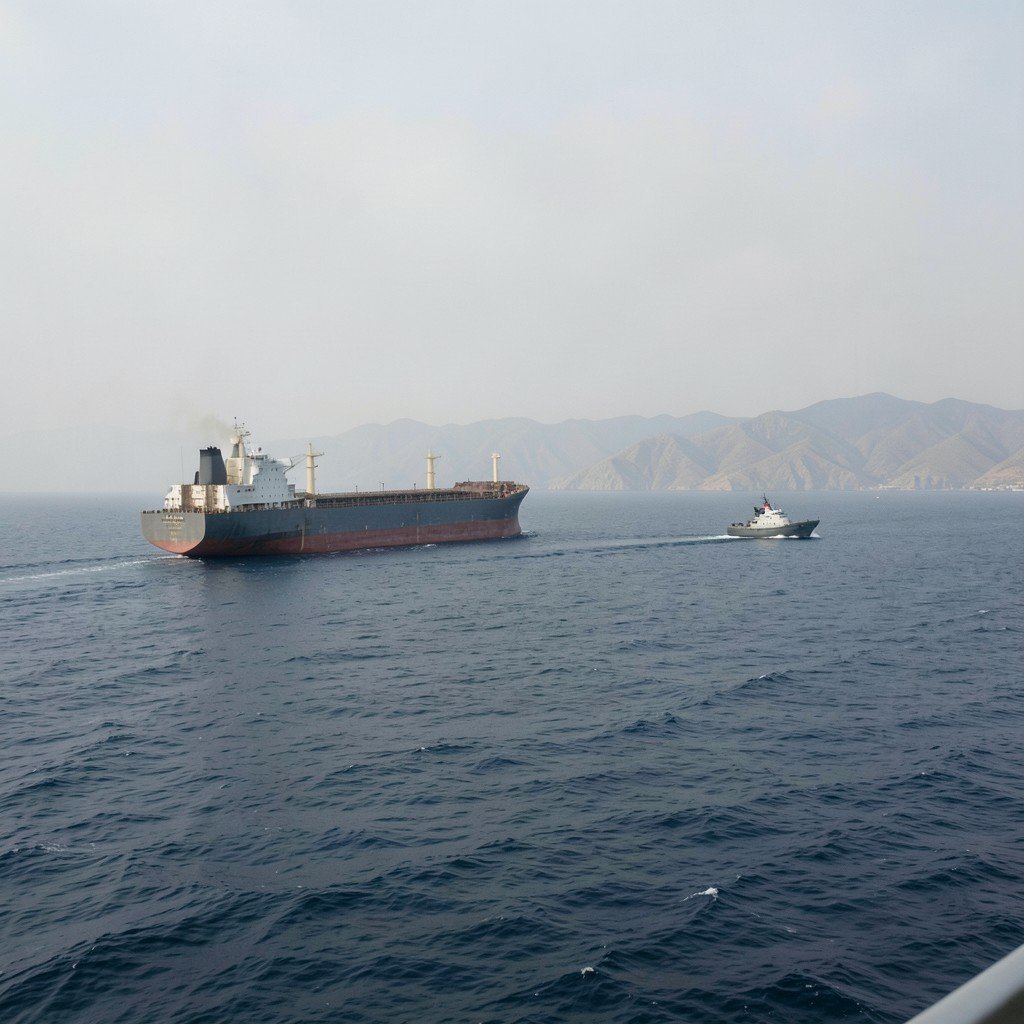
The Strait of Hormuz is one of the world's most important energy routes, normally carrying around a fifth of global oil and liquefied natural gas shipments. Shipping has largely halted since the US-Israeli war with Iran began in late February, disrupting supplies and driving energy prices higher.

A reopening would ease pressure on global energy markets, but the proposal remains conditional on Washington accepting broader Iranian demands.

Diplomatic Proposal and Conditions

Tehran has framed the ongoing UN General Assembly in New York as a "golden opportunity for the US to return to diplomacy," according to the official, who added that the Iranian delegation had full authority to revive negotiations.

US Secretary of State Marco Rubio told NBC that the administration was prepared to speak with Tehran if negotiations had the prospect of producing a positive outcome. The official noted there were no plans for Iranian President Masoud Pezeshkian and US President Donald Trump to meet directly at the General Assembly, although Trump signaled on Sunday that he would be open to such a meeting.

Iran has set broader conditions for ending the conflict. Supreme National Security Council Secretary Mohsen Rezaei said on Saturday that Tehran had conveyed seven demands to Washington through mediators, including an end to hostilities, the release of frozen Iranian assets, and the lifting of the naval blockade.
Background of the Conflict

Previous attempts to halt the fighting have been unsuccessful. A memorandum of understanding agreed by the US and Iran in June was followed by renewed hostilities, while no face-to-face talks are known to have taken place since July.

Tensions rose again this week after Trump said he was in "deciding mode" over Iran and weighing further military action, economic pressure, or a deal. Iran's Islamic Revolutionary Guard Corps responded by warning that another US attack would prompt Tehran to expand the scope of the conflict and use different weapons.

Washington has also threatened additional economic pressure. Treasury Secretary Scott Bessent said on Monday that companies providing Iranian airlines with fuel, airport services, or ticketing could be denied access to the US dollar system.

Impact on Global Energy Flows

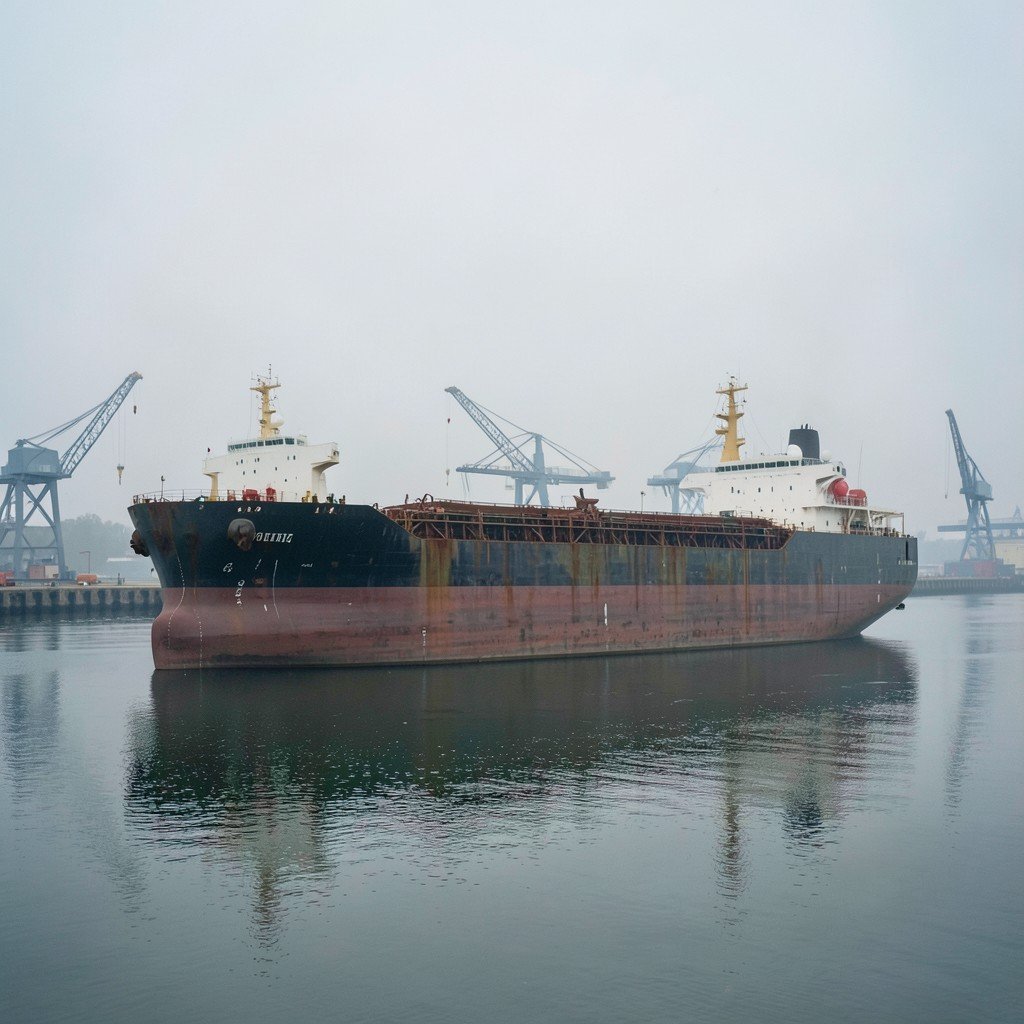
US government data show that oil flows through Hormuz fell from 21.6 million barrels per day in the final quarter of 2025 to 4.9 million in the second quarter of this year, illustrating the scale of the disruption to global energy supplies since the conflict began.

The sharp decline in shipments through the strait has contributed to higher energy prices, with the route normally responsible for transporting roughly one-fifth of the world's oil and liquefied natural gas.

What Happens Next

The Iranian proposal has been transmitted through mediators, but no formal agreement has been reached. Washington has signaled openness to talks only if they are likely to produce a positive outcome.

With no direct meeting between the two presidents scheduled at the UN General Assembly, it remains unclear whether the seven-day reopening timeline can be met. Further developments are awaited as diplomatic exchanges continue.

MORE LIKE THIS

Comments (0)

Leave a comment

A verified Gmail account is required to post comments.

No comments yet. Be the first to share your thoughts!