
Canada Applies to Join UK-Led JEF Military Force Amid US Rift
news

Canada Applies to Join UK-Led JEF Military Force Amid US Rift

By Editorial TeamSep 18, 2026 · 3:33 PM4 min read
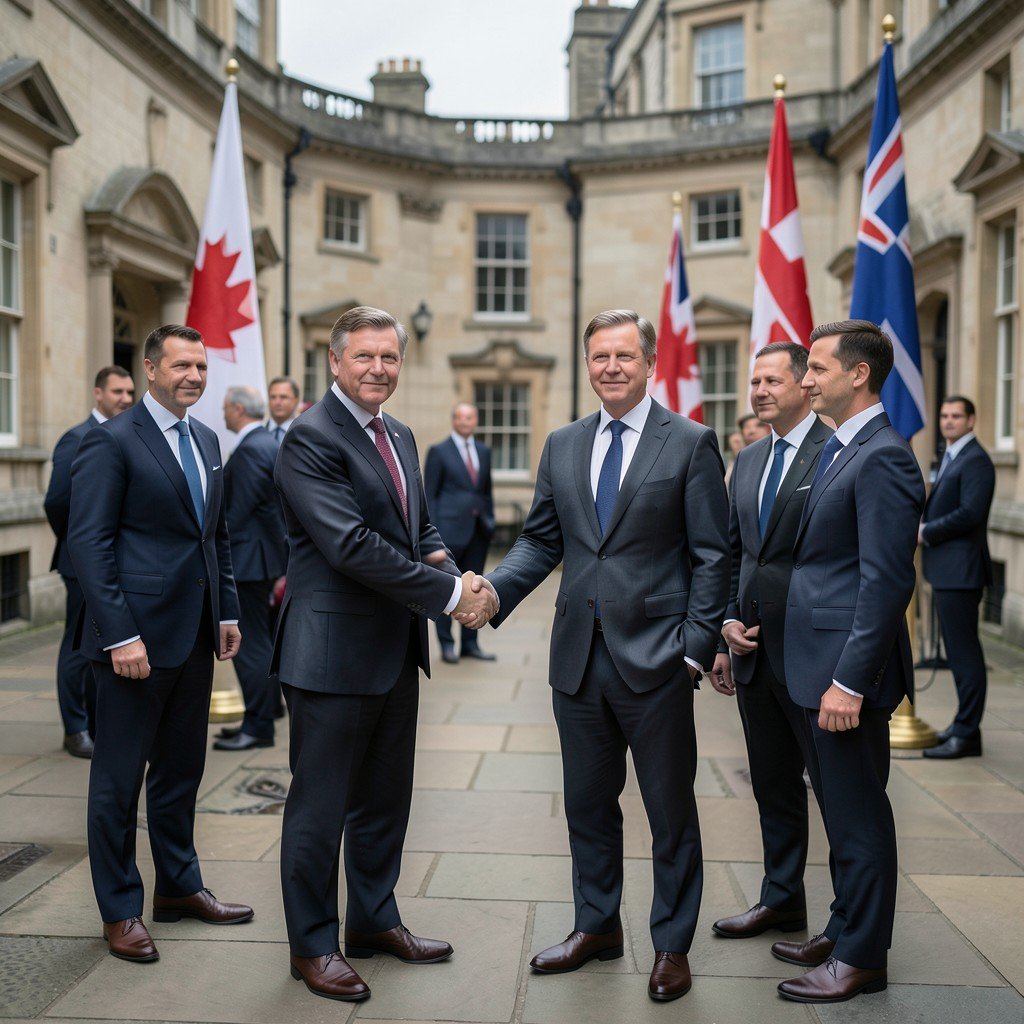
AI-generated representative image: Canadian and UK officials meet in a formal diplomatic setting reflecting Canada's bid to join the UK-led Joint Expeditionary
Editorial Team
Editorial Team
Mark Carney seeks deeper European defence ties as Ottawa diversifies partnerships away from Washington

Canada has formally applied to join the Joint Expeditionary Force (JEF), a Europe-led military coalition, as part of a broader effort to reduce its heavy reliance on the United States following a sharp deterioration in bilateral relations.

Prime Minister Mark Carney made the request on Wednesday during an official trip to the United Kingdom, which followed a meeting in Brussels with European Commission chief Ursula von der Leyen, who invited Canada to become the first-ever associate member of the bloc.

The application signals a significant shift in Canadian foreign policy, which has long operated in the shadow of its powerful southern neighbour. It also reflects a wider realignment among Western nations as Europe and Canada seek closer ties amid ongoing tensions with Washington over trade, defence spending and sovereignty.

Carney described the UK-led JEF as an "important initiative," underscoring Ottawa's determination to build new security relationships outside its traditional alliance with the United States.

Key Developments

Canada's application to the JEF comes as Ottawa pursues a transatlantic charm offensive covering both trade and defence. The move follows tit-for-tat tariffs between Canada and the United States after trade negotiations broke down.

  • Carney requested JEF membership on Wednesday during his UK visit, shortly after meeting von der Leyen in Brussels.
  • The European Commission chief invited Canada to become the bloc's first-ever associate member.
  • Canada is also planning to increase defence spending from about 40 billion Canadian dollars ($28.6bn) to more than 60 billion Canadian dollars ($42.8bn) over the next five years.
  • The JEF initially invited Canada to join in 2015, but Ottawa declined at the time, citing the lack of an immediate threat.

What Is the Joint Expeditionary Force?

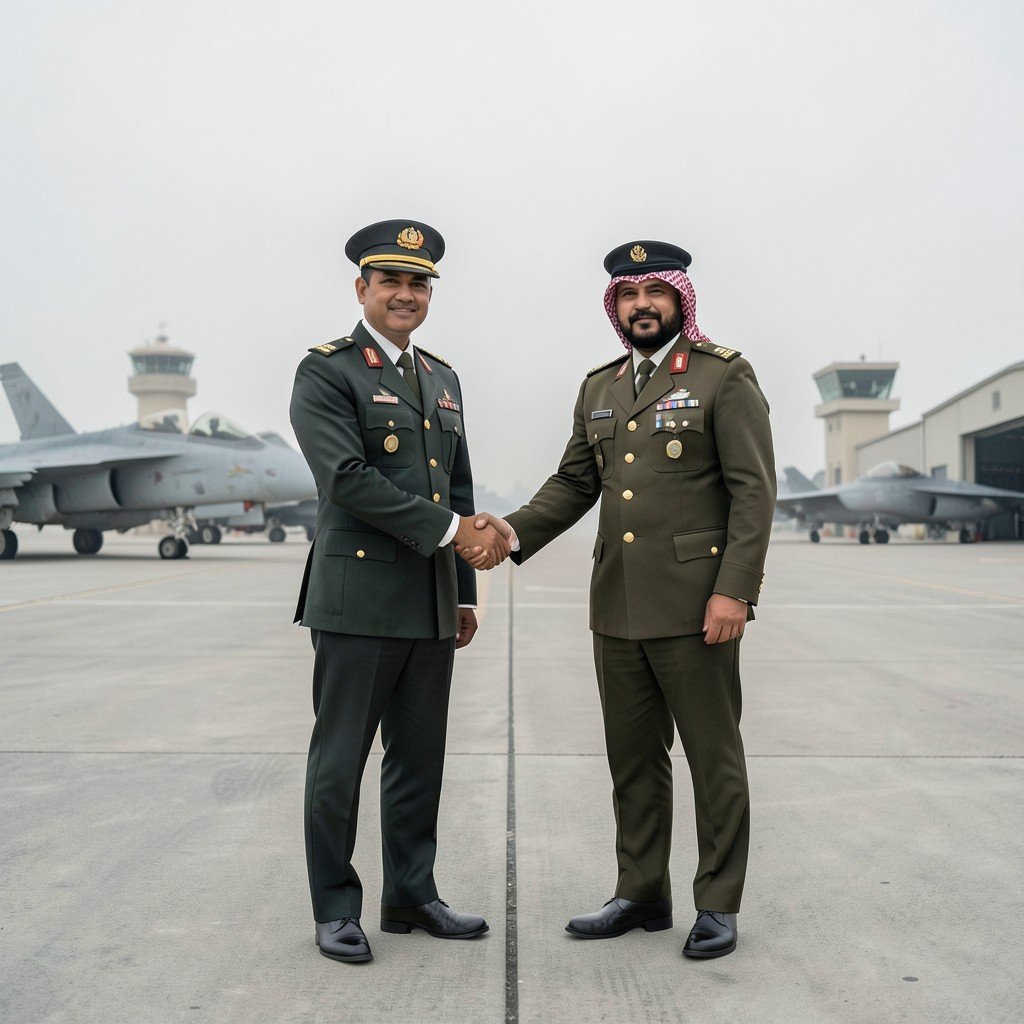
Formed in 2014, the JEF is a coalition of 10 European states designed to carry out rapid military deployments to deter threats from Russia in areas around the North Sea, the wider North Atlantic-Arctic region and the Baltic. It is led by the United Kingdom, with headquarters in Northwood, just north of London.

The other members are Denmark, Estonia, Finland, Iceland, Latvia, Lithuania, the Netherlands, Norway and Sweden. The JEF operates independently of NATO, although it can support NATO or United Nations missions when required. Unlike NATO, it functions as a "coalition of the willing" without a formal treaty, relying instead on political will and trust among members.

The force is designed to act "below the traditional threshold of war," according to the UK parliament, allowing it to address situations NATO might hesitate to confront because of its collective defence policy. Its combined rapid response forces number about 10,000 soldiers, though the alliance has not yet been deployed on any high-stakes missions and remains untested.

Canada's Motivation and the US Trade War

Canada exports 70 percent of all its goods to the United States, making the ongoing trade conflict especially damaging. In August, after trade talks collapsed, US President Donald Trump imposed a 50 percent levy on $20bn of Canadian goods, equivalent to 5.5 percent of its exports. Canada responded with tariffs on US steel, dairy, appliances, farm equipment, pulp and paper, and electronics.

Defence analyst Keir Giles of the Chatham House think tank said Canada "now fully understands the dangers of co-dependence with the US," adding that joining the JEF is "a logical step because of the JEF's purpose, because of the cultural affinity it shares with other members and because of a common understanding of how to deal with the threats in that shared area."

The UK currently spends about 2.6 percent of its gross domestic product on defence, short of the NATO goal of 3.5 percent by 2035. A parliamentary defence committee report last year found that the UK is "nowhere near" where it needs to be to defend itself and its allies.

What Lies Ahead

Canada's application remains under consideration by JEF member states, and no timeline for a decision has been announced. If accepted, Canada would join a coalition focused on securing the North Atlantic region where it is already a geographical neighbour.

Beyond the JEF, Canada is expected to pursue associate membership of the European Union, while continuing to expand its domestic defence capabilities and reduce reliance on US military suppliers. Further details on the membership process are awaited.

MORE LIKE THIS

Comments (0)

Leave a comment

A verified Gmail account is required to post comments.

No comments yet. Be the first to share your thoughts!