
Pentagon Report Reveals Heavy US Aircraft Losses in Iran Conflict
news

Pentagon Report Reveals Heavy US Aircraft Losses in Iran Conflict

By Editorial TeamSep 15, 2026 · 5:08 PM4 min read
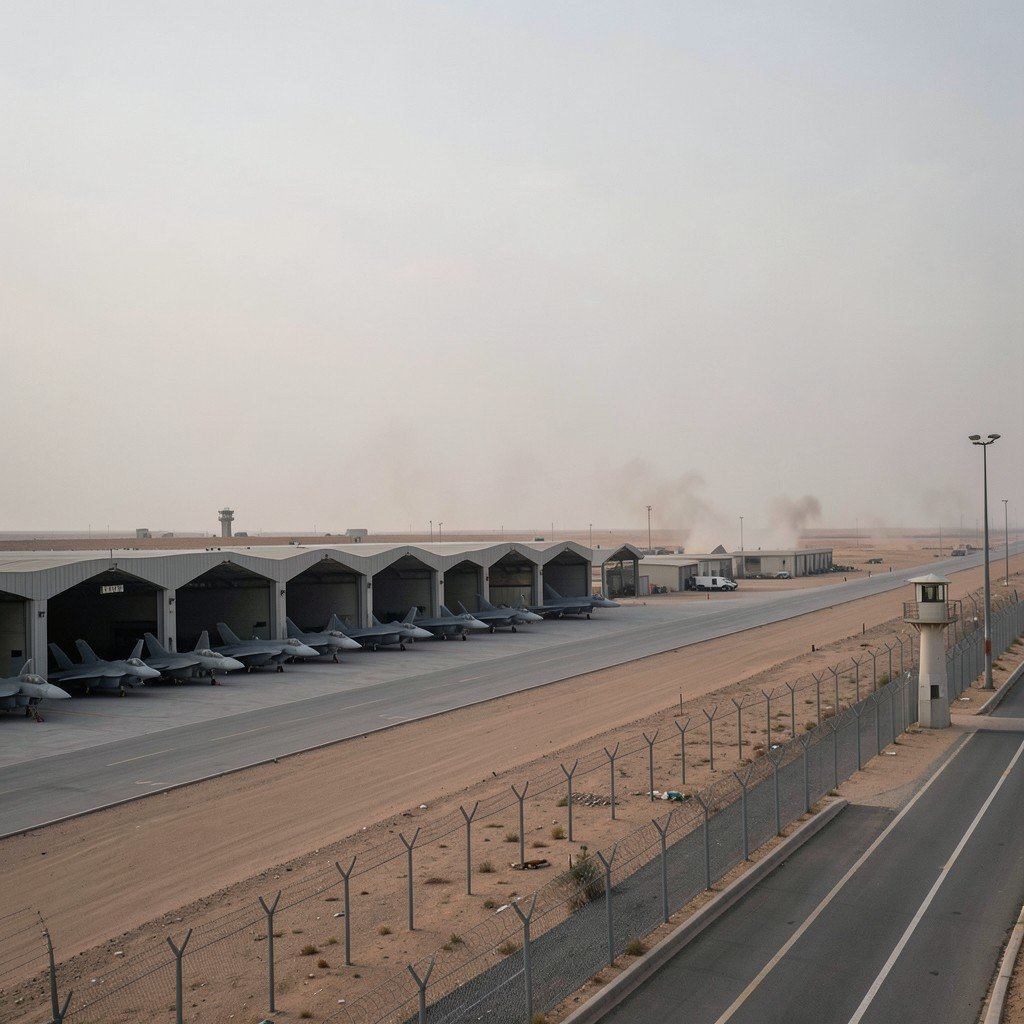
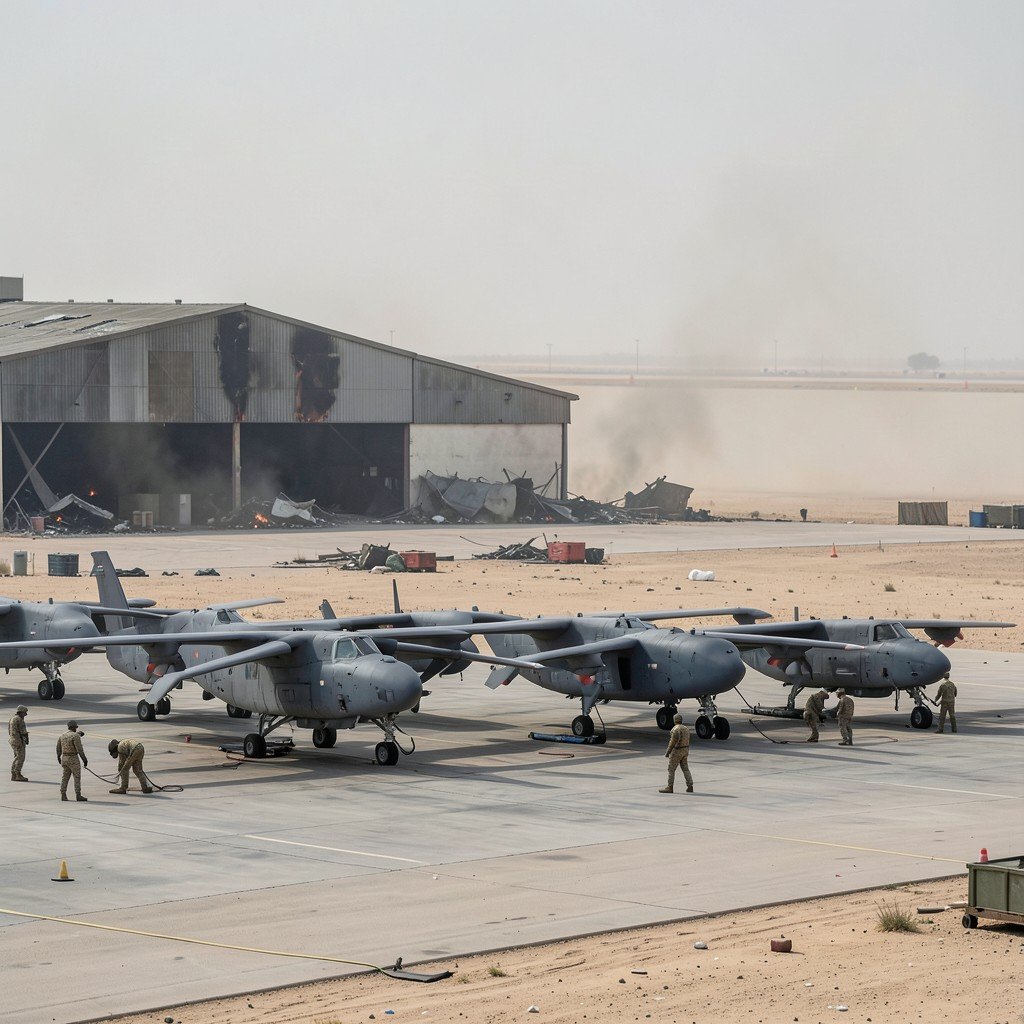
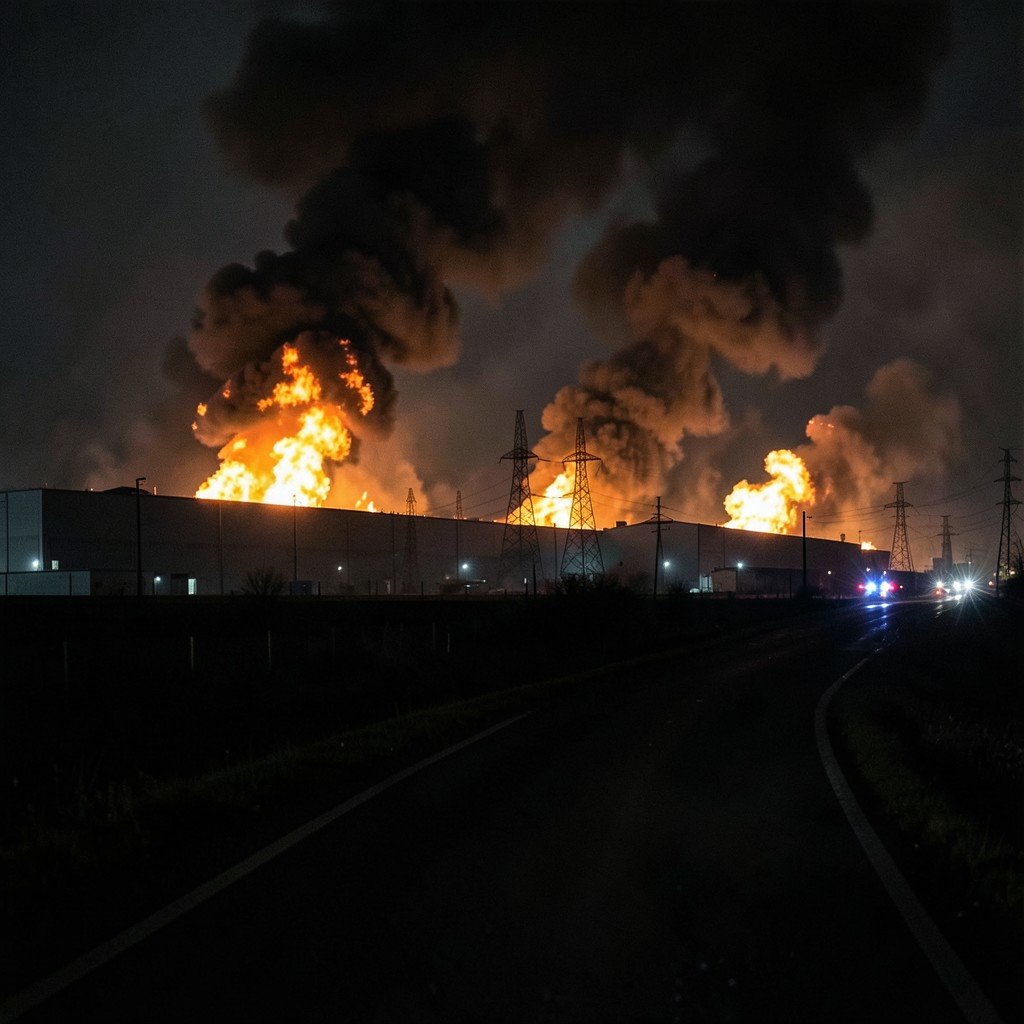
AI-generated representative image: US military drones and damaged infrastructure at a Gulf airbase, illustrating reported aircraft losses.
Editorial Team
Editorial Team
First official account details dozens of destroyed drones and billions in military war costs

A newly released Pentagon watchdog report has revealed that the United States lost dozens of aircraft, including at least 30 MQ-9 Reaper drones, and that hundreds of buildings used by American forces were damaged or destroyed during the conflict with Iran.

The report, published Monday by the Department of Defense inspector general, provides the first official account of US losses between February 28 and June 30, painting a picture of damage far greater than previously acknowledged.

The findings contradict repeated public assurances from President Donald Trump, who has described American ammunition supplies as "virtually unlimited" and claimed the US is producing more advanced weapons than ever before. The report instead acknowledges munition stockpile shortages and supply chain bottlenecks.

For readers, the disclosure marks a significant shift in the official narrative of a war in which Gulf countries and Washington had largely claimed that incoming Iranian strikes were intercepted and thwarted.

Reported Losses and Costs

The report estimates $22 billion was spent on expended munitions during Operation Epic Fury, the official name of the US military operation, while the overall war cost reached $33 billion over the same period.

At least 11 US military personnel were killed in action and seven died in non-hostile events during the war. The report also records at least 417 US military personnel wounded in Iranian attacks through June 30.

US diplomatic facilities in Iraq, Kuwait, Saudi Arabia and the UAE suffered an estimated $184 million in damage, with Washington incurring an additional $24.5 million per month in construction delays due to ordered departures and travel restrictions.
Background of the Conflict

The war began in late February with US-Israel attacks on Iran, after which Tehran routinely bombed American bases and assets across the Gulf region. Throughout the conflict, Gulf countries and Washington maintained that most incoming strikes had been intercepted.

The report now undercuts that position, documenting significant losses across US forces and facilities in Kuwait, Bahrain, Qatar, the UAE, Saudi Arabia, Iraq, Oman and Jordan. The US and Iran remain locked in a diplomatic deadlock, with the Strait of Hormuz, a critical global oil chokepoint, almost entirely blocked.

Aircraft and Personnel Losses in Detail

The report catalogues losses across nearly every category of US military aviation. At least four F-15E fighter jets were destroyed, three by friendly fire over Kuwait on March 1 and a fourth during combat over Iran in April. At least one F-35A stealth fighter was damaged, and one A-10 ground-attack aircraft was shot down.

Support and surveillance aircraft were also hit hard. At least seven KC-135 refuelling tankers were damaged or destroyed, including one that crashed in Iraq on March 12 killing all six crew members. One E-3 Sentry was damaged at Saudi Arabia's Prince Sultan airbase, and one MQ-4C Triton surveillance drone, valued at $240 million, crashed in April.

Helicopter losses included one AH-64 Apache shot down near the Strait of Hormuz on June 8, one MH-60S that crashed in the Arabian Sea on July 1, and four AH-6 helicopters destroyed after being deemed unrecoverable in Iran. Iranian officials have also claimed to have shot down additional drones and captured a US submersible Dive-LD earlier this month.

Current Status and Outlook

The report notes that establishing naval bases and support ports posed significant challenges during the campaign due to uncertainties over host nation access permissions. CENTCOM also cited distance as a constraint, with logistics support to Diego Garcia requiring 14- to 18-day sea transit cycles.

The United States and Iran remain in a diplomatic impasse, with no confirmed resolution to the standoff and the Strait of Hormuz still largely blocked. Additional official detail on the full scope of infrastructure damage has not yet been released.

MORE LIKE THIS

Comments (0)

Leave a comment

A verified Gmail account is required to post comments.

No comments yet. Be the first to share your thoughts!