
US Congress Passes Tariff Bill on Russian Oil Buyers China India
news

US Congress Passes Tariff Bill on Russian Oil Buyers China India

By Editorial TeamSep 17, 2026 · 2:45 PM4 min read
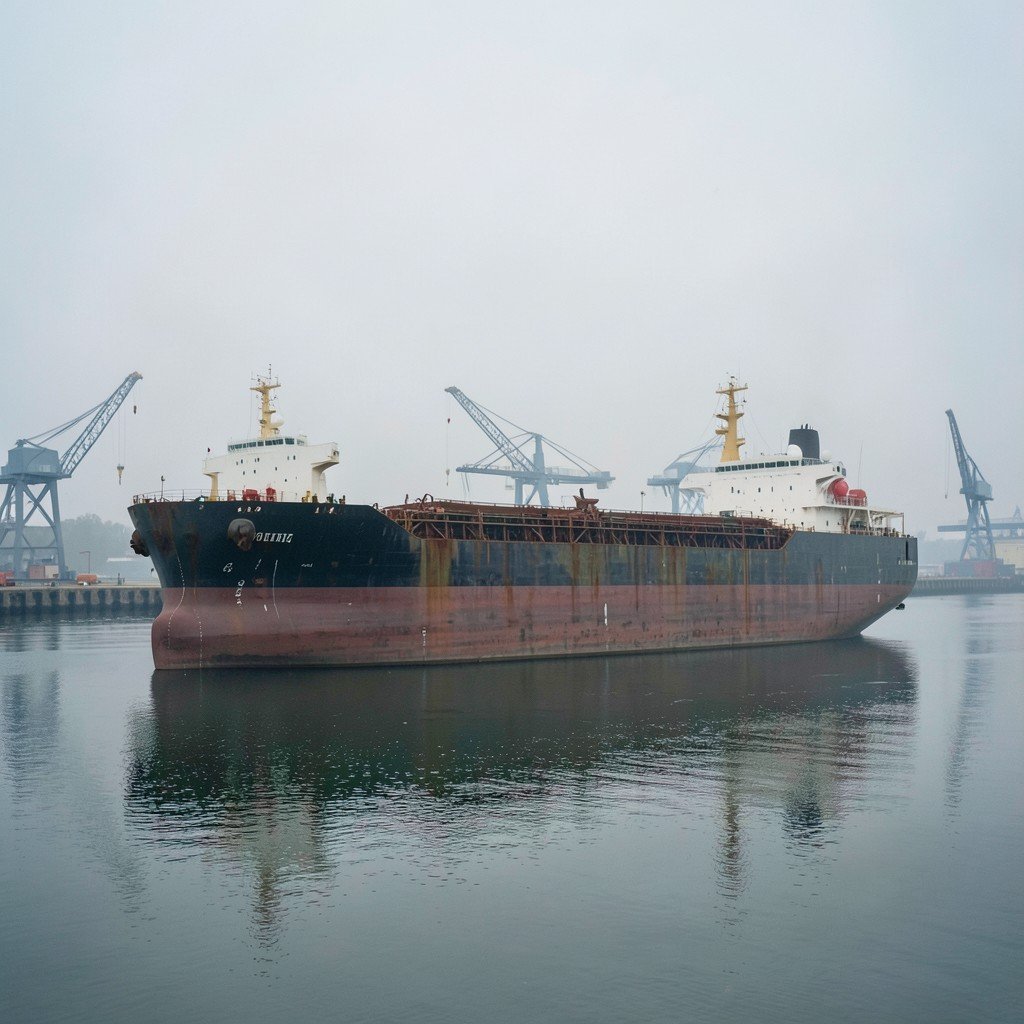
AI-generated representative image: A crude oil tanker at an industrial port, illustrating the US tariff bill targeting buyers of Russian energy.
Editorial Team
Editorial Team
New legislation grants sweeping sanctions powers over Russian crude exports with steep penalties on top energy purchasers.

The United States Congress has passed legislation giving President Donald Trump broad authority to impose sanctions on Russia's crude exports and tariffs of up to 100 percent on buyers of Russian energy, a measure set to affect Moscow's two largest customers, China and India.

The bill, approved by the House of Representatives on Wednesday and sent to the president to sign into law, represents the most significant US action against Moscow since Trump returned to the White House.

The measure is designed to cut the economic pipeline that has financed Russia's war against Ukraine, now in its fifth year. By targeting the buyers of Russian crude rather than only Russia itself, the legislation places direct pressure on China and India, which together account for the overwhelming majority of Russian oil purchases.

Its impact could ripple through global energy markets at a time when alternate supply routes are already strained by conflict in the Middle East.

Main Provisions of the Legislation

The "Lindsey O Graham Sanctioning Russia Act of 2026," named after the late senator who supported Ukraine until his death in July, grants the president authority to invoke the International Emergency Economic Powers Act (IEEPA). Under it, he may apply tariffs of up to 100 percent on exports to the US from the top five purchasers of Russian energy, military equipment, or countries facilitating sanctions evasion.

Tariffs of up to 500 percent can also be applied directly to Russian imports into the US, which totaled $3.8 billion in goods in 2025. The bill further imposes new sanctions on Russian President Vladimir Putin and more than 20 top officials and companies tied to the Russian defence industry, while also targeting Russia's "shadow fleet" of oil tankers used to evade international energy sanctions.
Who Buys Russian Energy

China and India are the top two buyers of Russian energy and are likely to be hit hardest. China purchases about half of Russian crude oil exports, followed by India at 37 percent, according to August data from the Centre for Research on Energy and Clean Air (CREA). Turkiye and the European Union each import about 5 percent.

India, one of the world's largest crude importers, faces particular pressure. The International Energy Agency (IEA) has warned that India's rising reliance on imports has "major implications" for its energy security. Tanker-tracking data show Indian imports of Russian crude fell to 1.1 million barrels per day in January, their lowest since November 2022 and down from an average of 1.7 million barrels per day in 2025. By contrast, Russian crude deliveries to China surged to an all-time high that same month.

Official Responses from New Delhi and Beijing

Hours after the House vote, India's Ministry of External Affairs said New Delhi had raised the issue with US interlocutors in recent months and had "very clearly articulated" the potential implications for the bilateral relationship and the global energy market. "The Indian side has also made clear its determination to take all necessary measures to protect its trade and economic interests," the ministry said, adding that the government would work with trade and industry bodies on the legislation's implications.

Chinese Foreign Ministry spokesperson Guo Jiakun said Beijing "systematically opposes extraterritorial jurisdiction, which lacks a basis in international law and does not have the authorisation of the United Nations Security Council." He added that China's cooperation is "not directed against third parties nor is it subject to interference or coercion by third parties."

What Comes Next

The legislation does not automatically trigger tariffs, leaving analysts to assess how aggressively Trump will use his new powers. Any sharp reduction in Russian crude purchases could force major importers to compete for barrels elsewhere in an already tight market, potentially pushing global oil prices higher.

Iran's de facto control of the Strait of Hormuz and Saudi Arabia's temporary shutdown of its East-West pipeline have already strained alternate supply routes, making Russian barrels more important to Asian buyers and complicating Washington's pressure campaign.

MORE LIKE THIS

Comments (0)

Leave a comment

A verified Gmail account is required to post comments.

No comments yet. Be the first to share your thoughts!