
Iran Threatens Retaliation Over US Aviation Sanctions in Gulf
news

Iran Threatens Retaliation Over US Aviation Sanctions in Gulf

By Editorial TeamSep 24, 2026 · 1:20 PM4 min read
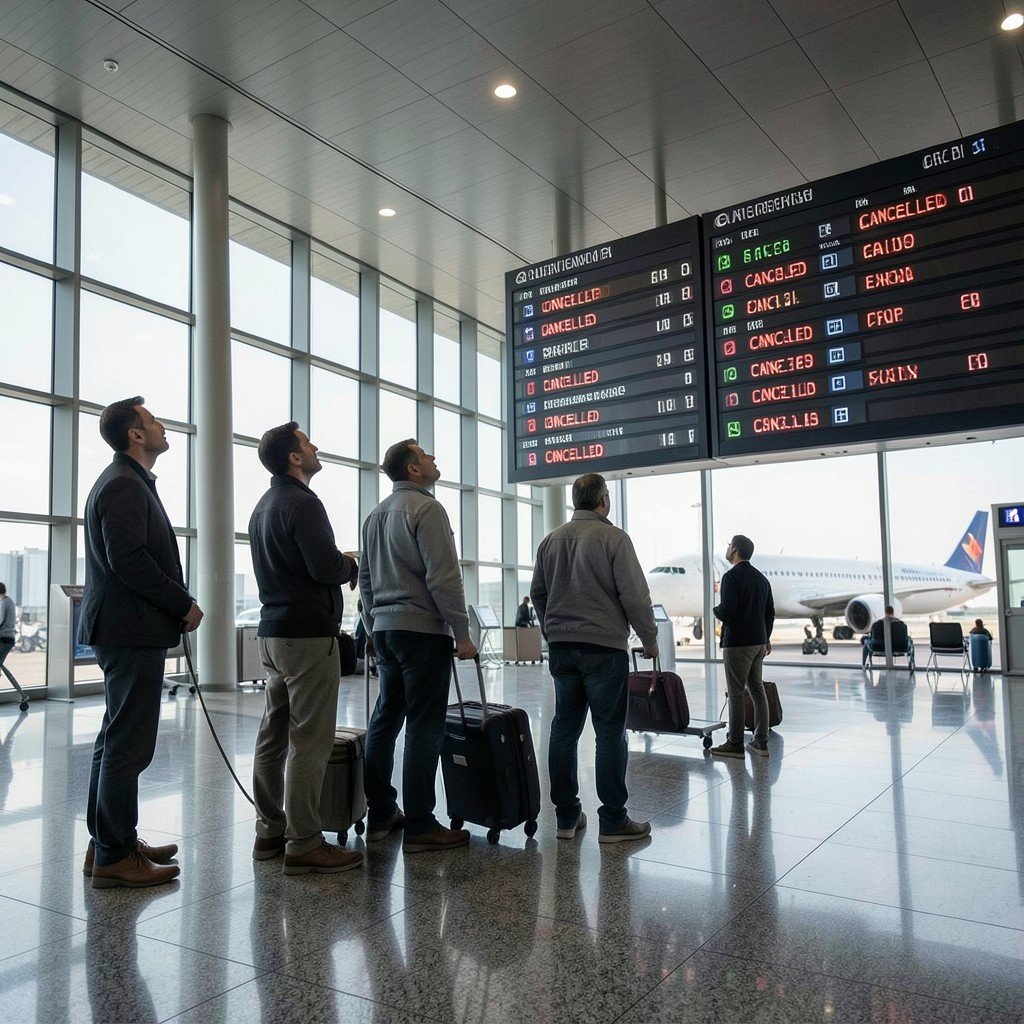
AI-generated representative image: Passengers watch a departure board as regional flight cancellations affect air travel in the Gulf.
Editorial Team
Editorial Team
Tehran warns regional airports of disruption as flight cancellations spread and Washington expands pressure on Iranian airlines

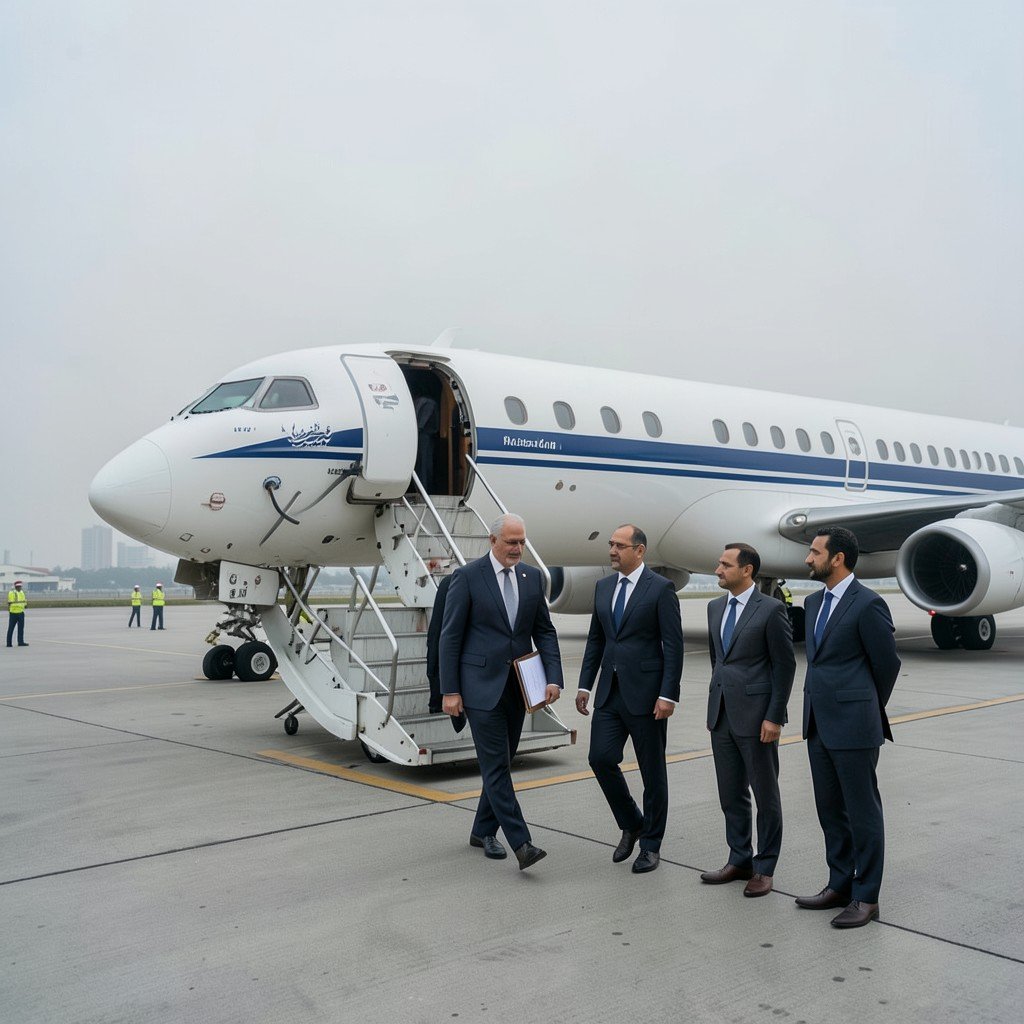
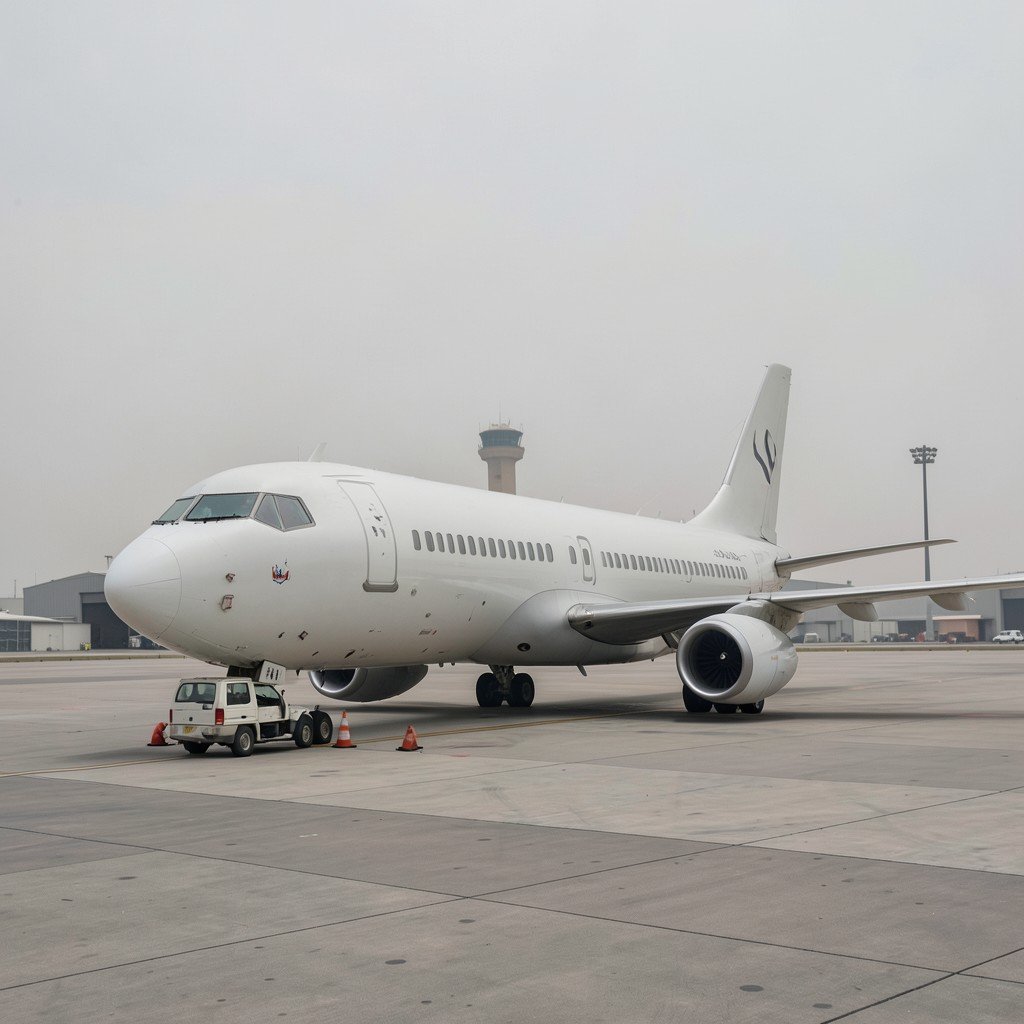
Iran has warned neighbouring countries it will retaliate if they enforce new United States sanctions targeting Iranian airlines, raising the prospect of further disruption to air travel in a region already strained by nearly seven months of conflict. The warning came as Iranian carriers cancelled a growing number of international flights after Washington threatened airports and aviation service providers with secondary sanctions.

The standoff marks a sharp escalation in Washington's economic campaign against Tehran's aviation sector, which has already cut international flight capacity and pushed thousands of travellers toward land borders. The confrontation affects not only Iranian passengers but also the tourism and airline industries of Gulf and neighbouring states still recovering from the regional fallout of the war that began on February 28.

Retaliation Warning and Flight Suspensions

Mohsen Rezaei, secretary of Iran's Supreme National Security Council, urged neighbouring countries on Wednesday not to participate in what he called the "United States adventure," warning that airports cooperating with the restrictions would no longer be able to operate flights to Iran and would be unable to "function."

Flight cancellations have since spread rapidly across the region:

  • All Iranian flights to and from the United Arab Emirates were cancelled on Thursday, according to the Iranian Students' News Agency.
  • Azerbaijan and Georgia confirmed suspending Iranian flights on Wednesday.
  • Flights to Baghdad and Muscat have also been halted.
  • Several connections to Turkiye and China continue, though many flights to those destinations have been cancelled as well.
Background of the US Sanctions Campaign

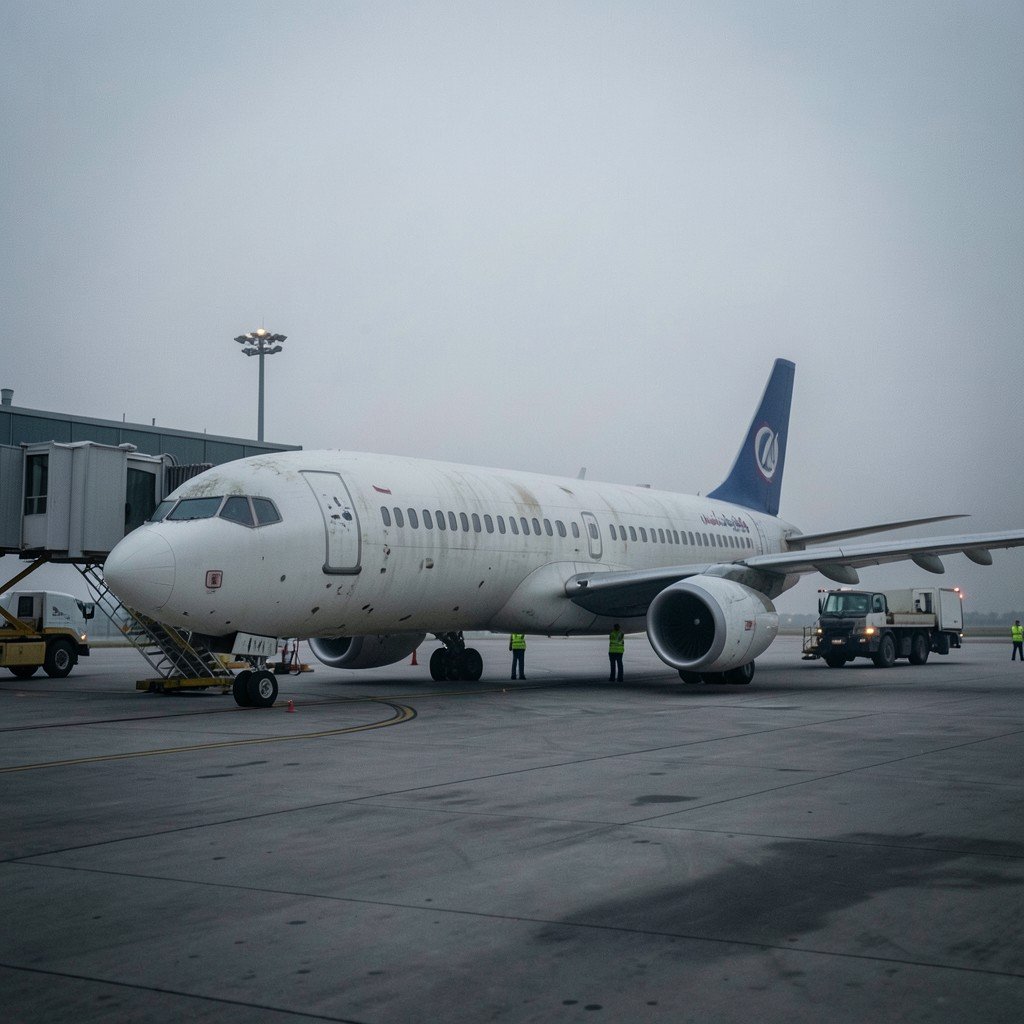
The immediate trigger for Rezaei's threat is Washington's effort to isolate Iran's aviation industry. The US Department of the Treasury earlier this month announced sanctions against Iran's remaining airlines, along with foreign companies and intermediaries accused of helping them operate. The measures expanded longstanding restrictions on Mahan Air, which the US links to Iran's Islamic Revolutionary Guard Corps, to cover 27 Iranian airlines, and suspended authorisations that had allowed several aviation links with Iran.

US Treasury Secretary Scott Bessent then warned that airports and companies servicing Iranian aircraft risk being cut off from the US financial system, including those providing fuel, landing services or ticket sales. The broader pressure campaign has intensified since the US-Israel war on Iran began on February 28.

Expert Assessment and Economic Impact

Iran has not publicly explained how it would prevent airports in neighbouring countries from functioning, and Rezaei did not specify whether the response would be diplomatic, economic or military. Wolfgang Pusztai, a security and defence analyst and former Austrian defence attache, said he did not expect Iran to attack regional airports, calling such a move "extremely unlikely."

Pusztai argued the practical impact of the US measures could be limited because Iran retains aviation links with countries less likely to enforce Washington's restrictions, including Turkiye, Pakistan and China. He suggested the greater effect may be psychological, contributing to a perception of increasing isolation among Iranians, while cautioning that aviation sanctions alone would not force Tehran to change course.

The travel industry is already feeling the strain. International flight capacity from Iran was 49 percent lower in August 2026 than a year earlier, according to aviation analytics company Cirium. Passenger traffic at Dubai International Airport dropped by 31 percent in the first half of 2026 compared with the same period last year.

What Lies Ahead

The most immediate effect is falling on Iranian travellers, with only a handful of Iranian-operated international routes remaining and thousands turning to land crossings with countries including Turkiye and Armenia. Experts say the measures could also threaten thousands of jobs in Iran's aviation, tourism and hospitality sectors.

For now, Iran has not detailed any specific retaliatory action, and it remains unclear which additional countries may enforce the US restrictions. Further escalation could add another layer of uncertainty to a regional travel industry already battered by the ongoing conflict.

MORE LIKE THIS

Comments (0)

Leave a comment

A verified Gmail account is required to post comments.

No comments yet. Be the first to share your thoughts!