
Middle East Crude Exports Surpass Pre-War Levels Despite Hormuz Tensions
news

Middle East Crude Exports Surpass Pre-War Levels Despite Hormuz Tensions

By Editorial Team•Oct 6, 2026 · 6:10 PM•3 min read
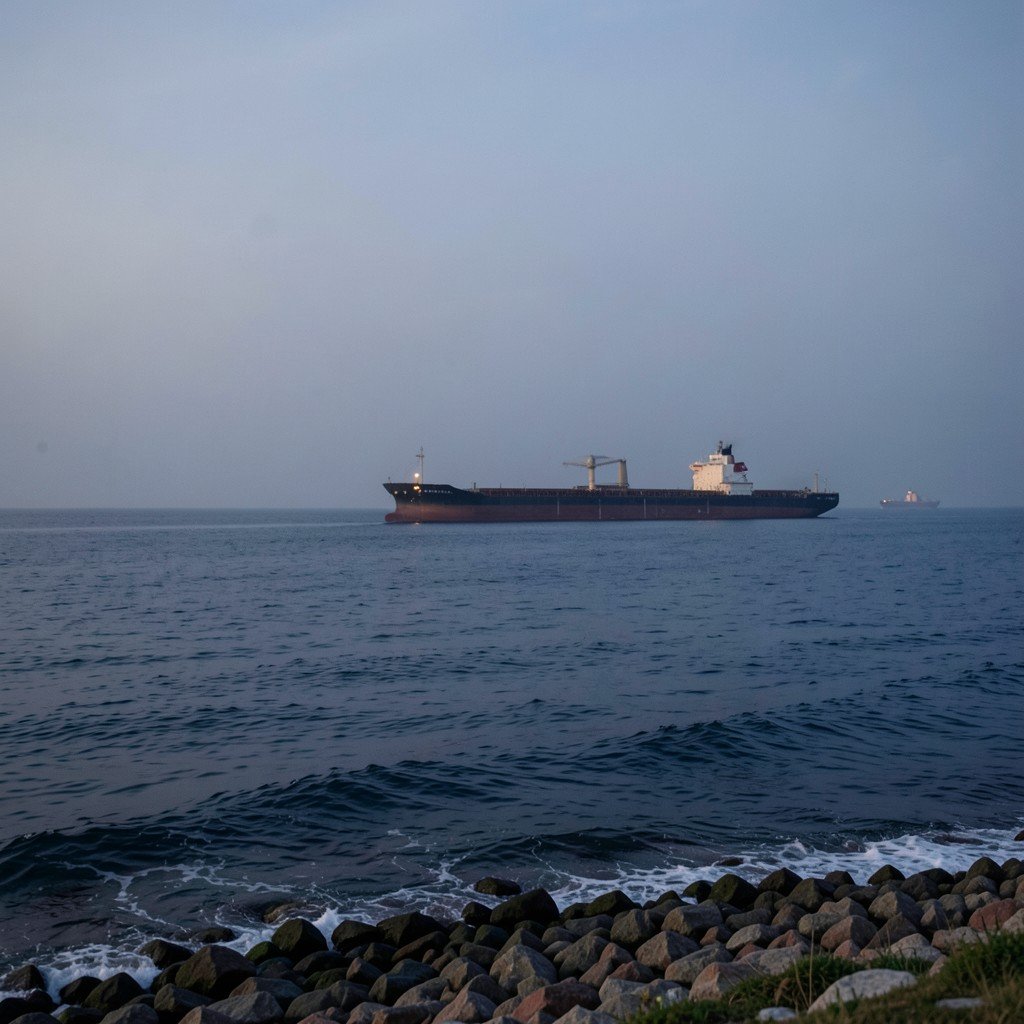
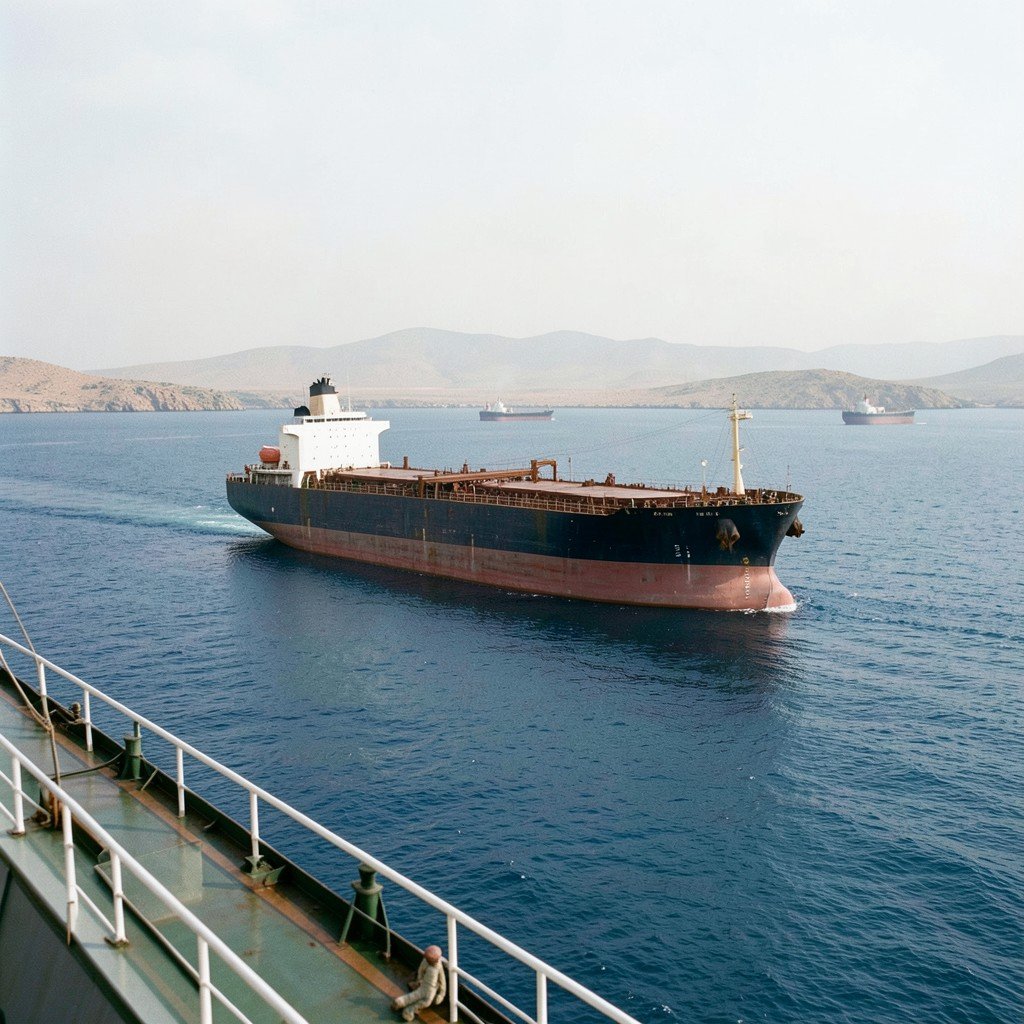
AI-generated representative image: Crude oil tankers continue transiting the Strait of Hormuz amid ongoing regional shipping tensions.
Editorial Team
Editorial Team
Kpler ship-tracking data shows regional oil shipments topped 19.5 million barrels per day as Iran tensions persist near the key waterway.

Crude oil exports from the Middle East rose above pre-war levels on four of the seven days in the final week of September, according to provisional ship-tracking data from Kpler, even as tensions around the Strait of Hormuz remained elevated.

The data showed regional crude shipments reached between 19.5 and 22.5 million barrels per day (bpd) on September 24 and again from September 27 to 29, surpassing the 18 million bpd average recorded between March 2025 and February 2026 before the US-Israel war on Iran began.

The figures carry significant weight because the Strait of Hormuz is one of the world's most critical energy chokepoints, and any sustained disruption there would ripple across global oil and gas markets. The export rebound suggests shipping has continued despite military activity and Iranian claims of attacks on vessels, including US Navy ships.

The development also contrasts sharply with statements from senior Iranian commanders, who have described current transit levels as negligible compared with pre-war traffic, underscoring the gap between official rhetoric and observed shipping flows.

Export Volumes and Reported Attacks

Kpler data showed crude exports from the region exceeded pre-war levels on September 24 and between September 27 and 29. The overall tally for crude, oil products, chemicals and non-gas liquids averaged 22.4 million bpd in the seven days to September 30. On October 1, the seven-day moving average for crude exports stood at 18.5 million bpd.

Around that period, Iran claimed success in attacking ships, including US Navy vessels, near the Strait of Hormuz, asserting the strikes had forced Washington to move its warships further from the Iranian coast. The United Kingdom Maritime Trade Operations agency reported at least one attack a day in the Strait of Hormuz or in the Gulf of Aden since October 2.

Background of the Hormuz Standoff

The Strait of Hormuz has long been a focal point of regional tensions, with Iran previously signaling it could restrict passage in response to military pressure. The current conflict follows the outbreak of the US-Israel war on Iran, during which shipping security in the Gulf and surrounding waters has come under repeated strain.

Before the war began, regional crude exports averaged 18 million bpd between March 2025 and February 2026. The latest figures indicate that, despite periodic attacks and heightened military activity, commercial shipping volumes have not only held steady but at times exceeded those earlier levels.

Official Statements and Shipping Data

Senior Islamic Revolutionary Guard Corps commander Ali Fadavi said in a televised interview on Sunday night that only three to four million bpd are now moving through the route, describing the amount as "negligible" compared with pre-war traffic. He also said, for the first time, that no US vessels were present in the Gulf, the Strait of Hormuz, the Sea of Oman or the northern Indian Ocean, and that US warships are "100 percent vulnerable" to IRGC attacks.

The Kpler figures exclude any vessels that might have crossed the strait with their automatic identification system transponders turned off to avoid detection. The number of liquefied natural gas cargoes exiting the Strait of Hormuz also rose in September to its highest monthly level since February.

Current Status and What Comes Next

The most recent confirmed data shows crude exports at an 18.5 million bpd seven-day moving average as of October 1, with daily attacks reported in the Strait of Hormuz and the Gulf of Aden since October 2. The situation remains fluid, and further shipping data will be needed to determine whether export volumes continue to hold near or above pre-war levels as military activity persists.

MORE LIKE THIS

Comments (0)

Leave a comment

A verified Gmail account is required to post comments.

No comments yet. Be the first to share your thoughts!