
Pakistan Police Use Fishing Nets to Counter Explosive Drone Attacks
news

Pakistan Police Use Fishing Nets to Counter Explosive Drone Attacks

By Editorial Team•Oct 6, 2026 · 6:07 PM•4 min read
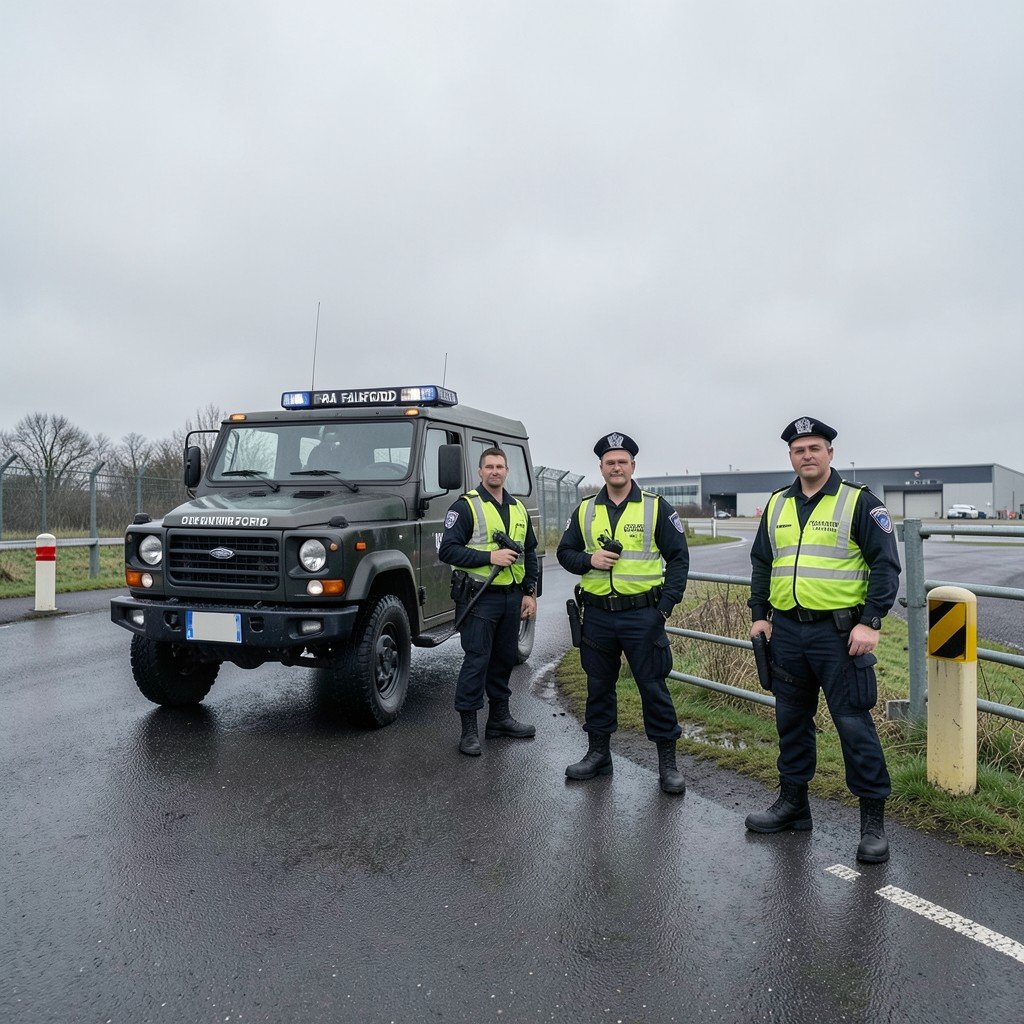
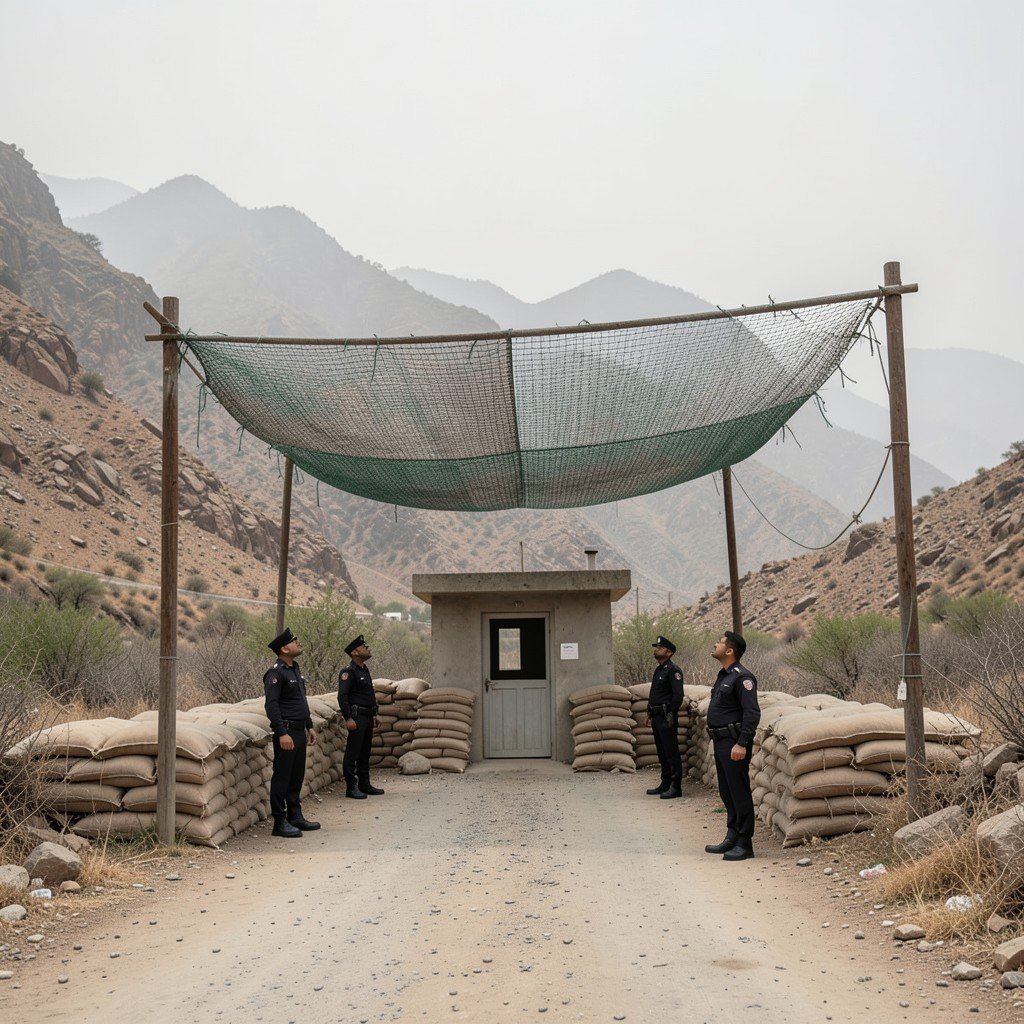
AI-generated representative image: Fishing nets strung over a police checkpost in northwest Pakistan as a low-cost defence against explosive drones.
Editorial Team
Editorial Team
Low-cost mesh canopies shield checkposts in Khyber Pakhtunkhwa as TTP pairs drones with gunfire and mortars

Police in northwest Pakistan's Khyber Pakhtunkhwa province have begun stringing fishing nets over security checkposts as a low-cost defence against explosive-laden drones used by armed groups. The netting, first installed two months ago at the Sarki Piyala checkpost in Hangu district, forms an aerial ceiling designed to catch or disrupt incoming drones and quadcopters.

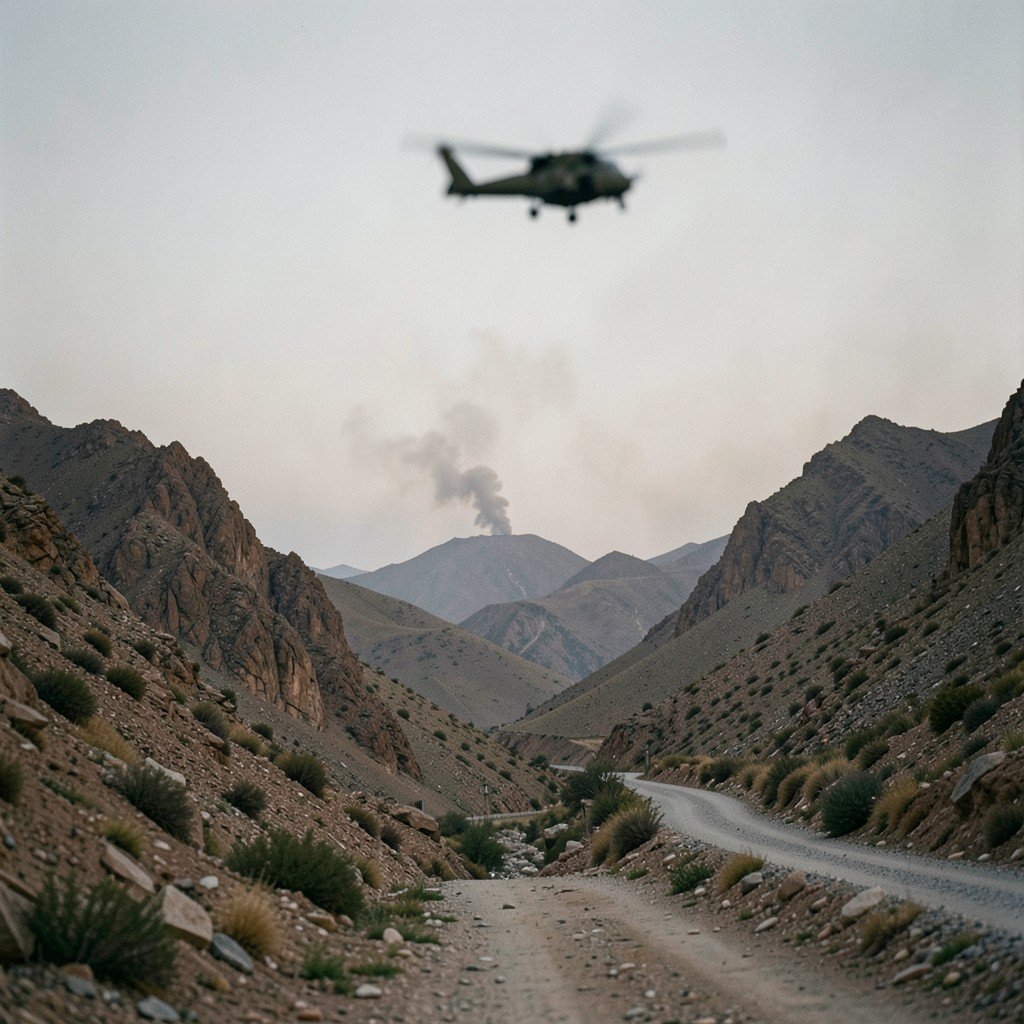
The measure follows an April 16 attack claimed by Tehreek-e-Taliban Pakistan (TTP), in which drones carrying explosives struck the checkpost before fighters opened fire from all sides in a confrontation lasting roughly seven hours.

The improvised defence reflects a broader shift in militant tactics in Pakistan, where armed groups are increasingly combining gunfire and mortar attacks with drone and quadcopter strikes. Police and military personnel stationed at outposts have become frequent targets, and communities living nearby face daily disruption as families pull children out of school out of fear of stray fire.

While police say the nets have coincided with a drop in drone attacks at protected sites, security analysts caution that the approach may offer only limited protection without verified testing.

Deployment Across Vulnerable Districts

A standard checkpost can be covered with the netting for about 400,000 Pakistani rupees ($1,435), according to Hangu district police officer Tariq Habib. He said the nets have been introduced at vulnerable police stations and checkposts to reduce the impact of drone and quadcopter attacks, with additional installations planned across the district.

Police in Hangu have requested further funding from the provincial government to expand the programme, and that request is under review. A spokesman for the Khyber Pakhtunkhwa police said nets have also been installed at checkpoints and police posts in at least five other vulnerable districts: Kohat, Karak, Bannu, Lakki Marwat and Dera Ismail Khan. Military outposts at some sites in the province have deployed the same antidrone netting system.


Recent Attacks and Rising Violence

Pakistan has experienced an increase in armed attacks in recent years, mainly targeting the police and military, with many claimed by the TTP, which says it is fighting for a Taliban-style religious-driven government. Pakistani officials have repeatedly accused Kabul's Taliban government of providing the TTP a safe haven and have demanded it prevent cross-border attacks. Kabul has denied the accusations and called the attacks Islamabad's domestic security problem.

In Hangu, the deadliest assault occurred on July 29, when attackers stormed a police outpost with bomb-rigged quadcopters before launching a ground ambush, killing at least 11 police officers and wounding 28. Fifteen attackers were also killed in the hours-long assault claimed by the TTP. On September 20, another exchange of fire in Hangu killed six soldiers and eight attackers, according to the Pakistani army. Police said they have recorded at least 16 attacks in Hangu this year, making it one of the most sensitive districts in the province.

How the Nets Work and Expert Doubts

Police inspector Fayyaz Khan, 40, said a drone coming over the checkpoint could get caught in the net and be defused or stopped. Even if a drone explodes above the net, he said, most shrapnel and fragments would disperse in the air rather than falling directly onto the ground where personnel are positioned. Police officer Zeeshan Khan said no drone or quadcopter attacks have occurred at Sarki Piyala and the nearby Baliamena checkposts since the nets went up, estimating the measures could reduce potential losses by 40 to 50 percent.

Security experts have questioned those figures. Imtiaz Gul, executive director of the Islamabad-based Centre for Research and Security Studies, called the strategy an "immature, cheap ploy" because police stations are not always the target. Peshawar-based analyst Fida Adeel said the nets trace back to military camouflage nets and were recently adapted in Ukraine to intercept Russian drones, but cautioned that their effectiveness depends on design and deployment and requires proper testing. Abdul Salam Khalid, a Khyber Pakhtunkhwa police spokesman, said a formal trial was conducted in Kohat in which an explosive was dropped on a net but did not explode.

Current Status and Next Steps

The netting remains an interim measure rather than a complete solution. Inspector Khan acknowledged the system does not provide complete protection, though it offers reassurance to personnel who remain prepared for attacks. Local activist Mohammad Usama, 28, said residents have noticed a decline in ambushes since the nets were installed in his area.

Police are awaiting a decision on additional provincial funding to extend the programme, while experts say the more pressing question is whether Pakistani security institutions can intercept drones as soon as they take to the air.

MORE LIKE THIS

Comments (0)

Leave a comment

A verified Gmail account is required to post comments.

No comments yet. Be the first to share your thoughts!