US Forces Complete Iraq Withdrawal as Coalition Mission Ends
news

US Forces Complete Iraq Withdrawal as Coalition Mission Ends

By Editorial Team•Sep 30, 2026 · 7:17 PM•4 min read
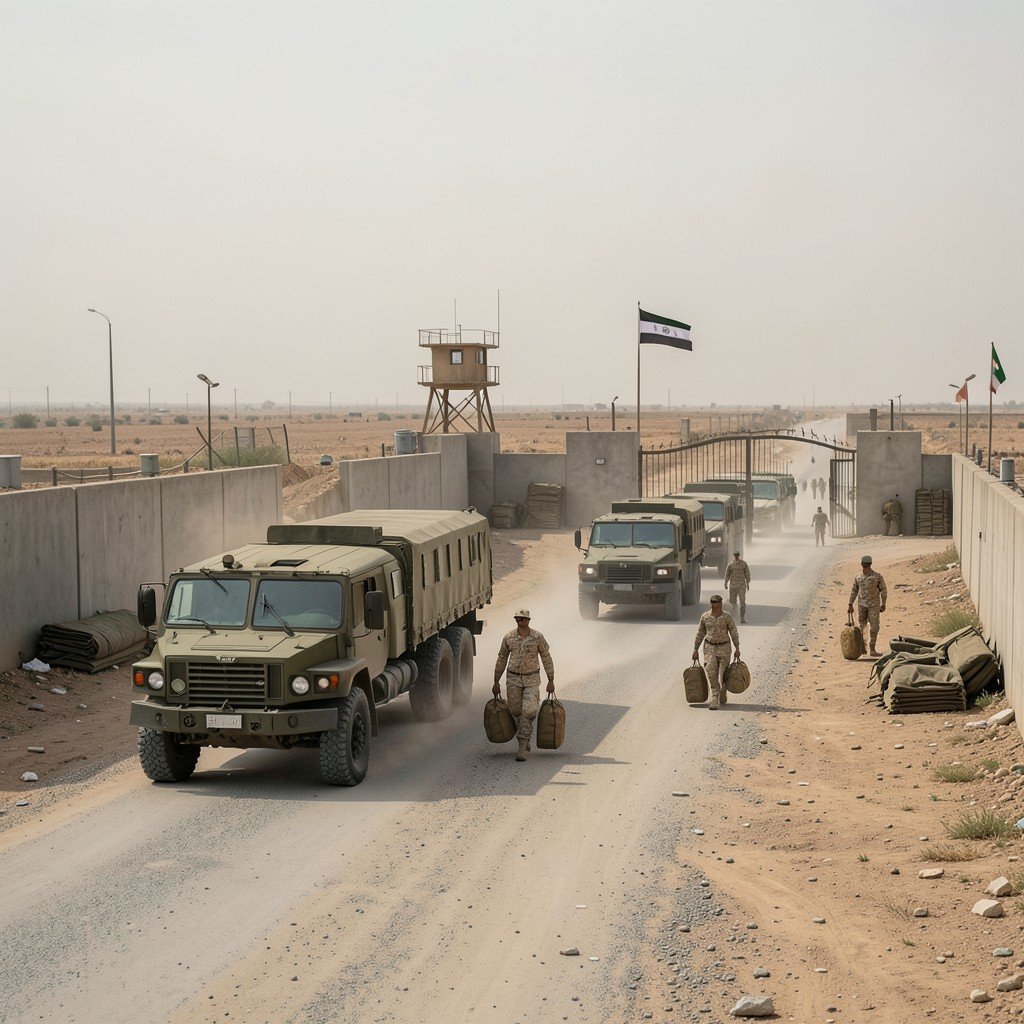
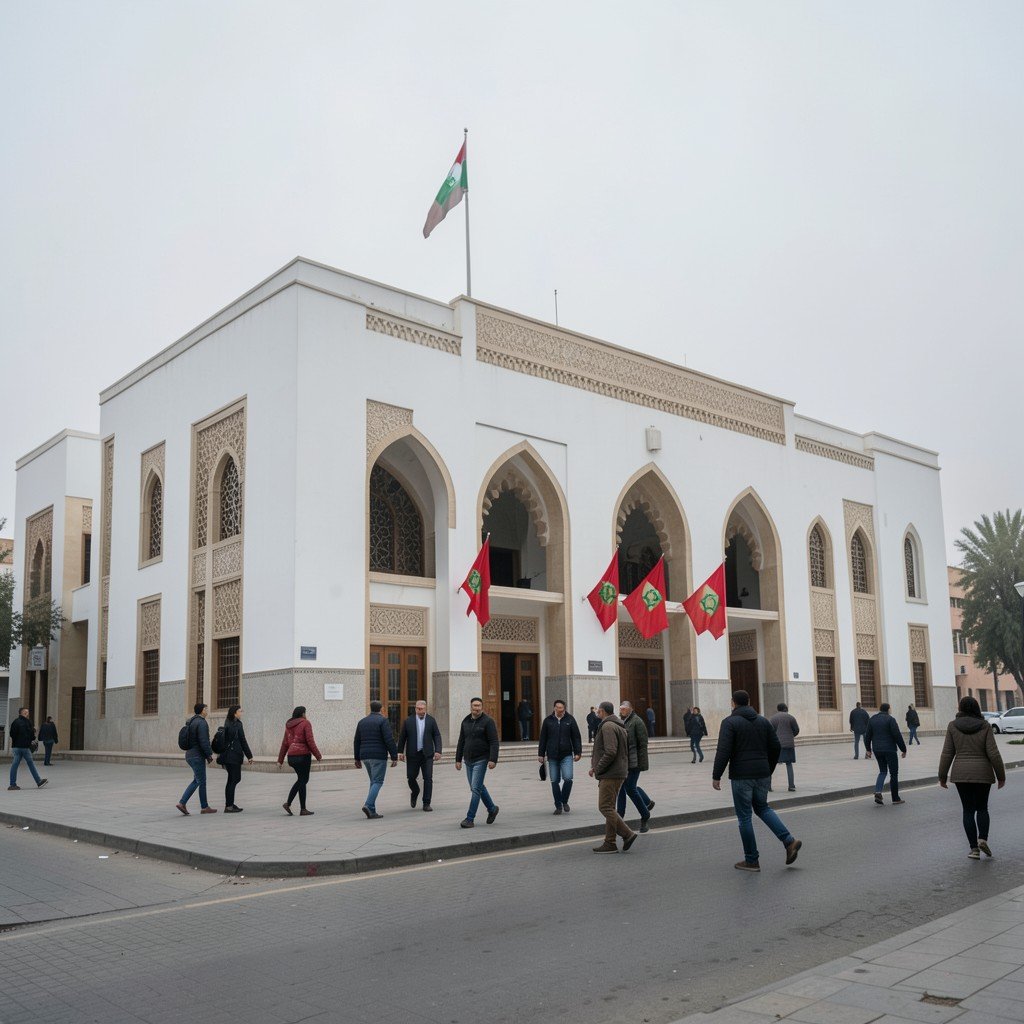
AI-generated representative image: A near-empty military base in Iraq as US forces complete their withdrawal and the anti-ISIL coalition mission formally ends.
Editorial Team
Editorial Team
Baghdad declares four Sovereignty Days as Iraqi-led security begins after the ISIL coalition drawdown.

United States forces have departed their remaining bases in Iraq as the Global Coalition to Defeat ISIL (ISIS) formally expires, closing a 12-year campaign and opening a new chapter in Iraqi security. The withdrawal, completed on Wednesday, September 30, followed a two-year phased process announced in a joint Iraq-US statement in September 2024.

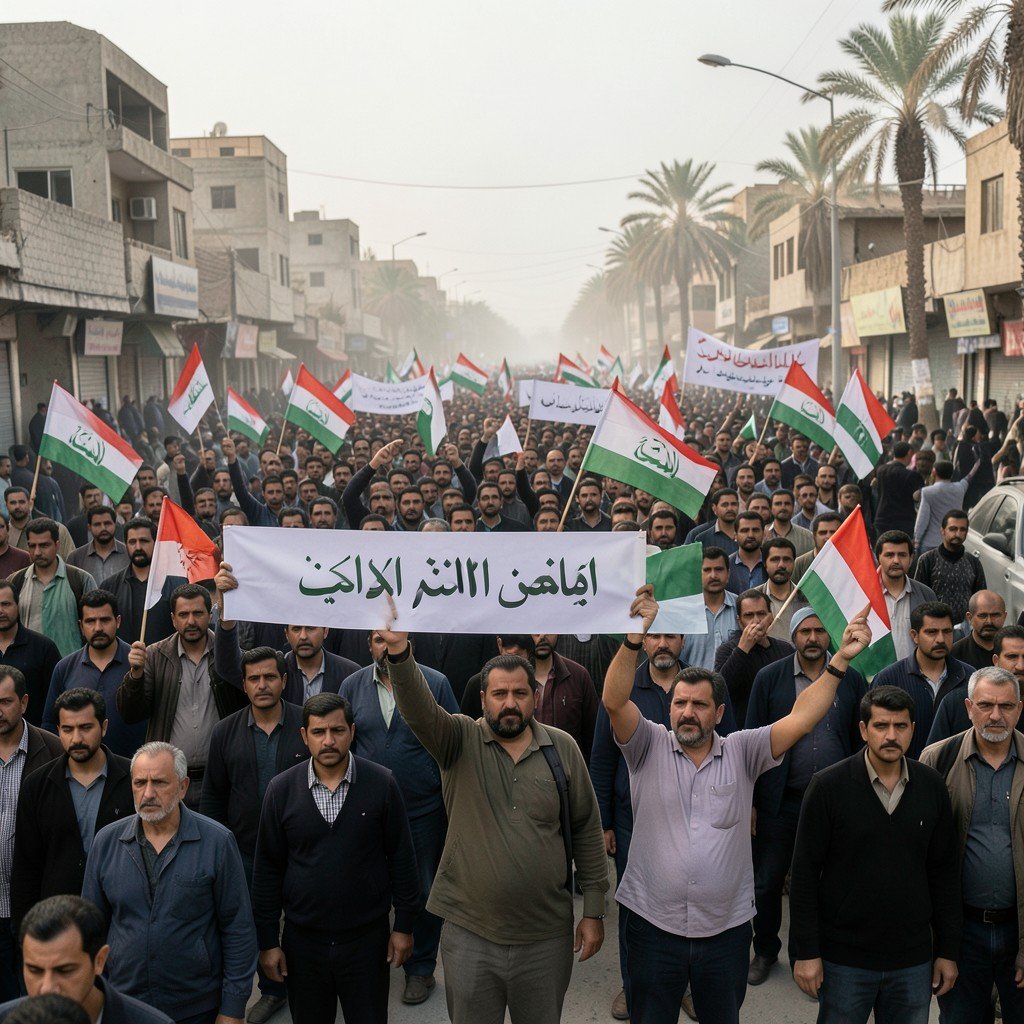
Baghdad is marking the occasion with four "Sovereignty Days," a national holiday running from September 30 to October 3 that underscores the deep symbolism of the US exit and Iraq's transition to self-reliance.

The departure ends nearly two decades of a direct American military footprint in Iraq and shifts responsibility for national security squarely onto Iraqi institutions. The transition carries immediate implications for air defence, intelligence, counterterrorism, and the country's semi-autonomous Kurdish region, which has faced repeated missile and drone attacks.

The question now is no longer how many US troops remain on the ground, but whether Iraqi forces can shoulder the country's security burdens and how the Baghdad-Washington relationship evolves next.

Key Developments in the Exit

  • The withdrawal concludes a two-stage process: combat operations inside Iraq ended by late September 2025, with the second stage continuing until September 2026 to support operations against ISIL in Syria.
  • In January, coalition advisers completed their withdrawal from federal areas, though logistical support for Syria operations continued via a base in Erbil.
  • US forces had numbered roughly 2,500 military personnel in recent years, concentrated in northern Iraq and Syria.
  • Military equipment, including crucial air defence systems in Erbil that intercepted Iranian ballistic missiles and drones, is also being withdrawn.

Historical Context of the US Presence

The US withdrawal ends Washington's 12-year operation supporting Iraqi forces in the fight against ISIL, which began in 2014. At the height of the US occupation in 2007, 170,000 American troops were stationed in Iraq following the 2003 invasion.

Those forces were withdrawn under President Barack Obama in 2011, but a later contingent was invited back in 2014 after the rise of ISIL, primarily providing air support and training to Iraqi forces. The coalition's departure now completes that cycle, returning full security responsibility to Baghdad.

Official Statements and Security Assessments

Chief Pentagon spokesman Sean Parnell hailed "the success of a 12-year campaign" against ISIL and "a transition from a wartime coalition mission to an Iraqi-led security effort," adding that Iraqi forces would lead efforts to keep Iraq secure and keep the group "suppressed."

ISIL is currently "at its weakest" with just a few hundred fighters, according to the latest UN secretary-general report. However, Iraqi security officials told Reuters that the group had planned attacks to coincide with the US withdrawal, seeking "to send a message that the group is still powerful and capable of launching bloody attacks," according to Colonel Khalid al-Bayati, a senior Iraqi security official.

On air defence, Iraqi military spokesperson Sabah al-Numan announced in mid-September that Iraq was close to procuring systems from South Korea, Turkiye and the United States. Hassan Barari, professor of international relations at the University of Jordan, said it is "unlikely" Iraq can currently protect its airspace from missiles and drones.


What Happens Next

The departure from bases does not mean Washington is stepping back from Iraqi security affairs. The two countries agreed in July 2024 to a new phase including liaison officers, training, security cooperation programmes, military assistance, arms sales and financing.

Baghdad had initially set September 30 as a deadline for all armed groups to surrender their weapons, but many rejected it and the deadline has been pushed to June 2027. Iraqi forces now lead national security efforts, having taken control of the US headquarters at Baghdad airport on Monday.

MORE LIKE THIS

Comments (0)

Leave a comment

A verified Gmail account is required to post comments.

No comments yet. Be the first to share your thoughts!