How Iranians Bypass US Sanctions to Move Money Abroad
business

How Iranians Bypass US Sanctions to Move Money Abroad

By Editorial Team•Oct 15, 2026 · 5:52 AM•3 min read
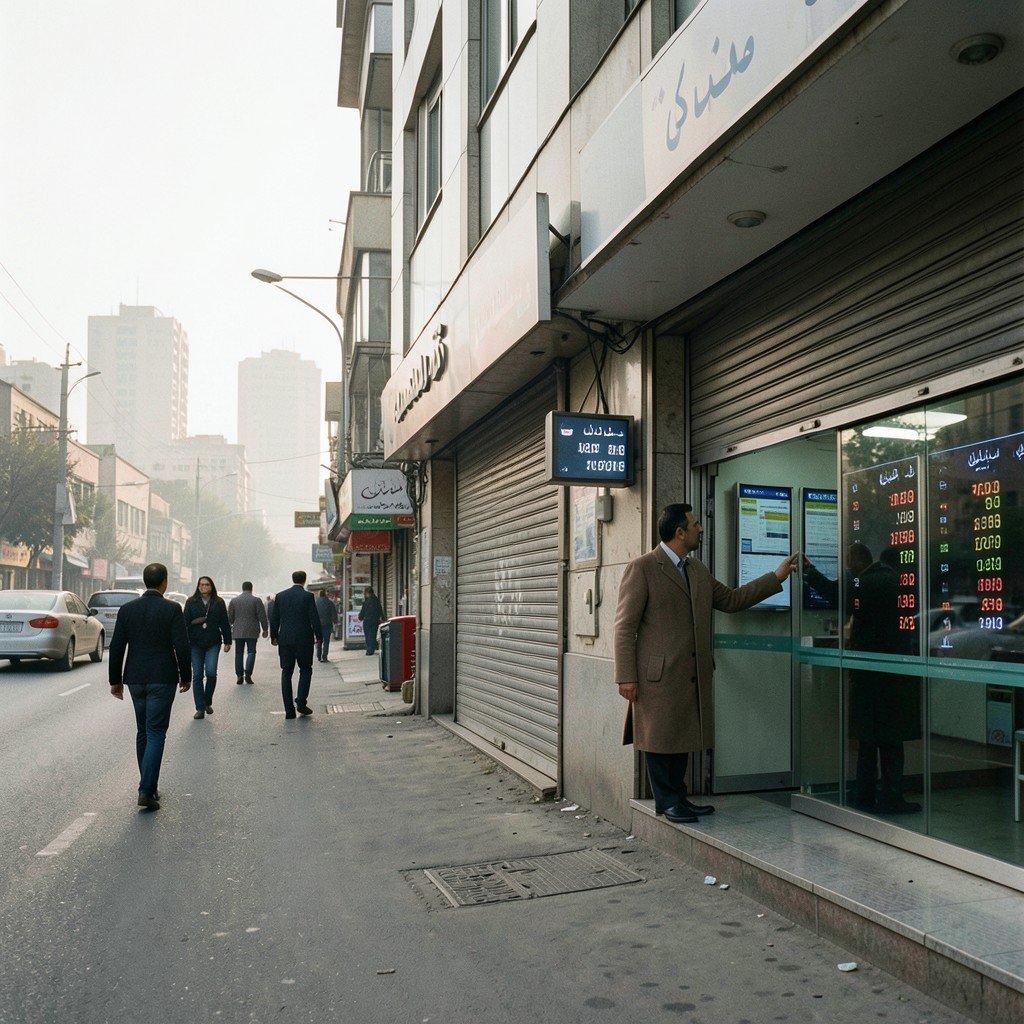
AI-generated representative image: A currency exchange office in Dubai, a hub used by Iranians to move money abroad through informal channels.
Editorial Team
Editorial Team
Hawala networks, cryptocurrency and front companies fill the gap as SWIFT and banking restrictions tighten.

Iranians seeking to move money across borders increasingly rely on informal hawala networks, cryptocurrency exchanges and front companies to circumvent sweeping United States sanctions that have cut the country off from much of the global financial system.

The methods have become essential for ordinary citizens, traders and businesses as formal banking channels remain largely closed, forcing money through intermediaries in neighboring countries and the Gulf region.

The sanctions, reimposed and expanded by Washington over Iran's nuclear program and other disputes, have effectively excluded Iranian banks from the SWIFT messaging network and blocked access to dollar-based transactions. This has pushed both legitimate commerce and illicit activity into less transparent channels, raising costs and risks for ordinary Iranians while complicating enforcement efforts abroad.

Main Transfer Channels

  • Hawala networks remain the most widely used method, moving money through trusted brokers without physically transferring funds across borders.
  • Cryptocurrency, particularly Bitcoin and stablecoins, has grown as a tool for bypassing sanctions, though exchanges face pressure to block Iranian users.
  • Front companies registered in the United Arab Emirates, Turkey and other regional hubs are used to disguise the origin of funds.
  • Currency exchange offices and money changers in Dubai and Istanbul act as intermediaries for Iranian trade payments.

Background of Sanctions Pressure

The current financial isolation dates to the US withdrawal from the 2015 nuclear agreement in 2018, when Washington reimposed sanctions on Iran's banking, energy and shipping sectors. The Treasury Department's Office of Foreign Assets Control has since designated numerous Iranian banks and individuals, making Western financial institutions reluctant to process any transaction linked to Iran.

Before the sanctions, Iranians could use standard international bank transfers and credit cards abroad. The loss of those channels has forced a shift toward cash couriers, informal brokers and digital assets, with the Iranian rial's depreciation adding urgency to moving savings into foreign currency or overseas accounts.

How the Networks Operate

In a typical hawala transaction, an Iranian customer hands local currency to a broker in Iran, who contacts a counterpart abroad to release the equivalent amount in the destination country, minus a commission. No money physically crosses the border, and records are often minimal, making the system difficult for regulators to trace.

Experts note that these methods carry significant risks, including fraud, frozen accounts and legal exposure in countries that enforce sanctions compliance. Iranian authorities have also periodically cracked down on unlicensed currency traders, while ordinary users face volatility in exchange rates and limited recourse when transfers fail.


What Lies Ahead

The reliance on informal channels is expected to persist as long as sanctions remain in place. Western regulators continue to tighten oversight of cryptocurrency exchanges and Gulf-based intermediaries, while Iran has explored central bank digital currency and regional payment arrangements as potential alternatives. No near-term resolution to the underlying sanctions dispute has been confirmed.

MORE LIKE THIS

Comments (0)

Leave a comment

A verified Gmail account is required to post comments.

No comments yet. Be the first to share your thoughts!