
Rooppur Nuclear Reactor Achieves Criticality in Bangladesh First
news

Rooppur Nuclear Reactor Achieves Criticality in Bangladesh First

By Editorial Team•Oct 14, 2026 · 2:04 PM•3 min read
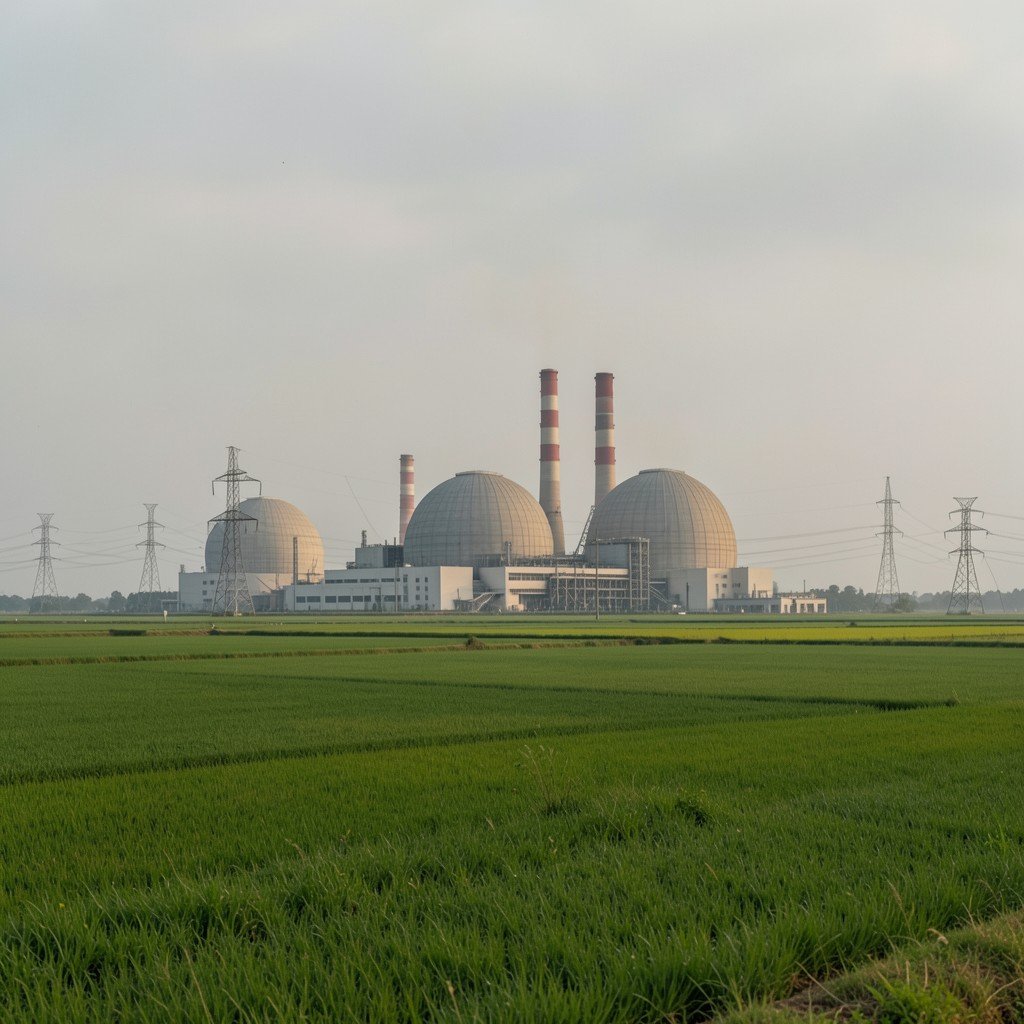
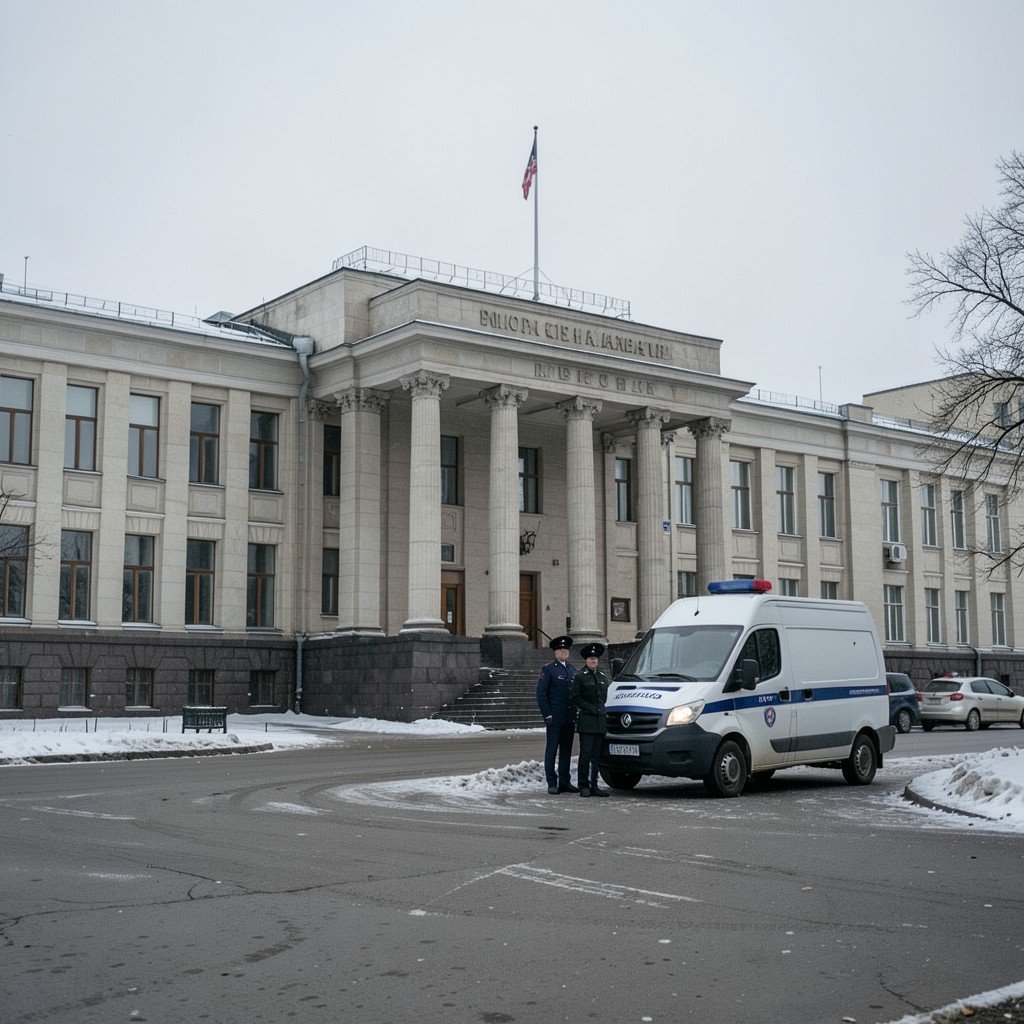
AI-generated representative image: The Rooppur nuclear power plant in Bangladesh, site of the country's first nuclear reactor.
Editorial Team
Editorial Team
Rosatom-backed unit sustains a self-sustaining chain reaction, keeping Bangladesh's first nuclear plant on track for grid connection by late November.

The first unit of Bangladesh's Rooppur nuclear power plant, the country's first nuclear reactor, has achieved criticality, sustaining a controlled nuclear chain reaction for the first time. The milestone was reached at 3:34 PM local time on Sunday, three days after receiving clearance from the Bangladesh Atomic Energy Regulatory Authority.

The development marks a decisive step toward electricity generation for a nation seeking to diversify its power supplies amid high energy import costs. The Rooppur project, backed by Russian financing and technology, is central to Bangladesh's efforts to reduce dependence on imported fuel and strengthen long-term energy security.

Key Milestone Reached

The reactor successfully initiated nuclear fission, with operating parameters performing according to design, according to Bangladeshi Science and Technology Secretary Md. Anwar Hossain. Criticality, in which a self-sustaining chain reaction occurs, is a major step toward electricity generation and keeps the plant on schedule to be connected to the power grid by the end of November.

Further regulatory approvals will be required before electricity generation formally begins. Russian state nuclear corporation Rosatom expects the unit to connect to Bangladesh's grid by the end of the month, CEO Aleksey Likhachev said in Dhaka on Friday.
Background of the Rooppur Project

The Rooppur plant, located about 160 km from Dhaka, comprises two Russian-designed reactors with a combined capacity of 2,400 megawatts. Moscow is financing $11.9 billion in state loans for the project, which is estimated to cost up to $12.8 billion.

The project reached this stage after commissioning delays caused by technical problems with safety valves. Russian specialists helped resolve the issues, and the reactor underwent further tests before the regulator authorized the controlled reaction.

The facility is expected to diversify Bangladesh's electricity supplies as the country contends with pressure from high energy import costs and disruptions linked to the Middle East conflict.

Regulatory Process and Technical Verification

Approval from the Bangladesh Atomic Energy Regulatory Authority came three days before the criticality milestone, clearing the way for the controlled reaction. The regulator's authorization followed the resolution of the safety valve issues and additional testing of the reactor systems.

Science and Technology Secretary Md. Anwar Hossain confirmed that operating parameters performed according to design during the initial nuclear fission, signaling that the reactor is functioning as intended ahead of the next regulatory stage.

What Lies Ahead

The first unit has now achieved criticality and is positioned for grid connection by the end of November, according to the project timeline. Rosatom has indicated the connection could occur by the end of the month, though additional regulatory approvals must be completed before electricity generation commences.

MORE LIKE THIS

Comments (0)

Leave a comment

A verified Gmail account is required to post comments.

No comments yet. Be the first to share your thoughts!