
Iran Offers to Mediate Saudi-Houthi Talks After Riyadh Strikes
news

Iran Offers to Mediate Saudi-Houthi Talks After Riyadh Strikes

By Editorial Team•Oct 12, 2026 · 6:05 PM•4 min read
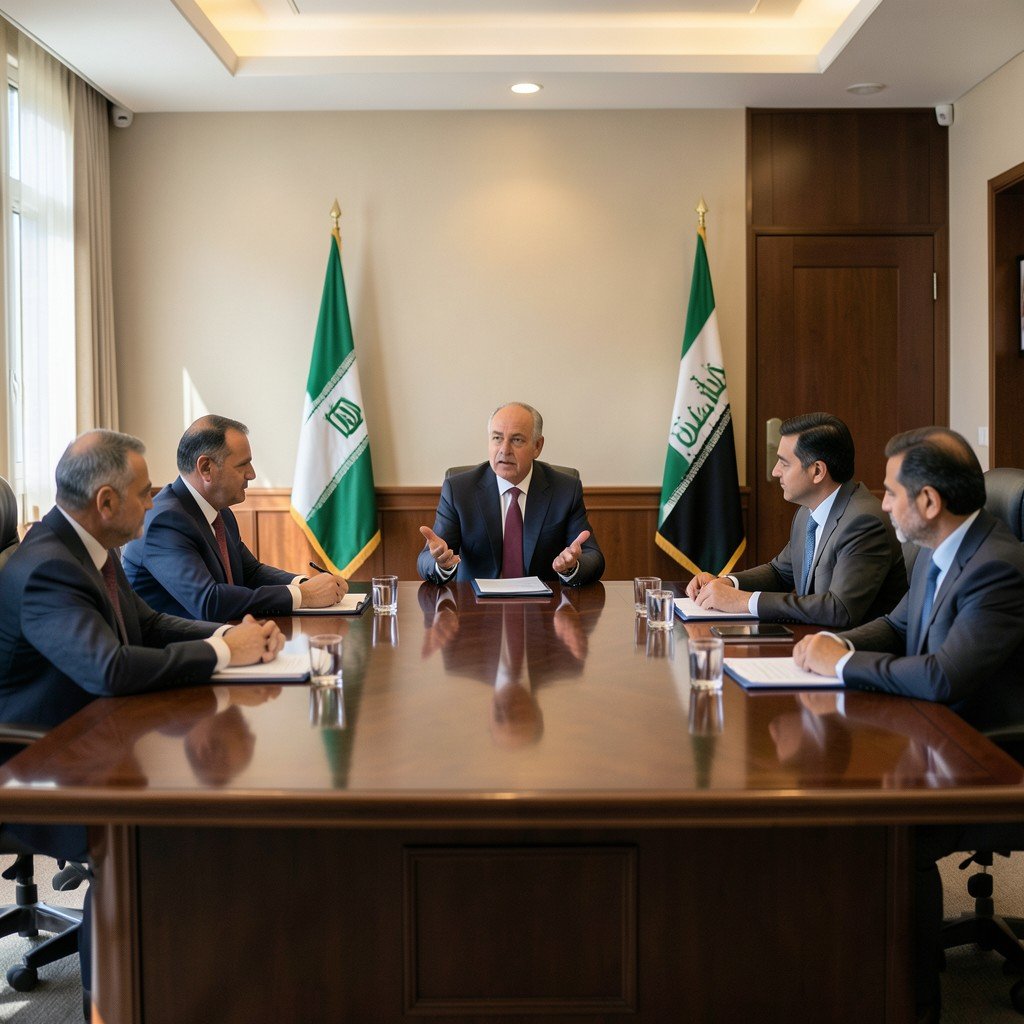
AI-generated representative image: A formal diplomatic meeting scene symbolizing mediation efforts over the Yemen conflict.
Editorial Team
Editorial Team
Tehran positions itself as a key diplomatic broker as Yemen conflict escalates across the region.

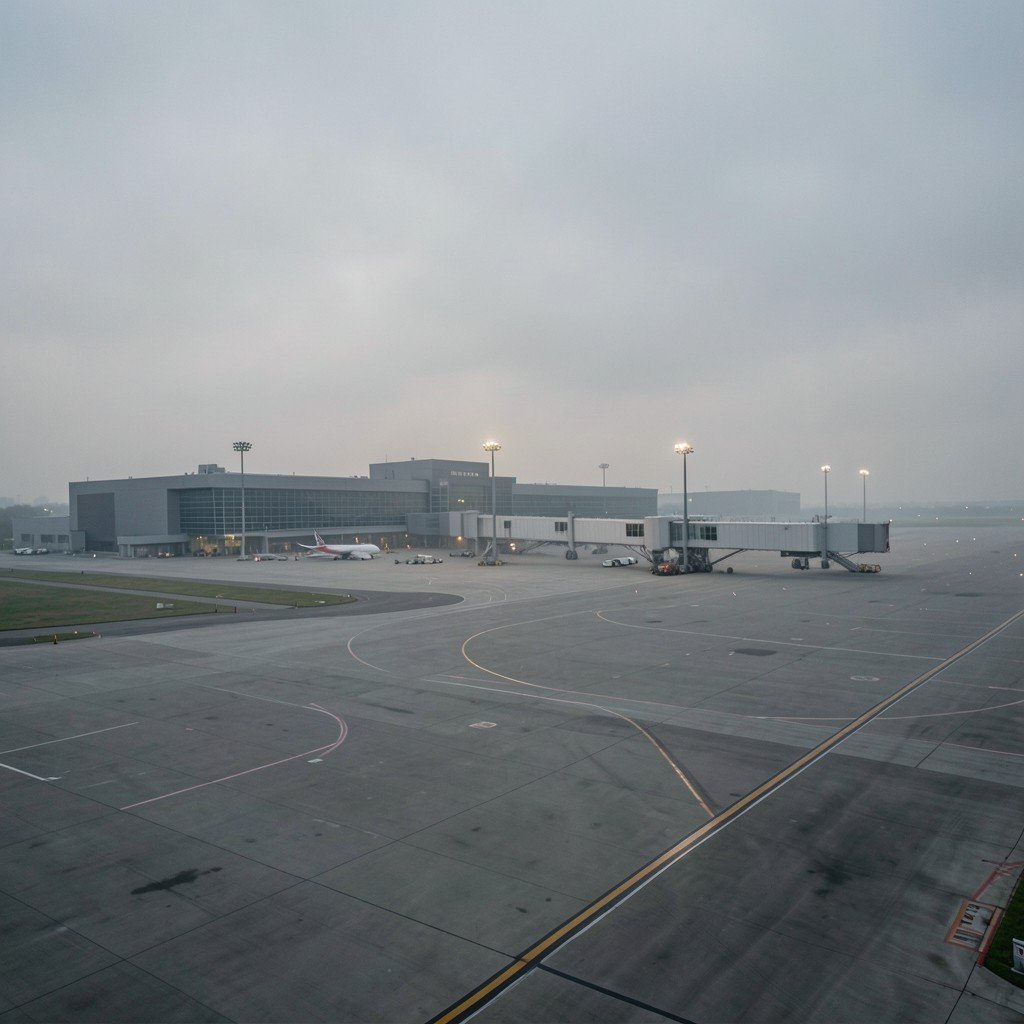
Iran has offered to facilitate talks between Saudi Arabia and Yemen's Houthi group following a weekend of deadly attacks on the kingdom that killed 14 people and wounded more than 300 at Riyadh's King Khalid International Airport. The outreach came as Iranian Foreign Minister Abbas Araghchi spoke with his Saudi counterpart, Prince Faisal bin Farhan Al Saud, on Sunday in their first publicly reported contact since the Iran-aligned Houthis escalated strikes on Saudi Arabia.

The diplomatic initiative carries significance beyond Yemen, unfolding against the backdrop of the wider US-Israel war on Iran. Tehran appears to be seeking to avoid being drawn into another confrontation while positioning itself as essential to any broader regional settlement. Analysts say the offer reflects an effort to convert a military liability into diplomatic leverage across multiple fronts.

Diplomatic Outreach and Fighting on the Ground

According to the Saudi state news agency, the two foreign ministers discussed the recent regional escalation and efforts to reduce tensions, a development Iran's Foreign Ministry also confirmed. Following the discussions, Araghchi warned against pursuing a military solution and offered Tehran's assistance in facilitating dialogue between Saudi Arabia and Yemen.

On Monday, Iranian Foreign Ministry spokesman Esmaeil Baghaei reiterated Tehran's willingness to mediate, stating, "We absolutely do not want hostilities and war to continue between two Islamic countries," and urged dialogue to resolve the conflict.

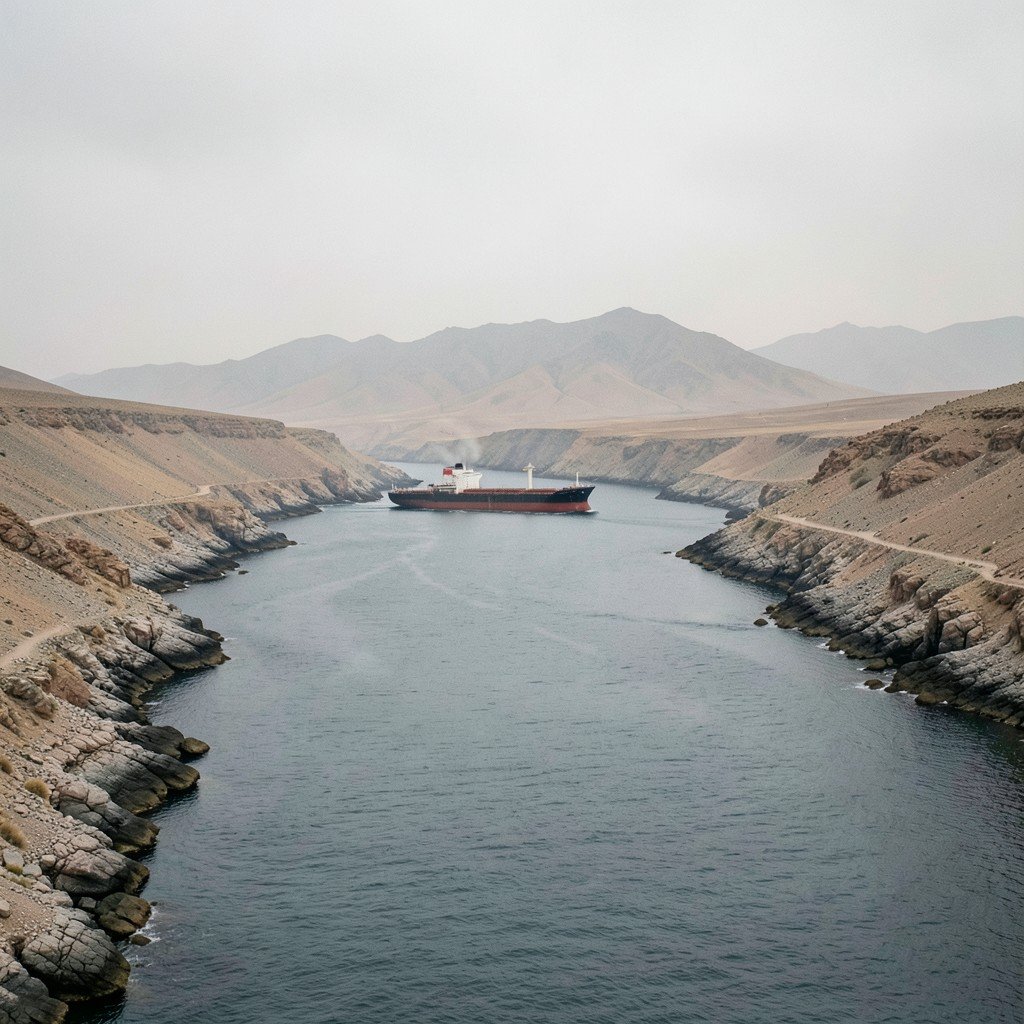
Meanwhile, fighting has intensified in Yemen after the internationally recognised government's forces announced Operation Dawn of Yemen on October 4 to reverse recent Houthi territorial gains, including the capital, Sanaa. Government forces backed by Riyadh have reported advances near the strategic Bab al-Mandeb strait, a vital international shipping route, though competing battlefield claims remain difficult to independently verify.
Background of the Yemen Conflict

Iran has repeatedly called for a diplomatic settlement to Yemen's conflict and says it supports a political solution rather than continued military action. Tehran backs the Houthis, also known as Ansar Allah, who control Sanaa and other parts of the country. The armed group forms part of the Iran-aligned "axis of resistance," which also includes Lebanon's Hezbollah and armed groups in Iraq.

Saudi Arabia, meanwhile, has led a military coalition supporting Yemen's internationally recognised government since 2015. The Houthis have responded to the government offensive with missile and drone attacks on Saudi airports, energy infrastructure and other targets. The escalating violence has disrupted commercial flights, businesses and schools in Riyadh, underlining the growing economic and civilian consequences of the conflict.

Analyst Perspectives on Iran's Motives

Negar Mortazavi, senior fellow at the Washington, DC-based Center for International Policy, said Tehran is positioning itself as an indispensable party to a broader regional settlement. "The larger political objective is an informal non-aggression arrangement between Iran and its allies on one side and the United States and its regional partners on the other," she said.

Andreas Krieg, a Middle East security analyst at King's College London, said Iran is trying to turn Yemen "from a military liability into a diplomatic asset," noting that Riyadh has struggled to reverse Houthi territorial gains around Taiz and Bab al-Mandeb. He added that offering Riyadh a way out of Yemen could give Iran leverage in negotiations over Hormuz, sanctions relief and wider regional security architecture.

Both analysts cautioned that Iran does not fully control the Houthis. "Ansar Allah is not simply an Iranian proxy awaiting instructions," Krieg said, noting the group's leadership has its own political ambitions and believes its recent territorial gains have strengthened its negotiating position.

What Lies Ahead

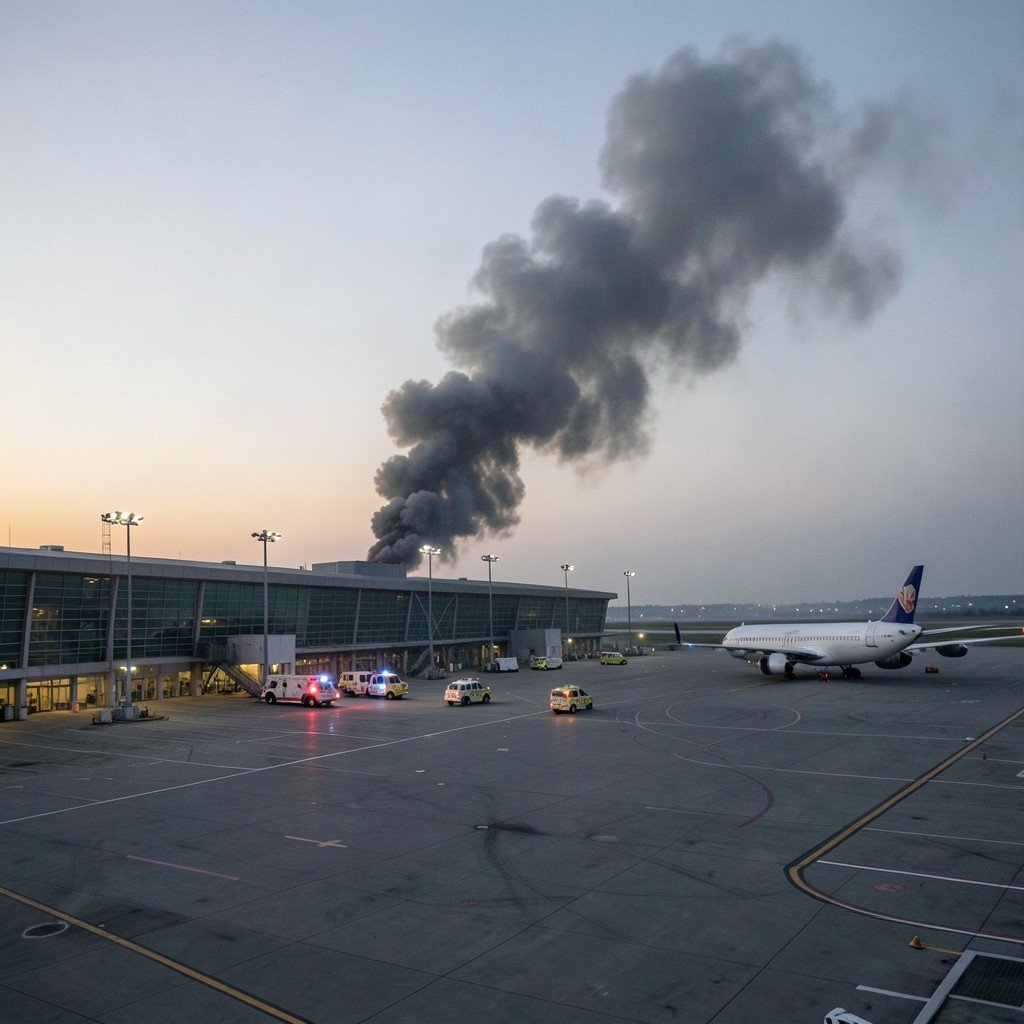
UN Special Envoy for Yemen Hans Grundberg warned on Friday that Yemen had returned to "full-scale war," with civilians bearing the brunt of the attacks. The two strikes on Riyadh's airport on Saturday and Sunday killed 14 people and wounded more than 300, with casualties including foreign nationals from Bangladesh, Pakistan and Palestine.

Iran has signaled its readiness to mediate, but no formal talks between Saudi Arabia and the Houthis have been confirmed. Analysts note that any broader settlement would require an end to hostilities across multiple fronts, including Yemen and Lebanon, rather than a settlement confined to the US-Iran conflict. Further details on the diplomatic process remain awaited.

MORE LIKE THIS

Comments (0)

Leave a comment

A verified Gmail account is required to post comments.

No comments yet. Be the first to share your thoughts!