
Mecca Defence Alliance Delegations to Visit Tehran for Talks
news

Mecca Defence Alliance Delegations to Visit Tehran for Talks

By Editorial Team•Oct 26, 2026 · 9:44 AM•3 min read
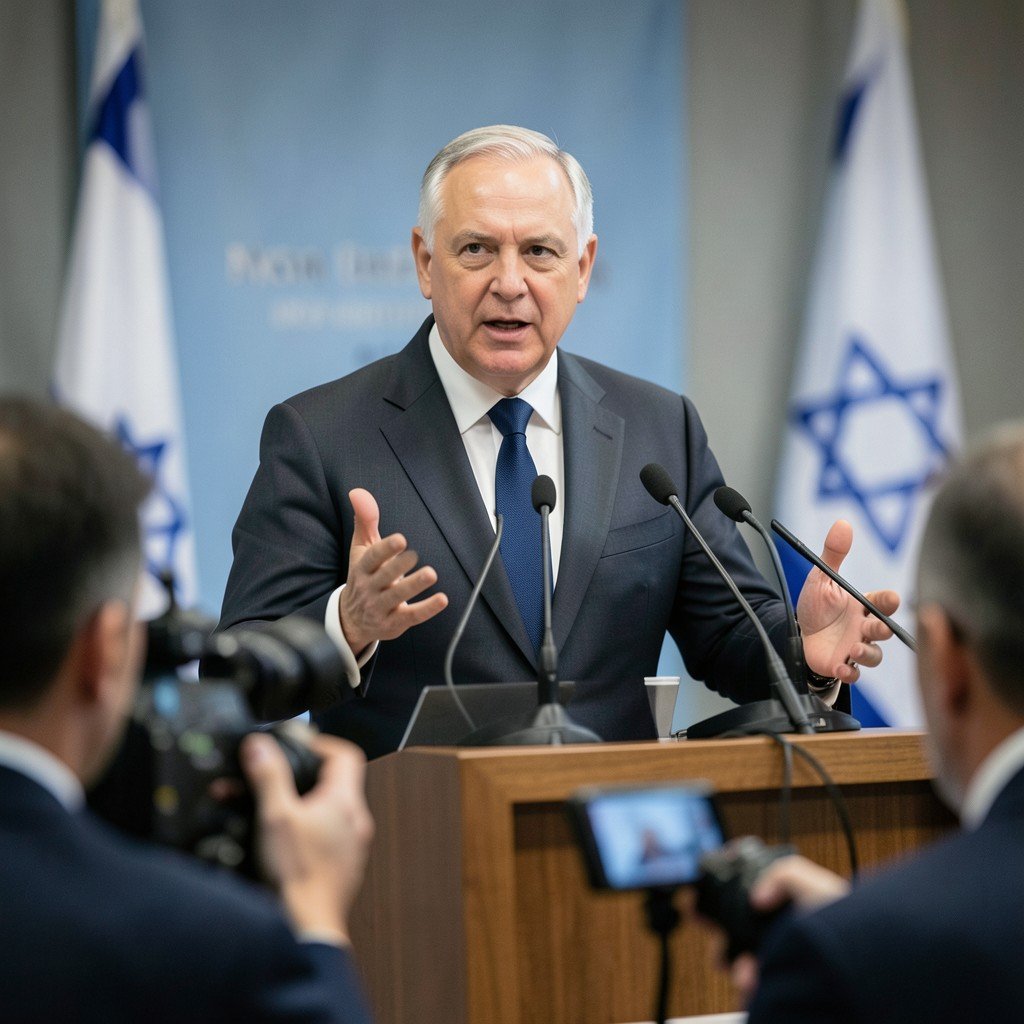
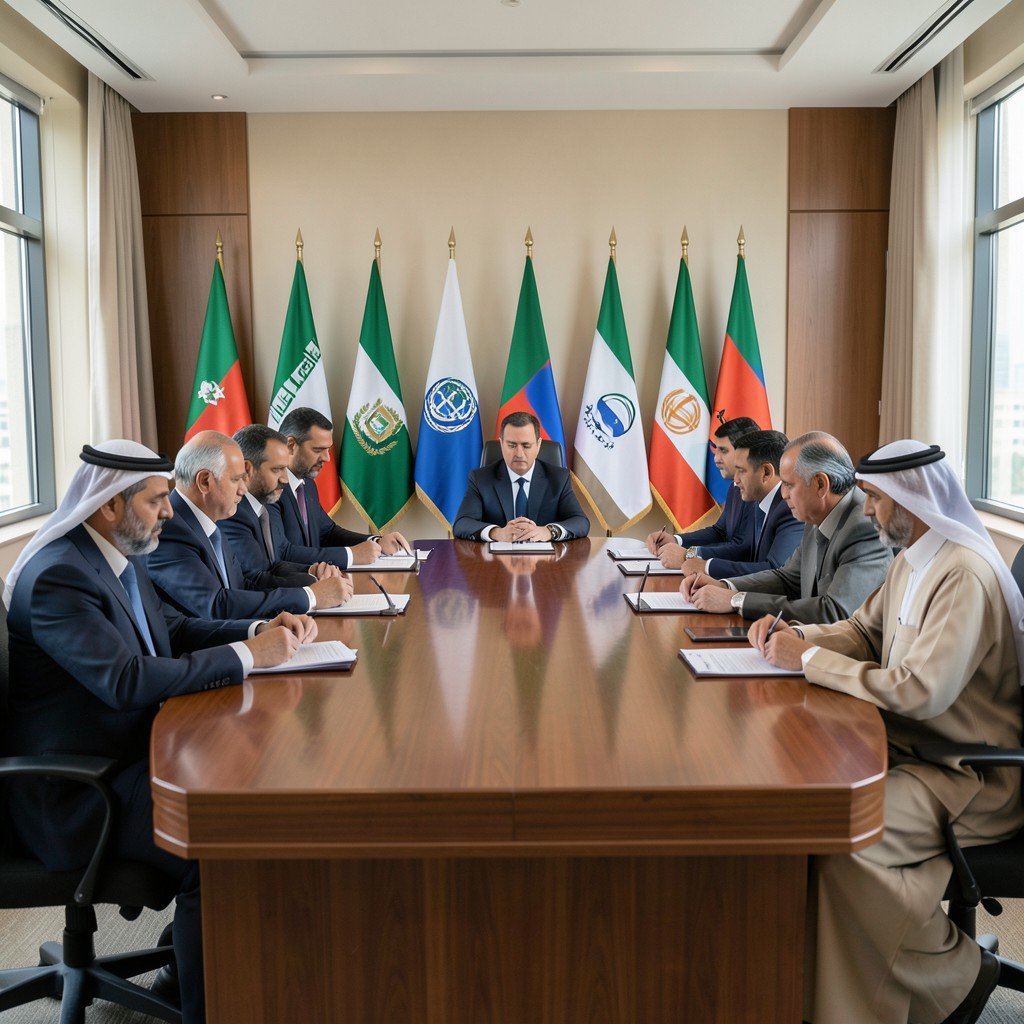
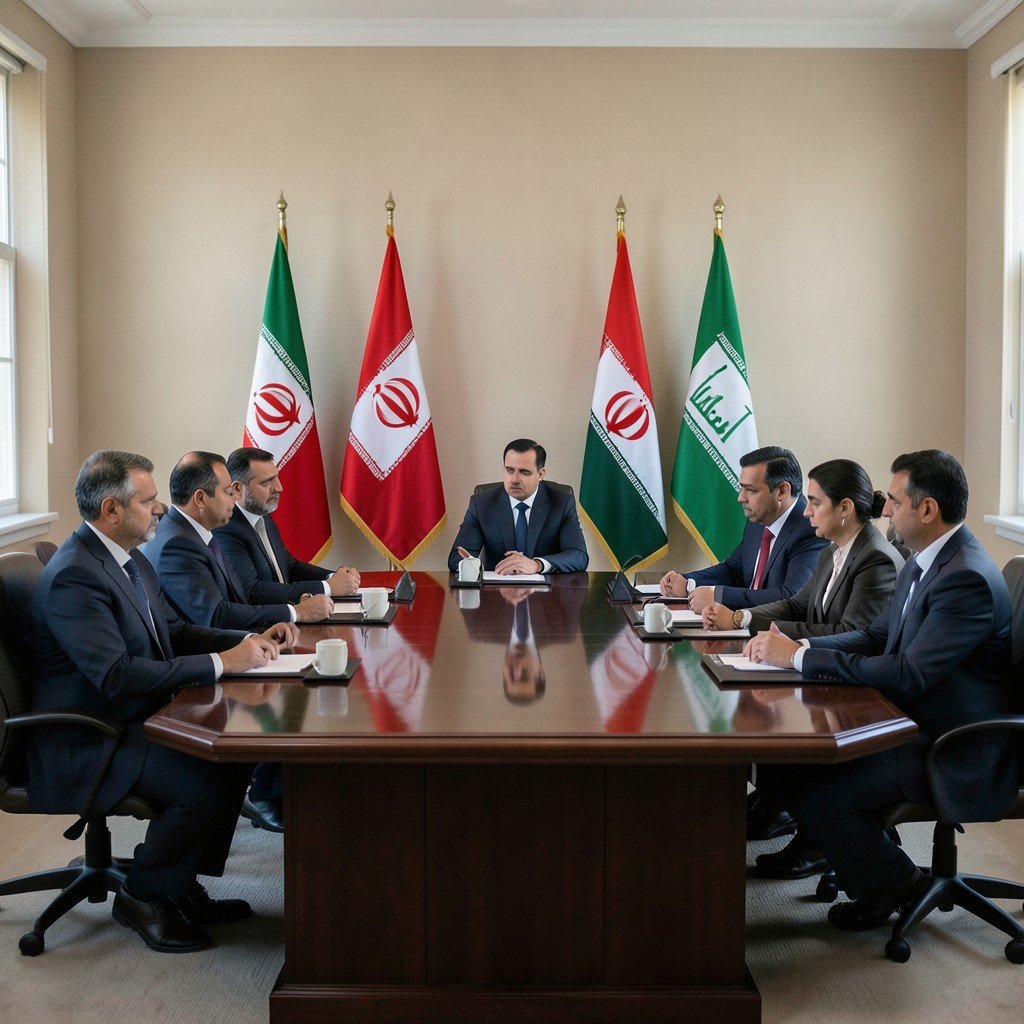
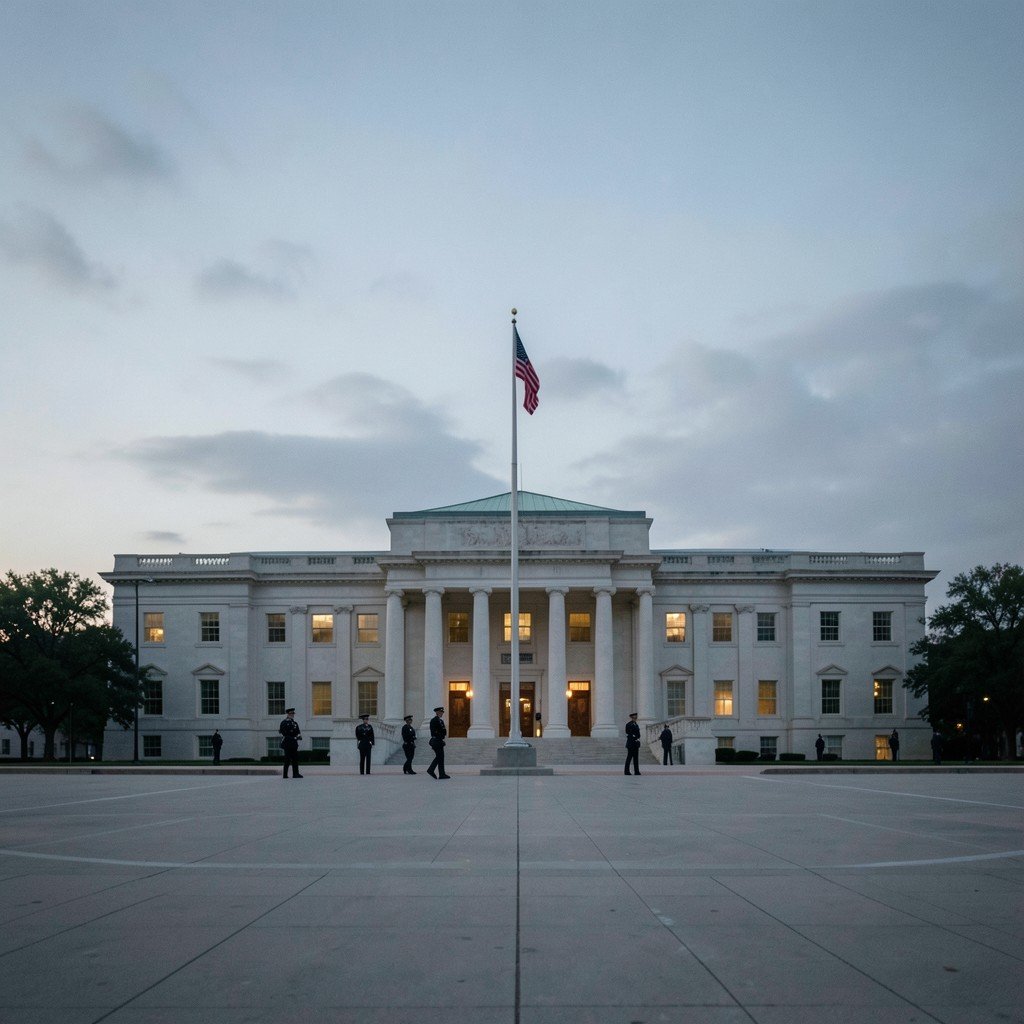
AI-generated representative image. A diplomatic meeting room setting evokes high-level talks between Mecca Defence Alliance delegations and Iranian officials in
Editorial Team
Editorial Team
Saudi Arabia, Turkiye and Pakistan hold first joint meeting with Iran since Houthi attacks escalated.

Delegations from the Mecca Defence Alliance countries of Saudi Arabia, Turkiye and Pakistan will visit Tehran on Monday for high-level talks with Iranian officials, according to Saudi and Iranian officials and Turkish state media. The joint meeting marks the first high-level contact between Iran and all members of the alliance since the Yemen-based Houthi armed group escalated attacks on Saudi Arabia last month.

The talks signal an attempt by regional powers to reduce tensions amid a widening conflict that has drawn in the United States and Israel. With Saudi Arabia increasingly exposed to Houthi missile and drone strikes, the meeting is being framed by participants as a step toward regional security built on dialogue rather than escalation.

Key Participants and Agenda

Ali Bagheri Kani, deputy secretary of Iran's Supreme National Security Council, was quoted by state-run media as saying the visiting delegation will include Saudi Defence Minister Khalid bin Salman Al Saud, Pakistani military chief Asim Munir and Turkish intelligence chief Ibrahim Kalin. Iran's delegation will be led by Mohsen Rezaei, secretary of the Supreme National Security Council.

Bagheri Kani said the participating countries could take an effective step toward establishing regional security based on actors within the region. Saudi Deputy Minister for Public Diplomacy Rayed Krimly confirmed the meeting, describing it as part of continued efforts by the alliance allies to promote de-escalation and dialogue in support of mediation efforts carried out by Qatar and Pakistan.
Background and Recent Tensions

Turkiye, Pakistan and Saudi Arabia signed the Mecca Joint Defence Agreement in August. Under its terms, an armed attack on one member is considered an attack on all. The agreement's first article states that the parties shall use all necessary means to eliminate threats to one another's territorial integrity, sovereignty and internationally recognised borders.

Pakistan has served as a key intermediary between Washington and Tehran since the United States and Israel launched a war on Iran in February. Earlier mediation efforts helped produce an interim agreement in June, but the deal quickly unravelled as fighting between Iran and the United States resumed weeks later. Field Marshal Munir visited Tehran last week, where he met President Masoud Pezeshkian and other senior officials. During that visit, Iranian officials told him there would be no talks with the United States about ending the war until Tehran's demands were met, according to Iranian media.

Escalation and Alliance Response

Saudi Arabia intercepted another wave of missiles and drones on Sunday as fighting with the Houthis continued. The attacks have become an increasingly destabilising element in the wider war, turning the kingdom into a pressure point. Ministers from the Mecca Defence Alliance countries held an emergency meeting in Riyadh this month and agreed to ensure the rapid deployment of military forces and capabilities in Saudi Arabia.

Turkiye's state news agency Anadolu reported that Kalin will attend the Tehran meeting, citing Turkish security sources. Efforts by Turkiye's parliament to ratify the agreement began last week and are still under way, while Pakistan approved the pact last week.

What Lies Ahead

The Tehran meeting is scheduled for Monday, with both Iranian and Saudi officials confirming the planned talks. It remains unclear whether the discussions will produce concrete agreements, but the visit represents a notable diplomatic channel between Iran and the alliance at a time of heightened regional instability.

MORE LIKE THIS

Comments (0)

Leave a comment

A verified Gmail account is required to post comments.

No comments yet. Be the first to share your thoughts!