

Extreme Heat Disrupts More American Lives as Climate Change Belief Drops
news

Extreme Heat Disrupts More American Lives as Climate Change Belief Drops

By Editorial TeamAug 7, 2026 · 9:52 AM4 min read
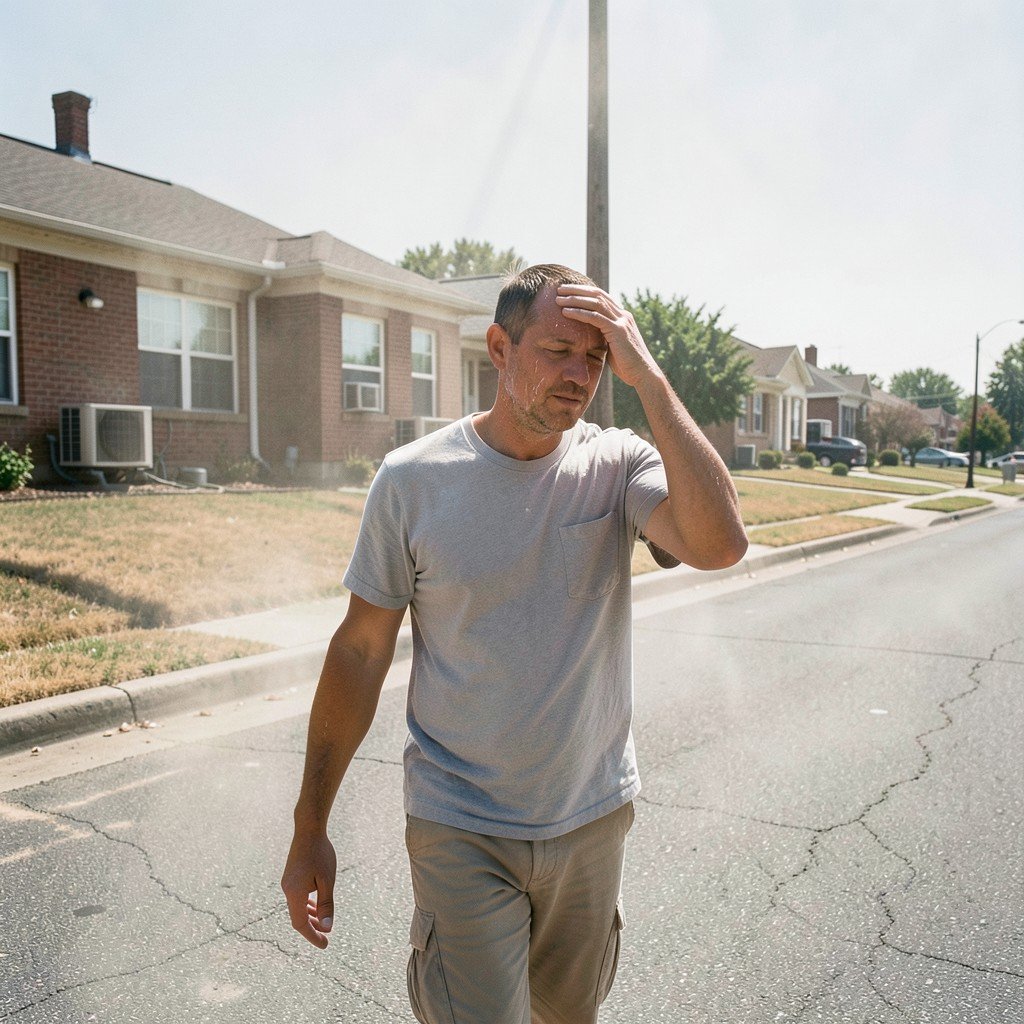
AI-generated representative image: A man walks through a heat-stricken American neighborhood as extreme temperatures increasingly disrupt daily life across the
Editorial Team
Editorial Team
AP-NORC poll finds 66 percent accept climate change is real, down from 73 percent, while heat-related disruptions to sleep, travel, and outdoor activities surge across the United States.

A growing number of Americans say extreme heat is disrupting their daily lives, even as belief in climate change has slipped, according to a new poll released Thursday by The Associated Press and the NORC Center for Public Affairs Research. The survey of 1,165 US adults, conducted in late July, found that 66 percent believe climate change is happening, a notable decline from 73 percent in September 2025. At the same time, respondents reported sharp increases in heat-related disruptions to outdoor activities, travel, exercise, sleep and commuting.

The findings highlight a striking disconnect in public perception: Americans are personally experiencing more heat-related strain than ever before, yet fewer accept the scientific consensus on climate change as its underlying driver. The trend carries significant implications for policymakers and candidates ahead of the 2026 midterm elections, as rising utility costs and infrastructure pressures become increasingly difficult for households to ignore.

Heat Disrupts More Aspects of Daily Life

The poll reveals that 30 percent of respondents said extreme heat had a "major impact" on their outdoor activities this year, up from 21 percent in July 2024. The share reporting major disruptions to vacation and travel plans nearly doubled, rising from 8 percent to 15 percent over the same period. Exercise routines, sleep patterns and daily commutes were also identified as areas increasingly affected by elevated temperatures.

Eighty-one percent of Americans said their electricity bills have been impacted by extreme heat over the past year, a significant jump from 69 percent in July 2024. The strain was felt most acutely in the Midwest and on the West Coast, where 35 percent of respondents described heat as having a major impact on outdoor activities, exceeding the national average. Democratic respondents were more likely than Republicans to report that heat had affected their plans.

Record Heat and Rising Mortality

Scientists have confirmed that 2025 ranked among the three hottest years on record globally, continuing a trend that saw records set in both 2024 and 2023. The United States has been baking under multiple heat domes this year, with climatologists at Virginia Tech University estimating that roughly 60 percent of the country was in drought as of May, and 20 percent facing extreme drought conditions. Colorado and the Southeast, particularly areas near Florida and Georgia, were among the hardest hit. The La Nina climate pattern earlier this year also produced a drying effect on the typically wet Pacific Northwest.

Excessive heat remains one of the leading causes of weather-related illness and death in the country. The Centers for Disease Control and Prevention estimates that more than 1,220 deaths annually are linked to heat as a contributing or underlying cause. In 2023, that figure surged to 2,300 deaths, the highest rate recorded in 45 years, according to an Associated Press analysis.

Personal Accounts and Expert Warnings

Several poll respondents described observing rising temperatures over the course of their lifetimes. "When I was a kid, that seemed like a very rare thing when it did hit 100, everybody was like, whoa. And now it's just every day," said John Hazel, a crime scene investigator who identifies as a Republican. "Seasons felt a little more balanced. Now it feels like summer's a bit lingering. It starts earlier and lasts longer."

Daemien Williams, a bridge inspector and Democrat, pointed to escalating household costs. "I feel like my utility costs probably doubled in the last three or four years," he said. "I do look at my bills pretty in detail and see that the kilowatts and the usage is actually up, not just the price that they're charging for it." Experts warn that sustained high temperatures increase wildfire risks, threaten agricultural output and place excessive strain on energy grids and other public infrastructure.

Political Implications Ahead of Midterms

While extreme weather represents only one factor influencing electricity prices, rising household energy costs are expected to become a prominent issue during the 2026 midterm election season. The poll's findings, showing widespread personal impact from heat alongside declining belief in climate change, suggest candidates will face a complex public mood: voters are feeling the consequences of a warming planet even as a growing minority questions the science behind it.

MORE LIKE THIS

Comments (0)

Leave a comment

A verified Gmail account is required to post comments.

No comments yet. Be the first to share your thoughts!