
US-Israel Deal With Syria to Remove Nuclear Material From Secret Site
news

US-Israel Deal With Syria to Remove Nuclear Material From Secret Site

By Editorial TeamAug 11, 2026 · 5:25 PM3 min read
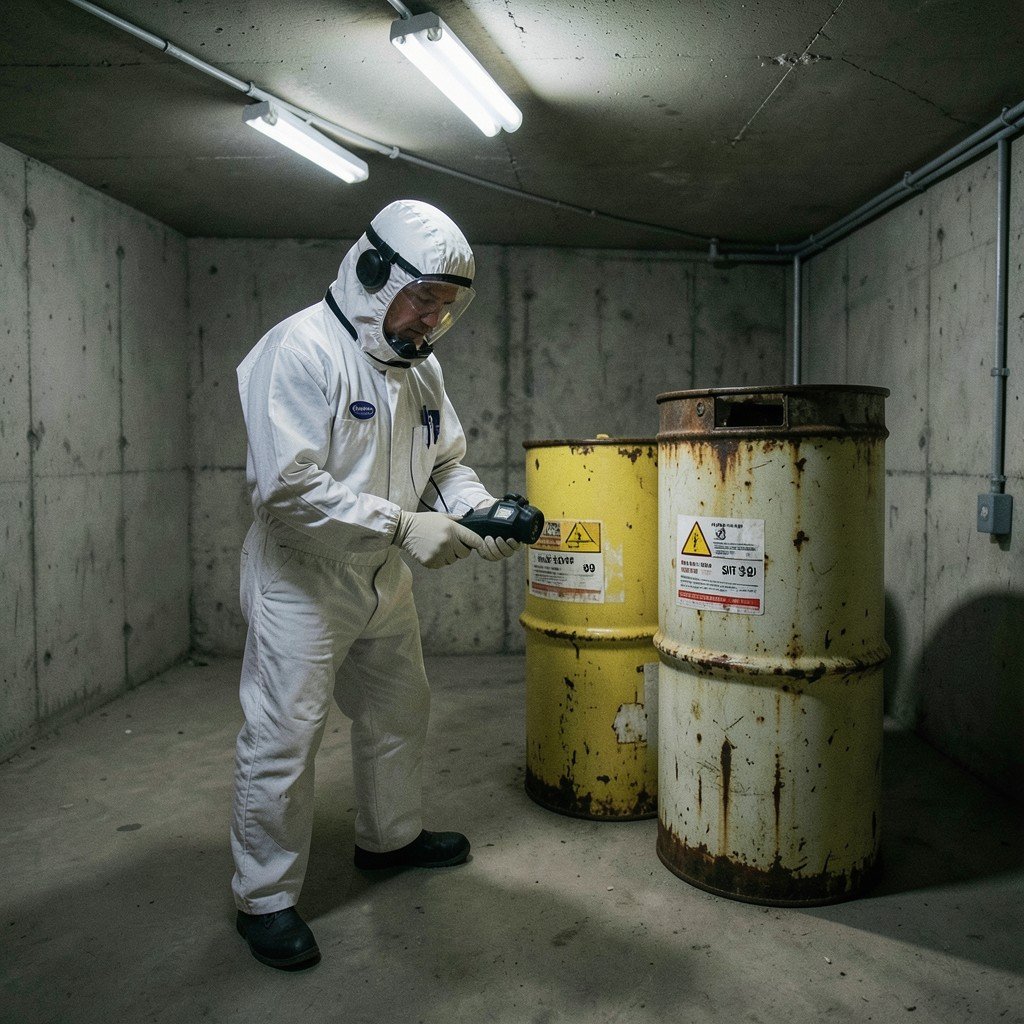
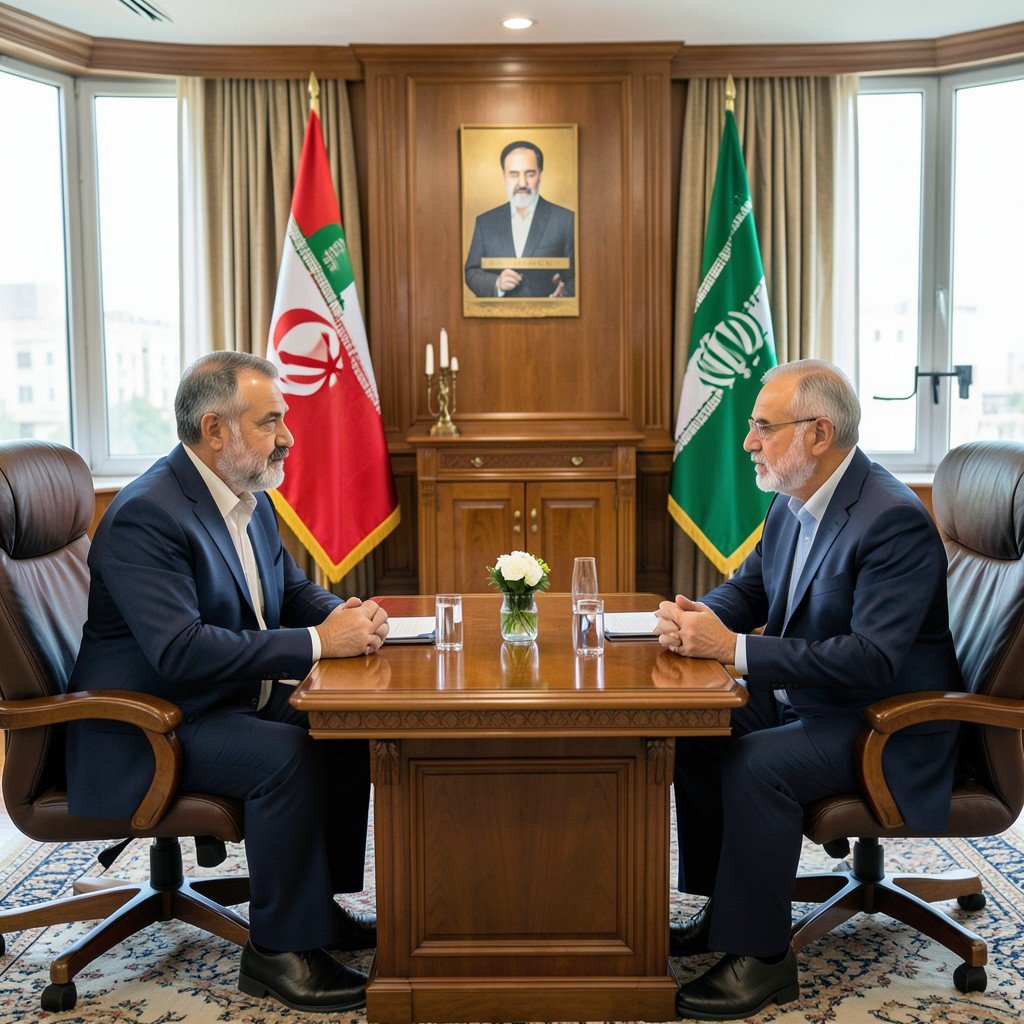
AI-generated representative image. An IAEA inspector examines yellowcake storage containers at a nuclear facility in Syria under a US-Israel-brokered agreement.
Editorial Team
Editorial Team
IAEA to access Site 99 and recover yellowcake remnants from the Al-Kibar reactor destroyed in 2007, signaling a nonproliferation milestone in post-Assad Damascus.

The United States and Israel have reached an agreement with the Syrian government to remove nuclear material from a previously secret facility known as Site 99, Axios reported on Monday, citing American and Israeli officials. Under the deal, the International Atomic Energy Agency (IAEA) will be granted access to the site to recover yellowcake, a concentrated uranium powder left over from Syria's Al-Kibar reactor, which was destroyed by an Israeli airstrike in 2007.

The agreement addresses longstanding proliferation concerns surrounding the unsecured nuclear material while also reflecting the rapidly shifting diplomatic landscape in Syria following the fall of Bashar Assad's government in December 2024. The presence of yellowcake at an unmonitored site had raised fears it could be weaponized into a radiological dispersal device, commonly known as a dirty bomb, if it fell into the wrong hands.

Terms of the Agreement

The deal centers on granting IAEA inspectors access to Site 99, which contains remnants from the Al-Kibar reactor that Israeli warplanes destroyed nearly two decades ago. The yellowcake stored at the facility cannot be directly used to manufacture a nuclear weapon but could be combined with conventional explosives to create a dirty bomb capable of spreading radiological contamination over a wide area.

Israel bombed the entrances to Site 99 shortly after US-backed rebel forces captured Damascus and toppled President Bashar Assad in December 2024. An Israeli official told Axios that Israel had issued an explicit warning: it would strike the site again if the nuclear material was not removed or if there were any indications Syria was attempting to access it.
Syria's Nuclear History and the Al-Kibar Reactor

The Al-Kibar reactor, located in Syria's Deir ez-Zor region, was destroyed by an Israeli airstrike on September 6, 2007. The facility was widely believed to have been a clandestine nuclear reactor under construction with North Korean assistance, though Damascus never formally acknowledged its purpose. The IAEA investigated the site for years but faced restricted access under the Assad government.

Syria has been ravaged by civil war since 2011, leaving large portions of the country outside effective government control and raising persistent concerns about unsecured weapons and materials. The collapse of the Assad regime in December 2024 opened a new chapter, with the current government under President Ahmed al-Sharaa actively seeking to rebuild international relations and attract foreign aid.

Diplomatic Realignment Under Al-Sharaa

President Ahmed al-Sharaa, a former jihadist commander who was previously on the US wanted list, has pursued a pragmatic foreign policy since taking power. Last month, he disclosed that his administration was negotiating a security agreement with Israel, which has occupied portions of southwestern Syria since 2024, extending its military presence beyond the Golan Heights that it has held since 1967.

Al-Sharaa's government has simultaneously worked to normalize ties with Russia, a key military backer of the former Assad regime. Earlier this month, Moscow and Damascus reached an agreement to restructure Russia's Khmeimim Airbase and the naval facility in Tartus into joint training centers, ensuring a continued Russian military footprint in Syria despite Assad's removal from power.

What Comes Next

The IAEA is expected to begin operations at Site 99 to safely recover and remove the yellowcake material, though no specific timeline has been publicly confirmed. The successful completion of the removal would eliminate a significant proliferation risk that has persisted since the Al-Kibar reactor's destruction. Further details regarding the security arrangements and the final destination of the recovered nuclear material have not yet been disclosed.

MORE LIKE THIS

Comments (0)

Leave a comment

A verified Gmail account is required to post comments.

No comments yet. Be the first to share your thoughts!