
Arab and Muslim Diplomats Meet in Amman to Counter Israeli Al-Quds Policies
news

Arab and Muslim Diplomats Meet in Amman to Counter Israeli Al-Quds Policies

By Editorial TeamAug 5, 2026 · 8:56 PM3 min read
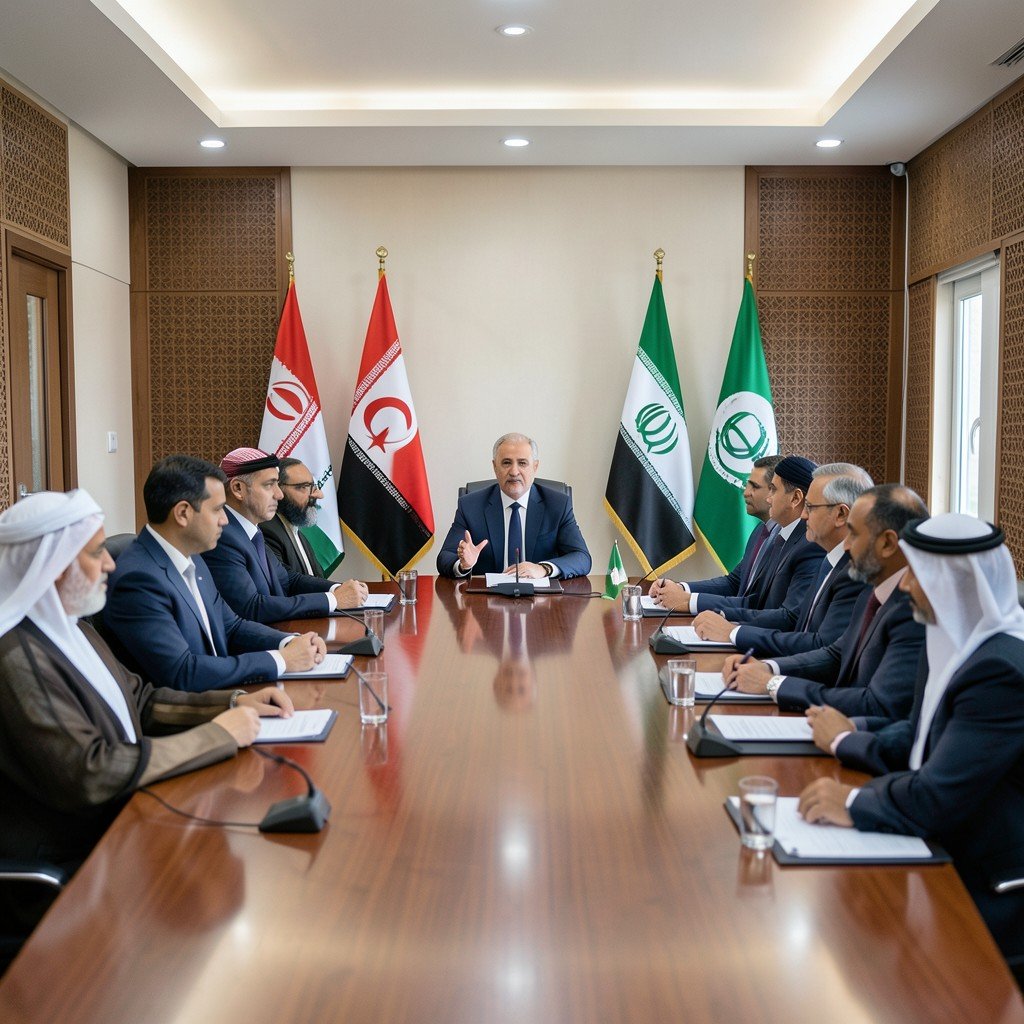
AI-generated representative image: Arab and Muslim-majority nation diplomats convene in Amman, Jordan, to discuss a unified stance on Israeli policies in al-Qud
Editorial Team
Editorial Team
Jordan's Safadi warns holy sites face unprecedented threat as Arab League and Muslim-majority nations coordinate diplomatic response

Senior diplomats from Arab and Muslim-majority nations convened in Amman on Wednesday to formulate a unified stance against Israeli policies and measures in al-Quds, Jordan's state news agency Petra reported. The gathering included members of the Arab ministerial committee on al-Quds, Arab League Secretary General Ahmed Aboul Gheit, and the foreign ministers of Turkey, Pakistan, Indonesia and Malaysia.

The high-level meeting reflects mounting international concern over the status of al-Quds and its holy sites, which Jordan's top diplomat described as facing an escalating and unprecedented danger. The diplomatic push comes amid longstanding tensions over settlement expansion, access to religious sites, and the broader Israeli-Palestinian conflict.

Urgent Warnings and Accusations

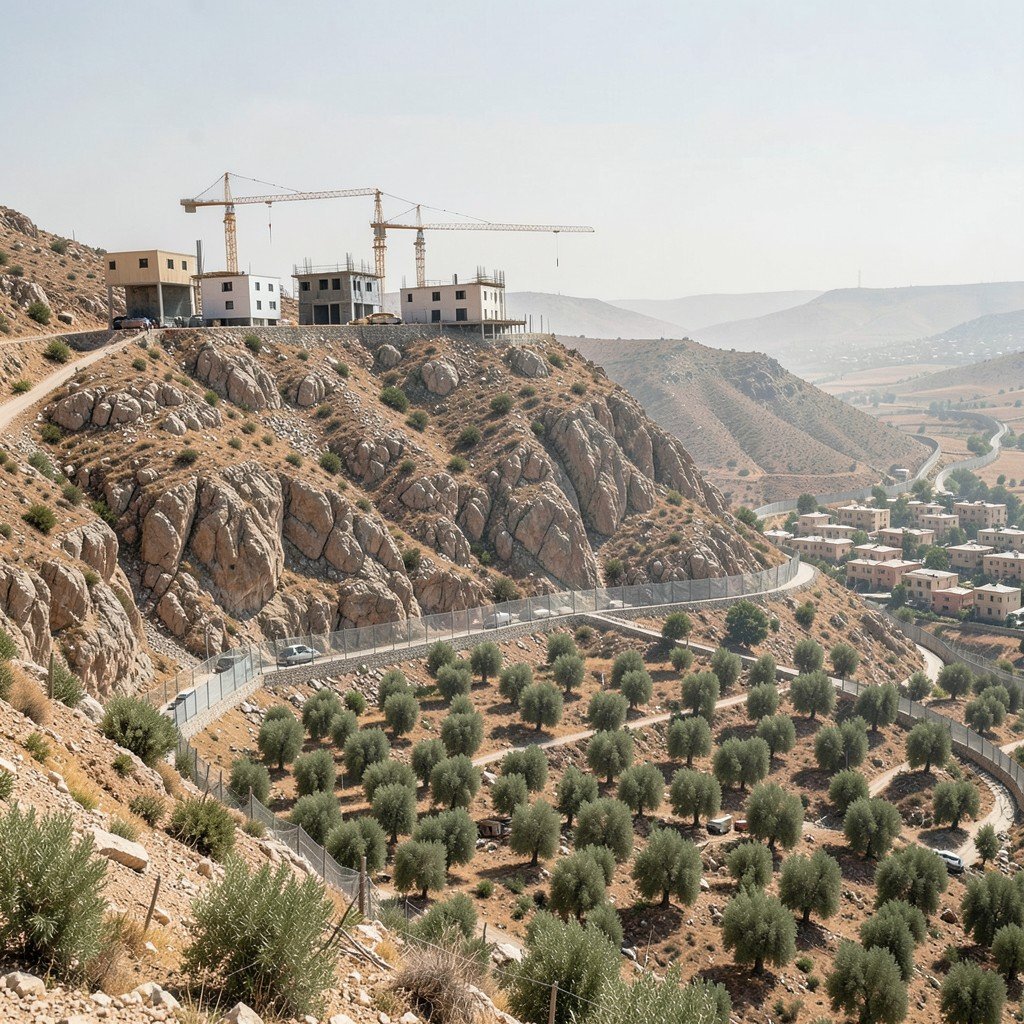
Opening the session, Jordanian Foreign Minister Ayman Safadi delivered a stark assessment, stating that "Al-Quds is facing an escalating danger" and that its Islamic and Christian holy sites were under an unprecedented threat. He accused Israel of tightening its control over East al-Quds through a range of measures including settlement construction, land annexation, property confiscation, restrictions on Palestinian residents, and efforts to isolate the city from the rest of the Palestinian territories.

Safadi further charged that Israel was violating the sanctity of Islamic and Christian holy sites and restricting freedom of worship for both Muslims and Christians. He said Christian clergy and churches had come under pressure from extremist attacks and what he described as illegal legislation aimed at seizing church property and land.
Al-Aqsa Mosque and the Status Quo

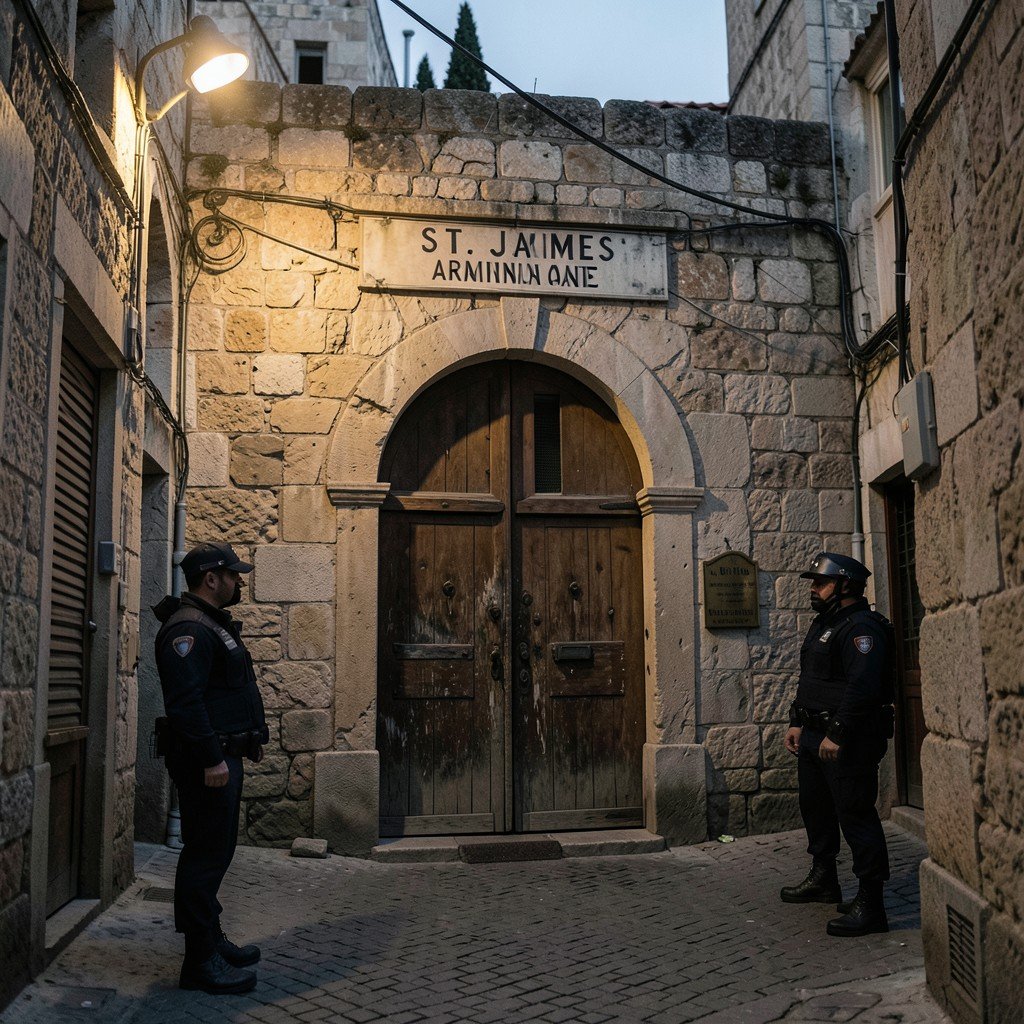
Safadi specifically highlighted what he characterized as increasing Israeli targeting of Al-Aqsa Mosque, accusing Israel of attempting to undermine its Islamic identity and alter the site's longstanding historical and legal status quo. Al-Aqsa Mosque, located in the Old City of al-Quds, is one of Islam's holiest sites and has been a recurring flashpoint in Israeli-Palestinian tensions. Under a long-standing arrangement, Jordan serves as custodian of Muslim and Christian holy sites in al-Quds, a role recognized in the 1994 Israel-Jordan peace treaty.

The Arab ministerial committee on al-Quds was established to coordinate diplomatic efforts against Israeli policies in the city, which Palestinians claim as the capital of a future state. Israel captured East al-Quds in the 1967 war and later annexed it in a move not recognized by most of the international community.

A Broader Strategy Against the Two-State Solution

According to Anadolu Agency, Safadi framed Israel's actions in al-Quds as part of a wider policy to consolidate its occupation of the West Bank and undermine the two-state solution. He maintained that the two-state solution remains the only path to a just peace. The Jordanian foreign minister described the Israeli measures as part of a plan targeting the city's identity, history, present and future.

The presence of foreign ministers from Turkey, Pakistan, Indonesia and Malaysia alongside Arab League representatives signaled a broadening of diplomatic coordination beyond the Arab world to include key Muslim-majority nations in Asia, reflecting the wider significance attached to the status of al-Quds across the Muslim world.

Unified Diplomatic Efforts Underway

The ministers worked during the Amman meeting to adopt a unified position against Israel's policies and actions in al-Quds. While specific joint measures or resolutions from the gathering have not yet been publicly detailed, the meeting underscored ongoing efforts to build a coordinated international response to developments in the city. Further diplomatic engagement on the issue is expected in the coming weeks.

MORE LIKE THIS

Comments (0)

Leave a comment

A verified Gmail account is required to post comments.

No comments yet. Be the first to share your thoughts!